



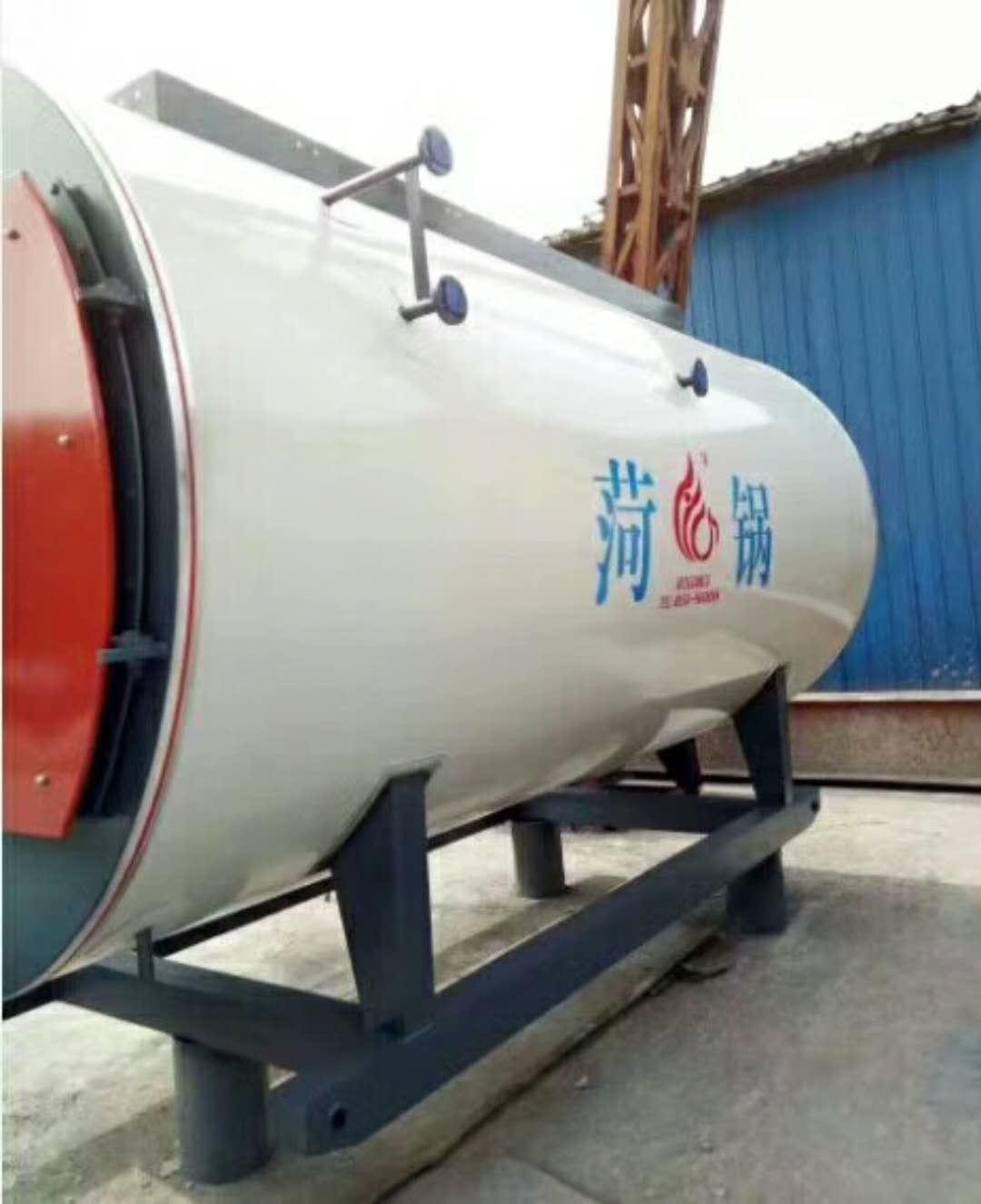
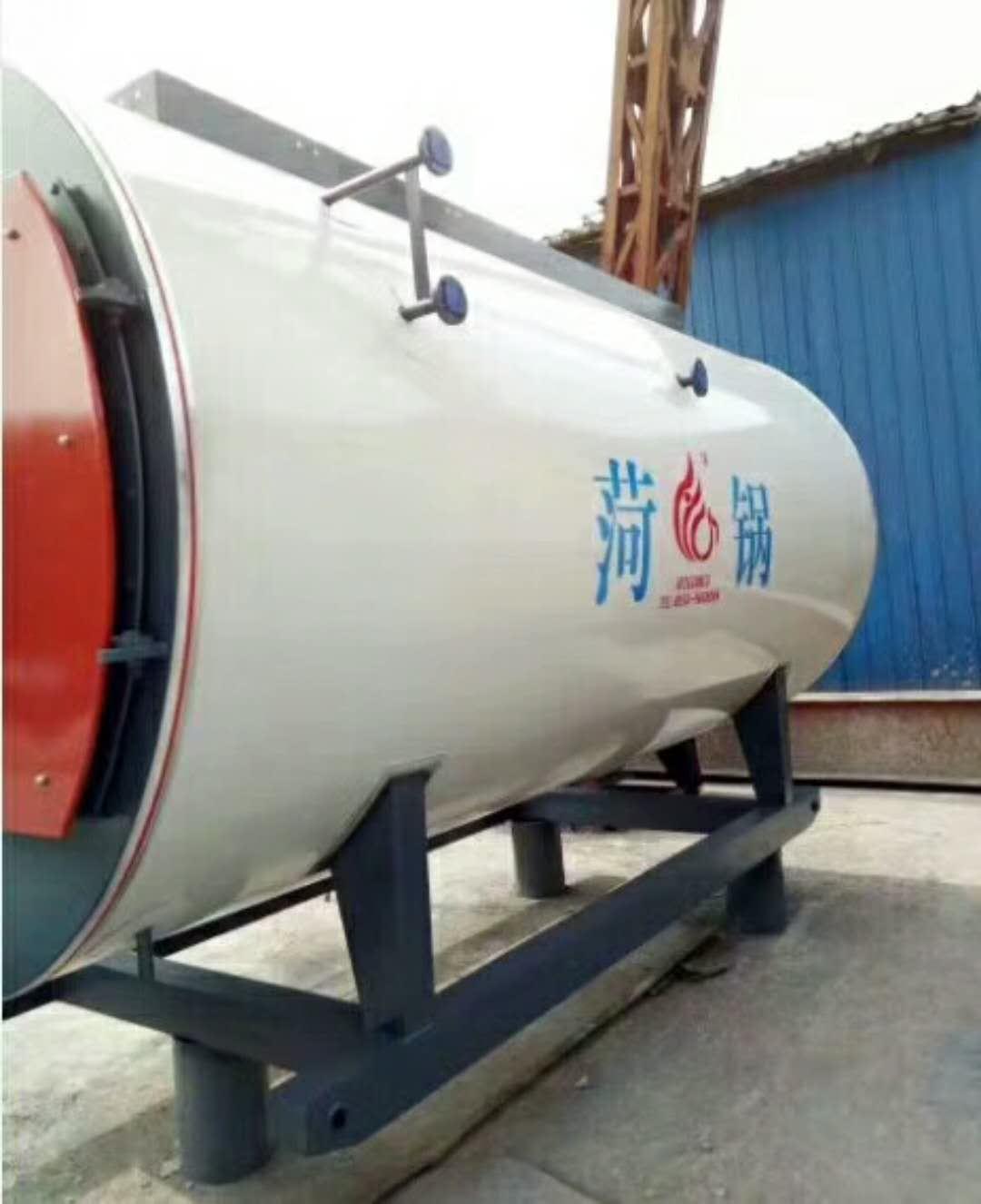


















Shandong Zhongjie Special Equipment (formerly Heze Boiler Factory Co., Ltd.) holds an A-grade boiler manufacturing license, an A2-grade pressure vessel manufacturing license, an A2-grade pressure vessel design license, a B-grade boiler installation license, and GB2/Class and GC2/Class pressure pipeline installation licenses, as well as an equipment and machinery installation contracting qualification. It is a member of the China Boiler and Water Treatment Association, the China Chemical Equipment Association, and a council member of the Shandong Equipment Manufacturing Association. The company has also passed certifications for the ISO9001 Quality Management System, ISO14001 Environmental Management System, OHSAS18001 Occupational Health and Safety Management System, and the American ASME/U2 certification.
To maintain the stability of liquid argon tanks, the following details need to be considered:
Basic Design: The foundation design of the tank should comply with relevant standards and specifications to ensure stability and load-bearing capacity. The foundation should possess sufficient strength and seismic resistance to withstand external forces and natural disasters such as earthquakes.
Foundation Construction: During the foundation construction process, it is essential to ensure the flatness and levelness of the foundation to avoid tilting or uneven settlement. Additionally, the concrete pouring for the foundation must comply with construction specifications, guaranteeing the quality and strength of the concrete.
Installation Process: During the installation of the tank, appropriate lifting equipment and safety measures must be employed to ensure the vertical installation and stability of the tank. Avoiding severe vibrations and impacts during the installation is crucial to prevent damage or deformation to the tank.
Support Structure: The support structure of the tank should be designed reasonably to ensure the stability and load-bearing capacity of the tank. It should be made of sturdy materials and utilize appropriate connection methods to withstand external forces and the pressure from the liquid inside the tank.
Safety Devices: Tanks should be equipped with safety devices such as pressure relief valves and level alarms to ensure timely action can be taken in abnormal situations, safeguarding the tank's safety.
Regular Inspections and Maintenance: Conduct regular inspections and maintenance on liquid argon tanks, including visual inspections, pressure tests, leak detection, and as needed, non-destructive testing and material analysis. Promptly identify and address any issues with the tanks to ensure their stability and safety.
It's important to note that the installation of liquid argon tanks should be performed by experienced personnel and in accordance with relevant safety operating procedures and standards. During installation, operations should be strictly carried out according to the manufacturer's installation guidelines and requirements to ensure the stability and safety of the tank.
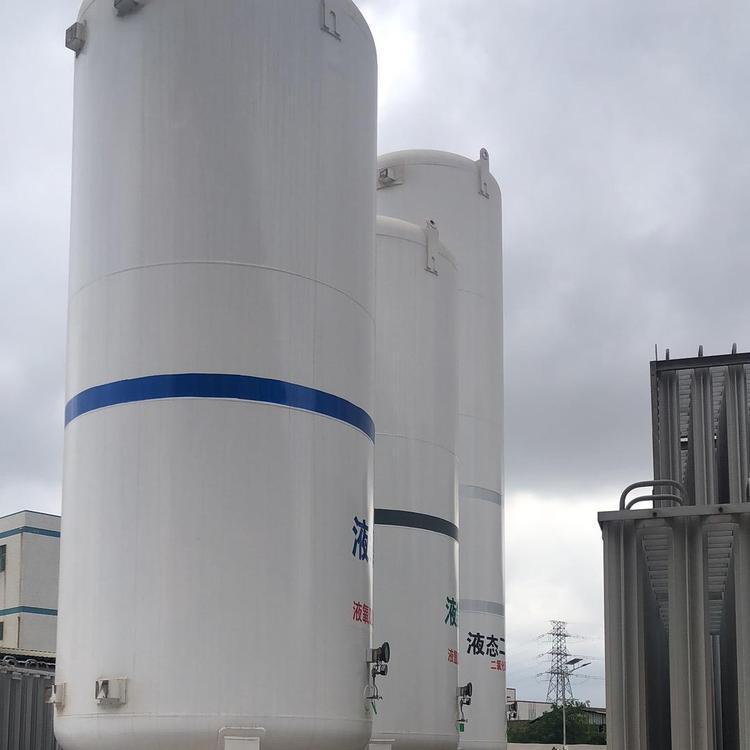
The liquid oxygen tank possesses the following characteristics:
High Purity: The liquid oxygen storage tank contains high-purity liquid oxygen, typically exceeding 99.5% purity. This makes the liquid oxygen storage tank essential for applications requiring high-purity oxygen, such as medical, industrial, and research fields.
Low Temperature: As the boiling point of liquid oxygen is -183°C, liquid oxygen storage tanks must have excellent thermal insulation properties to maintain the low temperature of the liquid oxygen. Tanks are typically designed with double or multi-layer structures, filled with insulating material in between to minimize heat transfer and evaporation of the liquid oxygen.
High Pressure: Liquid oxygen tanks typically need to withstand high pressure to maintain their liquid state. The design and material selection of the tank must consider the pressure requirements of liquid oxygen to ensure the tank's safety and reliability.
Flammability: Liquid oxygen is highly flammable and can support combustion. Therefore, during the design and operation of liquid oxygen storage tanks, fire prevention measures must be implemented to ensure there are no ignition sources nearby, and appropriate fire extinguishing equipment is provided.
High Density: With a higher density, liquid oxygen can store more oxygen than gaseous oxygen in storage tanks. This gives liquid oxygen storage tanks an advantage in applications requiring large amounts of oxygen supply, such as in certain fields.
Corrosiveness: Liquid oxygen has certain properties of corrosiveness.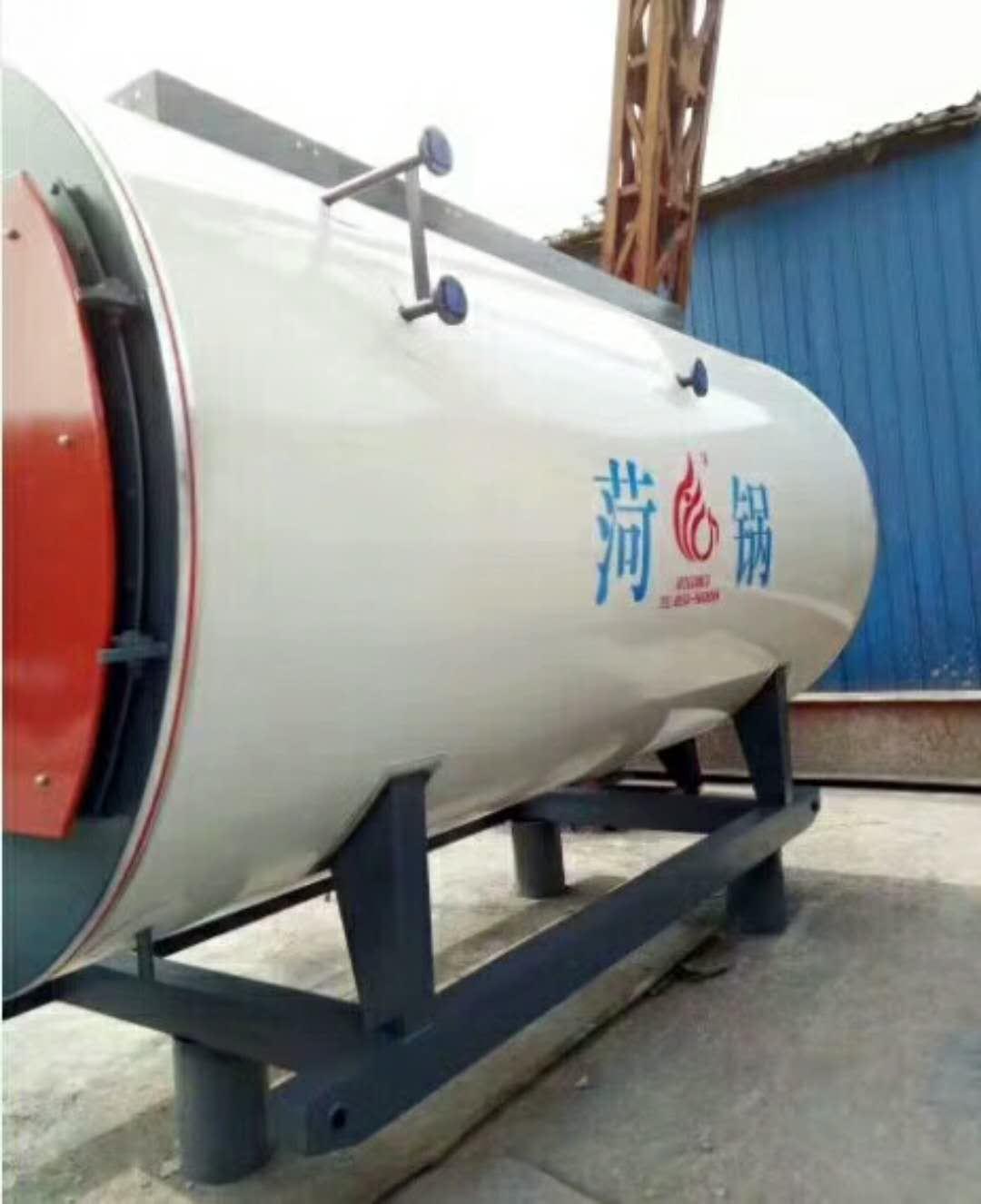
Liquefied nitrogen tanks feature the following characteristics during the construction process:
Low Temperature Construction: The construction of liquid nitrogen tanks must be carried out in low-temperature environments due to the low boiling point of liquid nitrogen, approximately -196 degrees Celsius. Construction personnel must take appropriate protective measures, such as wearing thermal protective clothing and gloves, to protect themselves from low-temperature injuries.
Welding Technology: A substantial amount of welding is required during the manufacturing process of liquid nitrogen tanks, including the bonding of the tank walls, bottom plate, top plate, and weld seams. Welding technology is crucial for the quality and safety of the tanks, necessitating the use of appropriate welding methods and materials to ensure the strength and sealability of the welds.
Insulation Layer Installation: Liquid nitrogen tanks must have excellent insulation properties to reduce heat conduction and maintain low temperatures. The installation of the insulation layer requires materials such as polyester foam and glass wool, ensuring the thickness and quality of the insulation layer.
Proper installation steps for liquid nitrogen tanks are as follows:
Site Preparation: Select an appropriate site for tank installation, ensuring it is level, sturdy, and capable of supporting adequate loads. The site should be kept away from flammable, explosive materials, and other hazardous sources.
Foundation Construction: Construction of the foundation based on the tank's dimensions and weight, including excavation of the foundation pit, casting of concrete foundation, etc. The design and construction of the foundation should comply with relevant standards and regulations.
Tank Installation: Transport the tank to the site and install it vertically. Appropriate lifting equipment and safety measures must be used during the installation process to ensure stability and safety of the tank.
Pipe connections: Connect the storage tank to the relevant pipeline system as required, including intake pipes, exhaust pipes, and liquid supply pipes, etc. Sealing and testing must be conducted during the connection process to ensure the safety of the pipes.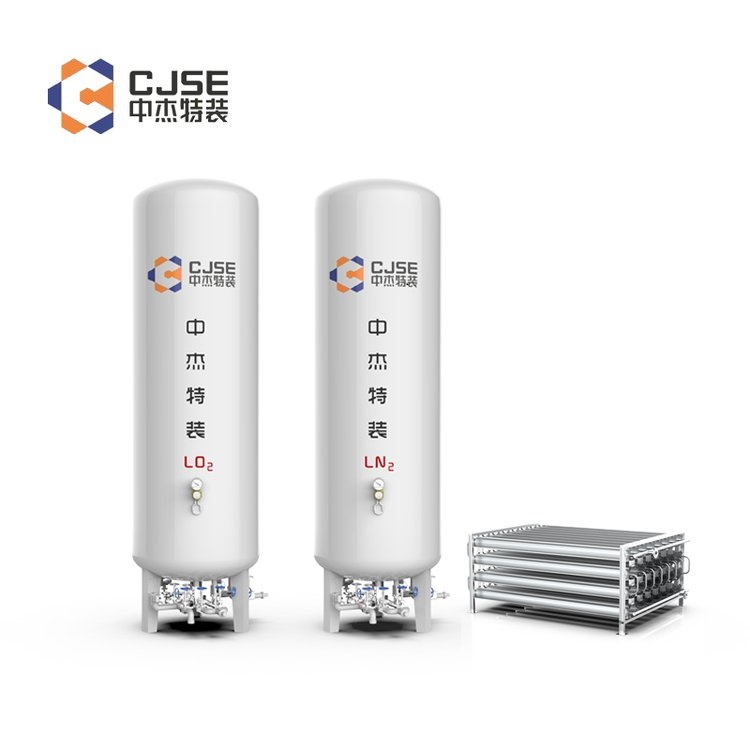
The Zhongjie liquid oxygen storage tank boasts the following significant advantages:
Material: Made of stainless steel, offering excellent corrosion and high-temperature resistance, ensuring the tank's long-term stable operation.
Manufacturing Process: The adopted manufacturing processes and equipment ensure the quality and precision of the tank's construction, meeting all process requirements.
Safety & Reliability: Tanks are designed and manufactured to stringent standards, equipped with safety valves, pressure sensors, and other safety devices to ensure operation within normal working pressure ranges and to handle emergencies.
Energy-saving: Tanks feature optimized insulation design and materials, reducing energy loss and enhancing energy utilization efficiency.
High Capacity: The tank features a large capacity design to meet the storage needs of liquid oxygen for various scales and requirements.
Flexible and Adjustable: The tank features a design that allows for capacity adjustments and expansions to meet actual needs.
Easy to operate and maintain: The tank features a simple and user-friendly interface and control system, facilitating operation and maintenance for operators.
Longevity: The tank boasts excellent durability and corrosion resistance, ensuring long-term stable operation and reducing the frequency of replacements and maintenance.
Environmental Protection & Energy Saving: Tanks are constructed using eco-friendly materials and processes, minimizing environmental impact, and are designed for energy efficiency in operation to reduce energy consumption.
Customized Services: ZJET Custom Liquid Oxygen Tanks offer customized design and services, tailored to meet the specific needs and requirements of clients, ensuring personalized satisfaction.
These advantages make ZheJie Liquid Oxygen Storage Tanks a reliable and safe solution for liquid oxygen storage, widely used in industries, scientific research, and other fields.
Zhong Jie Special Equipment adheres to the great vision of "realizing employees' dreams, creating customer value, and striving for the prosperity and strength of our motherland," and is dedicated to the development of the green energy equipment industry. We offer products and services with high cost-performance to contribute to society!
WeChat Official Account

Scan to follow Official Account



















