


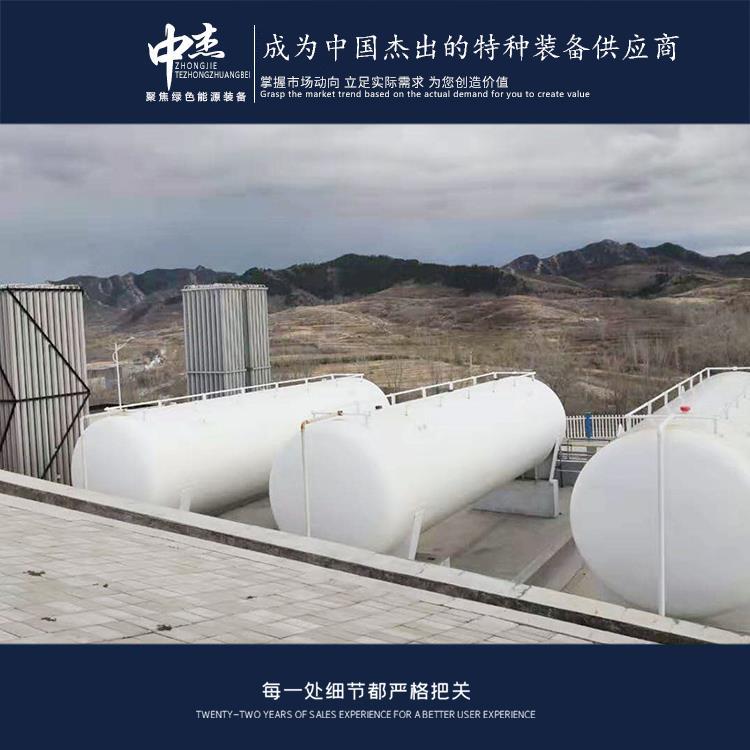

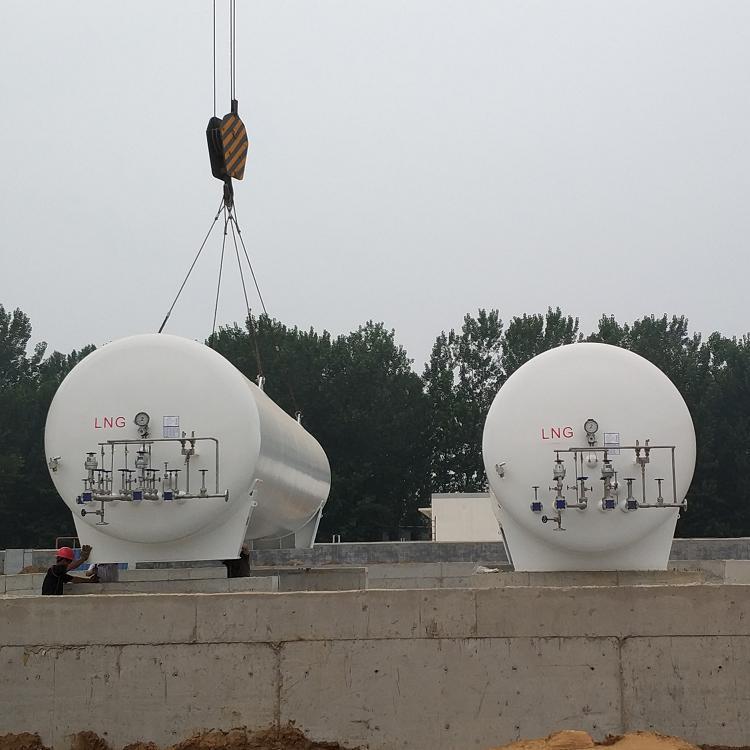
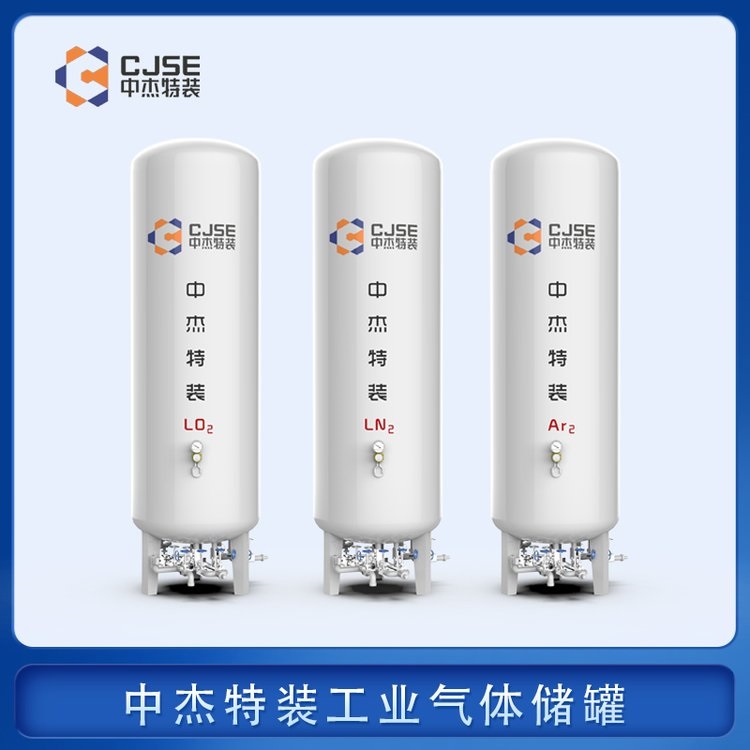


















Shandong Zhongjie Special Equipment specializes in: fuel (gas) boilers, organic heat carrier boilers, biomass boilers, waste heat recovery boilers, and other boiler products; vacuum insulated cryogenic pressure vessels such as LNG storage tanks, oxygen/nitrogen/argon storage tanks, and CO2 storage tanks; pressure vessel products including denitrification engineering equipment, heat storage and energy storage equipment, and complete chemical equipment; as well as central air conditioning and HVAC equipment such as ground (water) source heat pumps, air source units, water-cooled screw chillers, and air-cooled modular units. Planned products include large-scale energy centers, LNG transport vehicles, LNG tank containers, and other green energy equipment.
Before using a CO2 storage tank, certain inspection and filling points must be addressed. Here are some common precautions:
- Inspect the tank exterior: Check for any visible damage, corrosion, or leakage signs. Ensure the tank shell is undamaged.
- Check valves and fittings: Verify that the valves and fittings on the tank are securely fastened and there are no leaks. Ensure proper operation.
- Inspect the pressure gauge: Confirm that the pressure gauge on the tank is functioning correctly and readings are accurate. Replace or repair if abnormal.
- Check the level indicator: Ensure the level indicator on the tank is working correctly and accurately displays the level. Repair or replace if abnormal.
- Inspect the pressure relief device: Check that the pressure relief device (e.g., safety valve) on the tank is functioning properly and the set pressure meets requirements. Repair or replace if abnormal.
- Inspect filling equipment: Verify that the filling equipment (e.g., filling pipes, pumps) is operating correctly with no leaks or blockages. Ensure safety and reliability.
- Filling operations: During the filling process, note the following points:
- Control the filling rate to avoid too fast or too slow.
- Control the filling pressure to prevent exceeding the tank's rated pressure.
- Monitor the level to ensure proper filling.
- Regularly inspect filling equipment and valves to ensure normal operation.
- Safety measures: Adhere to relevant safety regulations and procedures during the filling process. Operators should wear appropriate protective gear, such as static-dissipative clothing, gloves, etc.
- Note that specific inspection and filling points may vary depending on tank type and application. Before using a CO2 storage tank, inspect and operate according to relevant specifications and standards, and consult with experts to ensure safety and effectiveness.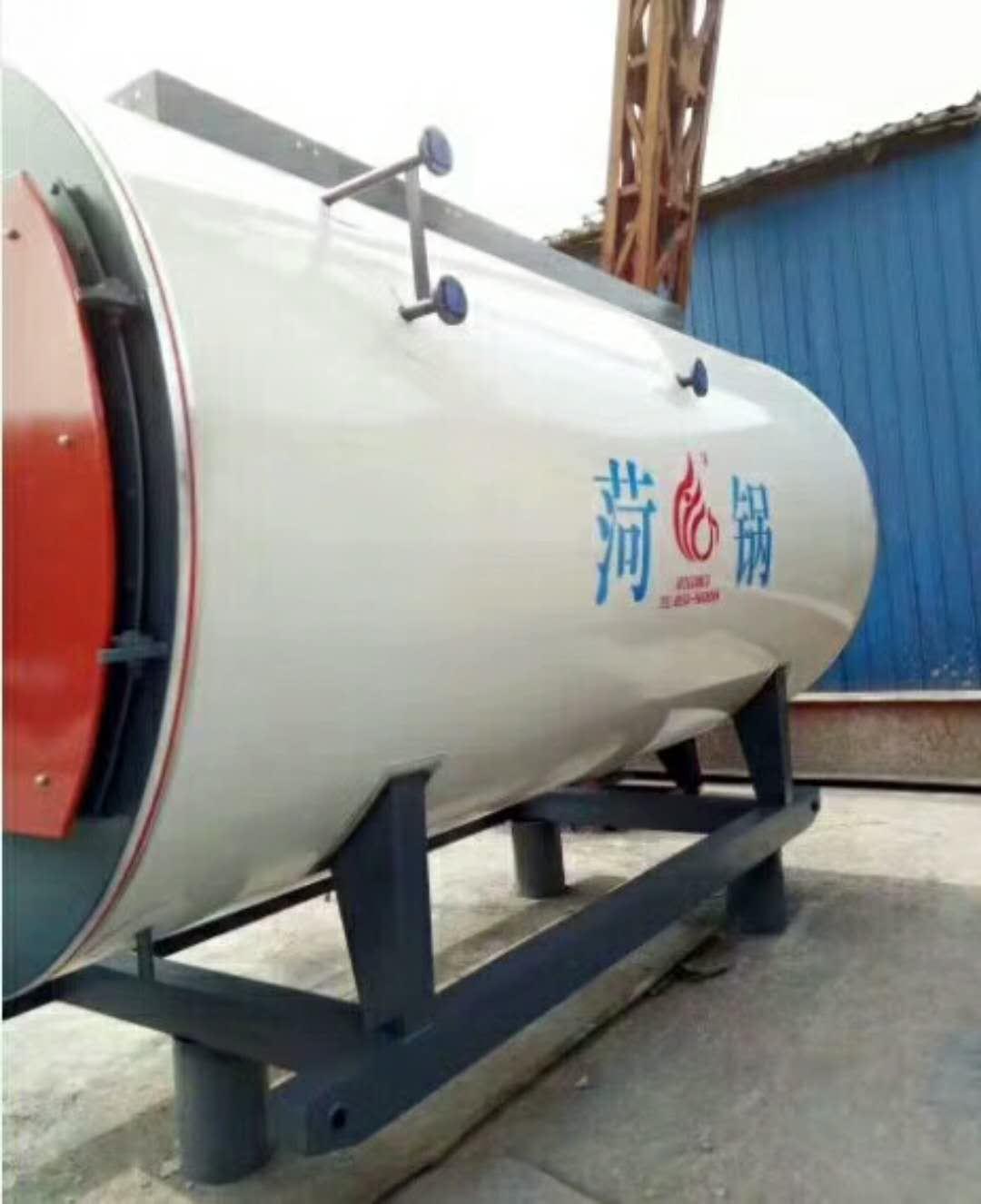
The application standards for liquid carbon dioxide storage tanks mainly include the following aspects: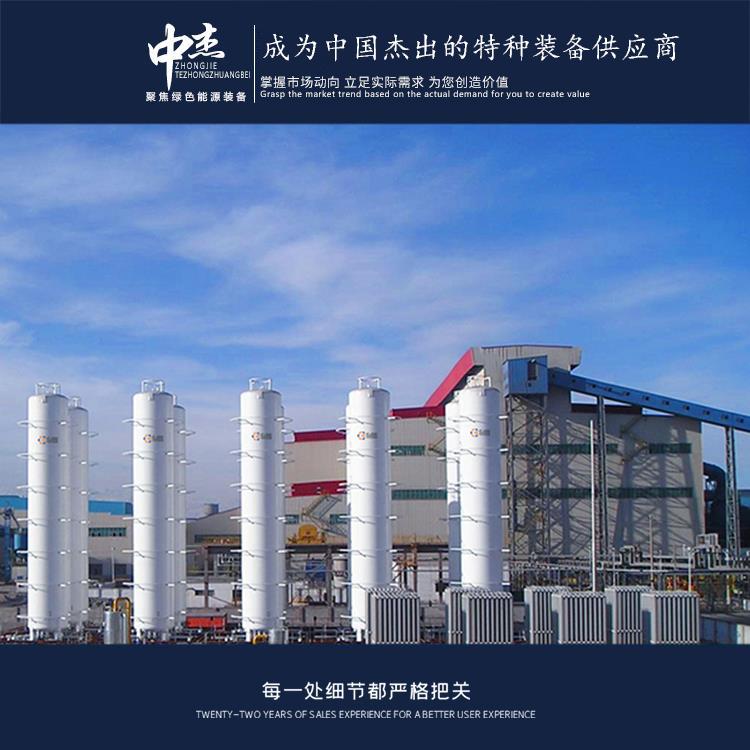
Proper installation of a carbon dioxide storage tank requires the following steps:
Site Preparation: Select an appropriate site for installation, ensuring it is level, stable, and meets safety distance requirements. Clear the site of any obstructions and fire sources.
Foundation Construction: Construct the foundation based on the tank's size and weight. The foundation must have adequate strength and stability to support the tank's weight and pressure.
Tank Installation: Place the tank on the foundation, ensuring there is proper padding and fastening between the tank and the foundation. Connect and secure the tank according to its design specifications.
Pipe Connection: Connect the tank to the piping system as needed. Ensure the connections are sealed properly to prevent leaks.
Safety Equipment Installation: Install the necessary safety equipment for the tank, such as safety valves, pressure sensors, and temperature sensors. Ensure these devices are correctly installed and connected.
System Testing: Conduct system testing after installation, including pressure and leak tests, to ensure the proper operation and safety of the tank and piping system.
Identification and Warning: Set up necessary identification and warning signs on the tank and piping system, including tank capacity and pressure information, to remind operators to be cautious about safety.
Tank Maintenance: After installation, perform regular maintenance and upkeep on the tank, including cleaning, lubrication, and inspections, to ensure normal operation and extend the tank's lifespan.
Installation of carbon dioxide storage tanks should be carried out by qualified installers and follow relevant safety operating procedures and standards. Seek advice and guidance from knowledgeable professionals.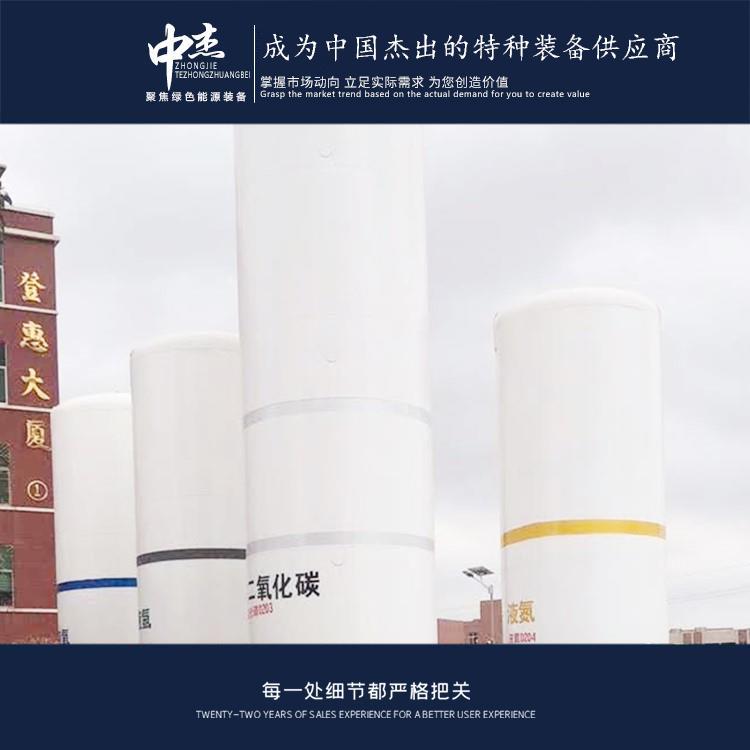
The cooling process for carbon dioxide storage tanks can vary depending on specific application needs and process design. Below is an example of a general cooling process for carbon dioxide storage tanks: Initial Cooling: Upon entering the storage tank, carbon dioxide is typically cooled initially to lower its temperature. This can be achieved by passing the carbon dioxide through a condenser or cooler. The cooling medium can be cold water or refrigerant. Tank Cooling: After carbon dioxide enters the tank, it is necessary to continue cooling the tank itself to maintain the liquid state of the carbon dioxide. This can be done by setting up coolers or cooling pipes externally and circulating the cooling medium (such as cold water or refrigerant). Temperature Control: During the tank cooling process, the temperature inside the tank needs to be controlled to ensure carbon dioxide remains within an appropriate temperature range. This can be achieved through temperature sensors and control systems, which automatically adjust based on the set temperature range. Insulation: To reduce heat transfer and energy loss, tanks are usually insulated. This can be done by setting up insulating materials (such as polyester foam or glass wool) externally to minimize heat conduction. Regular Inspection and Maintenance: In the cooling process of storage tanks, regular inspection and maintenance of cooling equipment and insulation materials are required to ensure proper operation and effectiveness. This includes cleaning coolers and checking the integrity and effectiveness of insulation materials. It should be noted that the specific cooling process for carbon dioxide storage tanks may vary due to different application scenarios and process requirements. In actual practice, process design and operation should be based on specific conditions to ensure the safety and performance of the tank. Consult engineers or storage technicians for more information.
Shandong Zhongjie Special Equipment, welcome customers to visit our factory for business discussions.
WeChat Official Account

Scan to follow Official Account



















