


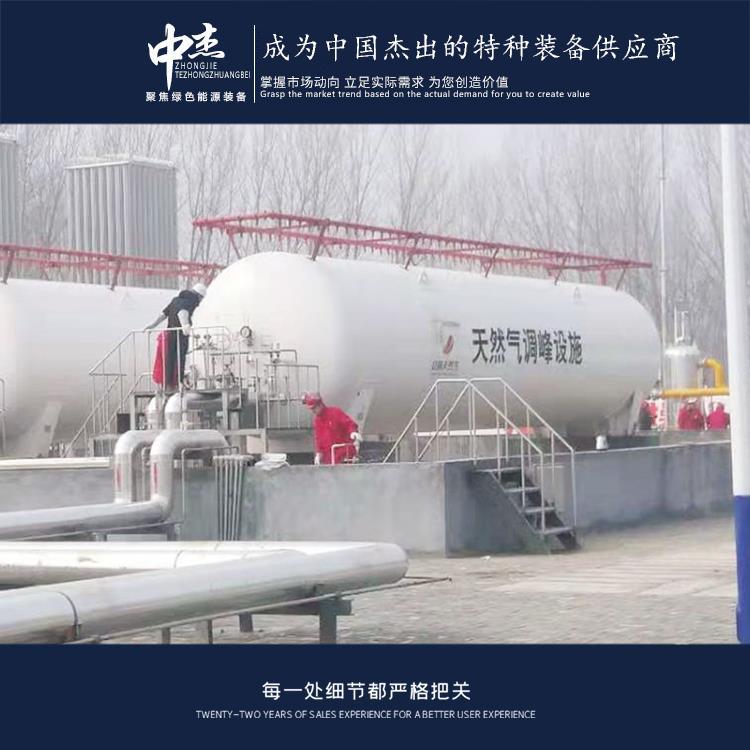

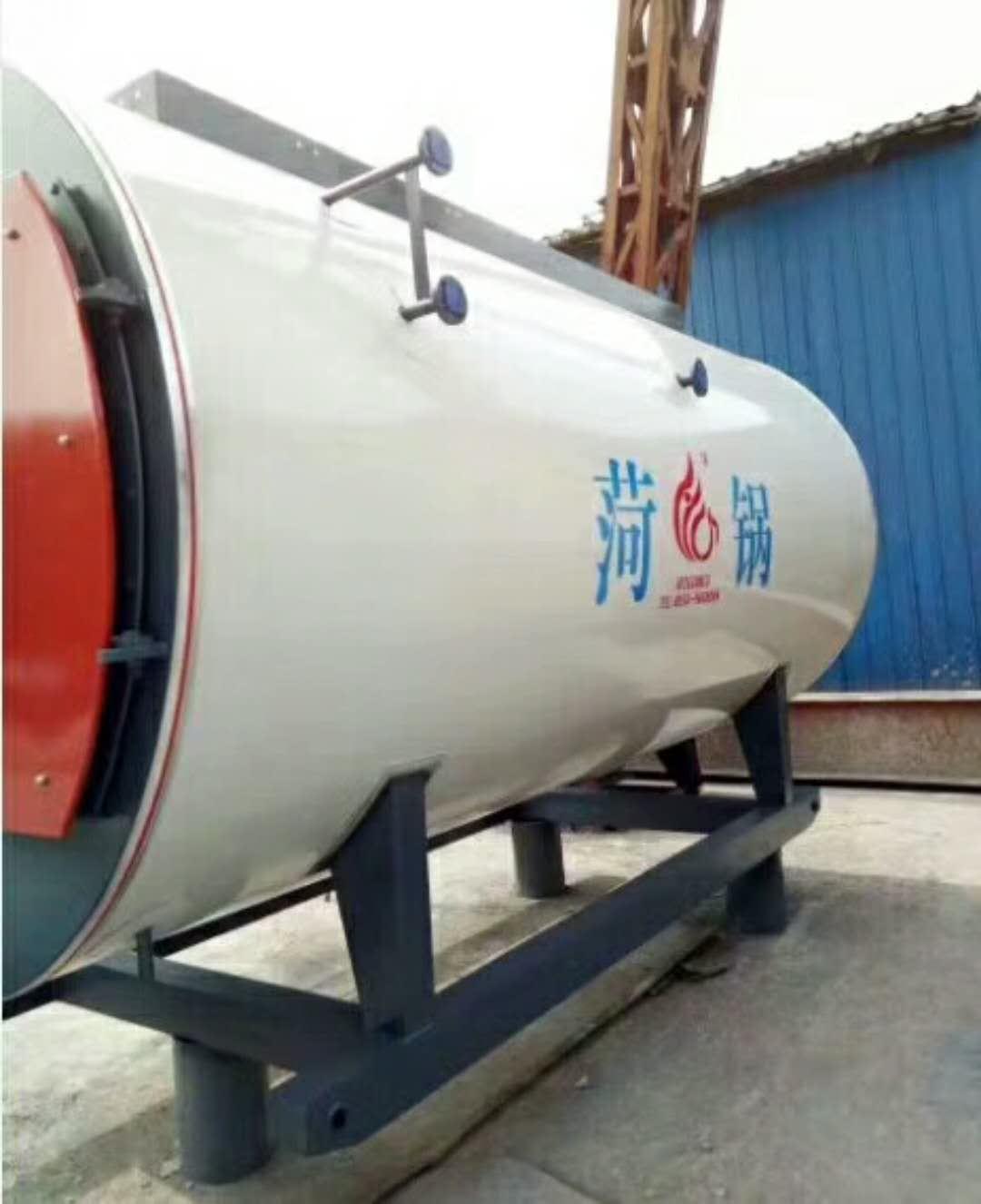


















Shandong Zhongjie Special Equipment Co., Ltd. specializes in the following products: fuel (gas) boilers, organic heat carrier boilers, biomass boilers, waste heat boilers, and other boiler products; vacuum insulation deep-freeze pressure vessels such as LNG tanks, oxygen/nitrogen/argon tanks, and CO2 tanks; pressure vessel products including denitrification engineering equipment, heat storage and energy storage equipment, and complete chemical equipment sets; central air conditioning and HVAC equipment such as ground (water) source heat pumps, air source units, water-cooled screw units, and air-cooled modular units. Planned products include large-scale energy centers, LNG transport vehicles, LNG tank containers, and other green energy equipment.
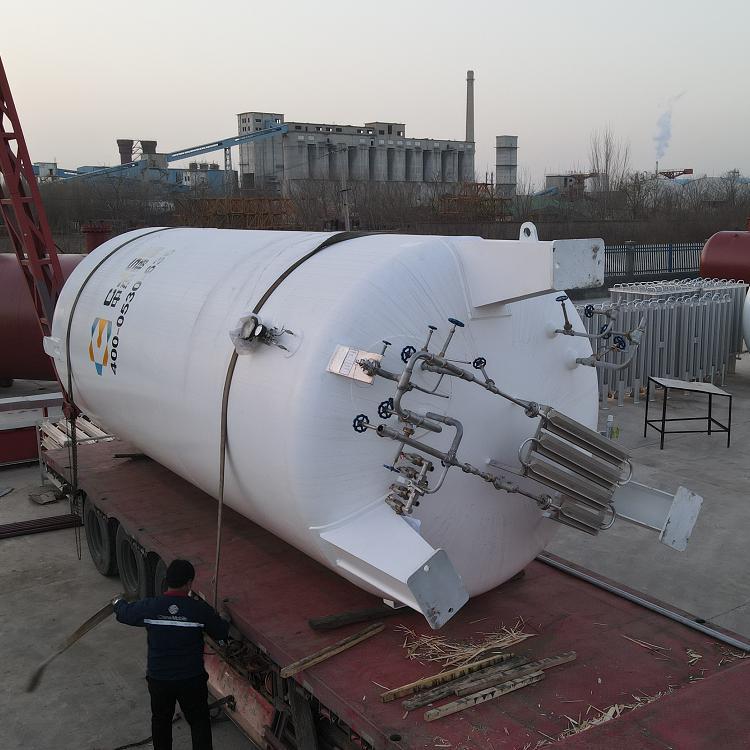
A Carbon Dioxide Storage Tank Pressure Maintenance System is designed to maintain the internal pressure of a CO2 storage tank. As CO2 is in a gaseous state at room temperature, it must be compressed into a liquid form for higher storage density. The primary function of the pressure maintenance system is to monitor and adjust the internal pressure of the tank, ensuring the CO2 remains within a safe and stable pressure range. The system typically consists of the following components:
- Pressure Sensor: Installed inside the tank to monitor pressure in real-time. The sensor transmits pressure signals to the control system.
- Control System: Receives signals from the pressure sensor and controls operations within the predefined pressure range. The system triggers corresponding control measures when the tank's pressure exceeds or falls below the set range.
- Pressure Regulating Valve: Adjusts the pressure inside the tank based on the control system's instructions. When pressure is too high, the valve opens to release some gas to lower it. When pressure is too low, the valve closes to prevent further gas release, thereby increasing the pressure.
- Pressure Reservoir: Usually a pressure vessel used to store additional gas for providing extra pressure support when needed. When the tank's pressure drops, the reservoir releases gas to maintain the internal pressure.
Through the coordinated efforts of these components, the CO2 Storage Tank Pressure Maintenance System ensures the pressure inside the tank remains safe and stable, which is crucial for the normal operation and safety of the tank.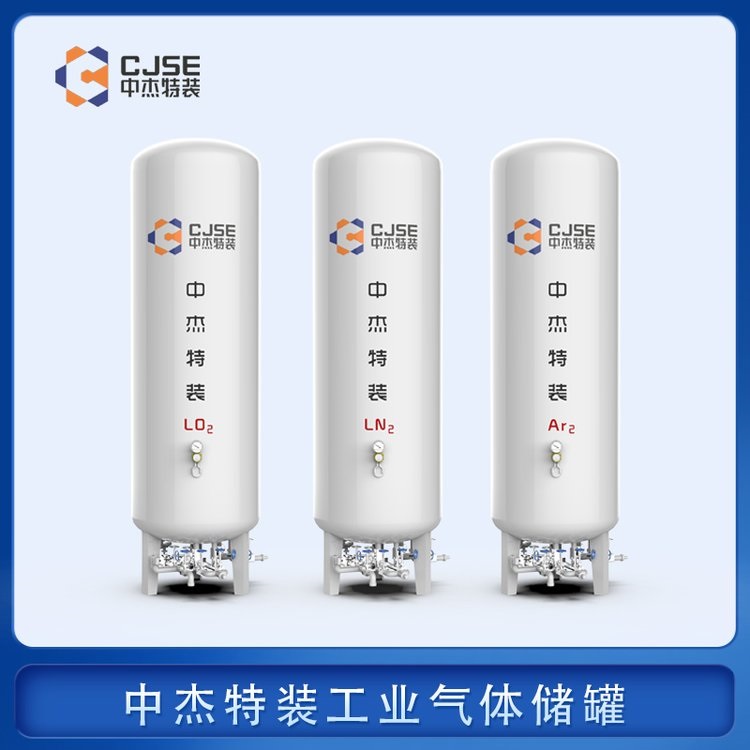
Technical specifications for carbon dioxide storage tanks can be formulated based on different application fields and/or regional standards. Below are some common technical specifications and standards for reference:
ASME Standards: The American Society of Mechanical Engineers (ASME) has issued a series of standards for pressure vessels, including specifications for carbon dioxide storage tanks, such as ASME BPVC Section VIII Division 1 and ASME BPVC Section VIII Division 2.
ISO Standards: The International Organization for Standardization (ISO) has published some standards related to pressure vessels, such as ISO 9809-1 and ISO 9809-2, covering design, manufacturing, and inspection requirements for steel gas cylinders.
GB Standards: The China National Bureau of Standards has issued a series of standards related to pressure vessels, such as GB 150 "Pressure Vessels" and GB 5099 "Steel Gas Cylinders," including design, manufacturing, and inspection requirements for carbon dioxide storage tanks.
DOT Standards: The United States Department of Transportation (DOT) has issued some standards related to pressure vessels and cylinders, such as DOT-3AA and DOT-4BA, covering design, manufacturing, and transportation requirements for liquefied gas storage tanks.
EN Standards: The European Committee for Standardization (CEN) has published some standards related to pressure vessels, such as EN 13445 and EN 14382, covering design, manufacturing, and inspection requirements for liquefied gas storage tanks.
Additionally, there may be other industry standards and specifications applicable to carbon dioxide storage tanks based on specific application needs, such as standards related to the food and beverage industry, and industry-specific standards.
When using carbon dioxide storage tanks, it is essential to select applicable technical specifications according to specific application requirements and local regulations, ensuring that the design, manufacturing, and use of the tanks comply with the respective standards and specifications.
When using carbon dioxide storage tanks, pay attention to the following aspects:
- Safe Operation: Adhere to relevant safety operation procedures and standards, ensuring operators have the necessary safety knowledge and skills. When using the tank, be mindful of preventing leaks, explosions, and fires, among other safety risks.
- Pressure Control: Monitor and control the tank's pressure to ensure it remains within a safe range. Avoid exceeding the tank's rated pressure to prevent破裂 or leakage.
- Level Monitoring: Regularly monitor the liquid level within the tank to ensure an adequate supply of carbon dioxide. Avoid overfilling or underfilling to maintain an appropriate level.
- Static Electricity Measures: Implement anti-static measures to prevent static buildup and discharge. Use anti-static equipment and tools to ensure static safety during operations.
- Tank Maintenance: Regularly inspect and maintain the tank, including its appearance, valves, and connections. Ensure the tank is intact and prevent leaks and damage.
- Emissions Control: Handle the exhaust gases produced by the carbon dioxide storage tank to avoid environmental pollution. Take appropriate emissions control measures, such as collecting and treating exhaust gases.
- Storage Records: Keep records of the tank's usage, including filling dates, quantities, and inspection records. Regularly conduct tank inspections and maintenance and retain relevant records.
- Training and Awareness: Train operators to enhance their awareness and ability to safely operate carbon dioxide tanks. Conduct regular safety training and drills to prepare for emergencies.
- Note: The above are common precautions; specific considerations may vary depending on the type of tank and application. When using carbon dioxide storage tanks, operate according to relevant specifications and standards, and consult with experts to ensure safety and effectiveness.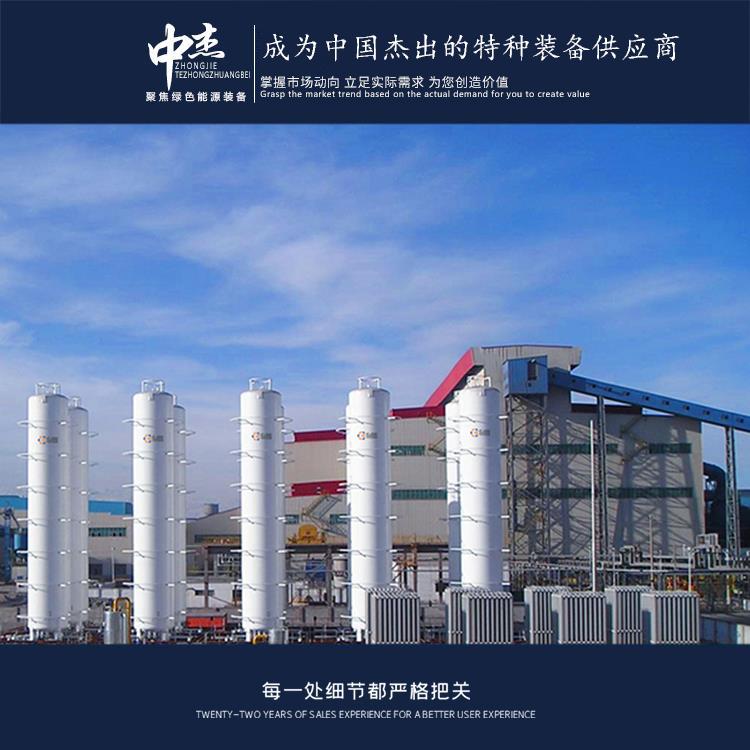
Carbon dioxide tanks can be categorized into various types and structures based on their design and usage:
- Vertical Tanks: Commonly used carbon dioxide tanks, with a cylindrical shape and vertical placement. These tanks typically have larger capacities and are suitable for large-scale storage and supply.
- Horizontal Tanks: Another common type, with a rectangular or cylindrical shape and horizontal placement. Horizontal tanks are generally used for smaller-scale storage and supply, ideal for limited spaces.
- Spherical Tanks: A specialized type with a spherical shape, offering high strength and pressure containment. Spherical tanks are suitable for high-pressure carbon dioxide storage and transportation.
- Vertical Tanks (Small Capacity): Smaller capacity tanks with a cylindrical shape and vertical placement. These are typically used for small-scale storage and supply, such as commercial and residential applications.
- Underground Tanks: A unique structure where carbon dioxide tanks are buried underground. Underground tanks save space, reduce visual impact, and provide enhanced safety and environmental protection.
These tanks are usually constructed from pressure-resistant materials (like carbon steel or stainless steel) with certain thermal insulation properties and accessories such as safety valves, pressure gauges, and level indicators. The interior often features baffles or partitions to separate different liquids or gases. Additionally, safety systems like pressure maintenance systems, leak detection systems, and fire detection systems are also equipped.
ZJ Special Equipment adheres to the great vision of "realizing employees' dreams, creating customer value, and striving for the prosperity and strength of our motherland," and is dedicated to the development of the green energy equipment industry. We offer society products and services with high cost-performance!
WeChat Official Account

Scan to follow Official Account



















