


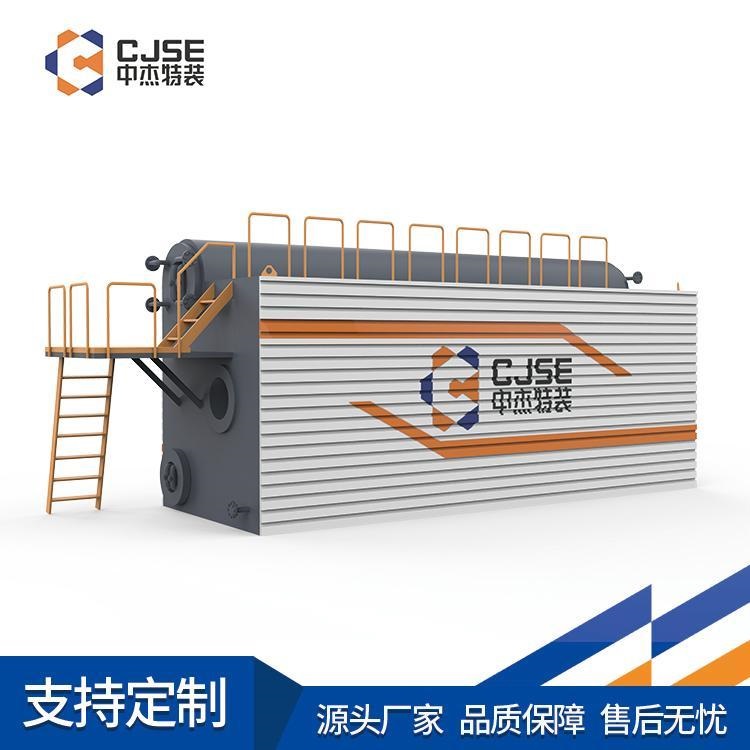

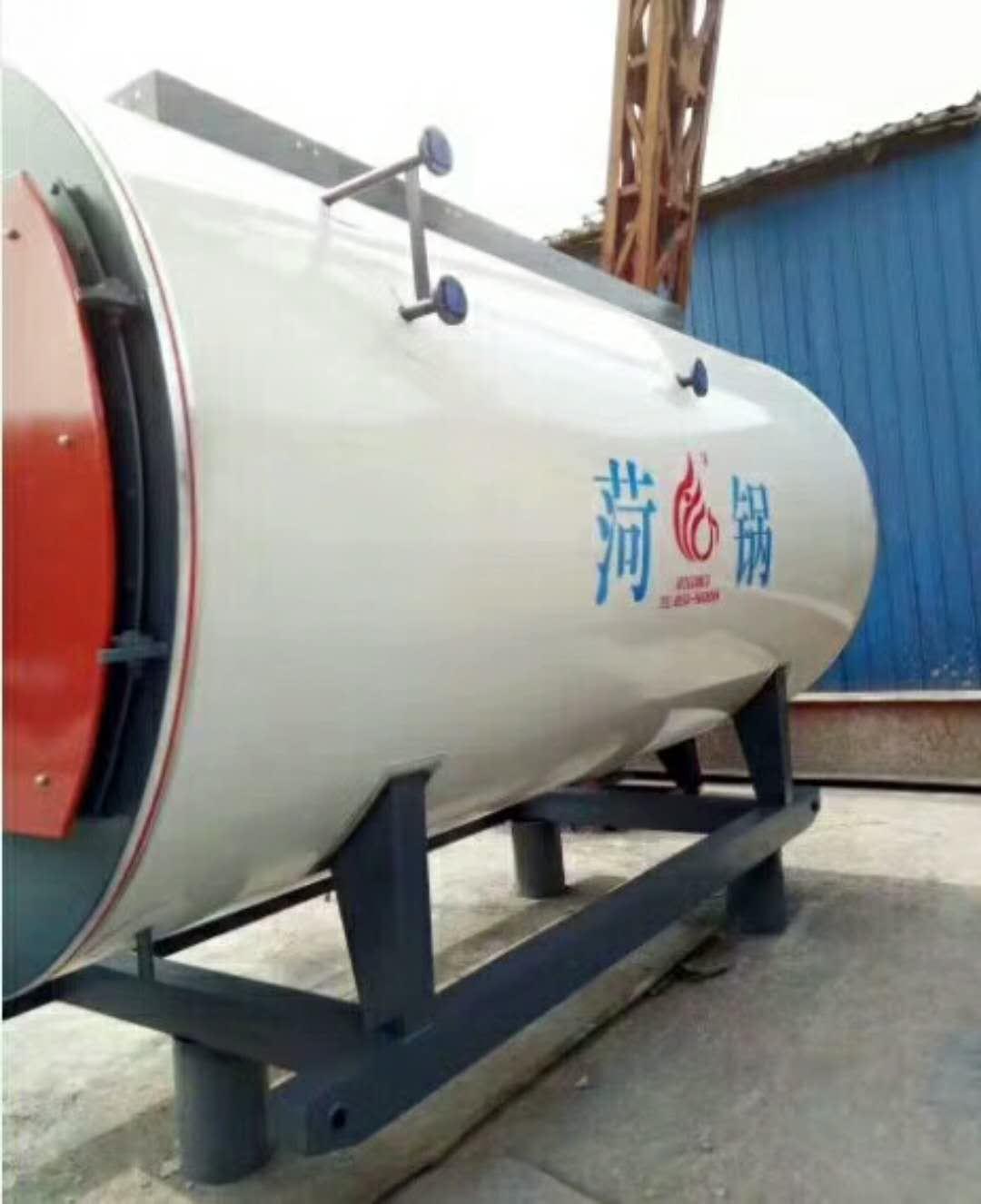
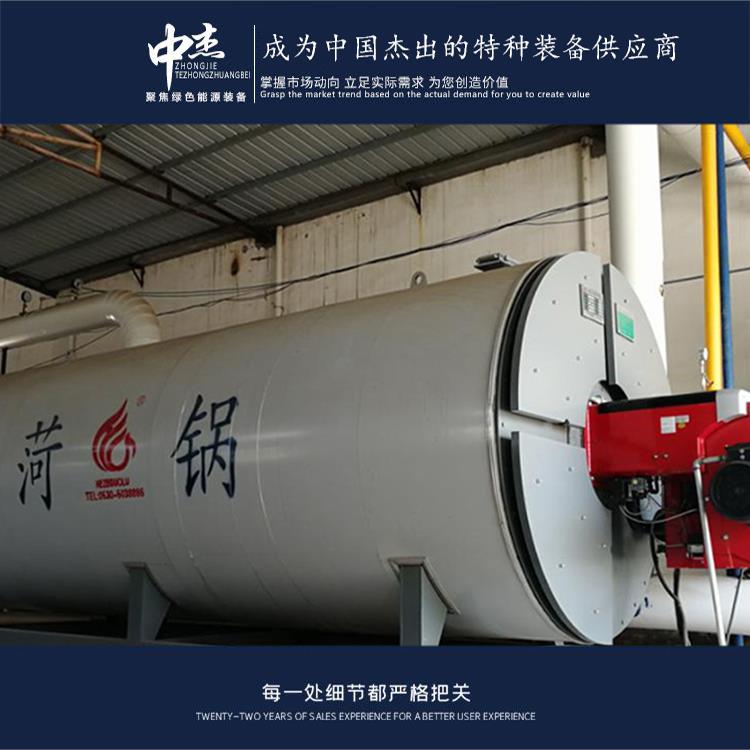


















Shandong Zhongjie Special Equipment (formerly Heze Boiler Factory Co., Ltd.) holds an A-grade boiler manufacturing license, A2-grade pressure vessel manufacturing license, A2-grade pressure vessel design license, B-grade boiler installation license, and GB2/Class and GC2/Class pressure pipeline installation license, as well as an electromechanical equipment installation contracting qualification. It is a member of the China Boiler and Water Treatment Association, the China Chemical Equipment Association, and the理事 member of the Shandong Equipment Manufacturing Association. The company has also passed certifications for the ISO9001 Quality Management System, ISO14001 Environmental Management System, OHSAS18001 Occupational Health and Safety Management System, and the American ASME/U2 certification.
The key to maintaining a hot water boiler is regular maintenance and inspections. Here are some common maintenance steps and precautions:
Clean the burner and flue: Regularly clean the burner and flue to remove soot and dirt, maintaining combustion and heat exchange efficiency. Use cleaning tools and equipment as per the operation manual.
Check water level and pressure: Regularly inspect the water level and pressure of the hot water boiler to ensure safe operation within the specified range. Top up water and adjust pressure to avoid issues caused by low or high water levels.
Inspect water quality: Conduct regular water quality tests to check hardness, alkalinity, oxygen content, and other indicators. Take appropriate water treatment measures based on test results, such as descaling and replenishing missing chemicals, to prevent scale and corrosion damage to the boiler.
Check safety devices: Regularly inspect the safety devices of the hot water boiler, including safety valves, pressure switches, and water level controllers, to ensure normal operation and safe boiler operation.
Inspect the electrical system: Regularly check the boiler's electrical system, including power connections, controllers, and sensors, to ensure proper functioning of electrical equipment and avoid electrical failures.
Regularly drain: Regularly drain wastewater and impurities from the boiler to avoid their impact on the boiler. Develop a reasonable drainage plan based on the boiler's usage and water quality conditions.
Keep records and monitor: Record the boiler's operating parameters, maintenance records, and fault situations, and regularly monitor and analyze them to identify and address issues promptly.
Train operators: Ensure that operators are adequately trained.
Steam boiler drain systems typically include the following components:
Drain Valves: Drain valves are commonly installed on steam boilers to expel water and impurities from within. Usually located at the bottom or side of the boiler, opening the drain valve allows for the removal of wastewater to maintain internal cleanliness.
Drain Pumps: For large steam boilers or situations requiring long-distance wastewater discharge, drain pumps may be used. These pumps can extract wastewater from the boiler and transport it through pipes to designated discharge points.
Automatic Drain Systems: Some steam boilers are equipped with automatic drain systems. These systems can automatically expel wastewater from the boiler based on set time intervals or wastewater concentration, enhancing the efficiency and accuracy of draining.
Wastewater Treatment Equipment: In certain cases, steam boilers may require wastewater treatment equipment. These devices process the discharged wastewater to remove impurities and pollutants, meeting environmental protection requirements.
It is important to note that the selection and use of steam boiler drain systems should be determined by the specific type, size, and operating environment of the boiler. When using drain systems, it is necessary to follow relevant operational procedures and safety requirements to ensure a safe and effective draining process.
The purpose of deoxygenation in industrial boiler feed water is to reduce oxygen corrosion and bubble formation within the boiler, ensuring the safety and proper operation of the boiler and pipeline system. The main methods of deoxygenation include:
1. Mechanical Deoxygenation: Removing oxygen from water through physical means. Common mechanical deoxygenation equipment includes deaerators and degassers. Deaerators remove oxygen by atomizing water into a thin film, utilizing the difference in gas solubility. Degassers, on the other hand, remove oxygen by atomizing water into fine droplets, also taking advantage of the difference in gas solubility.
2. Thermal Deoxygenation: Removing oxygen from water by heating the water body, utilizing the property that oxygen solubility decreases with increasing temperature. Common thermal deoxygenation equipment includes deaerator pots and deaerators. Deaerator pots release oxygen from water by heating it to saturation temperature. Deaerators heat the water to lower its oxygen solubility, thereby removing oxygen.
3. Chemical Deoxygenation: Removing oxygen from water by adding chemicals that react with it, thus eliminating oxygen. Common chemical deoxygenating agents include salts and reducers. Chemical deoxygenation is often used in high-pressure boiler systems and can effectively remove oxygen from water.
The choice of deoxygenation method and the selection of equipment depend on the specific boiler system and water quality. In practical applications, a combination of deoxygenation methods is often used to achieve the desired deoxygenation effect. The selection and operation of deoxygenation equipment should be assessed and adjusted based on actual conditions to ensure the safety and proper operation of the boiler system.
A gas boiler is a type of boiler equipment that uses gas or similar fuels. It generates heat by burning gas to heat water into steam or hot water, used for heating, hot water supply, or industrial production, among other applications. The working principle of a gas boiler involves mixing gas with air, igniting the mixture, and creating high-temperature combustion gases. These gases then transfer heat to the water through a heat exchanger, raising the water temperature. Gas boilers offer environmental protection, safety, and other advantages and are widely used in residential, commercial, and industrial fields.
Our company highly values technological innovation and R&D design. We possess 1 municipal-level enterprise technology center in Heze City, equipped with non-destructive testing, physical and chemical testing, welding testing, hydrostatic testing, and other testing facilities. We have over 600 types of equipment, including CNC machine tools, X-ray flaw detectors, digital ultrasonic flaw detectors, mechanical property testing machines, chemical analyzers, spectrometers, tensile testing machines, plasma welding machines, and more. Our key products such as temperature and pressure vessel welding, biomass boiler emission reduction, and waste heat recovery have successively been selected for multiple Shandong Provincial Department of Industry and Information Technology science and technology projects, key projects in Shandong Province, and Heze City innovative excellence projects. We have accumulated 27 authorized utility models, 16 authorized inventions, participated in drafting 2 standards, 2 industry standards, and registered 15 trademarks. The technical team, in collaboration with Professor Yajiang Li of Shandong University, has developed deep cryogenic container processing technology using the international plasma arc + filler wire tungsten inert gas (PAW-GTAW) welding technology. The provincial-level scientific and technological achievement identification has confirmed that our technology level in deep cryogenic container manufacturing has reached an international standard.
Choose Jietze Customization, let's join hands to create brilliance!
WeChat Official Account

Scan to follow Official Account



















