


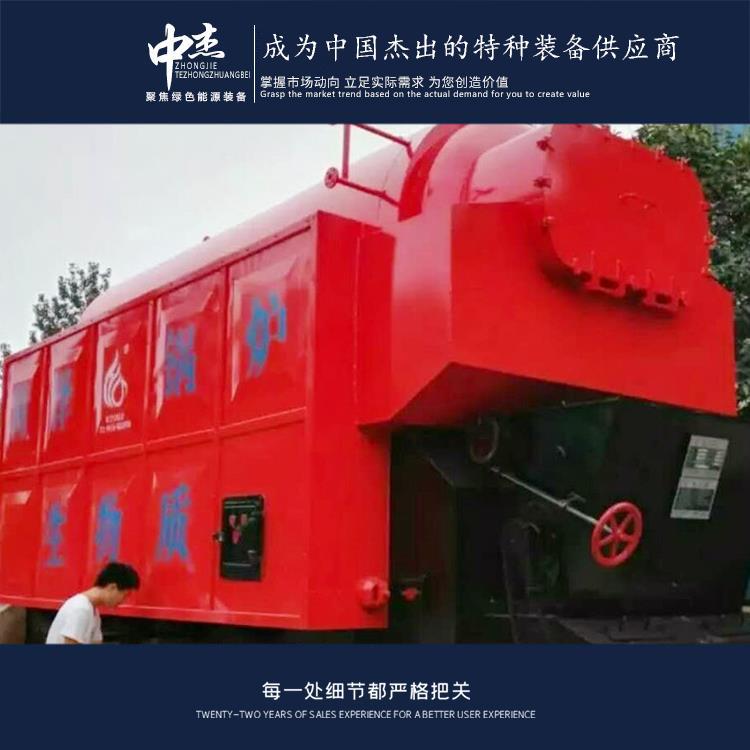

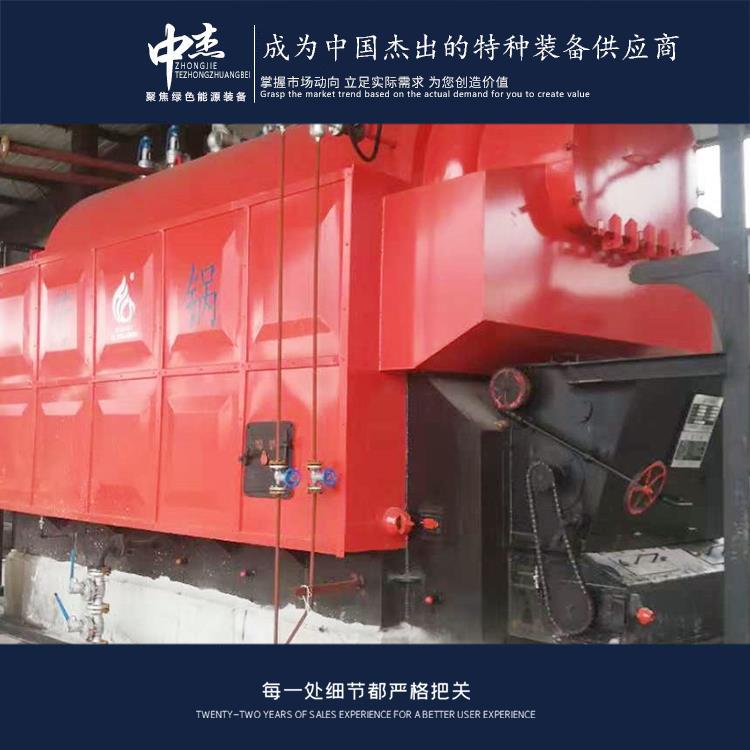
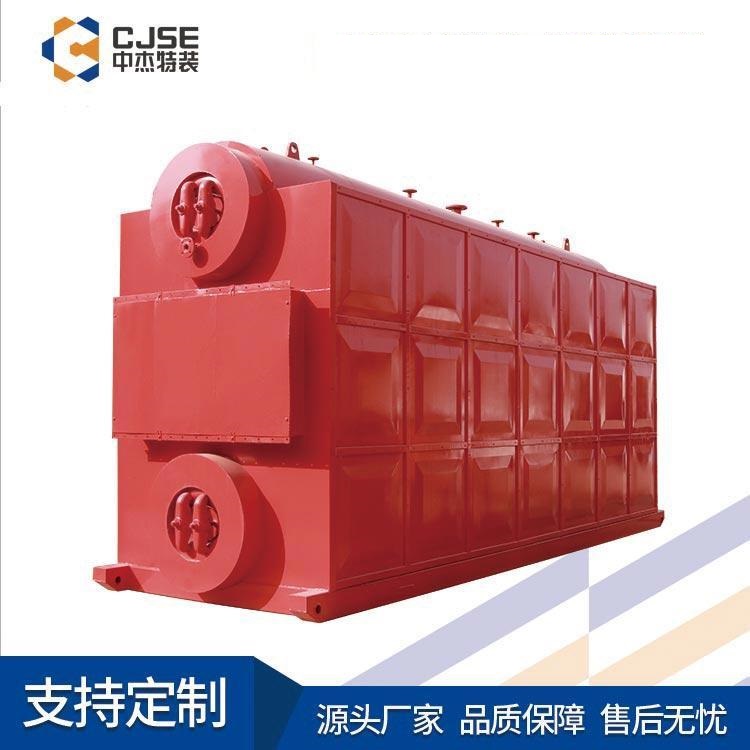


















Shandong Zhongjie Special Equipment (formerly Heze Boiler Factory Co., Ltd.) holds an A-grade boiler manufacturing license, an A2-grade pressure vessel manufacturing license, an A2-grade pressure vessel design license, a B-grade boiler installation license, and GB2/GB3-grade pressure pipeline installation licenses, as well as a qualification for electromechanical equipment installation contracting. It is a member of the China Boiler and Water Treatment Association, the China Chemical Equipment Association, and a director unit of the Shandong Equipment Manufacturing Association. The company has also passed certifications for the ISO9001 Quality Management System, ISO14001 Environmental Management System, OHSAS18001 Occupational Health and Safety Management System, and the American ASME/U2 certification.
Biomass boilers offer the following advantages:
Renewable Energy: Biomass boilers utilize biomass fuels such as wood chips and straw, which are renewable and can be obtained through planting and regeneration cycles. These fuels have lower carbon emissions compared to fossil fuels.
Environmental Protection and Low Carbon: The carbon dioxide produced during biomass combustion can be absorbed by plants, forming a cycle and reducing the burden on the atmosphere. At the same time, emissions and pollutants during biomass combustion are relatively low, with minimal environmental impact.
Resource-rich: Biomass fuel sources are diverse, including crop straw, forest residues, and industrial by-products, with relatively abundant resources and a low risk of depletion.
High thermal efficiency: The biomass boiler's combustion technology and heat recovery system enable high thermal energy conversion and utilization, enhancing energy efficiency.
Versatility: Biomass boilers are not only suitable for heating but also for hot water supply and industrial heating in various applications.
However, biomass boilers do have some drawbacks:
Fuel supply is unstable: The supply of biomass fuel is affected by factors such as seasons, regions, and crop yields, which may lead to instability in supply.
Particulates produced by combustion: A certain amount of particulates are generated during biomass combustion, which can affect air quality. These need to be treated through flue gas purification equipment.
Fuel handling and storage costs: Biomass fuel requires pretreatment, drying, and storage, which may increase costs and complexity.
High technical requirements: Biomass pot
Biofuel boilers may produce scale during operation, affecting their thermal efficiency and operational stability. Here are several methods to reduce scale in biofuel boilers:
Fuel Pre-treatment: Pre-treat biomass fuel, such as drying and sieving. Reducing the moisture and impurity content of the fuel can help minimize the formation of soot.
Combustion Control: Utilizes a combustion control system that monitors and adjusts parameters such as temperature and oxygen content in real-time during the combustion process. By optimizing combustion parameters, incomplete fuel combustion can be reduced, thereby minimizing soot generation.
Clean Combustion Chamber: Regularly clean the soot inside the combustion chamber, including the walls and internal accumulation. Regular cleaning prevents soot buildup and maintains the chamber's unobstructed flow.
Regularly Clean Heat Exchangers: Biomass boiler heat exchangers are prone to scale buildup, affecting heat transfer efficiency. Regular cleaning of heat exchangers removes dirt and dust, enhancing their heat transfer efficiency.
Water Treatment: The quality of water in biomass boilers also affects the formation of scale. Implementing appropriate water treatment measures, such as water softening and deoxygenation, can reduce the formation of scale and sediment.
Regular Maintenance: Regular maintenance of biomass boilers includes cleaning, inspection, and replacement of parts. Early detection and resolution of issues can minimize the formation and accumulation of dirt.
By integrating these measures, effectively reducing scale formation in biomass boilers can be achieved, maintaining their operation and stability.
When using biomass boilers, here are some common usage methods and precautions:
Operation Manual: First, carefully read and understand the biomass boiler's operation manual. The manual will provide detailed instructions and guidance on safe operation, ignition, fuel supply, and combustion adjustment.
Fuel Selection: Choose appropriate biomass fuels such as wood chips, straw, wheat straw, fruit shells, etc. Ensure the fuel quality is good, dry, and free of impurities to guarantee optimal combustion and the normal operation of the boiler.
Ignition Procedure: Follow the instructions in the operation manual for ignition. Typically, you will need to activate the igniter or ignition device, ensure a sufficient fuel supply, and adhere to safety operating procedures.
Combustion Adjustment: Adjust combustion parameters such as fuel supply, oxygen supply, and combustion temperature based on the boiler's operating status and requirements. Adjustments can be made according to the instructions in the operation manual, using the control panel or an automated control system.
Cleaning and Maintenance: Regularly clean and maintain biomass boilers, including the combustion chamber, flue, and heat exchanger components. Ensure the boiler's combustion efficiency and safety.
Safety Precautions: When using biomass boilers, please observe the following safety guidelines: Ensure adequate ventilation around the boiler to prevent smoke accumulation from combustion; Regularly inspect and replace key components such as burners and valves; Adhere to the safety operating procedures in the manual to avoid accidents caused by operation errors.
Please note that the above information is general in nature regarding usage methods and precautions. Specific usage and operational details may vary depending on the model and manufacturer of biomass boilers. Therefore, it is recommended to carefully read and follow the manufacturer's operation manual and guidelines before using a biomass boiler.
To prevent incidents of secondary combustion at the tail end of biomass boilers, the following operational measures can be taken:
Properly Adjust Combustion Parameters: Ensure the stability and completeness of the combustion process, preventing fuel accumulation and secondary combustion in the tail section. Reasonably control parameters such as combustion temperature, air flow, and combustion time to maintain a smooth and thorough combustion process.
Enhance mixing and air flow distribution within the furnace: By optimizing furnace structure and combustion system design, ensure thorough mixing of fuel and air, avoiding fuel accumulation and secondary combustion in the tail-end area. Rationally design the air flow distribution within the furnace to ensure even combustion of fuel.
Regular cleaning of furnace and flue: Regularly remove ash and carbon buildup from the furnace to maintain cleanliness. Clean the flue and waste heat recovery equipment to prevent particle accumulation and ash in flue gases, reducing the risk of re-burning.
Install Flue Gas Recirculation Unit: Install a flue gas recirculation unit at the rear of the boiler to reignite the exhaust flue gas, enhancing combustion efficiency, and reducing the likelihood of secondary combustion at the rear.
Enhanced Operation Monitoring and Maintenance: Regularly monitor and maintain biomass boilers to promptly identify and address any anomalies. Monitor combustion parameters, flue gas emissions, and temperatures, ensuring the boiler operates smoothly.
Ensure safety training and operational procedures: Conduct safety training for operators to enhance their understanding of biomass boiler operation and safety protocols.
Shandong Zhongjie Special Equipment, welcome customers to visit our factory for business negotiations.
WeChat Official Account

Scan to follow Official Account



















