


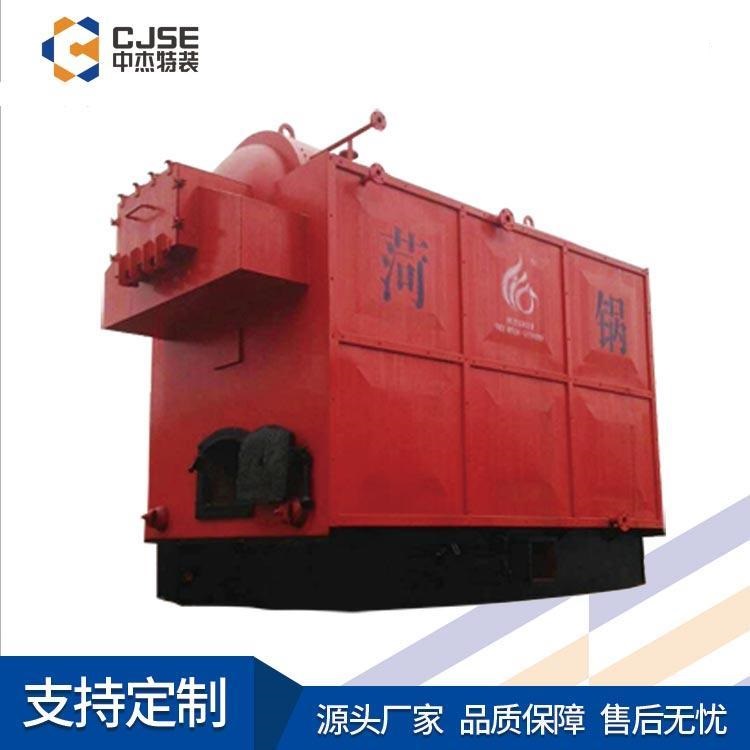

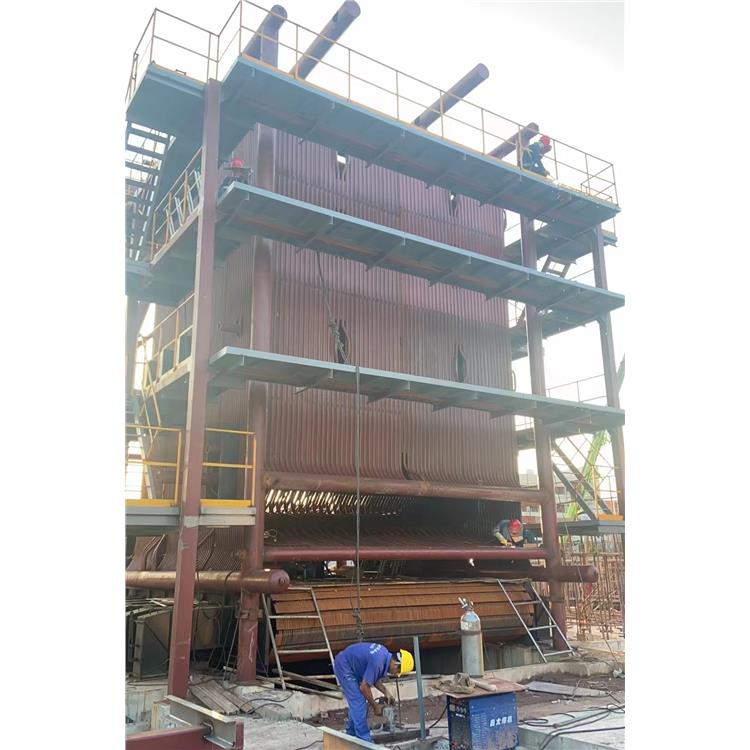
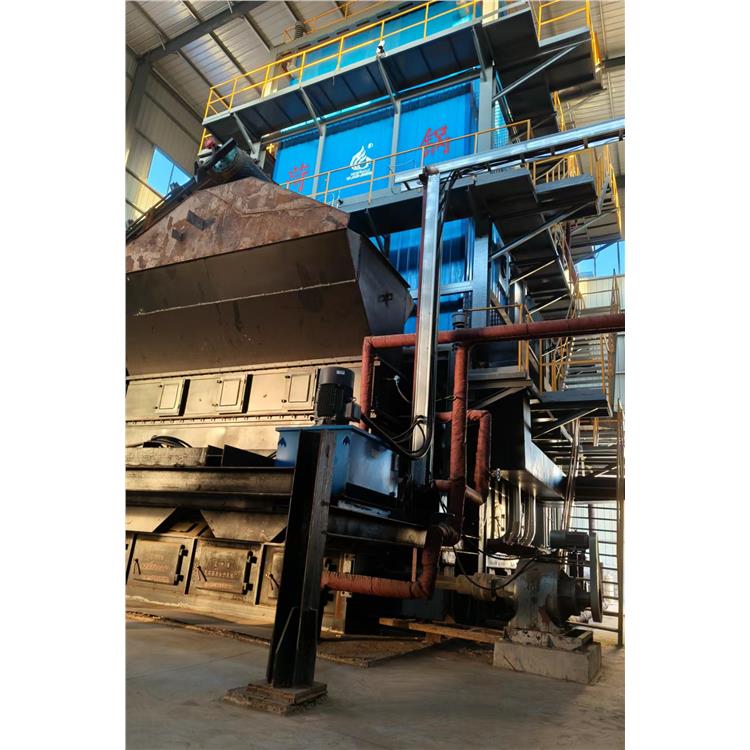


















Shandong Zhongjie Special Equipment Co., Ltd. specializes in: fuel (gas) boilers, organic heat carrier boilers, biomass boilers, waste heat boilers, and other boiler products; vacuum insulated cryogenic pressure vessels such as LNG tanks, oxygen/nitrogen/argon tanks, and CO2 tanks; pressure vessel products including denitration engineering equipment, heat storage and energy storage equipment, and complete chemical equipment; central air conditioning and heating ventilation equipment such as ground (water) source heat pumps, air source units, water-cooled screw units, and air-cooled modular units. Planned products include large-scale energy centers, LNG transport vehicles, LNG tank containers, and other green energy equipment.
Biomass boilers feature the following characteristics:
Renewable Energy: Fuel for biomass boilers comes from organic matter such as plants, animals, and microorganisms, making it a renewable energy source. Compared to traditional fossil fuels, biomass fuel has lower carbon emissions and a reduced environmental impact.
Diverse Fuel Sources: Biomass fuel sources are abundant, encompassing wood, straw, waste crops, food scraps, and urban solid waste, among others. This diversity in fuel sources allows biomass boilers to be flexible and adaptable, utilizing waste and by-products from plants and animals.
Environmental Friendliness: The carbon dioxide produced during biomass combustion can be absorbed by plants, forming a cycle that reduces air pollution. Additionally, the emissions and ash produced during the combustion process of biomass boilers are relatively low, resulting in minimal environmental impact.
Energy Security: Biomass, as a native renewable energy source, can reduce dependence on imported energy and enhance energy security. In regions with scarce resources, the use of biomass boilers can provide a reliable energy supply.
Economic Efficiency: Biomass fuel is relatively cost-effective, which can reduce energy costs. Moreover, the technology and equipment for biomass boilers are continuously evolving and maturing, making them more economically competitive.
In summary, biomass boilers feature renewable energy, diverse fuel sources, environmental friendliness, energy security, and cost-effectiveness, making them a key component in the sustainable energy sector.
Many factors can affect the thermal efficiency of biomass boilers; the following is an analysis of some common factors:
Fuel Quality: The quality of biomass fuel directly impacts the combustion process and thermal efficiency. Characteristics such as fuel moisture, ash content, and volatile content can affect the stability and efficiency of combustion. A higher quantity of fuel can enhance combustion efficiency and reduce energy loss.
Combustion System: The design and operational status of the combustion system significantly impact thermal efficiency. A well-designed combustion system ensures complete combustion and utilization of fuel. Adjusting parameters such as combustion air volume, temperature, and time can optimize the combustion process and enhance thermal efficiency.
Excess Air: Excess air can lead to incomplete fuel combustion and energy waste. Properly controlling the air supply during the combustion process and preventing excess air from entering the furnace can improve combustion efficiency.
Temperature Control: Proper temperature control of the boiler is crucial for thermal efficiency. Reasonably controlling parameters such as water temperature and steam temperature can prevent excessive or low temperatures, thereby improving thermal efficiency.
Cleaning and Maintenance: Regularly clean and maintain boiler equipment, including the ash and soot in the furnace chamber, to maintain the efficiency of heat exchange and reduce thermal resistance and loss.
Flue Gas Waste Heat Recovery: By utilizing waste heat recovery devices such as economical air preheaters and economizers, the waste heat in flue gas can be recovered and utilized, thereby improving the boiler's thermal efficiency.
Boiler design and equipment selection: Rational boiler design and selected equipment, such as burners, high
Biomass boilers can be categorized according to different classification criteria. The following are some common ways of categorization:
By combustion method classification:
Direct Combustion Boilers: Directly burn biomass fuel to generate heat energy.
Gasification Boiler: Converts biomass fuel into combustible gas and then burns it.
Pyrolysis Boiler: Converts biomass fuel into combustible gases and solid carbon through pyrolysis, which is then combusted.
By fuel type:
Wood biomass boiler: Utilizes wood chips, wood shavings, cassava residue, and other wood-based fuels.
Crop biomass boiler: Utilizes crop residues such as straw, rice husk, wheat straw, etc., as fuel.
Industrial waste biomass boiler: Utilizes industrial waste such as sawdust and pulp sludge as fuel.
Categorized by boiler type:
Water-tube biomass boiler: The combustion chamber is equipped with water pipes, which transfer heat energy.
Fire-tube biomass boiler: The combustion chamber is equipped with fire tubes, which transfer heat energy.
Hybrid biomass boiler: Combines the features of both water-tube and fire-tube designs, incorporating both water tubes and fire tubes.
By power scale classification:
Small biomass boilers: Power ratings typically range from 1 to 10 MW, suitable for small buildings and rural heating applications.
Medium-sized biomass boiler: Power typically ranges from 10 to 50 MW, suitable for medium-sized industrial factories and large buildings.
Large Biomass Boilers: Over 50MW capacity, suitable for large industrial plants and centralized heating.
These categorization methods merely provide a general overview of biomass boilers; in reality, there are more detailed and combined forms. Different types of biomass boilers may vary in application scenarios and technical characteristics.
The causes of slagging in biomass boilers can be attributed to the following aspects:
Fuel Characteristics: Ash content and ashing properties in biomass fuel are the primary factors causing coking. Ash is the non-combustible inorganic matter in biomass fuel. When burned, ash accumulates in the furnace chamber and forms slag. Fuel with high ash content tends to produce a large amount of slag, while fuel with lower ashing temperatures is prone to coking in the furnace.
Combustion Temperature: Combustion temperature is a significant factor affecting biomass boiler fouling. Too low combustion temperature can lead to incomplete fuel combustion and insufficient melting of ash, increasing the likelihood of fouling.
Air Supply: Insufficient or excessive air supply can affect the combustion process and fouling of biomass boilers. Too little air supply leads to incomplete combustion of fuel, producing a large amount of solid residue and increasing the risk of fouling. On the other hand, too much air supply can lower the combustion temperature, extend the fuel's residence time in the furnace, and also increase the likelihood of fouling.
Furnace Design: The design of the furnace significantly impacts the combustion process and coking conditions. The distribution of air flow and temperature within the furnace affects fuel combustion and ash discharge. An不合理 furnace design can lead to prolonged fuel residence time within the furnace, increasing the risk of coking.
Ash Cleaning System: The performance and operation of the ash cleaning system also affect the slagging condition of biomass boilers. Regular cleaning of the ash inside the furnace is required.
Our company places great emphasis on technological innovation and R&D design. We have one municipal-level enterprise technology center in Heze City, equipped with non-destructive testing, physical and chemical testing, welding testing, hydrostatic testing, and other testing facilities. We have over 600 types of equipment, including CNC machine tools, X-ray flaw detectors, digital ultrasonic flaw detectors, mechanical property testing machines, chemical analyzers, spectrometers, tensile testing machines, plasma welding machines, and more. The key products we have developed, such as welding technology for temperature and pressure vessels, emissions reduction for biomass boilers, and waste heat utilization, have successively been included in multiple Shandong Provincial Department of Industry and Information Technology science and technology projects, Shandong key projects, and Heze City innovation and excellence projects. We have cumulatively obtained 27 authorized utility model patents, 16 authorized invention patents, participated in drafting 2 standards, 2 industry standards, and registered 15 trademarks. The technical team of our company, in collaboration with Professor Li Yajiang of Shandong University, has jointly developed deep cryogenic container processing technology, utilizing the international plasma arc + filler wire tungsten inert gas arc welding (PAW-GTAW) technology. After provincial-level scientific and technological achievement identification, the technology level has reached international standards in the field of deep cryogenic container manufacturing. Choose Zhongjie Special Equipment, let's join hands to create brilliance!
WeChat Official Account

Scan to follow Official Account



















