


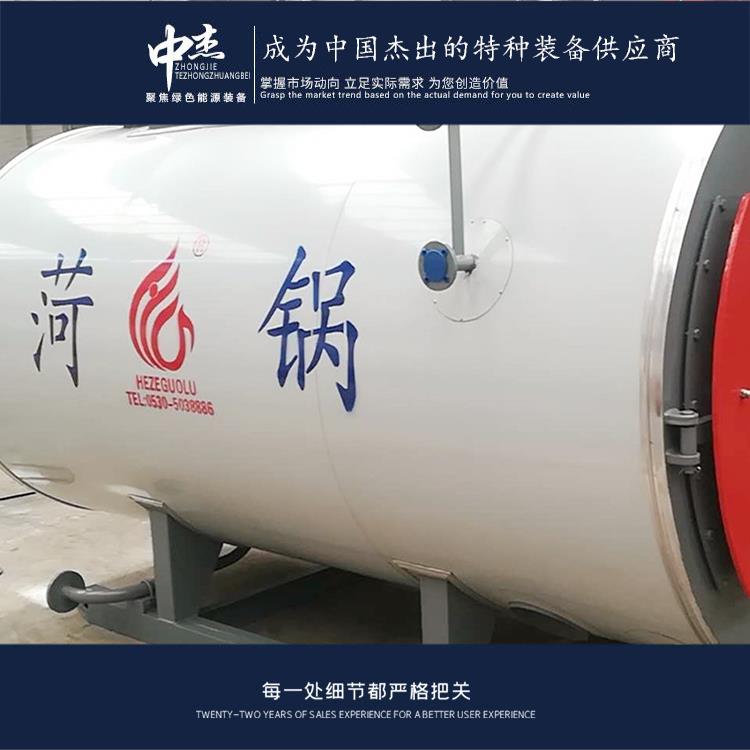

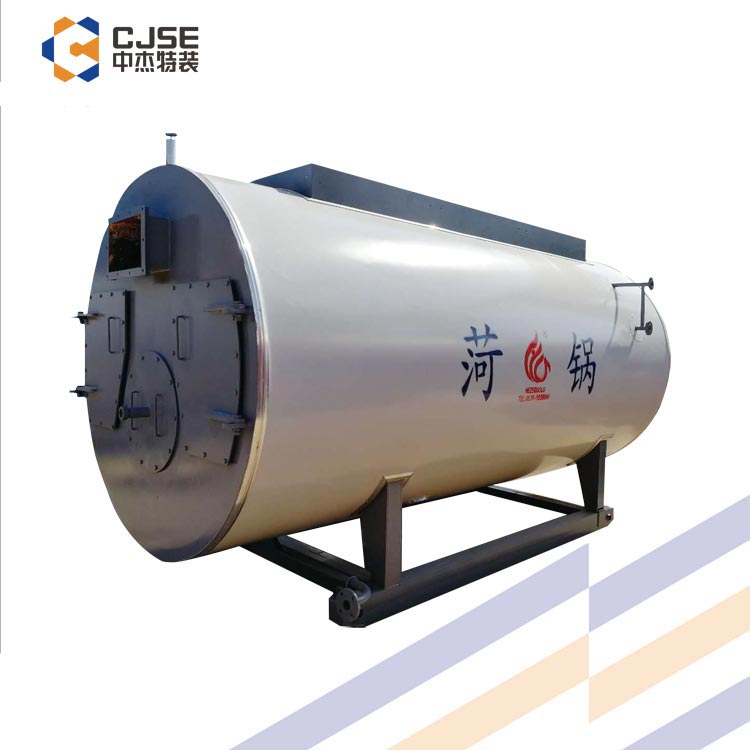
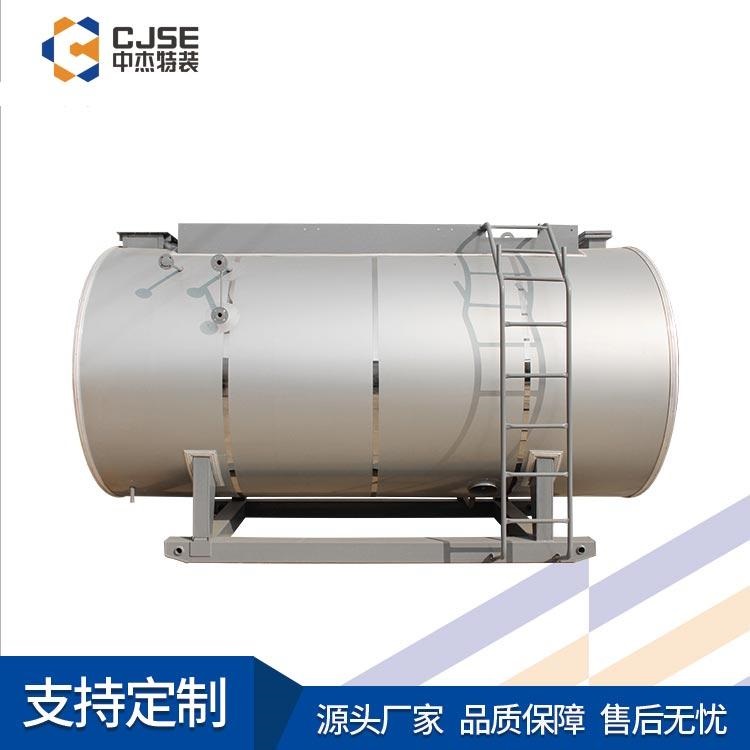


















Shandong Zhongjie Special Equipment (formerly Heze Boiler Factory Co., Ltd.) holds an A-grade boiler manufacturing license, an A2-grade pressure vessel manufacturing license, an A2-grade pressure vessel design license, B-grade boiler installation, and GB2/Class, GC2/Class pressure pipeline installation licenses, as well as a mechanical and electrical equipment installation contracting qualification. It is a member of the China Boiler and Water Treatment Association, the China Chemical Equipment Association, and a council member of the Shandong Equipment Manufacturing Association. The company has also passed the ISO9001 Quality Management System, ISO14001 Environmental Management System, OHSAS18001 Occupational Health and Safety Management System certifications, and the American ASME/U2 certification.
After the hot water boiler is shut down, here are some common maintenance measures:
1. Clean the boiler: After shutdown, the boiler should be cleaned first. Dust, dirt, and sediments inside the boiler can be washed with appropriate cleaning tools and detergents. Pay special attention to cleaning the combustion chamber, flue, and heat exchanger, among other critical areas.
2. Drain the water: Empty the water from the boiler to prevent the accumulation of scale and corrosive substances. Open the drain valve to release the water until the interior of the boiler is completely drained.
3. Corrosion prevention: Before shutdown, apply corrosion prevention treatments to the boiler's internal metal materials to prevent corrosion. Use suitable corrosion inhibitors or coatings and apply them to the key areas of the boiler.
4. Inspection and maintenance: During shutdown, regularly inspect the various components and connections of the boiler to ensure there are no loose, damaged, or leaking issues. If problems are found, repair or replace them promptly.
5. Keep dry: After shutdown, maintain the dryness inside the boiler. Open the ventilation and exhaust ports of the boiler to ensure air circulation, preventing moisture and mold growth.
6. Regular inspections: Conduct regular checks on the boiler's condition to ensure there are no abnormalities. Develop a corresponding inspection schedule based on the boiler's usage and requirements, such as a comprehensive check every quarter or year.
7. Pre-start preparation: Before restarting the boiler, prepare accordingly. This includes cleaning the boiler, checking the connections of equipment and pipelines, and inspecting the fuel supply.
When selecting a steam boiler, several key factors should be taken into account:
- Steam Demand: Determine the steam requirements of the factory or project, including steam pressure, flow rate, and quality. Choose the appropriate boiler model and specifications based on actual needs to ensure they meet process and production requirements.
- Boiler Type: There are various types of steam boilers, such as fire-tube boilers, water-tube boilers, and gas boilers. Select the suitable type based on the factory's实际情况 and needs. Also, consider the fuel type, such as coal, gas, or biomass, to choose a fuel type that aligns with the factory's energy supply and environmental requirements.
- Boiler Efficiency: The efficiency of a boiler directly impacts energy utilization and operating costs. Understand the boiler's thermal and combustion efficiencies and choose a steam boiler with high efficiency to reduce energy consumption and operating costs.
- Quality and Reputation: Select a supplier with a good reputation to ensure the quality and reliability of the steam boiler. Refer to customer reviews, industry certifications, and ratings to understand the supplier's credibility and product quality.
- Technical Support and After-Sales Service: Choose a supplier that can provide comprehensive technical support and after-sales service. Ensure the supplier can offer installation guidance, training, maintenance, and troubleshooting support to ensure the normal operation and maintenance of the steam boiler.
- Cost and Budget: Finally, select a steam boiler that meets budget requirements based on budget and economic considerations. Consider the purchase cost, operating cost, and maintenance cost to choose a steam boiler with a high cost-performance ratio.
It's important to note that the above factors are just some of the key considerations when purchasing a steam boiler. Specific choices should be determined based on the factory's actual circumstances and needs. It is recommended to communicate and compare with multiple suppliers to gather more information and advice for an informed decision.
Steam boilers produce a certain amount of waste water during operation, which requires effluent treatment. Here are the general steps for steam boiler effluent discharge:
Preparation: Before discharging, ensure the steam boiler is shut down and the pressure inside has been reduced to a safe level.
Open the drain valve: Locate the corresponding drain valve according to the steam boiler's design and open it. The drain valve is typically found on the bottom or near the bottom of the boiler's drain pipe.
Discharge waste water: Once the drain valve is open, waste water will flow out of the drain pipe. Depending on the need, use a drain pump or gravity to expel the waste water.
Observe the waste water: During the discharge process, monitor the color, turbidity, and odor of the waste water to determine if there are any abnormalities, such as sediments, impurities, or strange odors.
Close the drain valve: After the waste water has been discharged or the predetermined effluent target has been reached, close the drain valve.
Clean the drain system: Regularly clean the drain system to prevent blockages or accumulation of debris, ensuring the system remains clear.
Note that the specific steps and frequency of steam boiler effluent discharge may vary depending on the model, usage conditions, and operational requirements of the boiler. Therefore, it is advisable to refer to the boiler's operation manual or consult with experts for proper and safe operation.
The necessity of flow control in thermal oil heaters is primarily reflected in the following aspects:
1. Heat Transfer Efficiency: The efficiency of heat transfer in thermal oil heaters is closely related to the flow rate of the thermal oil. An appropriate flow rate ensures that heat is fully transferred in the heat exchanger, enhancing the efficiency of heat utilization. An excessively low flow rate may result in insufficient heat exchange and affect the heat transfer effect, while an excessively high flow rate will increase energy consumption and operating costs.
2. Temperature Control: Flow control in thermal oil heaters is also closely related to temperature control. By adjusting the flow rate of the thermal oil, the temperature inside the furnace can be controlled, ensuring stable operation within the set working temperature range. An excessively low flow rate may lead to excessively high temperatures, and an excessively high flow rate may cause temperatures to drop too low, both affecting the normal operation of the equipment.
3. System Stability: Appropriate flow rates of thermal oil can enhance system stability. Through flow control, the supply and demand of heat can be balanced, preventing overheating or cooling, and maintaining stable system operation. Stable operation helps extend the service life of the equipment and reduce the frequency of failures and repairs.
4. Safety: Flow control in thermal oil heaters is also closely related to safety. Proper flow control can prevent excessive accumulation of thermal oil in the system, reducing the risk of leaks and explosions. Additionally, flow control ensures that the system pressure remains within a safe range, avoiding overpressure and other safety issues.
In summary, flow control in thermal oil heaters is necessary for improving heat transfer efficiency, temperature control, system stability, and safety. Through reasonable flow control, the operation of thermal oil heaters can be optimized, energy utilization efficiency can be increased, operating costs can be reduced, and the safety and stable operation of the equipment can be ensured.
Our company attaches great importance to technological innovation and R&D design, boasting one municipal-level enterprise technology center in Heze City. We have established test facilities for non-destructive testing, physical and chemical testing, welding testing, hydrostatic testing, etc., and are equipped with over 600 various instruments and equipment, including CNC machine tools, X-ray flaw detectors, digital ultrasonic flaw detectors, mechanical property testing machines, chemical analyzers, spectrometers, tensile testing machines, plasma welding machines, and more. The key products and technologies we have developed, such as temperature and pressure vessel welding, biomass boiler emission reduction, and waste heat recovery, have successively been selected for multiple Shandong Provincial Department of Industry and Information Technology science and technology innovation projects, key provincial projects, and Heze City innovation and excellence projects. We have cumulatively obtained 27 authorized utility model patents, 16 authorized invention patents, participated in drafting 2 standards, 2 industry standards, and registered 15 trademarks. The technical team of our company, in collaboration with Professor Yajiang Li of Shandong University, has jointly developed deep cryogenic container processing technology using the international plasma arc + filler wire argon arc welding (PAW-GTAW) technology, which has been appraised as reaching an international level in the field of deep cryogenic container manufacturing by the provincial-level science and technology achievement evaluation.
Choose ZJET customized solutions, let's create brilliance together!
WeChat Official Account

Scan to follow Official Account



















