


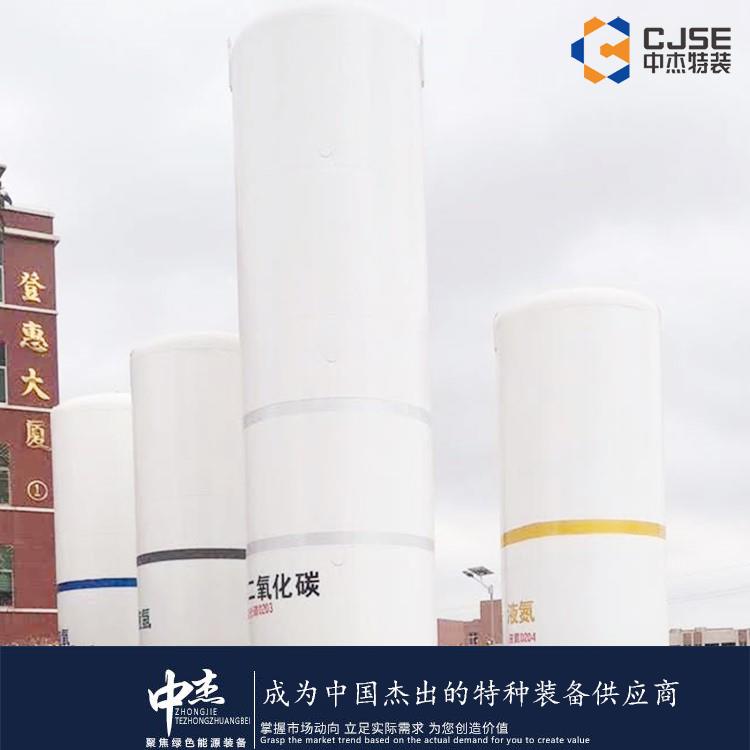

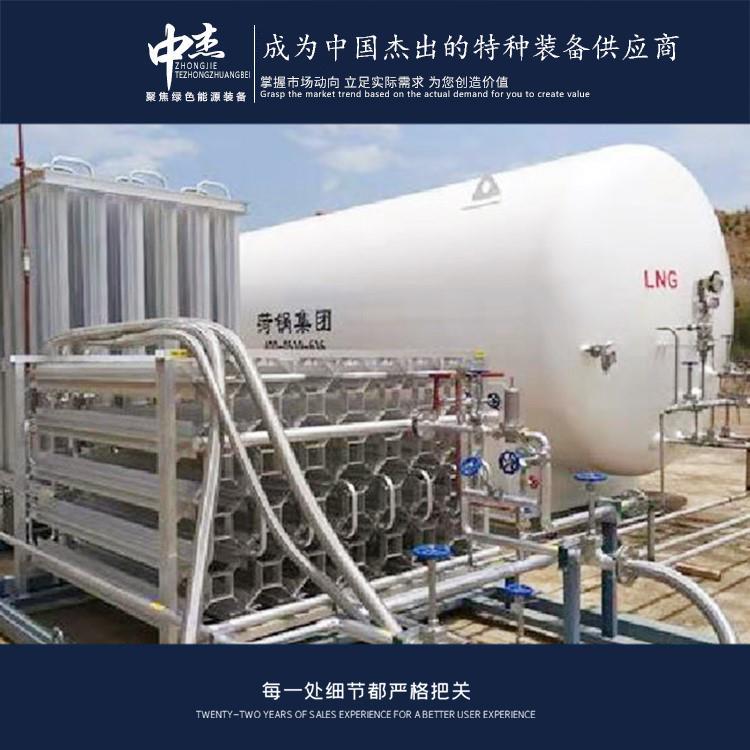
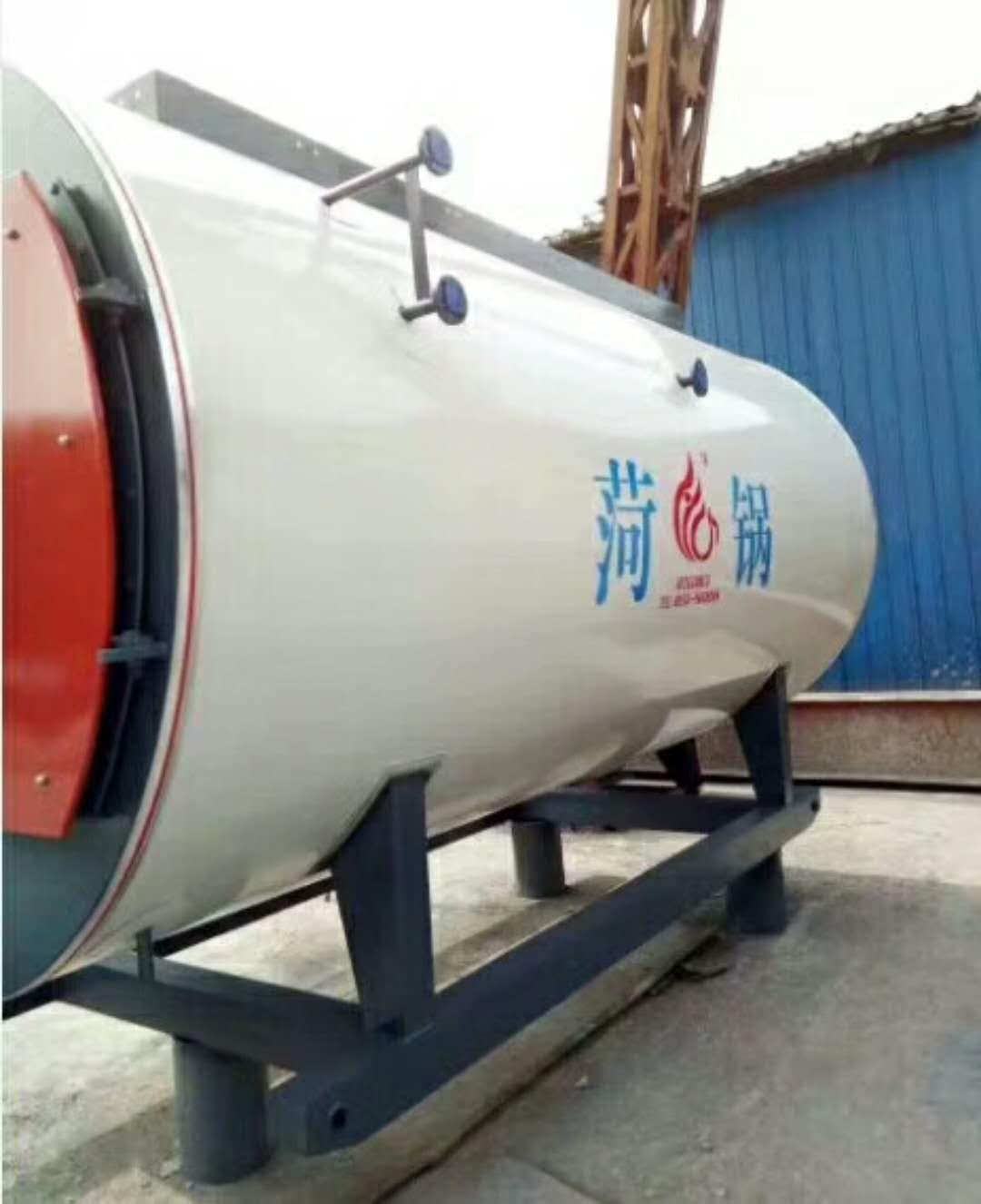


















Shandong Zhongjie Special Equipment Co., Ltd. (formerly Heze Boiler Factory Co., Ltd.) was established in 2001, located at No. 2218 Jinnan Road, Development Zone, Heze City, with a registered capital of 50 million yuan and total assets of 500 million yuan. The company has 7 business centers: boilers, deep-freezing containers, pressure vessels, central air conditioning, engineering installation, international trade, and Internet of Things. It has three factory sites on Jinnan Road, East Changjiang Road, and Bohai Road, covering a total area of 200,000 square meters, with the main workshop spanning 83,000 square meters. It currently employs 710 people, including 247 engineering and technical staff and 82 intermediate-level technicians. In December 2016, it was recognized as a "High-tech Enterprise" by the Science and Technology Department. In June 2021, it was identified as a "Specialized and New Enterprise in Shandong Province" by the Ministry of Industry and Information Technology. In June 2022, it was recognized as a "Gazelle Enterprise in Shandong Province" and in August 2022, it was identified as a "Specialized and New Small Giant Enterprise" by the Ministry of Industry and Information Technology.
When initially using a liquid nitrogen tank, there are several precautions to consider for safe and efficient operation. Here are some suggested points to keep in mind:
Safe Operation: Liquid nitrogen is a cryogenic liquid with strong refrigerating and asphyxiating effects. When handling liquid nitrogen tanks, appropriate personal protective equipment must be worn, such as insulated gloves and protective suits. Avoid direct contact with liquid nitrogen to prevent injury or other harm.
Ventilation Environment: Liquid nitrogen, upon evaporation, produces a significant amount of gas which may displace other gases, leading to a decrease in oxygen content in the air. Therefore, when using liquid nitrogen tanks, it is essential to ensure proper ventilation in the operating area to prevent oxygen deficiency.
Tank Inspection: Prior to the first use of the liquid nitrogen tank, carefully inspect the tank's appearance and sealing. Ensure there are no visible damages, leaks, or other safety hazards. If any issues are found, they should be promptly repaired or the tank replaced.
Tank Filling: Prior to the first use of the liquid nitrogen tank, it is necessary to fill it with liquid nitrogen. During the filling process, adhere to the correct operational steps and safety protocols to ensure a safe and reliable filling. Additionally, pay attention to controlling the filling speed and pressure to avoid excessive tank pressure and temperature rise.
Identification and Record Keeping: Prior to the first use of the liquid nitrogen tank, relevant information should be labeled on the tank, such as the storage medium, capacity, and manufacturing date. Additionally, it is recommended to maintain a usage record for the tank, including filling dates, filling quantities, and usage details, for future tracking and management purposes.
Note that the use of liquid nitrogen tanks involves safety risks such as low temperatures and high pressures. Operators should receive training and strictly adhere to the relevant operational procedures and safety measures. If unfamiliar with the operation or have doubts, it is recommended to consult with individuals or relevant institutions for guidance.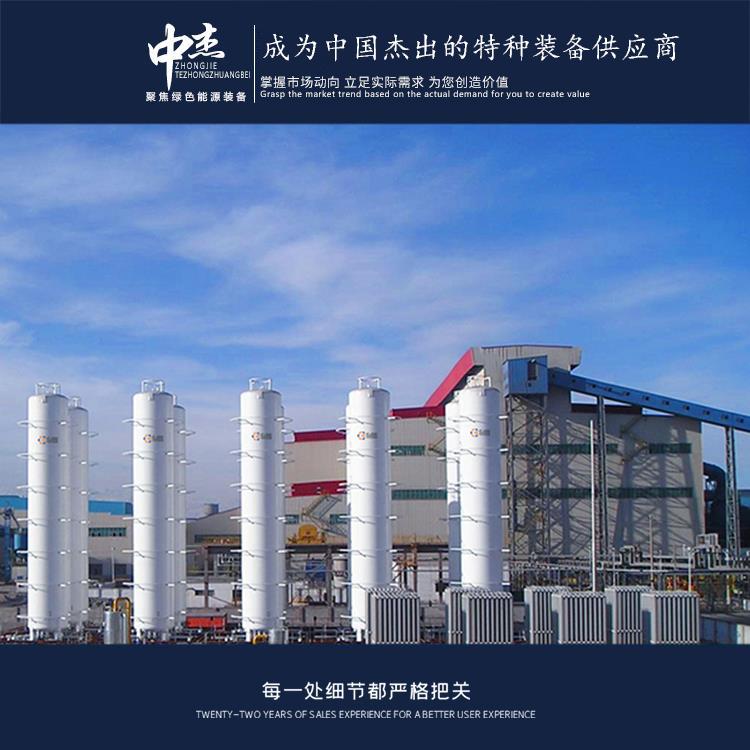
Low-temperature liquid oxygen storage tanks typically require certain safety accessories to ensure safe operation and to address potential risks. The following are some common safety accessories for low-temperature liquid oxygen storage tanks:
Pressure Sensor: Used to monitor pressure changes within storage tanks. In the event of pressure exceeding the set range, it triggers alarms or automatically stops filling to prevent overpressure in the tank.
Safety Valve: Used to automatically release gas when the pressure inside the storage tank exceeds the set value, preventing overpressure. The safety valve should be selected and installed based on the design pressure and capacity of the storage tank.
Pressure Relief Device: Used to release gas to a safe area when the pressure inside the storage tank is too high, thereby reducing the pressure on the tank. The pressure relief device typically includes pressure relief valves, relief pipes, and so on.
Level sensor: Used to monitor the level change of liquid oxygen inside storage tanks to ensure sufficient liquid oxygen and prevent overfilling.
Temperature Sensor: Used to monitor temperature changes within storage tanks to ensure the liquid oxygen inside remains within a safe temperature range.
Fire Detectors and Fire Suppression Systems: Designed to monitor fire risks around storage tanks and activate fire suppression systems as needed, to prevent the spread of fires to surrounding areas.
The temperature difference between the interior and exterior of a low-temperature liquid storage tank depends on various factors, including the tank's design, insulation properties, the temperature of the liquid, and the ambient temperature. Generally, the interior temperature of a low-temperature liquid storage tank is much lower than the ambient temperature.
Low-temperature liquid storage tanks are commonly used for storing liquids like liquid nitrogen, liquid oxygen, and liquid argon, which have very low boiling points, typically below -100°C. To maintain the低温 state of the liquids, the tanks must have excellent insulation properties to minimize heat conduction and evaporation loss.
Low-temperature liquid storage tanks typically offer a smaller temperature variance. Generally, the internal temperature of the tank can be maintained near the boiling point of the liquid, usually several dozen degrees lower than the ambient temperature. The specific temperature variance depends on the tank's design and insulation properties, as well as the characteristics of the liquid.
It's important to note that the temperature differences in low-temperature liquid storage tanks may change over time. As time passes, the performance of the insulation material may be affected by wear or aging, leading to an increase in temperature differences. Therefore, regular inspection and maintenance of the tank's insulation layer are crucial to ensure its effective and stable insulating performance.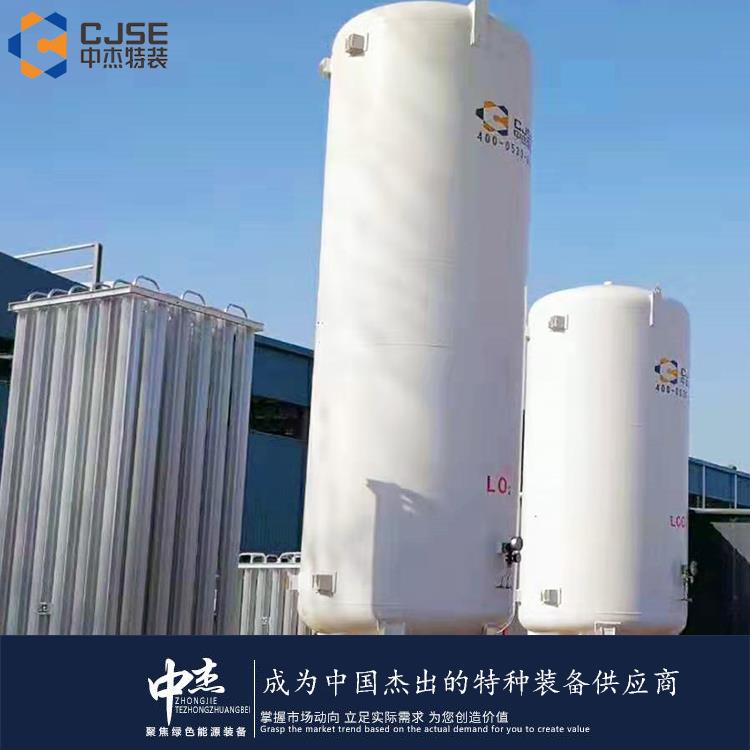
One of the common drawbacks of pressure vessels during use is corrosion. Corrosion refers to the reaction between the metal surface and chemicals in the environment, leading to damage to the metal surface and thinning of the material. The following are common corrosion drawbacks of pressure vessels:
Pitting Corrosion: Pitting corrosion refers to localized pits or holes that appear on the surface of metal. This type of corrosion is often caused by corrosive substances present in the local environment, such as acids, salts, etc.
Bacterial Corrosion: Bacterial corrosion is a phenomenon caused by microorganisms. These organisms can form a biofilm inside pressure vessels and produce acidic substances, leading to corrosion of the metal surface.
Porous Corrosion: Porous corrosion refers to a penetrating corrosion phenomenon on the surface of metal. This type of corrosion usually occurs due to the damage or defects in the protective layer of the metal surface, allowing corrosive substances to come into direct contact with the metal.
Stress Corrosion Cracking: Stress corrosion cracking occurs when metal surfaces are subjected to both stress and corrosive environments, leading to the formation and propagation of cracks. This type of corrosion is commonly found in pressure vessels operating under high stress and corrosive conditions.
Corrosion can lead to material thinning and reduced strength in pressure vessels, even causing severe consequences such as leaks or ruptures. Therefore, to address the corrosion issue in pressure vessels, the following measures should be taken:
Regularly inspect and evaluate the corrosion of pressure vessels, including methods such as visual inspections and non-destructive testing.
Implement corrosion prevention measures such as coating protection, cathodic protection, and selecting appropriate materials to minimize corrosion occurrence and progression.
Regularly clean and maintain pressure vessels to remove dirt and impurities that may cause corrosion.
Comply with relevant safety regulations and operational guidelines to ensure the safe and proper operation of pressure vessels.
For severely corroded pressure vessels, repairs or replacements may be necessary to ensure their safety and reliability.
Our company attaches great importance to technological innovation and R&D, boasting one municipal-level enterprise technology center in Heze City. We have established testing facilities for non-destructive testing, physical and chemical testing, welding testing, hydrostatic testing, etc. Equipped with over 600 types of equipment including CNC machine tools, X-ray flaw detectors, digital ultrasonic flaw detectors, mechanical property testing machines, chemical analyzers, spectrometers, tensile testing machines, plasma welding machines, and more. Our developed key products such as temperature and pressure vessel welding, biomass boiler emission reduction, and waste heat utilization have successively been included in multiple Shandong Provincial Department of Industry and Information Technology science and technology projects, Shandong key projects, and Heze City innovation and excellence projects. We have cumulatively obtained 27 authorized utility models, 16 authorized inventions, participated in drafting 2 standards, 2 industry standards, and registered 15 trademarks. Our technical team, in collaboration with Professor Li Yajiang of Shandong University, has developed deep cryogenic container processing technology using the internationally recognized plasma arc + wire filling tungsten inert gas arc welding (PAW-GTAW) technology. After provincial-level scientific and technological achievement identification, our technology level has reached international standards in the field of deep cryogenic container manufacturing. Choose ZJ Special Equipment, and let's create brilliance together!
WeChat Official Account

Scan to follow Official Account



















