


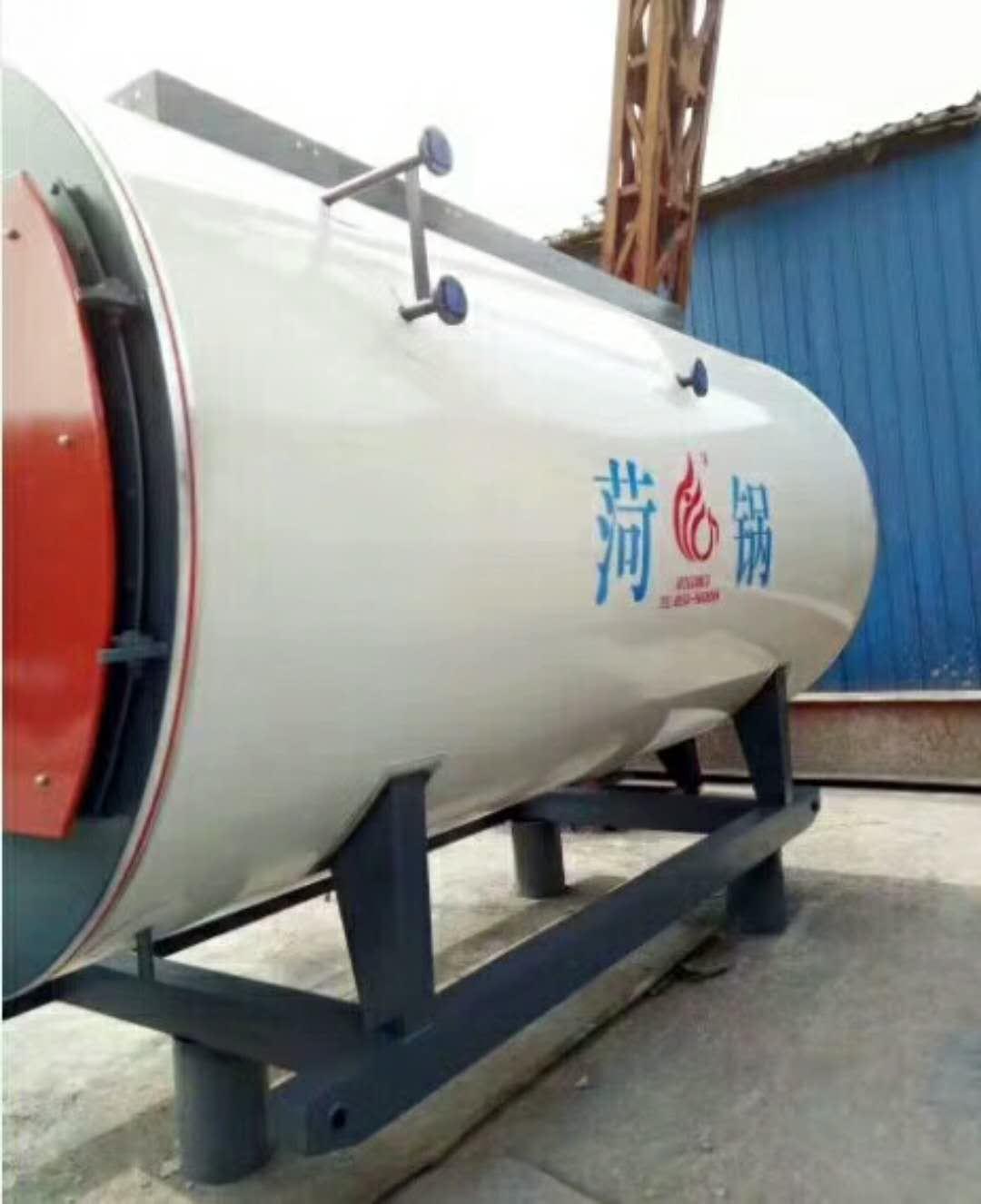

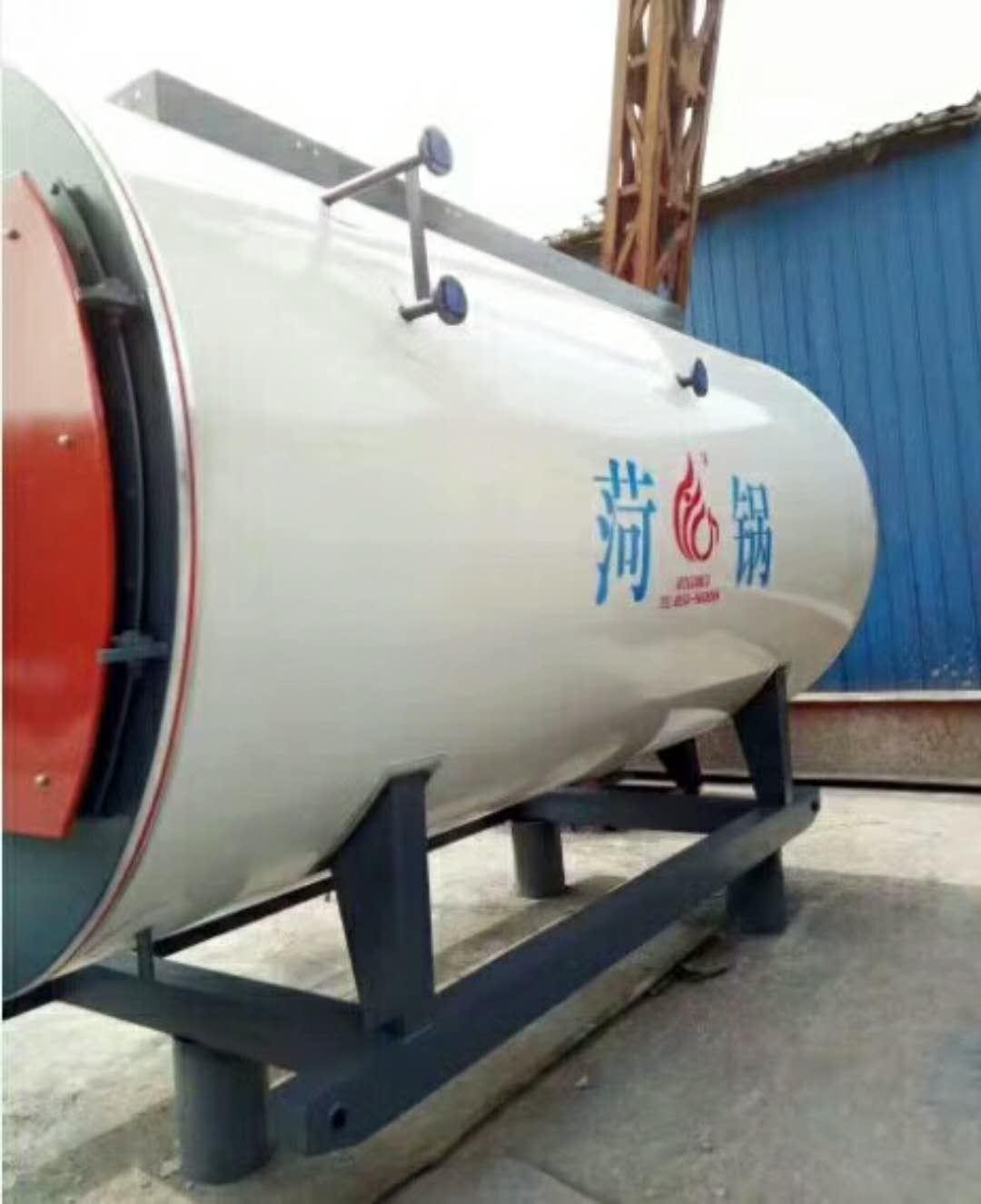


















Shandong Zhongjie Special Equipment (formerly Heze Boiler Factory Co., Ltd.) holds an A-grade boiler manufacturing license, A2-grade pressure vessel manufacturing license, A2-grade pressure vessel design license, B-grade boiler installation, and GB2/Class, GC2/Class pressure pipeline installation licenses, as well as equipment and machinery installation contracting qualifications. It is a member of the China Boiler and Water Treatment Association, the China Chemical Equipment Association, and a director unit of the Shandong Equipment Manufacturing Association. The company has also passed certifications for the ISO9001 Quality Management System, ISO14001 Environmental Management System, OHSAS18001 Occupational Health and Safety Management System, and the American ASME/U2 certification.
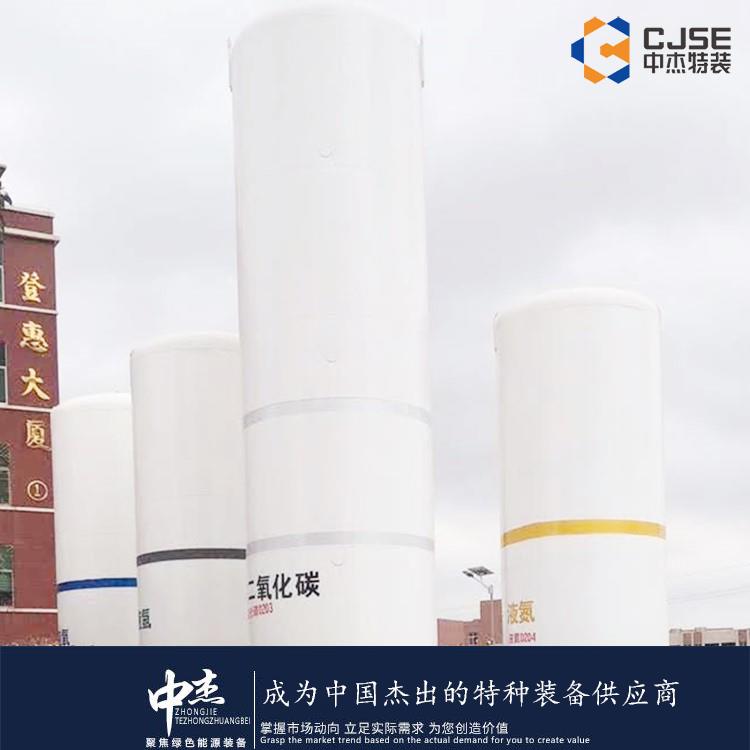
Liquid oxygen stations are facilities for storing and supplying liquid oxygen, and liquid oxygen tanks are a crucial component of liquid oxygen stations. Liquid oxygen tanks possess several important functions and features:
Store Liquid Oxygen: Liquid oxygen tanks are primarily used for storing liquid oxygen, cooling gaseous oxygen below its critical temperature to convert it into a liquid form. Liquid oxygen has a high storage density, allowing for the storage of large amounts of oxygen in a relatively small space.
Maintain Low Temperature: Liquid oxygen tanks are typically designed with a double-layer structure, separated by a vacuum layer between the inner and outer layers to minimize heat conduction and maintain low temperatures. This helps preserve the low-temperature state of the liquid oxygen and prevent premature vaporization.
Safety Design: Liquid oxygen tanks must be designed and manufactured with safety in mind. They are typically made from high-strength materials such as stainless steel or aluminum alloy to withstand high pressure and low-temperature requirements. Additionally, the tanks are equipped with safety valves, pressure sensors, and temperature sensors to ensure the internal pressure and temperature remain within safe limits.
Supply System Connection: Liquid oxygen tanks are typically connected to the supply system to transport liquid oxygen to the required locations. The supply system includes liquid oxygen pumps, pipelines, and valves, etc., which are used to extract liquid oxygen from the tank and deliver it to the user's end.
Liquid oxygen tanks play a crucial role in storing and maintaining liquid oxygen at liquid oxygen stations. Their design and operation must strictly adhere to relevant safety regulations and procedures to ensure the safety and reliability of the storage and supply process.
Low-temperature liquid oxygen storage tanks typically require certain safety accessories to ensure safe operation and to address potential risks. The following are some common safety accessories for low-temperature liquid oxygen storage tanks:
Pressure Sensor: Used to monitor pressure changes within storage tanks. In the event of pressure exceeding the set range, it will trigger an alarm or automatically stop filling measures to prevent overpressure in the tank.
Safety valve: Used to automatically release gas when the pressure inside the storage tank exceeds the set value, preventing overpressure. The safety valve should be selected and installed based on the design pressure and capacity of the storage tank.
Pressure Relief Device: Used to release gas into a safe area when the pressure inside the storage tank exceeds the safe limit, thereby reducing the pressure of the tank. Pressure relief devices typically include relief valves, relief pipes, and so on.
Level sensor: Used to monitor the level change of liquid oxygen inside storage tanks to ensure sufficient liquid oxygen and prevent overfilling.
Temperature Sensor: Used to monitor temperature changes within the storage tank to ensure that the temperature of liquid oxygen inside remains within a safe range.
Fire Detection and Extinguishing Systems: Designed to monitor fire risks around storage tanks and activate the extinguishing system as needed, preventing the spread of fire to other areas.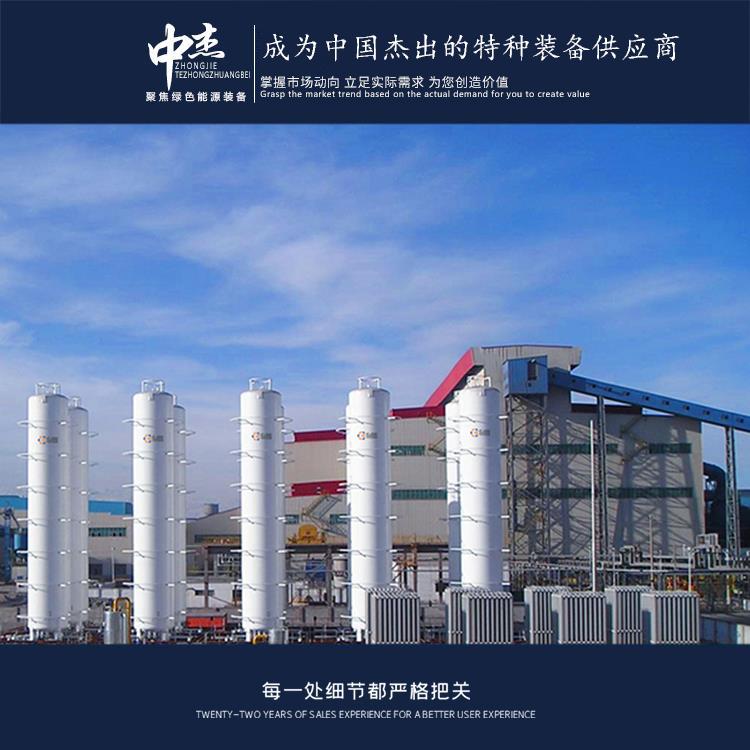
The testing and maintenance procedures for liquid oxygen storage tanks encompass the following aspects:
Appearance Inspection: Regularly inspect the liquid oxygen tank for any signs of corrosion, wear, or leakage on the surface, ensuring the tank's appearance remains intact.
Pressure Testing: Regularly conduct pressure tests on liquid oxygen tanks to assess their pressure resistance. The tests should be carried out in accordance with relevant standards and regulations to ensure the tanks can withstand the designed working pressure.
Leak Detection: Regularly conduct leak detection on liquid oxygen tanks, including using leak detection equipment to inspect the tanks, to ensure their sealing performance is good and no leakage issues exist.
Cleanliness and Coating Protection: Regularly clean and apply protective coatings to liquid oxygen tanks to prevent corrosion and oxidation. Use appropriate cleaning agents during cleaning and avoid substances that react with liquid oxygen. Protective coatings can be applied using anti-corrosion coatings or protective agents.
Regular Maintenance: Conduct regular maintenance on liquid oxygen tanks, including inspections and replacements of seals, valves, safety devices, etc., to ensure normal operation and safety reliability.
Safety Training and Operating Procedures: Conduct safety training for personnel using liquid oxygen tanks, ensuring they are aware of the safe operating procedures and precautions to avoid operational errors and accidents.
Record and Document Management: Establish testing and maintenance records for liquid oxygen storage tanks, including test results, maintenance logs, and inspection records, for traceability and management purposes.
It is important to note that the testing and maintenance of liquid oxygen tanks should be conducted by trained personnel, following relevant safety operating procedures and standards. Additionally, a specific testing and maintenance plan should be developed based on the tank's condition and usage requirements, and executed according to the plan.
One of the common drawbacks of pressure vessels during use is corrosion. Corrosion refers to the reaction between the metal surface and chemical substances in the environment, leading to damage to the metal surface and thinning of the material. The following are common corrosion drawbacks of pressure vessels:
Pitting Corrosion: Pitting corrosion refers to localized pits or holes that form on the surface of a metal. This type of corrosion usually occurs due to corrosive substances present in the local environment, such as acids and salts.
Bacterial Corrosion: Bacterial corrosion is a phenomenon caused by microorganisms. These organisms can form a biofilm inside pressure vessels and produce acidic substances, leading to corrosion of the metal surface.
Punch Corrosion: Punch corrosion refers to the phenomenon where metal surfaces exhibit penetrative corrosion. Such corrosion typically occurs due to damage or defects in the protective layer on the metal surface, allowing corrosive substances to come into direct contact with the metal.
Stress Corrosion Cracking: Stress corrosion cracking occurs when metal surfaces are simultaneously subjected to stress and a corrosive environment, leading to the formation and propagation of cracks. This type of corrosion commonly happens in pressure vessels under high stress and corrosive conditions.
Corrosion can lead to material thinning and reduced strength in pressure vessels, even triggering severe consequences such as leaks or ruptures. Therefore, to address the corrosion issue in pressure vessels, the following measures should be taken:
Regularly inspect and evaluate the corrosion status of pressure vessels, including methods such as visual inspections and non-destructive testing.
Implement corrosion prevention measures such as coating protection, cathodic protection, and selecting appropriate materials to minimize corrosion occurrence and progression.
Regularly clean and maintain pressure vessels to remove dirt and impurities that may cause corrosion.
Adhere to relevant safety regulations and operational guidelines to ensure the normal and safe operation of pressure vessels.
For severely corroded pressure vessels, repairs or replacements may be necessary to ensure their safety and reliability.
Our company places great emphasis on technological innovation and research and development, boasting one municipal-level enterprise technology center in Heze City. We have established testing facilities for non-destructive testing, physical and chemical testing, welding testing, hydrostatic testing, and more. Equipped with over 600 units of various equipment such as CNC machine tools, X-ray flaw detectors, digital ultrasonic flaw detectors, mechanical property testing machines, chemical analyzers, spectrometers, tensile testing machines, and plasma welding machines, our R&D of key products such as temperature and pressure vessel welding, biomass boiler emission reduction, and waste heat utilization has been selected for multiple Shandong Provincial Department of Industry and Information Technology science and technology innovation projects, Shandong Provincial key projects, and Heze City innovative and excellent projects. We have accumulated a total of 27 authorized utility models, 16 authorized inventions, participated in drafting 2 standards, 2 industry standards, and registered 15 trademarks. The technical team, in collaboration with Professor Li Yajiang of Shandong University, has developed deep cryogenic container processing technology using the internationally recognized plasma arc + filler wire tungsten inert gas (PAW-GTAW) welding technology, which has been appraised as internationally competitive at the provincial level in terms of technological level. Choose ZJ Special Equipment, and let's create brilliance together!
WeChat Official Account

Scan to follow Official Account



















