


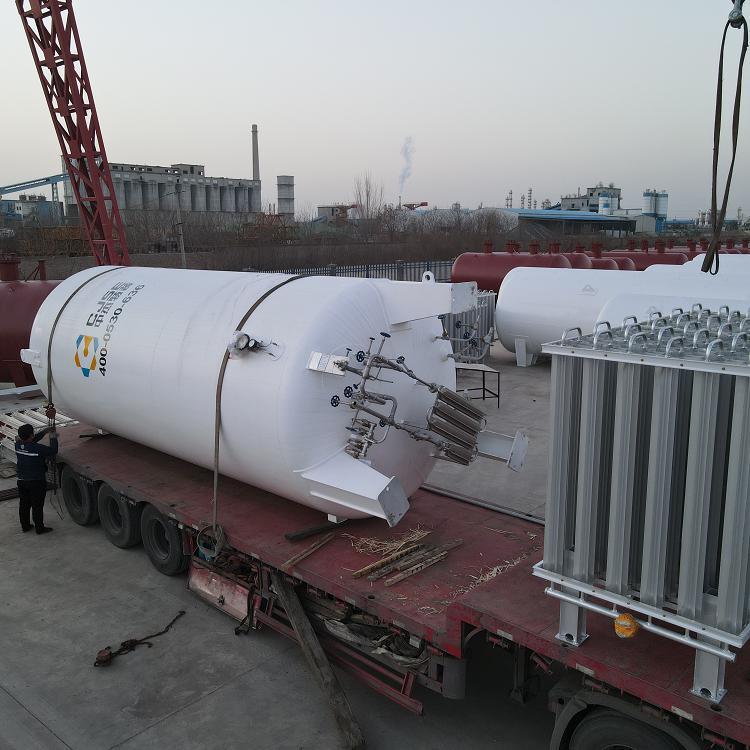

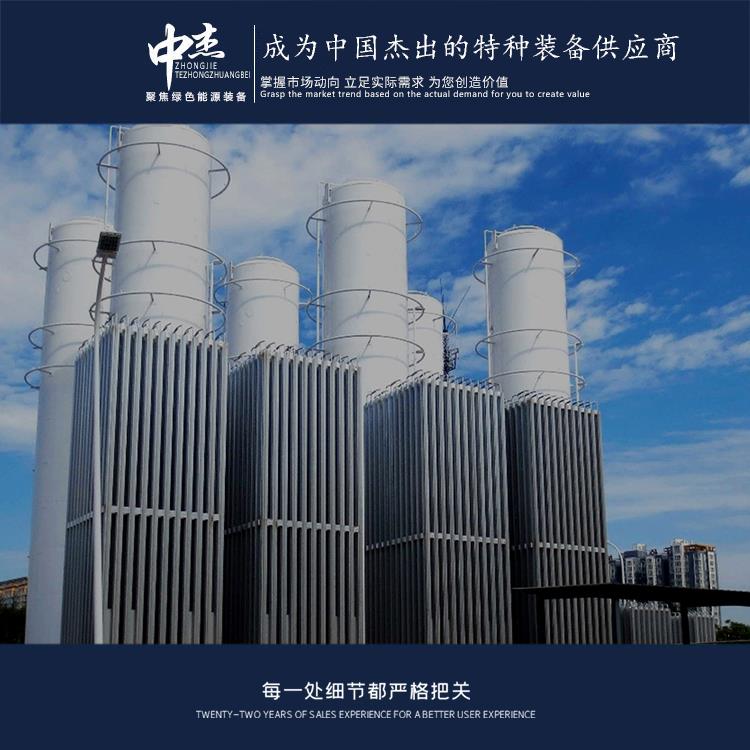
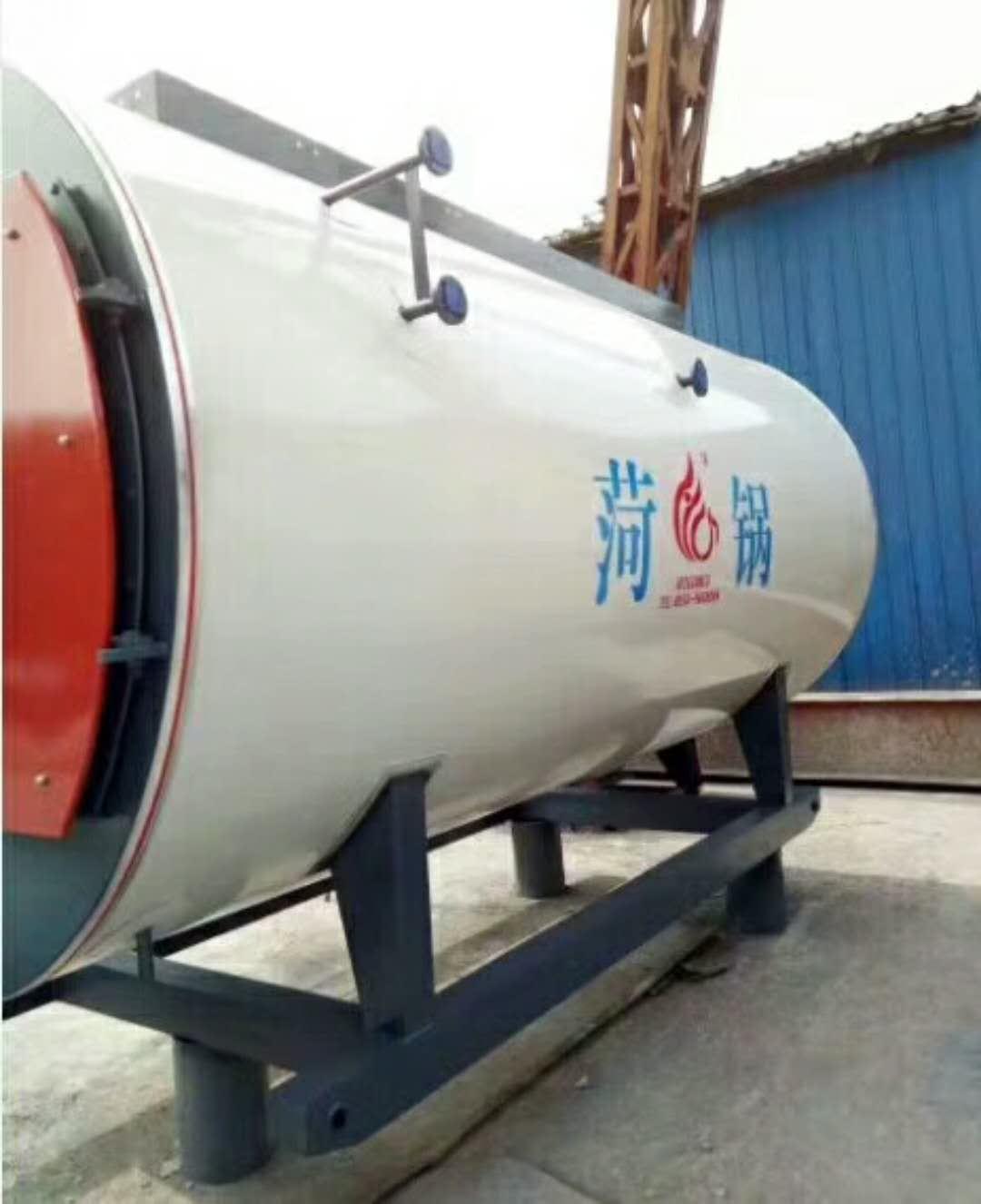


















Shandong Zhongjie Special Equipment (formerly Heze Boiler Factory Co., Ltd.) holds an A-grade boiler manufacturing license, an A2-grade pressure vessel manufacturing license, an A2-grade pressure vessel design license, a B-grade boiler installation license, and GB2/Class and GC2/Class pressure pipeline installation licenses, as well as an equipment and machinery installation contracting qualification. It is a member of the China Boiler and Water Treatment Association, the China Chemical Equipment Association, and the理事 member of the Shandong Equipment Manufacturing Association. The company has also passed certifications for the ISO9001 Quality Management System, ISO14001 Environmental Management System, OHSAS18001 Occupational Health and Safety Management System, and the American ASME/U2 certification.
Proper management regulations for the use of low-temperature liquid storage tanks encompass the following aspects:
Tank Selection and Installation: Choose a suitable low-temperature liquid storage tank and ensure it complies with relevant standards and regulations. Installation should be carried out by personnel, following the manufacturer's instructions and requirements to ensure stability and safety of the tank.
Safety Operating Procedures: Establish and implement safety operating procedures for liquid storage tanks, including startup, shutdown, filling, venting, and other operational steps. Operators must receive training to understand the characteristics of liquid storage tanks, safety precautions, and emergency response measures.
Safety Equipment and Protective Measures: Tanks should be equipped with necessary safety devices such as pressure sensors, safety valves, and leak detectors to monitor and control the tank's pressure and temperature. Additionally, operators should wear appropriate personal protective equipment like insulating gloves and protective suits to ensure their safety.
Regular Inspections and Maintenance: Conduct regular inspections and maintenance on low-temperature liquid storage tanks, including checking the tank's appearance, seals, and corrosion protection measures. In case of any issues, promptly repair or replace the tank to ensure its proper operation and safety.
Waste Management: Abandoned low-temperature liquid storage tanks should be disposed of in accordance with relevant environmental protection regulations. The residual liquids in the abandoned tanks should be handled properly to prevent environmental pollution.
Storage Tank Records and Tracking: Establish a record of storage tank usage, including filling dates, quantities, and usage status. Additionally, it is recommended to implement a tracking system for the tanks to facilitate monitoring and management of their use and maintenance.
Here are some common management regulations for low-temperature liquid storage tanks. Specific regulations may vary by industry and region. When using low-temperature liquid storage tanks, it is essential to comply with relevant laws and standards and establish suitable management measures based on actual conditions.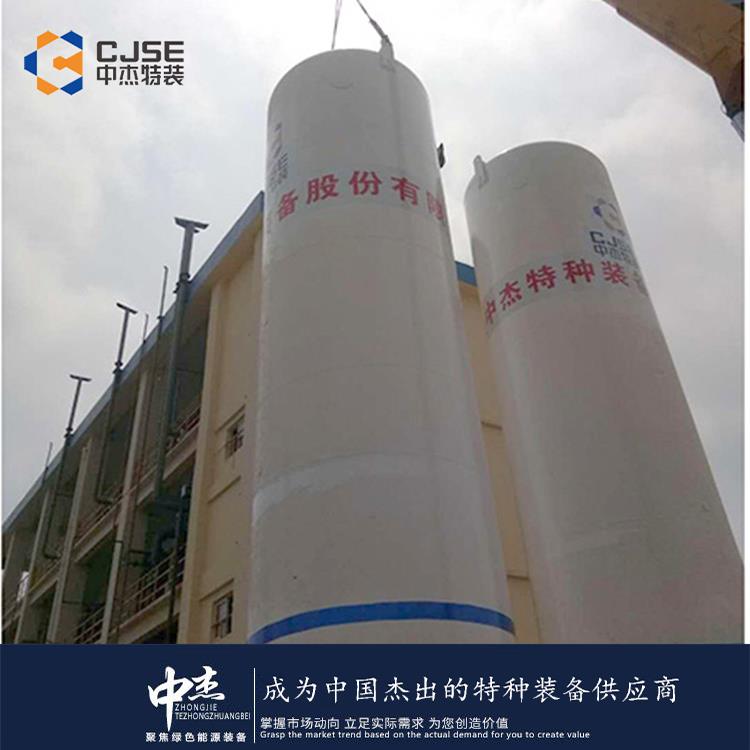
When storing liquid nitrogen in low-temperature storage tanks, be mindful of the following points:
Protective Gear: When operating low-temperature storage tanks, it is mandatory to wear appropriate protective gear, including gloves, protective clothing, and anti-slip shoes. This gear safeguards the skin from the low temperatures of liquid nitrogen and other hazards.
Avoid direct contact: Liquid nitrogen is extremely cold and can cause chilling. Therefore, avoid direct contact with liquid nitrogen, especially with skin. Use tools or equipment for handling, and prevent hands from coming into direct contact with liquid nitrogen.
Ventilation Requirements: In the operating area of low-temperature storage tanks, adequate ventilation must be ensured to expel gases produced by the evaporation of liquid nitrogen. Maintain air circulation to avoid excessive oxygen concentration, and reduce the risk of fire and explosion.
Prevent Leaks: Regularly inspect the low-temperature storage tanks for leaks and equip with leak detectors and alarm systems. In case of a leak, take immediate action to control and repair it. Avoid the hazards of liquid nitrogen leaks to personnel and the environment.
Fire Prevention Measures: Liquid nitrogen has a low boiling and freezing point, which is prone to causing fires. To prevent and contain fires, firewalls and fire-resistant coatings are installed around low-temperature storage tanks.
Static Dissipation: The accumulation of static electricity in low-temperature tanks may cause sparks, increasing the risk of fire. Measures should be
During the operation of low-temperature liquid storage tanks, the following points should be noted:
Protective Gear: When handling low-temperature liquid storage tanks, it is mandatory to wear appropriate protective gear, including gloves, protective suits, and non-slip shoes. This gear safeguards the skin from the harm of low-temperature liquids.
Avoid direct contact: Low-temperature liquids are cold and can cause chill. Therefore, avoid direct contact with low-temperature liquids, especially with the skin. Use tools or utensils for handling to prevent direct hand contact with low-temperature liquids.
Ventilation Requirements: In the operating area of low-temperature liquid storage tanks, adequate ventilation must be ensured to expel gases produced by the evaporation of low-temperature liquids. Maintain air circulation to avoid excessive oxygen concentration and reduce the risk of fire and explosion.
Prevent Leaks: Regularly inspect the leakage of low-temperature liquid storage tanks, equip with leakage detectors and alarm systems. In case of a leak, take immediate action to control and repair the leakage. Avoid harm to personnel and the environment caused by the leakage of low-temperature liquids.
Fire Prevention Measures: Low-temperature liquids have lower boiling and freezing points, making them prone to fires. To prevent and contain fires, firewalls and fire-resistant coatings are installed around low-temperature liquid storage tanks.
Static protection: The operation of low-temperature liquids may generate static electricity, increasing the risk of sparks causing fires. Measures such as using static-conductive materials and anti-static equipment should be taken to reduce the accumulation and release of static electricity.
Regular inspections and maintenance: Conduct regular checks on the condition of low-temperature liquid storage tanks and related equipment, including valves, pipelines, pressure gauges, etc. Ensure the equipment is in perfect condition and promptly repair or replace any damaged parts.
Waste Gas Treatment: During the process of using low-temperature liquids, waste gas is produced, which necessitates appropriate waste gas treatment measures to minimize environmental impact.
Above are the points to be noted when using low-temperature liquid storage tanks to ensure operational safety and the normal operation of the tank. During operation, strict adherence to relevant operational procedures and safety operation requirements should be maintained.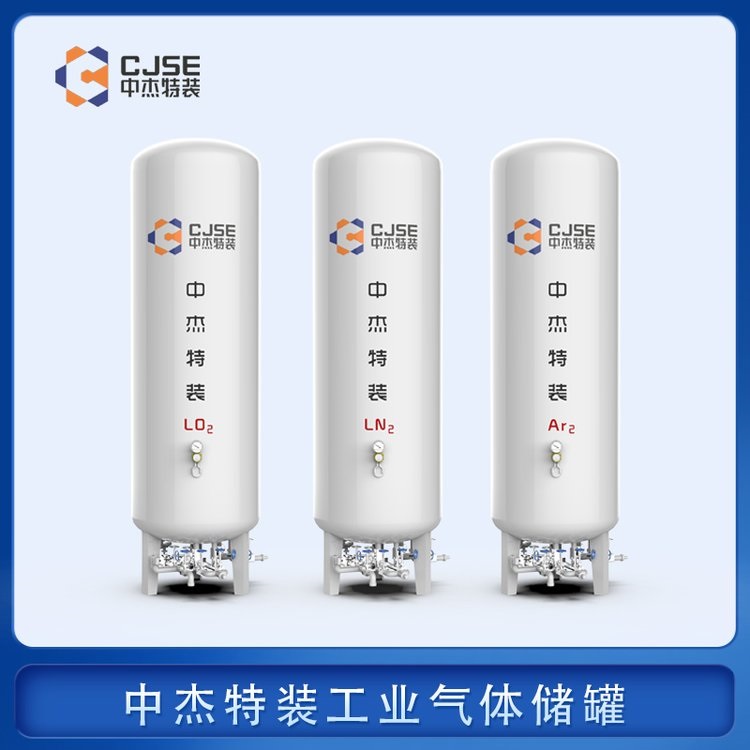
In the welding process of low-temperature liquid storage tanks, controlling the occurrence of welding cracks is crucial. The following are some methods and measures for controlling welding cracks:
Appropriate Welding Techniques: Selecting the right welding process and parameters can reduce welding heat input and thermal stress. Methods with low heat input, such as pulse welding and laser welding, can lower the temperature gradient and residual stress in the heat-affected zone.
Preheating and Post-heating Treatment: Perform appropriate preheating before welding to enhance material toughness and reduce thermal stress. Conduct proper post-heating treatment, such as annealing or stress-relief heat treatment, after welding to minimize residual stress and improve the toughness of the weld.
Select appropriate welding materials: Choose welding materials with good toughness and crack resistance to minimize the occurrence of welding cracks. Select the appropriate welding material based on the storage tank's operating conditions and requirements, such as low-alloy steel, stainless steel, etc.
Control Welding Process: Regulate parameters and operations during the welding process to minimize the risk of welding cracks. Pay attention to factors such as welding speed, current, voltage, and welding sequence to avoid overheating or rapid welding, reducing the accumulation of thermal and residual stresses.
Inspection and Evaluation: After welding, perform non-destructive tests on the welds, such as ultrasonic testing and X-ray testing, to assess welding quality and the presence of cracks. Detect and repair welding cracks promptly to ensure the integrity and safety of the weld joints.
It's important to note that controlling welding cracks is a complex process requiring a comprehensive consideration of factors such as materials, welding techniques, and operations. When welding low-temperature liquid storage tanks, it is recommended to consult with a welding engineer or a relevant institution for guidance to ensure both welding quality and tank safety.
ZJ Special Equipment adheres to the great vision of "realizing employees' dreams, creating value for customers, and striving for the prosperity and strength of our motherland," wholeheartedly commits to the development of the green energy equipment industry, and dedicates high-value products and services to society!
WeChat Official Account

Scan to follow Official Account



















