


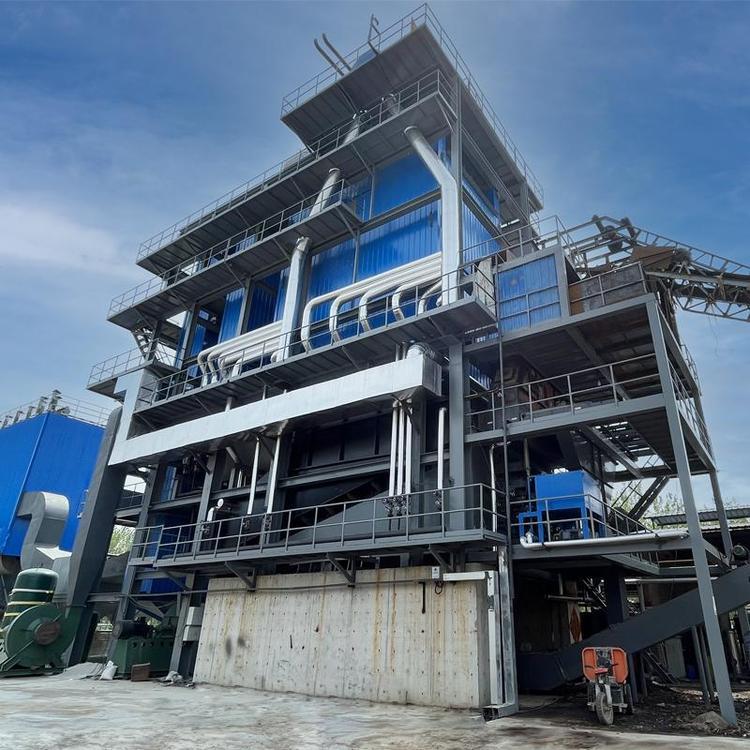

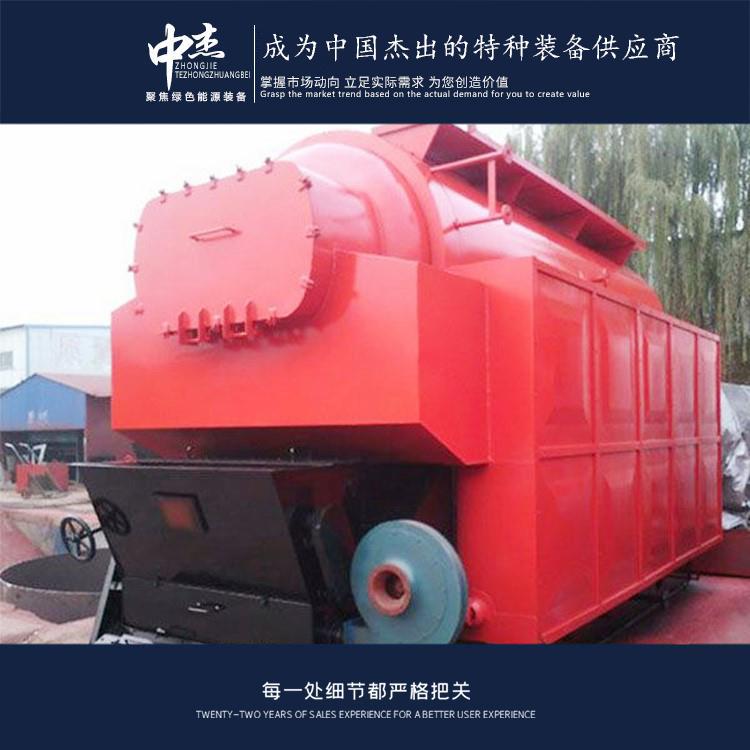
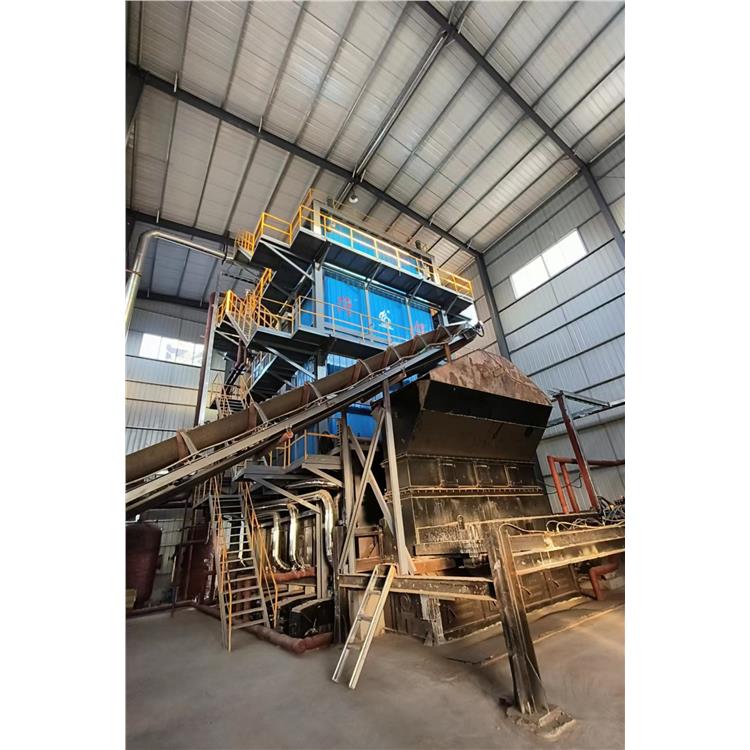


















Shandong Zhongjie Special Equipment (formerly Heze Boiler Factory Co., Ltd.) was established in 2001, located at No. 2218 Jinnan Road, Economic and Technological Development Zone, Heze City. With a registered capital of 50 million yuan and total assets of 500 million yuan, the company has 7 business centers: boilers, deep-freeze containers, pressure vessels, central air conditioning, engineering installation, international trade, and Internet of Things. It has three factory sites on Jinnan Road, East Changjiang Road, and Bohai Road, covering a total of 200,000 square meters. The main workshop spans 83,000 square meters. The company currently employs 710 staff, including 247 engineers and technicians, and 82 intermediate-level technical personnel. In December 2016, it was recognized as a "High-Tech Enterprise" by the Science and Technology Department. In June 2021, it was identified as a "Specialized and New Enterprise in Shandong Province" by the Ministry of Industry and Information Technology. In June 2022, it was recognized as a "Gazelle Enterprise in Shandong Province" and in August 2022, it was identified as a "Specialized and New Small Giant Enterprise" by the Ministry of Industry and Information Technology.
To enhance the thermal efficiency of biomass boilers, consider the following aspects:
Optimize the combustion system: Reasonably adjust the combustion system of the biomass boiler, including parameters such as air flow, combustion temperature, and combustion time, to ensure complete fuel combustion and utilization. Adopted combustion technologies like fluidized bed combustion and gasification combustion can enhance combustion efficiency.
Regulate Excess Air: Properly control the air supply during the combustion process of biomass boilers to prevent excessive air from entering the furnace, thereby reducing fuel oxidation and heat loss. Adjust the combustion air flow and air distribution to achieve the optimal mixture of fuel and air, enhancing combustion efficiency.
Enhanced Waste Heat Recovery: The flue gas produced by biomass boiler combustion contains a significant amount of heat energy. This heat can be recovered and utilized through waste heat recovery devices, such as economic air preheaters and economizers, thereby improving the boiler's thermal efficiency.
Optimize boiler operating parameters: Reasonably adjust the operating parameters of biomass boilers, such as boiler water temperature and steam pressure, to enhance thermal efficiency. Adjust the boiler operating mode based on actual demand and load changes, avoiding excessive or insufficient heating, and improving energy utilization efficiency.
Regular Cleaning and Maintenance: Perform regular cleaning and maintenance on biomass boilers to remove ash and debris from the combustion chamber, maintaining the efficiency of heat exchange and reducing thermal resistance and losses.
Utilize equipment and materials: Selected biomass boiler equipment and materials, such as burners, heat exchangers, etc., to enhance thermal conduction and heat exchange efficiency.
By integrating these measures, the thermal efficiency of biomass boilers can be significantly improved, achieving energy utilization.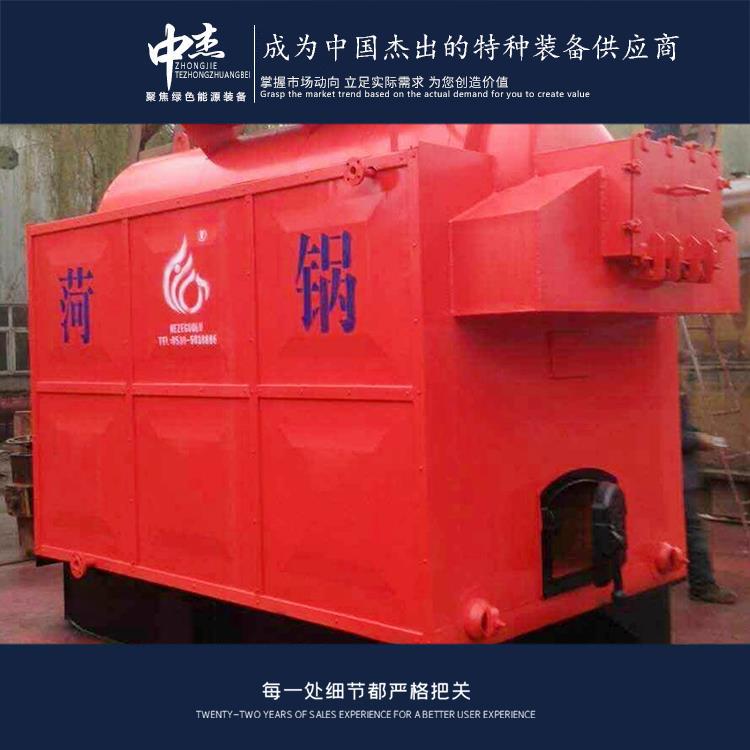
Biomass fuel refers to fuels made from biomass materials that can be used for energy production. Common types of biomass fuel include:
Timber and wood chips: Including firewood, charcoal, and wood pellets, etc.
Agricultural straw: such as corn straw, rice straw, etc.
Energy crops: such as sugarcane, corn, rapeseed, etc.
Animal Manure: such as cow dung, chicken dung, etc.
Anaerobic fermentation gas produced from organic waste.
Bio-oil: such as vegetable oils, animal fats, etc.
Bioethanol: Ethanol fuel produced through fermentation of plants.
Biofuel: Fuel produced by esterification reaction from vegetable oils or animal fats.
These biomass fuels can be used in power generation, heating, and fuel substitution, offering advantages such as being renewable and low in carbon emissions.
During the operation of biomass hot water boilers, the following aspects should be noted:
Fuel Quality: Select biomass fuel quantities that meet the boiler's requirements for moisture content and particle size. Low-quality fuel can lead to incomplete combustion and blockages.
Combustion Effect: Pay attention to monitoring and adjusting the combustion effect to ensure the stability and completeness of the combustion process. Adjust combustion parameters, such as combustion temperature and duration, in accordance with the boiler's operating status and fuel characteristics.
Clean Combustion System: Regularly clean the combustion system, including the combustion chamber, burner, and burner nozzle. Remove ash, sediment, and dirt to maintain the system's通畅, preventing incomplete combustion and unstable flames.
Water Treatment: Pay attention to the water treatment of the boiler, including water hardness, alkalinity, and impurities in the water. Adopt corresponding water treatment measures based on the water quality to prevent scale and corrosion, and protect the boiler's heat exchangers and pipes.
Regular Maintenance: Perform regular maintenance on biomass hot water boilers, including cleaning, lubricating, and securing. Check that all components and connections of the boiler are functioning properly to ensure optimal operational status.
Safe Operation: Adhere to the boiler operation procedures and safety regulations to ensure the safe operation of the boiler. Monitor and control parameters such as pressure and temperature, and handle abnormal situations promptly.
In summary, pay attention to fuel quality, combustion efficiency, cleanliness of the combustion system, water treatment, regular maintenance, and safety.
Biomass boilers are prone to corrosion at high temperatures, mainly due to the following factors:
Fuel Composition: Biomass fuel contains certain ash and elements such as chlorine, which, during combustion, form corrosive substances under high temperatures, such as chlorides and salts. These substances react with the metal surface, leading to metal corrosion.
Combustion Conditions: Factors such as combustion temperature, oxygen content, and combustion rate during biomass combustion affect corrosion occurrence. High temperatures, excessive oxygen, and rapid combustion rates accelerate corrosion.
Smoke Composition: The smoke produced from biomass combustion contains certain acidic substances, such as, etc. These acidic substances can react with the metal surface, causing corrosion.
Flue Gas Condensation: During the flue gas condensation process in biomass boilers, water vapor in the flue gas condenses into liquid water, forming acidic condensate. This acidic condensate comes into contact with the metal surface, causing corrosion.
Metal Material Selection: The metal materials used in biomass boilers also affect their resistance to corrosion. Different metal materials exhibit varying corrosion resistance to different corrosive mediums.
In summary, the causes of high-temperature corrosion in biomass boilers primarily include fuel composition, combustion conditions, flue gas composition, flue gas condensation, and the selection of metal materials. To alleviate corrosion issues,
Zhong Jie Special Equipment upholds the grand vision of "Realizing employees' dreams, creating value for customers, and striving for the prosperity and strength of our motherland," wholeheartedly commits to the development of green energy equipment industry, and dedicates high-value products and services to society!
WeChat Official Account

Scan to follow Official Account



















