


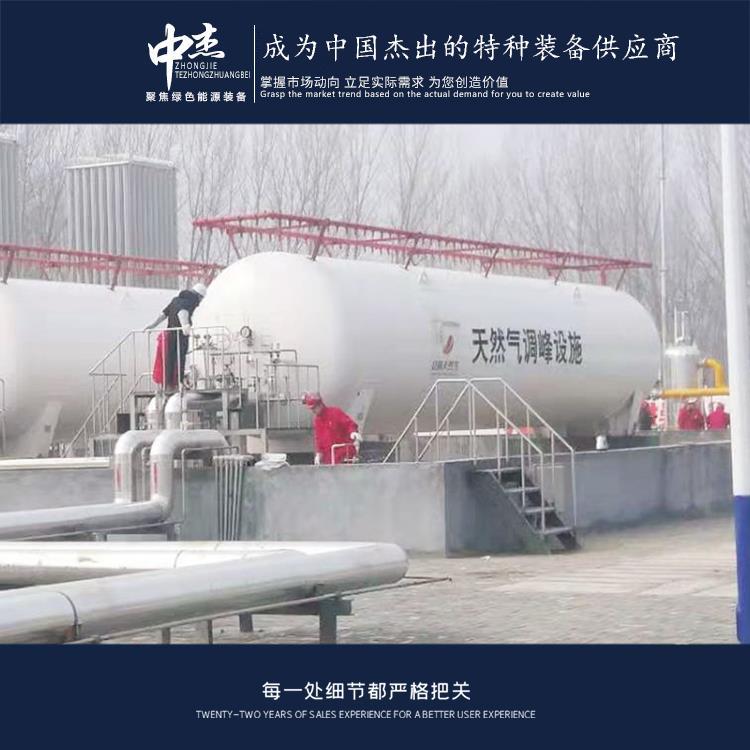

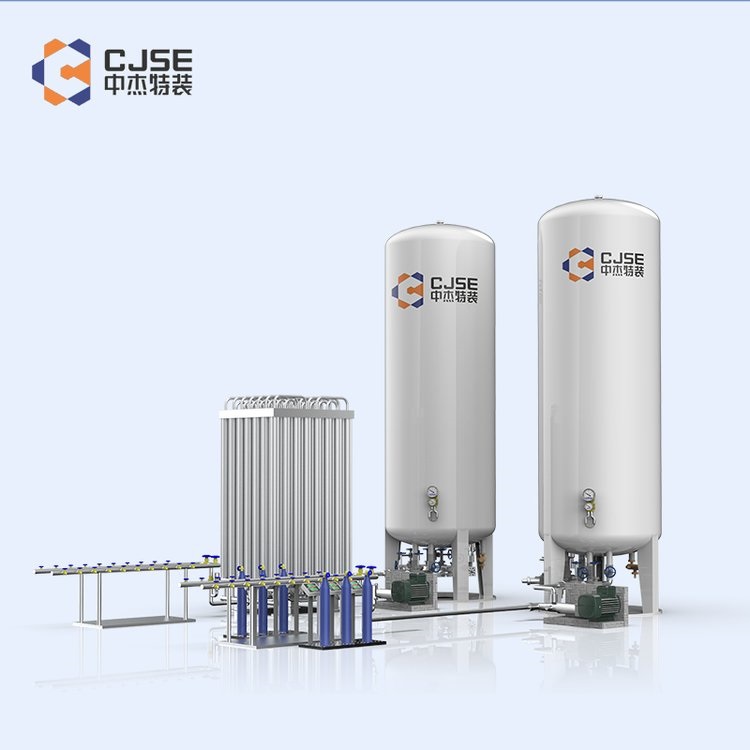
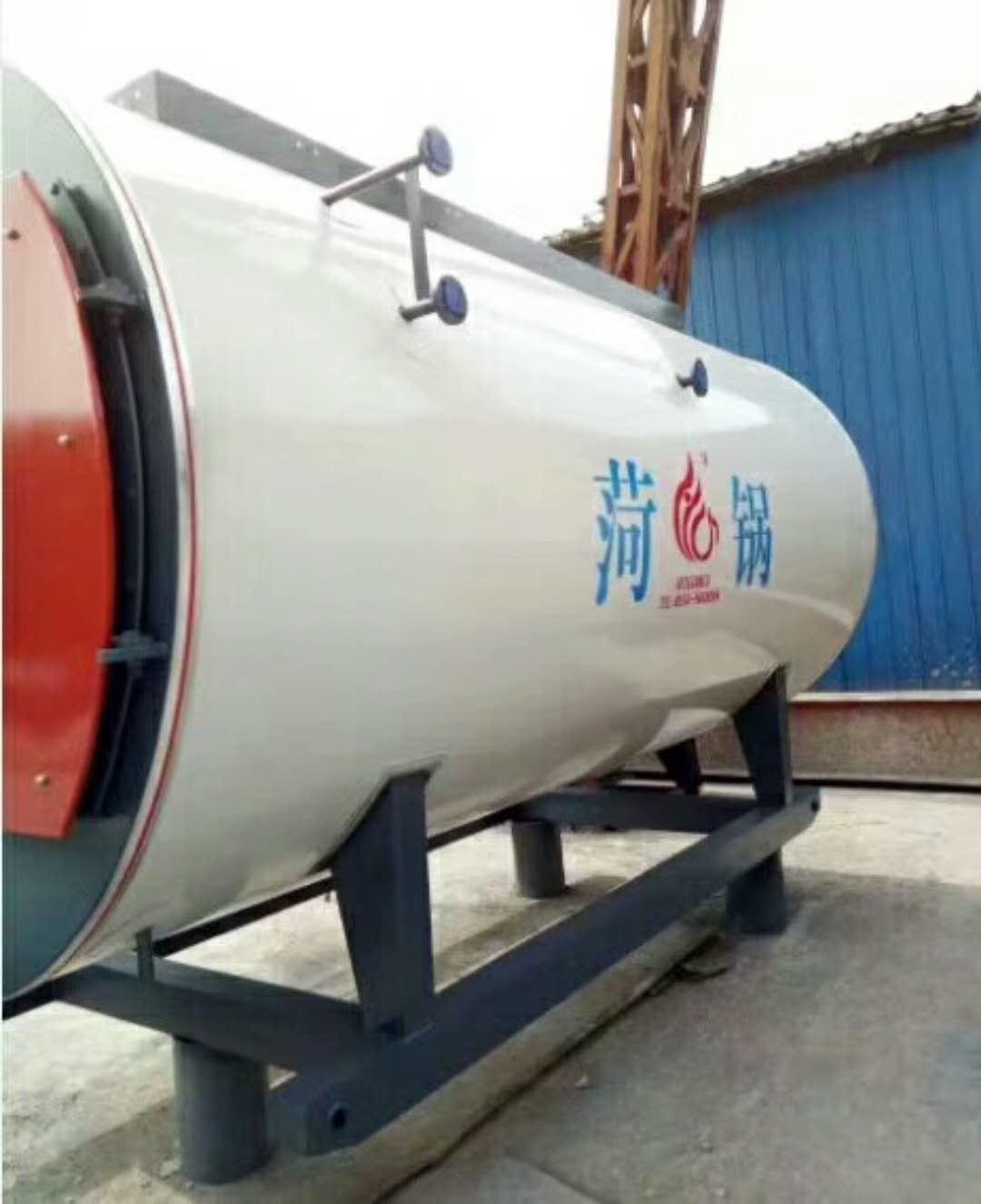


















Shandong Zhongjie Special Equipment (formerly Heze Boiler Factory Co., Ltd.) holds an A-grade boiler manufacturing license, A2-grade pressure vessel manufacturing license, A2-grade pressure vessel design license, B-grade boiler installation license, GB2 and GC2 pressure pipeline installation licenses, and equipment and machinery installation contracting qualifications. It is a member of the China Boiler and Water Treatment Association, the China Chemical Equipment Association, and the council member of the Shandong Equipment Manufacturing Association. The company has also passed certifications for the ISO9001 Quality Management System, ISO14001 Environmental Management System, OHSAS18001 Occupational Health and Safety Management System, and the American ASME/U2 certification.
The liquid level of a carbon dioxide tank will vary based on specific design and operational requirements. Generally, the liquid level in a liquid carbon dioxide tank is typically maintained between 80% and 95%. There are several reasons for keeping the tank level within this range:
- Space retention: Maintaining a certain level of liquid provides steam space inside the tank, preventing overpressure and the risk of tank explosion.
- Storage capacity: Keeping a higher level maximizes the tank's capacity, allowing for more carbon dioxide storage.
- Stable supply: Maintaining an appropriate level ensures a stable supply of carbon dioxide to meet usage demands.
However, specific level requirements may vary depending on different applications and industries. When using a carbon dioxide tank, follow the manufacturer's recommendations and relevant regulations and standards to ensure the tank's level is controlled within a safe and appropriate range.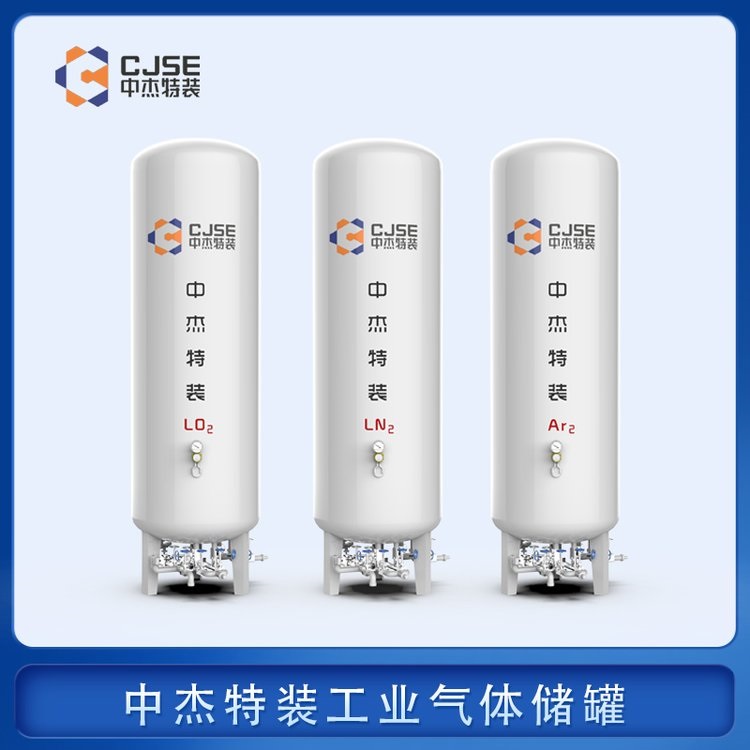
Types of carbon dioxide storage tanks include: Atmospheric Pressure Tanks: These are containers for storing carbon dioxide with working pressures close to atmospheric pressure. Atmospheric pressure tanks are suitable for low-pressure applications, such as the beverage industry and gas fire suppression systems. High Pressure Tanks: High pressure tanks are containers for storing carbon dioxide with working pressures above atmospheric pressure. They are typically used in industrial settings like chemical processing and refrigeration. Liquid Storage Tanks: These tanks are designed for liquefying and storing carbon dioxide at temperatures below ambient. They are commonly used for large-scale storage of liquid CO2, such as in food freezing and pharmaceutical manufacturing. Vapor Storage Tanks: Vapor storage tanks are used for storing gaseous carbon dioxide after liquefaction, with temperatures and pressures suitable for vaporization. They are usually employed in situations requiring the vaporization of liquid CO2, like carbonation in beverages and welding. Insulated Tanks: Insulated tanks are characterized by excellent thermal insulation properties and are used to reduce heat transfer and liquid evaporation. They are typically used for long-term storage of liquid CO2, such as in scientific research and refrigeration. It's important to select the appropriate type of carbon dioxide storage tank based on specific application and environmental requirements, and to operate and manage them in accordance with relevant regulations and standards.
Dry ice is a frozen agent obtained by directly converting carbon dioxide gas into a solid under high pressure. It has several applications:
- Food and pharmaceuticals freezing: Dry ice is widely used for the transportation and storage of food and pharmaceuticals. Due to its low temperature and rapid cooling speed, it can effectively maintain the freshness and quality of food and medicines.
- Special effects and stage performances: Dry ice is also extensively used in special effects and stage performances. When it comes into contact with environmental heat, it quickly turns into gas, producing a large amount of white smoke effect, creating a mysterious and dramatic atmosphere.
- Cleaning and disinfection: Dry ice can also be used for cleaning and disinfection. When it comes into contact with surfaces, due to the drop in temperature and the physical impact of the vaporization process, it can effectively remove dirt, bacteria, and viruses without leaving residues.
- Laboratories and scientific research: Dry ice also finds applications in laboratories and scientific research. It can be used for freezing samples, preparing low-temperature experimental environments, and making cold traps and condensers, among others.
It should be noted that safety is crucial when using dry ice. It is important to avoid direct contact with skin and eyes, and to prevent use in enclosed spaces to avoid the accumulation of carbon dioxide leading to oxygen deficiency.
The automated maintenance system for carbon dioxide tanks typically includes the following main components:
- Pressure Maintenance System: Monitors and adjusts the internal pressure of the tank to ensure the CO2 remains within a safe and stable pressure range. This system includes pressure sensors, control systems, pressure control valves, and pressure reserve devices.
- Temperature Control System: Monitors and adjusts the internal temperature of the tank to maintain the CO2 within an appropriate temperature range. The system includes temperature sensors, control systems, and temperature regulation devices.
- Level Monitoring System: Measures and monitors the liquid level within the tank to ensure the CO2 level stays within a safe range. This system can utilize float level gauges, pressure level gauges, ultrasonic level gauges, etc.
- Leak Detection System: Monitors the tank and pipeline system for leaks, enabling timely detection and alarms. The system can employ gas sensors, liquid sensors, and leak alarms.
- Fire Detection and Extinguishing System: Monitors fire conditions in the tank area and takes appropriate extinguishing measures. The system includes fire detectors, alarms, and extinguishing equipment.
- Remote Monitoring and Control System: Remotely monitors and controls the tank's operational status and parameters for remote operation and management. This system connects via network, providing real-time data and remote control functions.
The above lists the main components of a typical automated maintenance system for carbon dioxide tanks. The specific system configuration and functions can be customized according to the tank's design requirements and application scenarios. These automated maintenance systems enhance the tank's safety, stability, and reliability, reducing the need for manual intervention and operational risks.
Shandong Zhongjie Special Equipment, welcome customers to visit our factory for business discussions.
WeChat Official Account

Scan to follow Official Account



















