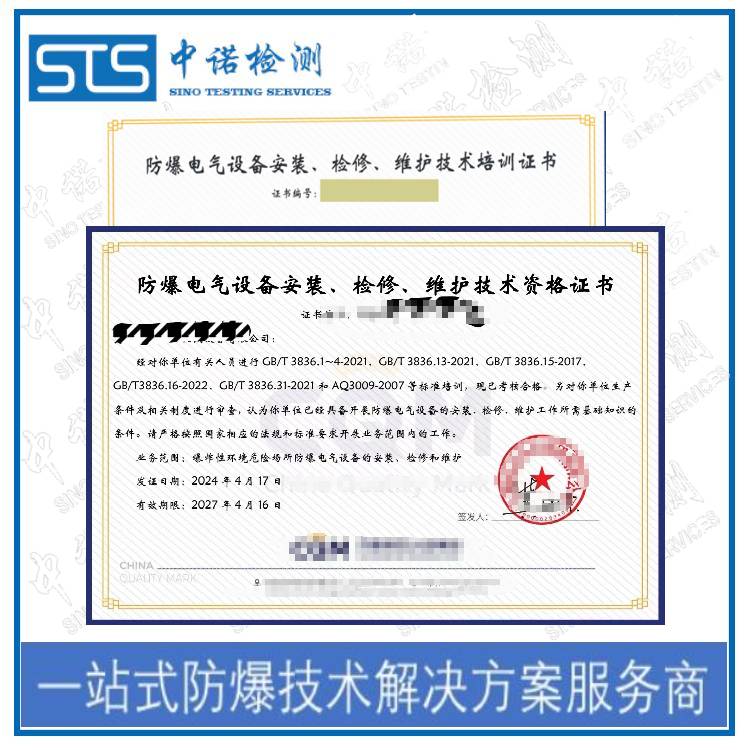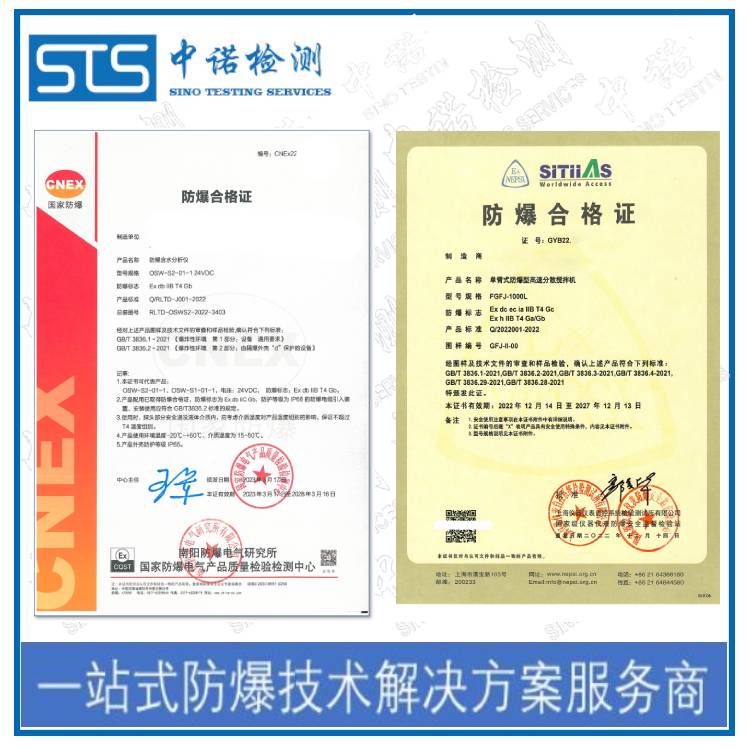

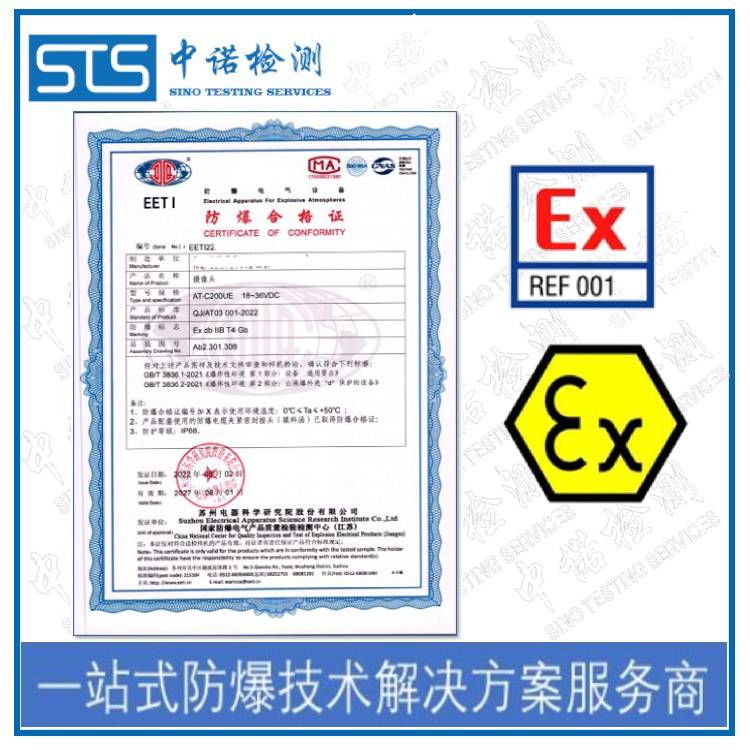
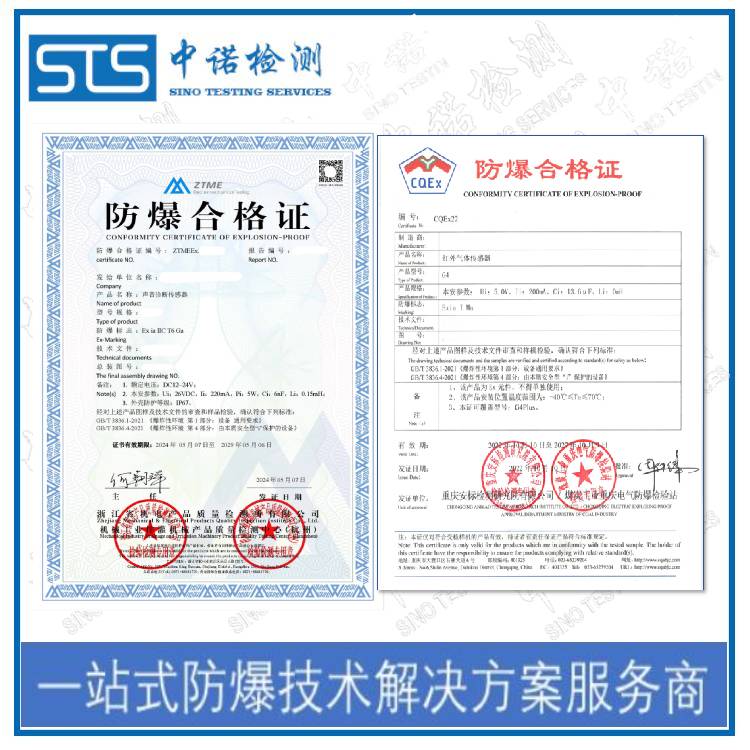


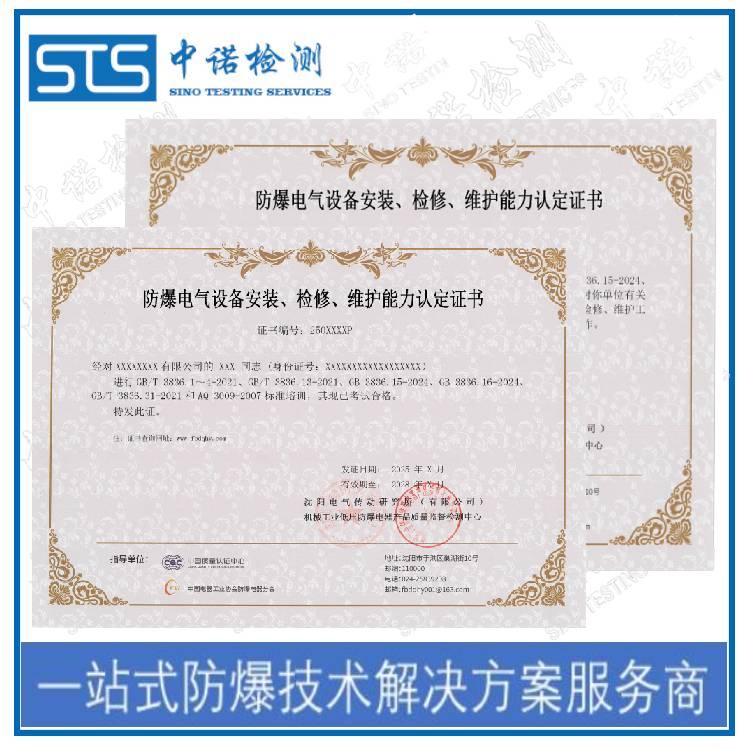
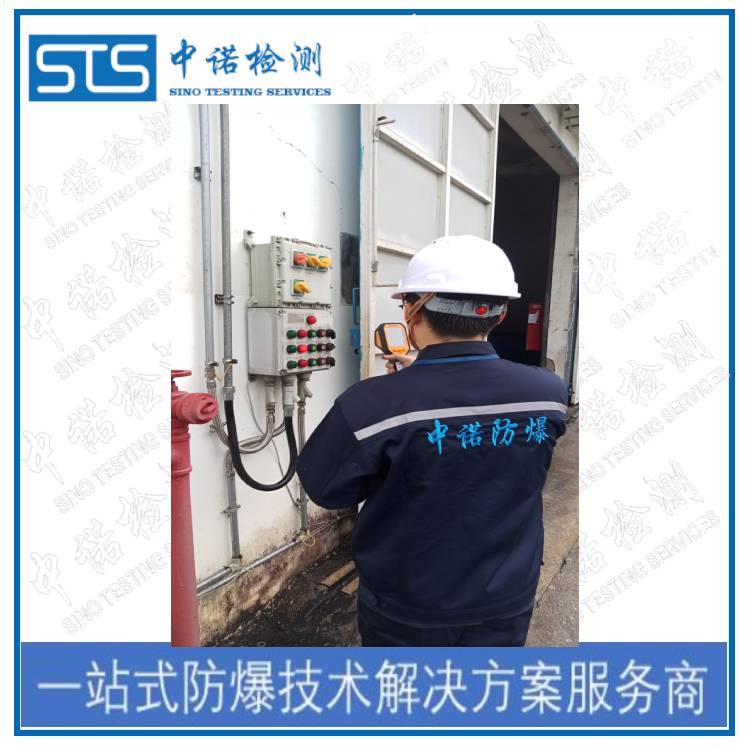
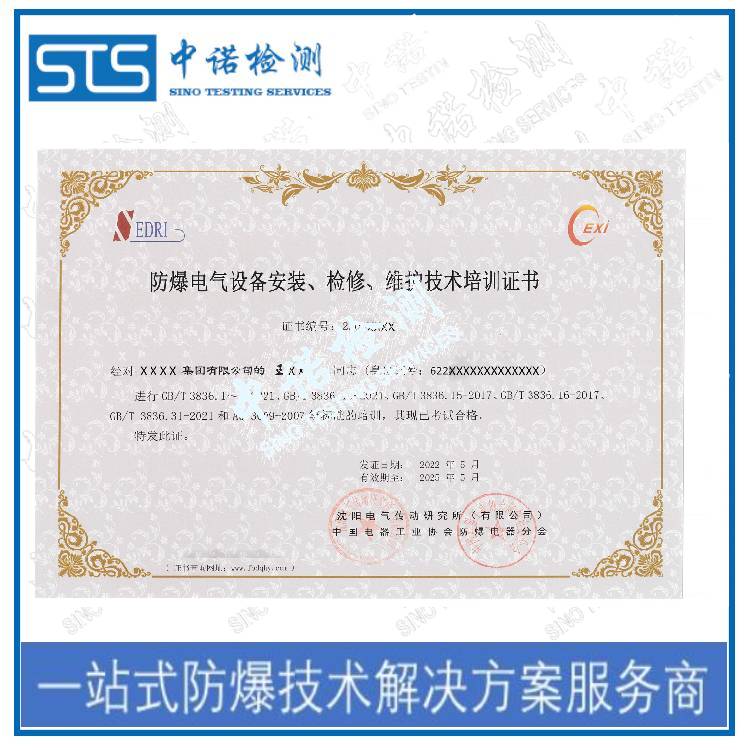
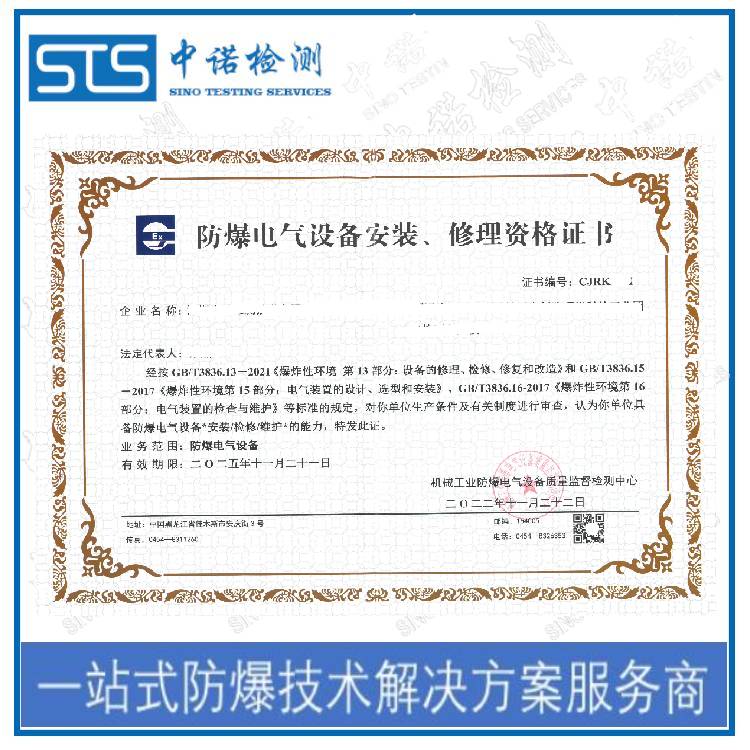
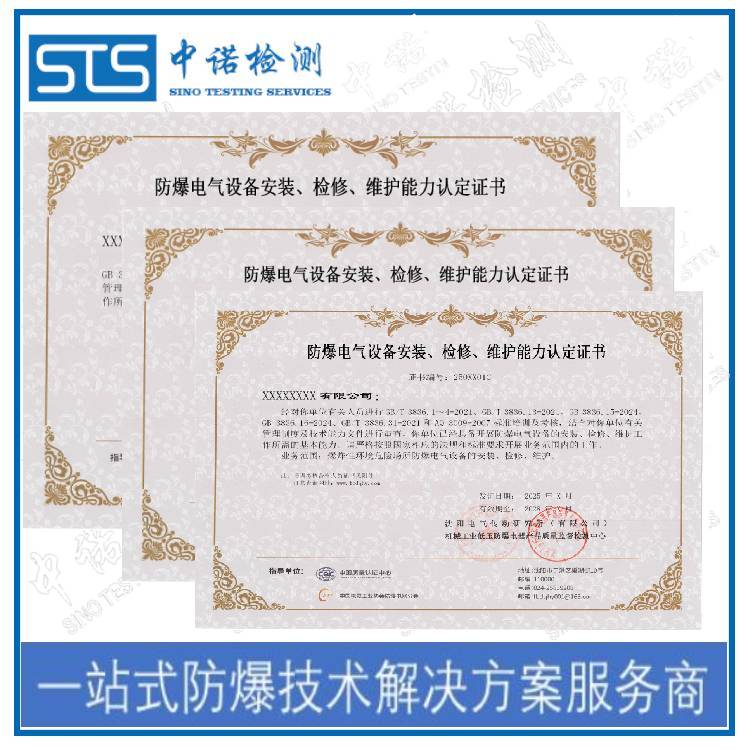





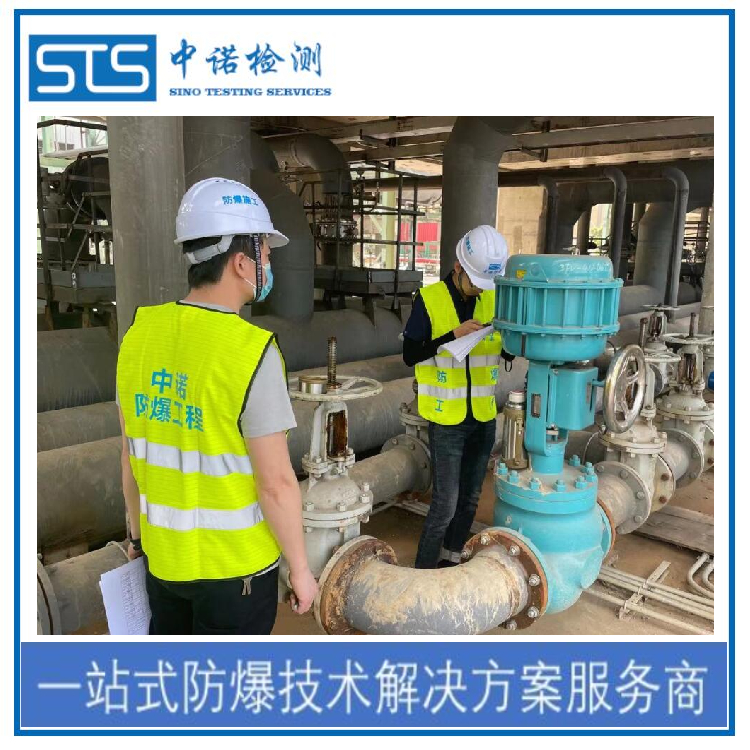
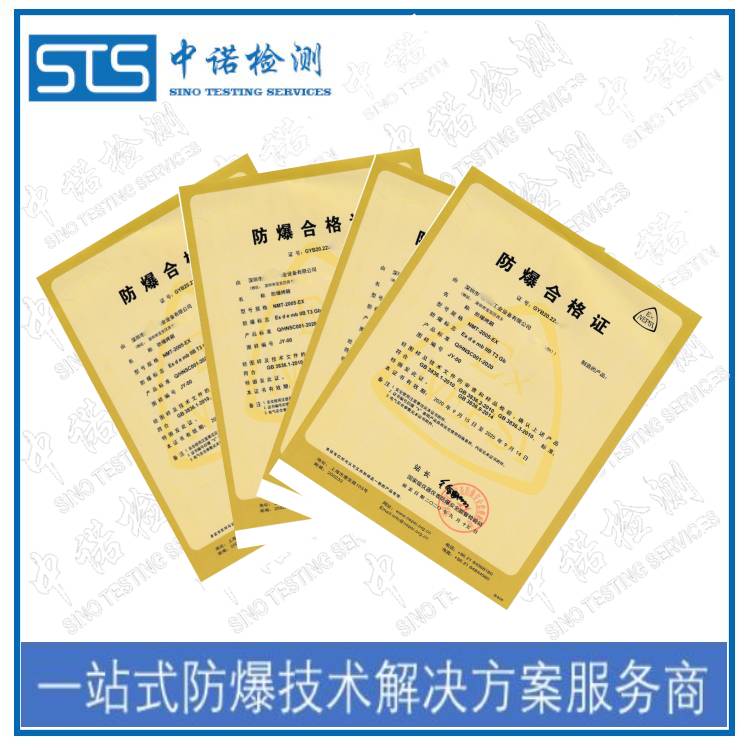
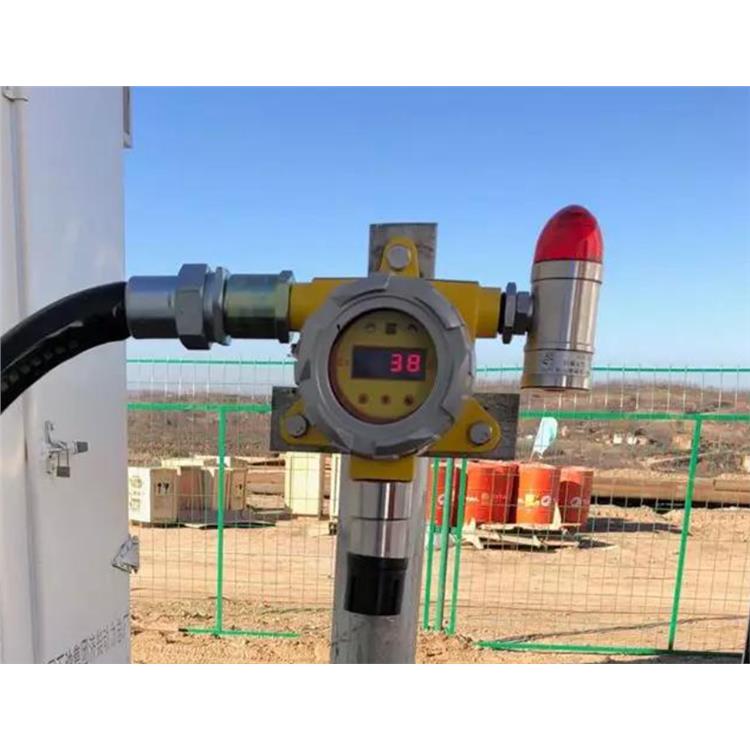
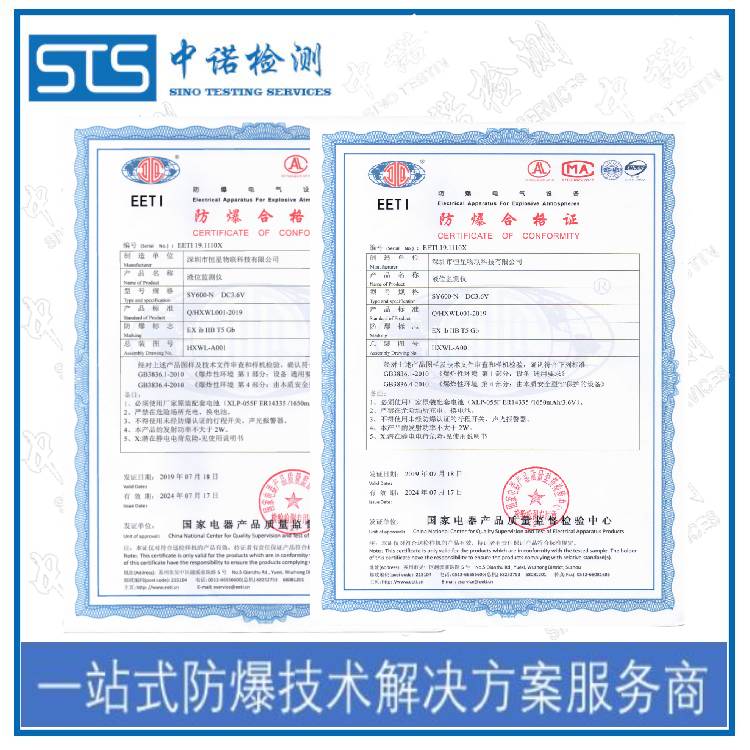
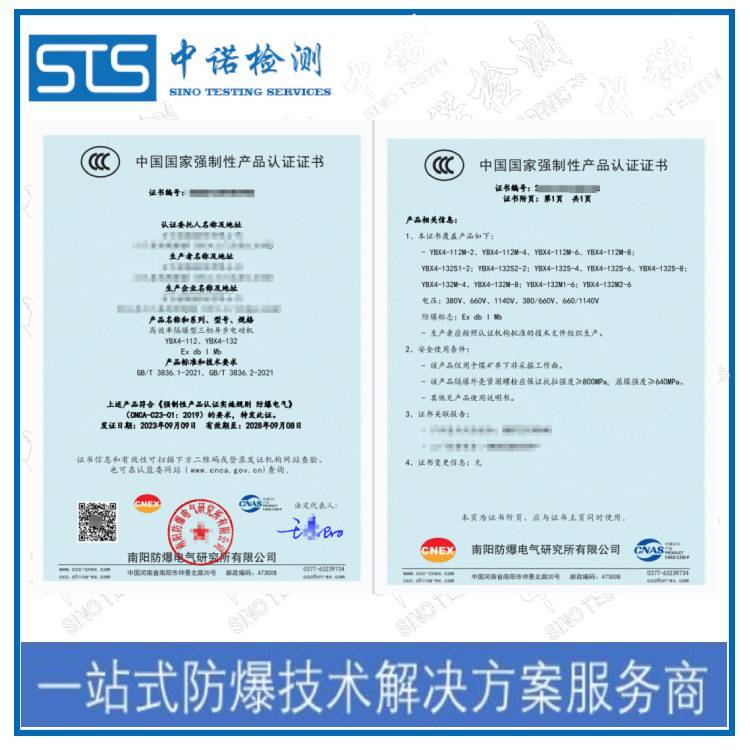
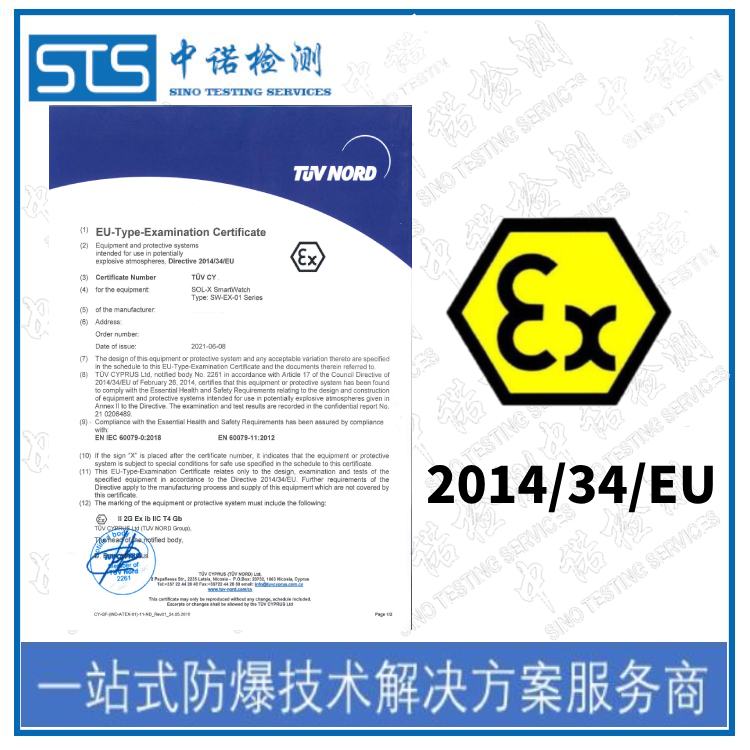
Shenzhen ZhongNuo Testing Technology Co., Ltd. is based in South China and specializes in explosion-proof certification and coal mine safety certification application consulting services, offering one-stop explosion-proof technology consulting services.
Explosion-proof product categories certified:
The new implementation measures are divided into 17 product units:
Explosion-proof motors: Center height ≤ 160mm, or rated power ≤ 15kW; Explosion-proof motors: 160mm < center height ≤ 280mm or 15kW < rated power ≤ 100kW; Explosion-proof motors: 280mm < center height ≤ 500mm or 100kW < rated power ≤ 500kW; Explosion-proof motors: Center height > 500mm or rated power > 500kW.
2. Explosion-proof electric pumps
3. Explosion-proof distribution equipment
4. Explosion-proof switches, control, and protection products
5. Explosion-proof starters
6. Explosion-proof transformers
7. Explosion-proof electric actuators, solenoid valves
8. Explosion-proof connector assembly
9. Explosion-proof surveillance products
10. Explosion-proof Communication and Signal Equipment
11. Explosion-proof Air Conditioners, Ventilation Equipment
12. Explosion-proof electric heating products
13. Explosion-proof accessories, Ex components
14. Explosion-proof instrumentation and equipment
15. Explosion-proof sensor
16. Safety Fencing
17. Explosion-proof instrument boxes
Flammable Dust Environment Explosion-Proof Certification Standard:
GB/T 3836.1-2021 Explosive Atmospheres Part 1: Equipment General Requirements
GB/T 3836.4-2021 Explosive Atmospheres – Part 4: Equipment protected by intrinsic safety “i”
GB/T 3836.5-2021 Explosive Atmospheres, Part 5: Equipment protected by positive pressure enclosure "p"
GB/T 3836.9-2021 Explosive Atmospheres, Part 9: Equipment protected by "m" type encapsulation
GB/T 3836.31-2021 Explosive Atmospheres Part 31: Equipment protected by dust-protection enclosures "t"
Limitation requirements for surface resistance of non-metallic casings of explosion-proof equipment
In hazardous areas with explosive dust or gases, such as coal dust and flour, static electricity may cause fires or explosions, posing a significant risk. Therefore, it is advisable to minimize the use of insulating materials in explosive hazardous areas. When selecting electrical insulating materials, consider maintaining a low insulation resistance to prevent discharge when non-metallic components come into contact with charged components. For non-metallic insulating materials, the antistatic ability of the equipment can be assessed by measuring the surface resistance of the equipment's housing.
Surface Resistance, measured in ohms (Ω), refers to the resistance between two electrical contacts on the measuring surface.
In compliance with the IEC 60079 series standards:
1. In Category II explosive gas environments, when the surface area of a non-metallic enclosure for electrical equipment exceeds a certain limit (as shown in Table 1), a surface resistance test of the non-metallic material is required to verify that: by selecting the material, the surface resistance meets at least one of the following requirements when measured in accordance with IEC 60079-0 26.13:
At ≤1 GΩ, (505)% relative humidity;
At ≤100 GΩ, (305)% relative humidity.
2. In environments with Class III explosive dust, if the surface area of the non-metallic housing of electrical equipment does not exceed 500 mm², the risk of static electricity can be disregarded; if it exceeds this limit, a surface resistance test must be conducted for verification. The criteria for assessment are the same as those for the surface resistance test limits in Class II gas environments. For fixed installation equipment that cannot meet the surface resistance limits, an "X" can be added after the "Explosion-proof" sign, a corresponding warning sign should be placed on the equipment, and the user should be informed in the user manual.
What documents are required to apply for an explosion-proof certification?
1. Product drawings and documentation: When an enterprise applies for a explosion-proof certification for intrinsically safe electrical equipment, it should provide assembly drawings, circuit diagrams, printed circuit board layouts, silk-screening diagrams, component material lists, and label drawings, etc. For non-intrinsically safe electrical equipment, the technical documents submitted for inspection should include drawings that reflect the explosion-proof performance of the sample (including assembly drawings and component drawings). If the assembly drawing can clearly indicate the explosion-proof parameters and structure of the product, only the assembly drawing needs to be submitted for inspection.
2. Technical Documents: Include corporate standards/technical requirements. The corporate standards/technical requirements for the product should be written in the specified format, and their content should not only cover the performance requirements of the product but also include relevant aspects of explosion-proof: such as basic parameters, explosion-proof markings, operating environmental conditions, explosion-proof performance requirements, relevant tests for explosion-proof performance, and markings related to explosion-proof.
3. Additional Information: For products with adhesive bonding or casting, provide the model names and performance descriptions of the corresponding adhesives and casting agents, along with relevant process documents. For products with plastic casings, supply the material and corresponding performance documents of the plastic. Products with batteries require the provision of battery specifications.
Explosion-proof Certification Application Consulting Service - Shenzhen ZhongNuo Testing Technology Co., Ltd.
WeChat Official Account

Scan to follow Official Account