


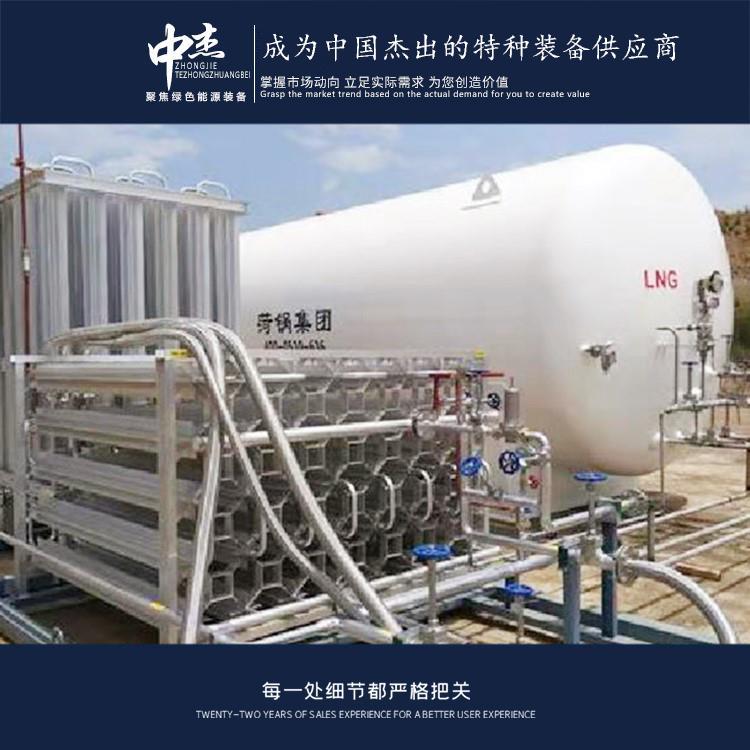

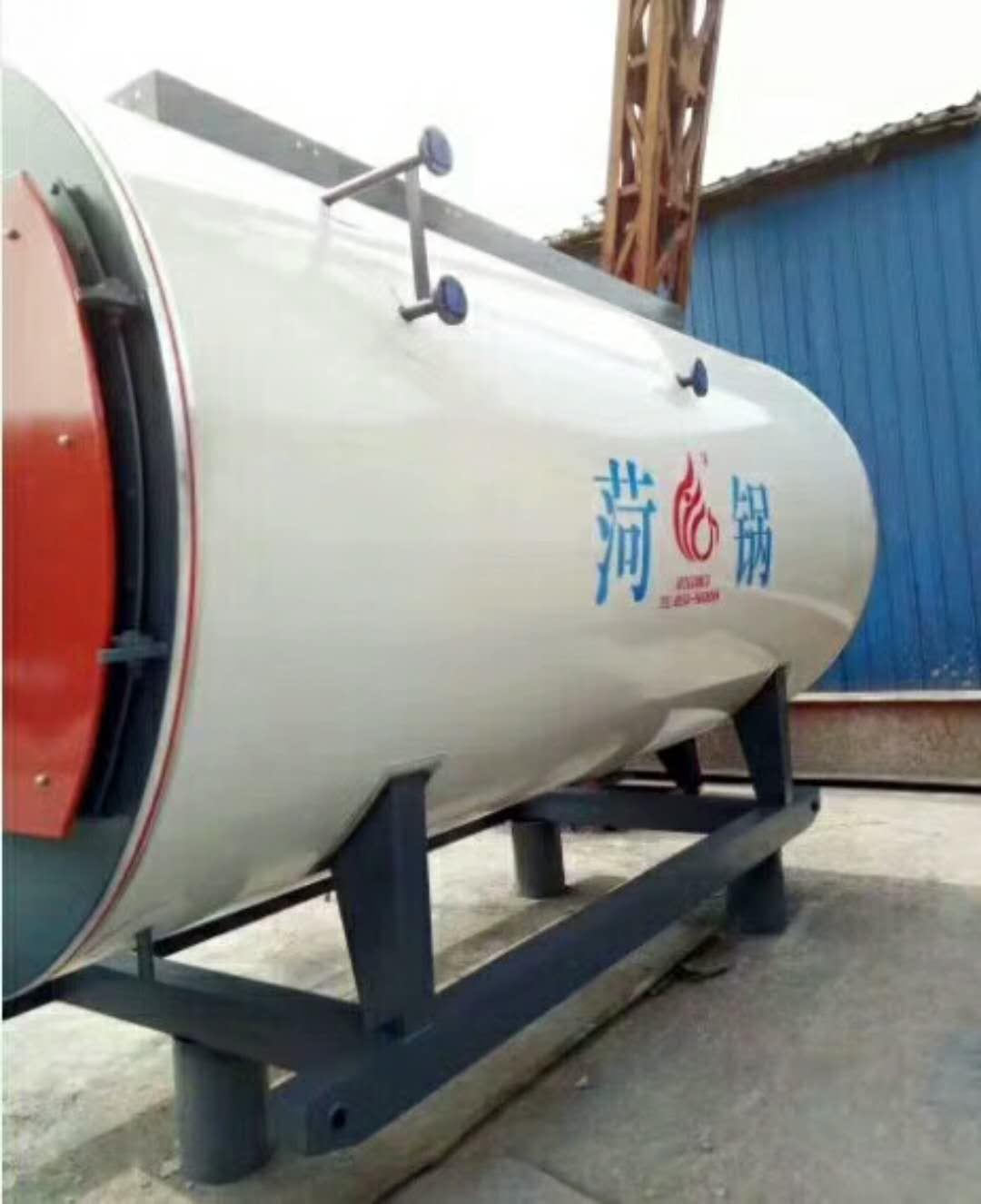


















Shandong Zhongjie Special Equipment Co., Ltd. (formerly Heze Boiler Factory Co., Ltd.) was established in 2001, located at No. 2218 Jinan Road, Development Zone, Heze City. With a registered capital of 50 million yuan and total assets of 500 million yuan, the company operates seven business centers: boilers, deep-freezing containers, pressure vessels, central air conditioning, engineering installation, international trade, and Internet of Things. It has three manufacturing sites on Jinan Road, East Yangtze Road, and Bohai Road, covering a total of 200,000 square meters. The main workshop spans 83,000 square meters. Currently, there are 710 employees, including 247 engineering and technical staff and 82 intermediate-level technicians. In December 2016, it was recognized as a "High-tech Enterprise" by the Science and Technology Department. In June 2021, it was identified as a "Specialized and New Enterprise in Shandong Province" by the Ministry of Industry and Information Technology. In June 2022, it was named a "Gazelle Enterprise in Shandong Province," and in August 2022, it was recognized as a "Specialized and New Small Giant Enterprise" by the Ministry of Industry and Information Technology.
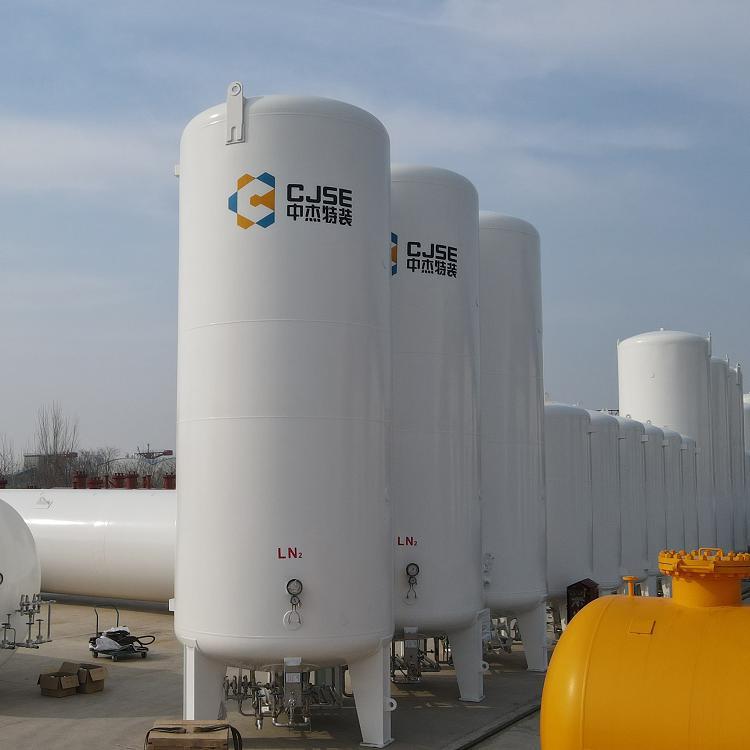
The process of filling a carbon dioxide tank involves injecting liquid carbon dioxide into the tank. Here are some precautions to consider when filling a carbon dioxide tank: Safety Operation: It is mandatory to follow the relevant safety procedures during the filling process. Operators should be trained and aware of the tank's characteristics and safety considerations to ensure safe operation. Tank Capacity Control: Ensure that the filling process does not exceed the tank's rated capacity. Exceeding this capacity can lead to excessive pressure in the tank, increasing safety risks. Filling Rate Control: The filling rate should be moderate, avoiding both too fast and too slow. A rapid filling rate can cause excessive internal pressure, while a slow rate can prolong the filling time. Temperature Control: Control the temperature of the liquid carbon dioxide during the filling process. High temperatures can cause rapid evaporation, and low temperatures can lead to solidification. Pressure Control: Monitor the internal pressure of the tank during the filling process. Excessive pressure can cause the tank to rupture or leak, while low pressure may result in inadequate filling. Level Monitoring: Regularly monitor the tank's level during the filling process to ensure accurate measurements and avoid overfilling or underfilling. Pressure Relief Devices: The tank should be equipped with pressure relief devices, such as safety valves, to control internal pressure. The set pressure of these devices should meet relevant requirements and be inspected and maintained regularly. Environmental Protection: Pay attention to environmental protection during the filling process, preventing leaks and pollution of liquid carbon dioxide. Use appropriate protective measures, such as sealed connections and protective devices. The above are some precautions to consider when filling a carbon dioxide tank. When performing filling operations, follow relevant safety regulations and standards, and consult experts to ensure safety and effectiveness.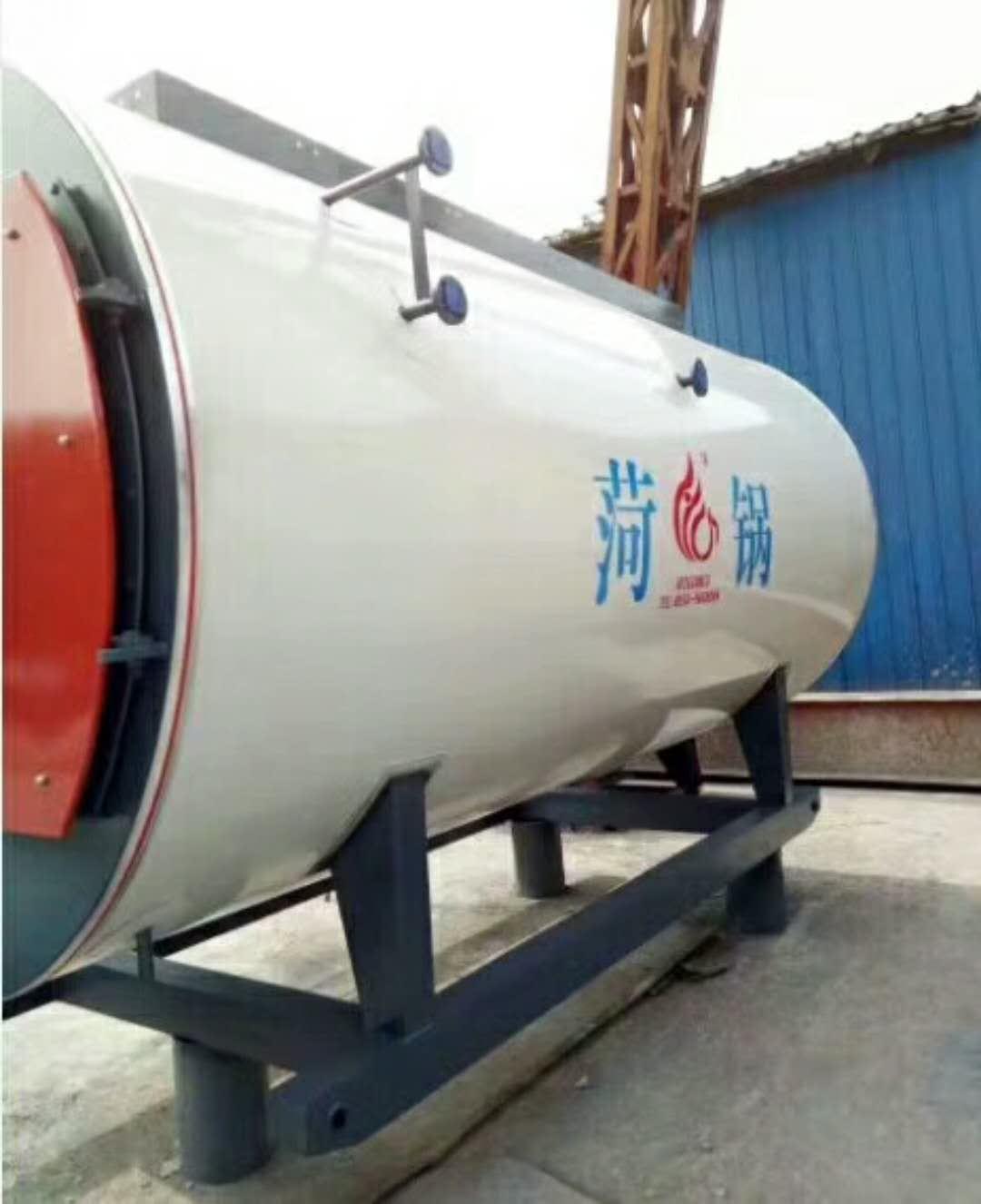
The internal structure of a carbon dioxide storage tank typically includes the following main components:
- Tank Shell: The tank shell is the primary container for storing carbon dioxide, usually made of carbon steel or stainless steel. It has sufficient strength and密封性 to withstand the pressure and load within the tank.
- Lining Layer: To prevent direct contact between carbon dioxide and the tank shell, avoiding corrosion and contamination, the interior of the tank is usually coated with a lining layer. The lining layer is typically made of corrosion-resistant materials such as glass fiber reinforced plastic, polyester resin, etc.
- Support Structure: To support the weight of the tank and maintain stability, a support structure is usually installed within the tank. This can include supports, frames, etc., to support the bottom and side walls of the tank.
- Internal Accessories: The tank is also equipped with some important accessories, such as level gauges, pressure sensors, temperature sensors, safety valves, etc. These accessories are used to monitor and control the liquid level, pressure, and temperature within the tank to ensure safe operation.
- Pressure Relief Device: To prevent excessive internal pressure, the tank is usually equipped with a pressure relief device such as a safety valve. When the internal pressure of the tank exceeds the set value, the pressure relief device will automatically open to release pressure, protecting the safety of the tank.
- Inlet and Outlet Pipes: The tank also has inlet and outlet pipes for injecting and discharging carbon dioxide. These pipes are typically connected to external supply or consumption systems to facilitate the storage and use of carbon dioxide.
The above describes the general internal structure of a carbon dioxide storage tank. Specific structural design and configurations may vary depending on the tank's purpose and specifications. When using and maintaining the tank, it is necessary to...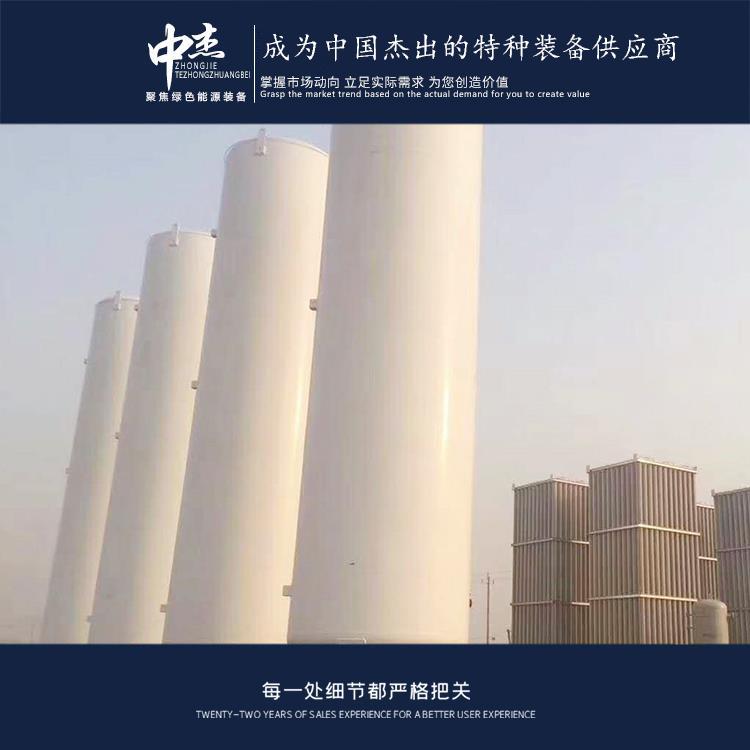
In daily operation, carbon dioxide storage tanks require protection and maintenance to ensure their proper functioning and safety. Here are some common protection and maintenance methods:
- Appearance Inspection: Regularly check the tank's exterior for corrosion, wear, cracks, and other issues. If any abnormalities are found, take prompt repair actions.
- Sealing Integrity Check: Regularly inspect the tank's sealing performance, especially at valves, pipe connections, and the tank itself. Ensure no leaks occur; if leaks are detected, repair them promptly.
- Temperature Control: Maintain a suitable environmental temperature around the tank and implement appropriate insulation measures to ensure the tank's internal低温 condition.
- Pressure Relief Device Inspection: Regularly check the tank's pressure relief devices, such as safety valves, to ensure they are functioning correctly. Verify that the set pressure of the pressure relief devices meets requirements and perform regular maintenance and replacements.
- Level Monitoring: Regularly monitor the tank's liquid level to ensure accurate measurement. If an abnormal level is detected, promptly investigate the cause and take appropriate actions.
- Regular Cleaning: Regularly clean the interior of the tank to remove accumulated impurities and dirt. Pay attention to safety during cleaning and avoid using flammable and corrosive substances.
- Regular Testing: Regularly conduct pressure tests and leak detections on the tank to ensure its safety performance meets requirements. The frequency and methods of testing should be in accordance with relevant specifications and standards.
- Storage Capacity Control: Control the tank's storage capacity to prevent exceeding the rated capacity. Exceeding the rated capacity may cause excessive tank pressure, increasing safety risks.
Note: Specific protection and maintenance methods may vary depending on the type and application of the tank.
The quality of CO2 storage tanks is influenced by several factors:
- Material Quality: The quality of the tank's material directly impacts its corrosion resistance, strength, and sealing performance. Common materials include carbon steel and stainless steel. Selecting high-quality materials can enhance the tank's quality and lifespan.
- Manufacturing Process: The manufacturing process significantly affects the tank's quality. Welding, heat treatment, and surface treatment during production must comply with relevant standards and regulations to ensure structural integrity and performance stability.
- Design Specifications: The tank's design must adhere to applicable design specifications and standards, such as industry standards. A well-designed tank ensures sufficient strength and safety under normal operating conditions.
- Safety Components: Safety components like safety valves, pressure sensors, and temperature sensors play a crucial role in the tank's quality and safety. Choosing high-quality components and ensuring proper installation and tuning can improve the tank's quality and safety.
- Inspection and Testing: The tank must undergo inspections and tests during production, such as material inspections, weld inspections, and pressure tests. These checks ensure the tank meets quality requirements and complies with safety standards.
- Usage and Maintenance: The tank's usage and maintenance also impact its quality. Proper usage and regular maintenance can extend the tank's lifespan and maintain its optimal working condition.
In summary, the quality of CO2 storage tanks is influenced by factors such as material quality, manufacturing process, design specifications, safety components, inspections and testing, and usage and maintenance. When selecting and using storage tanks, attention should be given to these factors to ensure quality and safety.
Our company attaches great importance to technological innovation and R&D design. We have one municipal-level enterprise technology center in Heze City, equipped with testing facilities for non-destructive testing, physical and chemical testing, welding testing, hydrostatic testing, and more. We have over 600 pieces of equipment, including CNC machine tools, X-ray flaw detectors, digital ultrasonic flaw detectors, mechanical property testing machines, chemical analyzers, spectrometers, tensile testing machines, plasma welding machines, and others. The key products and technologies we have developed, such as temperature and pressure vessel welding, biomass boiler emissions reduction, and waste heat utilization, have successively been included in multiple Shandong Provincial Department of Industry and Information Technology science and technology innovation projects, Shandong key projects, and Heze City innovation and excellence projects. We have cumulatively obtained 27 authorized utility model patents, 16 authorized invention patents, participated in drafting 2 standards, 2 industry standards, and registered 15 trademarks. The technical team of our company, in collaboration with Professor Yajiang Li of Shandong University, has jointly developed deep cryogenic container processing technology, utilizing the international plasma arc + wire-filled tungsten inert gas arc welding (PAW-GTAW) technology. After being appraised as a provincial-level scientific and technological achievement, our technology level has reached international standards in the field of deep cryogenic container manufacturing. Choose Zhongjie Special Equipment, let's create brilliance together!
WeChat Official Account

Scan to follow Official Account



















