


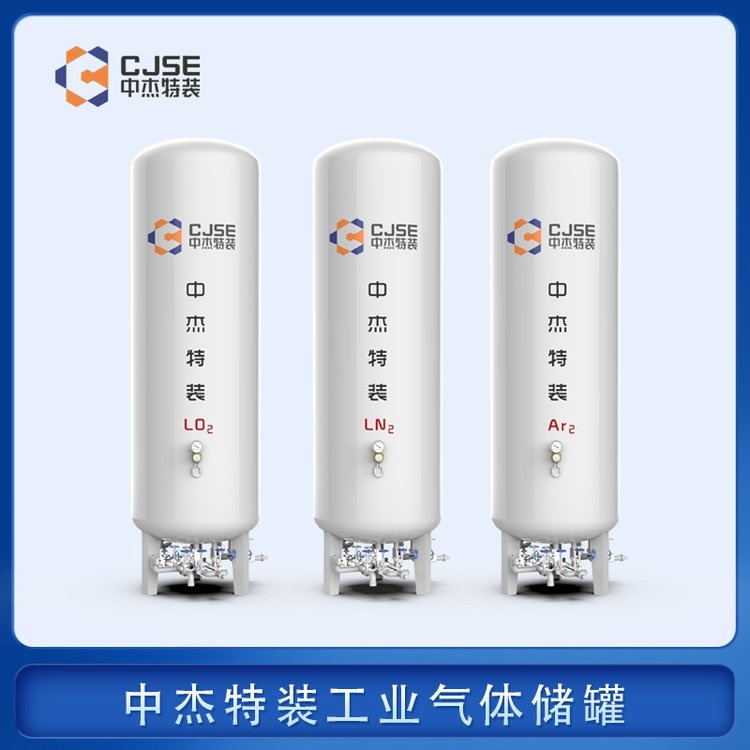

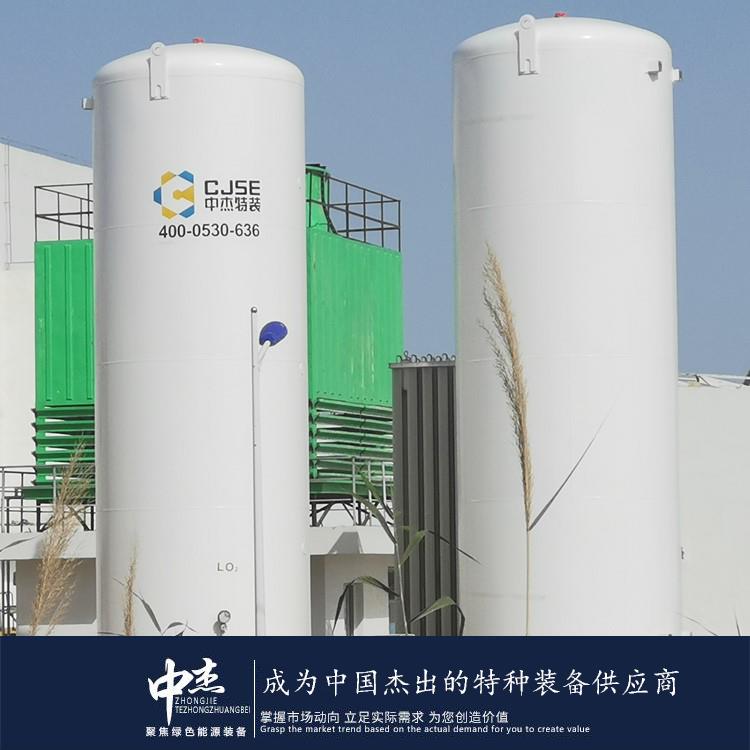
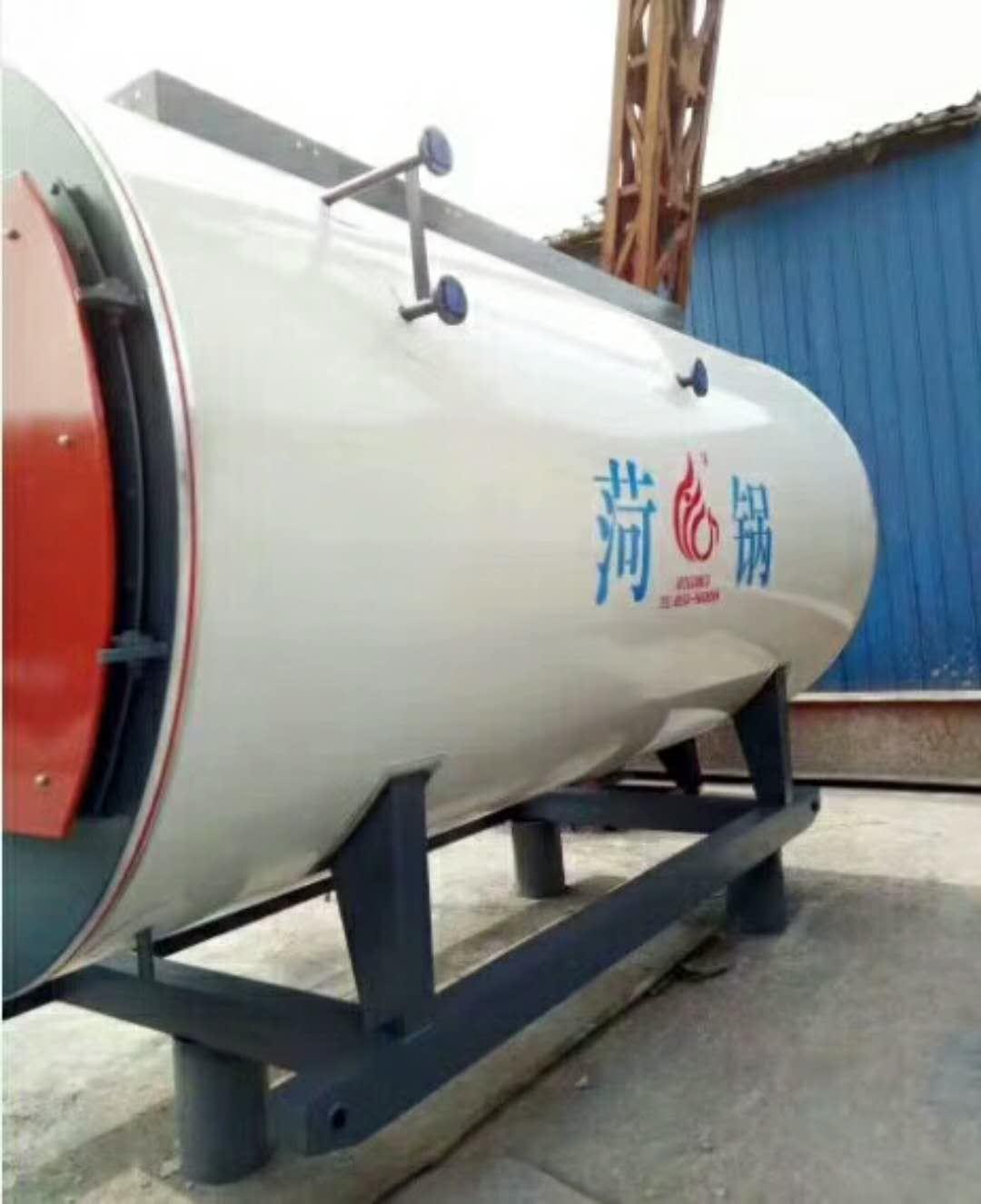


















Shandong Zhongjie Special Equipment (formerly Heze Boiler Factory Co., Ltd.) was established in 2001, located at No. 2218 Jinnan Road, Development Zone, Heze City, with a registered capital of 50 million yuan and total assets of 500 million yuan. The company has 7 business centers: boilers, deep-freeze containers, pressure vessels, central air conditioning, engineering installation, international trade, and Internet of Things. It has three factory sites on Jinnan Road, East Changjiang Road, and Bohai Road, covering a total of 200,000 square meters, with the main workshop spanning 83,000 square meters. It currently employs 710 people, including 247 engineers and technicians and 82 intermediate-level technicians. In December 2016, it was recognized as a "High-tech Enterprise" by the Science and Technology Department. In June 2021, it was identified as a "Specialized and New Enterprise in Shandong Province" by the Ministry of Industry and Information Technology. In June 2022, it was recognized as a "Gazelle Enterprise in Shandong Province" and in August 2022, it was identified as a "Specialized and New Small Giant Enterprise" by the Ministry of Industry and Information Technology.
The pressure stabilization design for a 15-cubic-meter liquid argon tank should consider the following aspects:
Tank Pressure: Determine the design pressure of the tank to meet the storage and supply requirements for liquid argon. Establish an appropriate design pressure range based on the characteristics and usage conditions of liquid argon.
Pressure Regulation System: Select an appropriate pressure regulation system to maintain stable pressure within the storage tank. The system typically includes components such as pressure regulators, pressure sensors, and control valves, which are used to monitor and adjust the pressure inside the tank.
Pressure Sensor: Install a pressure sensor for real-time monitoring of pressure changes within the storage tank. The sensor transmits pressure signals to the voltage regulation system, enabling timely adjustment of the control valve's opening to maintain stable pressure within the tank.
Control Valve: Select an appropriate control valve for regulating the gas flow and pressure within the storage tank. The control valve should have excellent regulating performance and stability to ensure the pressure within the tank remains within the set range.
Safety Valve: Install a safety valve to automatically release gas when the pressure inside the storage tank exceeds the set value, preventing overpressure. The safety valve should be selected and installed based on the design pressure and capacity of the storage tank.
Voltage Stabilization System Control: Equipped with a suitable control system for monitoring and regulating the operation of the voltage stabilization system. The control system enables automatic adjustments and alarm functions to ensure stable and safe pressure within the storage tank.
Note that the design of the voltage regulation system should be tailored to the specific engineering requirements and operating conditions of the liquid argon storage tank, adhering to relevant local laws, regulations, and standards. When designing and installing the voltage regulation system, it is recommended to consult with an engineer or relevant institution for guidance to ensure the reliability and safety of the system.
The manufacturing materials for liquid oxygen tanks typically require excellent low-temperature resistance and corrosion resistance. The following are common materials used in the construction of liquid oxygen tanks:
Stainless Steel: A commonly used material for liquid oxygen storage tanks, stainless steel boasts excellent corrosion resistance and mechanical strength. Common stainless steel grades include 304 and 316.
Aluminum Alloy: Aluminum alloys are also commonly used in the manufacturing of liquid oxygen tanks, offering low density and excellent corrosion resistance. Common aluminum alloy materials include 5083 and 6061 aluminum alloys.
Fiberglass Reinforced Plastic (FRP): FRP is a composite material made of glass fibers and resin. It boasts excellent corrosion resistance and mechanical strength, making it suitable for liquid oxygen storage tanks in special environments.
Carbon Steel: Carbon steel is a common material for tank fabrication, known for its high strength and corrosion resistance. However, it is prone to oxidation in liquid oxygen environments, necessitating anti-corrosion measures.
It's important to note that the choice of materials for liquid oxygen tanks should be determined based on specific application requirements, working environment, and safety standards. When selecting materials, consider the properties of liquid oxygen and the design requirements of the tank to ensure safety and reliability. Additionally, manufacturers and suppliers often provide material selection advice and technical support.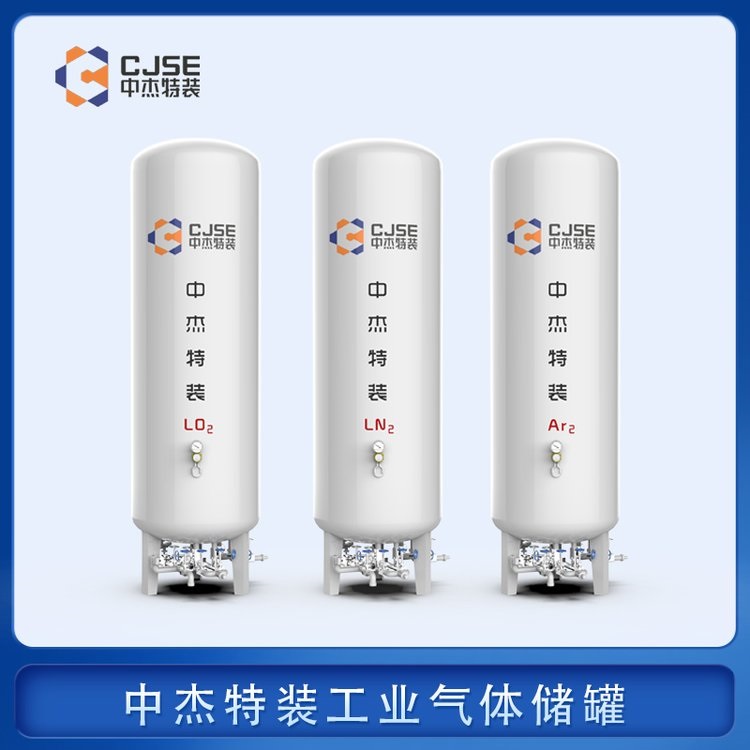
A hydrostatic test of a liquid nitrogen storage tank is a common method used to check the tank's sealing and pressure resistance. Below are the general steps for the hydrostatic test of a liquid nitrogen storage tank:
Preparation: Ensure the tank is clean inside and that the gas and liquid inside are evacuated. Check the tank's seal and safety devices for proper functioning.
Fill Water: Fill the internal tank with water, ensuring the water level is above the low water line. Pump or other appropriate methods can be used for filling.
Apply Pressure: Gradually increase the water pressure using a pressure pump or other pressure source until the predetermined test pressure is reached. The test pressure is typically 1.1 times the design working pressure of the tank.
Pressure Maintenance: After reaching the test pressure, maintain it for a period (typically 30 minutes to 1 hour) and observe for any abnormal conditions such as leaks or deformation in the tank.
Pressure Relief: Gradually release pressure to expel water from the tank until the interior is completely empty.
Inspection and Evaluation: Check the tank's surface and interior for leaks, deformities, or any other forms of damage. Evaluate the test results to ensure the tank meets design requirements and safety standards.
需要注意的是,液氮储罐水压试验需要由人员进行操作,并遵循相关的安全操作规程。在进行测试前,应仔细阅读和遵守储罐制造商提供的操作指南和安全注意事项。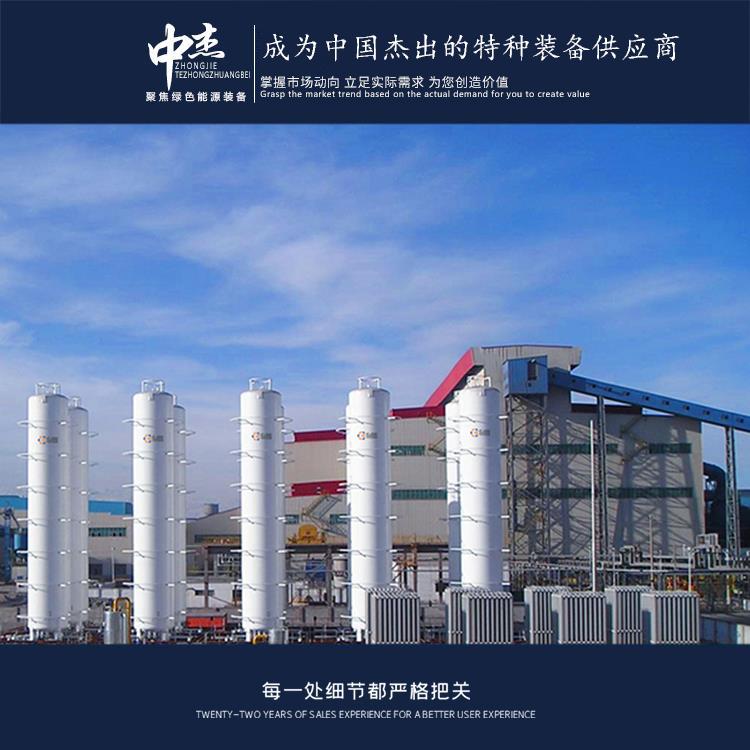
Maintaining and caring for liquid nitrogen tanks is crucial for ensuring their safe operation and extending their service life. Here are the maintenance and care methods for liquid nitrogen tanks:
Regular Inspections: Conduct regular inspections of the liquid nitrogen tank's exterior and interior, including checking for leaks, corrosion, wear, or other damage. Pay special attention to inspecting the tank's interfaces, valves, and pipelines, ensuring they are functioning properly.
Cleaning and Defrosting: Regularly clean the exterior surface of the liquid nitrogen tank to remove dust and dirt. If there is ice or frost buildup inside the tank, defrosting is required to maintain normal tank operation.
Level Monitoring: Regularly monitor the liquid nitrogen tank's level to ensure the stored quantity of liquid nitrogen remains within a safe range. In case of an abnormal level, adjustments or supplementation of liquid nitrogen are required promptly.
Regular maintenance and replacement of components: Conduct regular inspections and replacements of critical parts of the liquid nitrogen storage tank, such as safety valves, pressure sensors, and temperature sensors, to ensure their proper operation and accuracy.
Inspect Insulation: Regularly check the liquid nitrogen tank's insulation for integrity and thermal performance. If any damage or aging is found in the insulation, it should be repaired or replaced promptly.
Regular Calibration: Regularly calibrate the gauges and sensors of liquid nitrogen tanks to ensure their accuracy and reliability. Calibration should be conducted in accordance with relevant standards and regulations.
Safety Training and Operating Procedures: Conduct regular safety training for liquid nitrogen storage tanks to ensure operators are familiar with the safe operating procedures and emergency response measures.
Note that maintenance and care of liquid nitrogen tanks should be conducted by trained and authorized personnel. Adhere to relevant safety regulations and operation guidelines to ensure the safety and effectiveness of maintenance activities.
Zhongjie Special Equipment adheres to the great vision of "realizing employees' dreams, creating customer value, and striving for the prosperity and strength of our motherland," and is dedicated to the development of the green energy equipment industry. We offer society high-value products and services!
WeChat Official Account

Scan to follow Official Account



















