


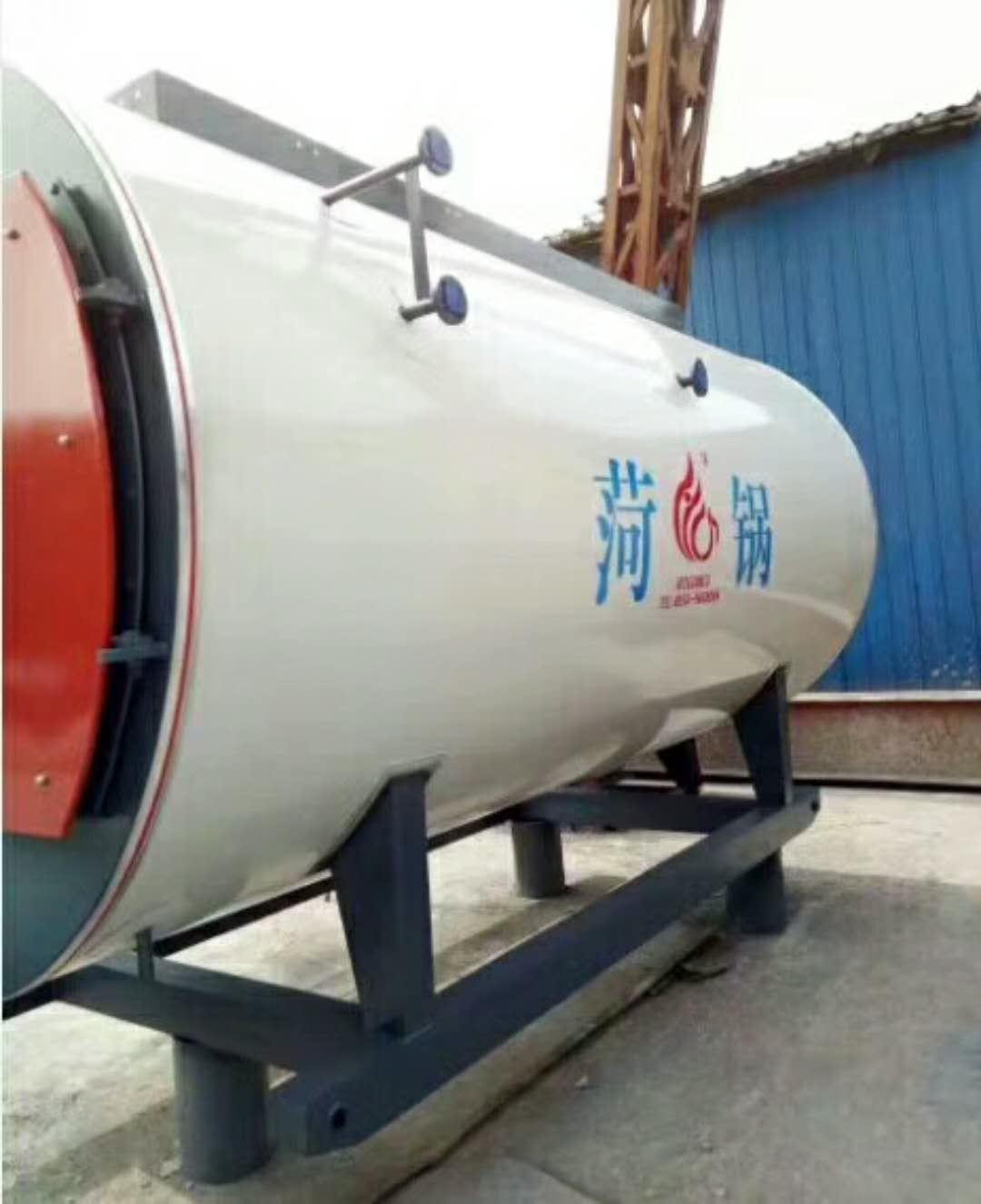

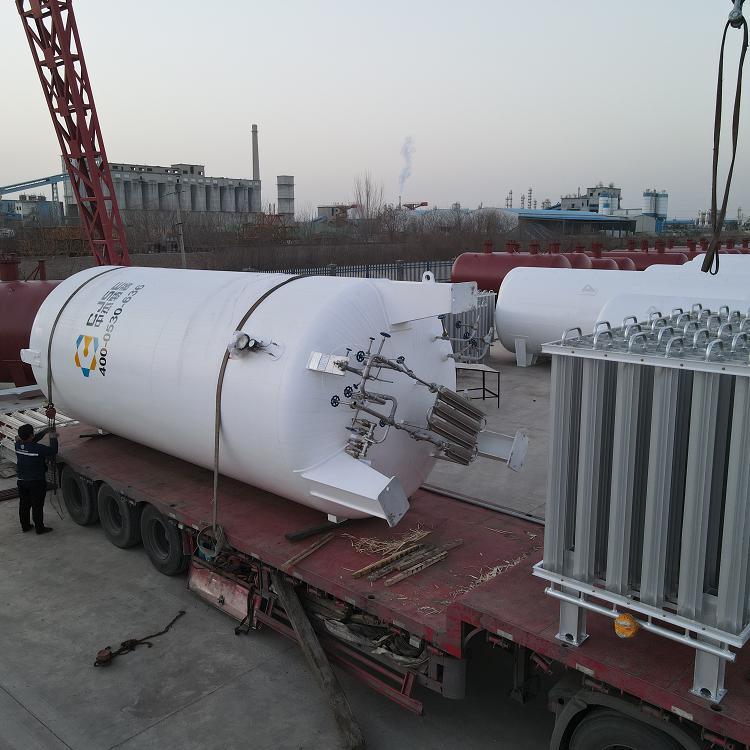
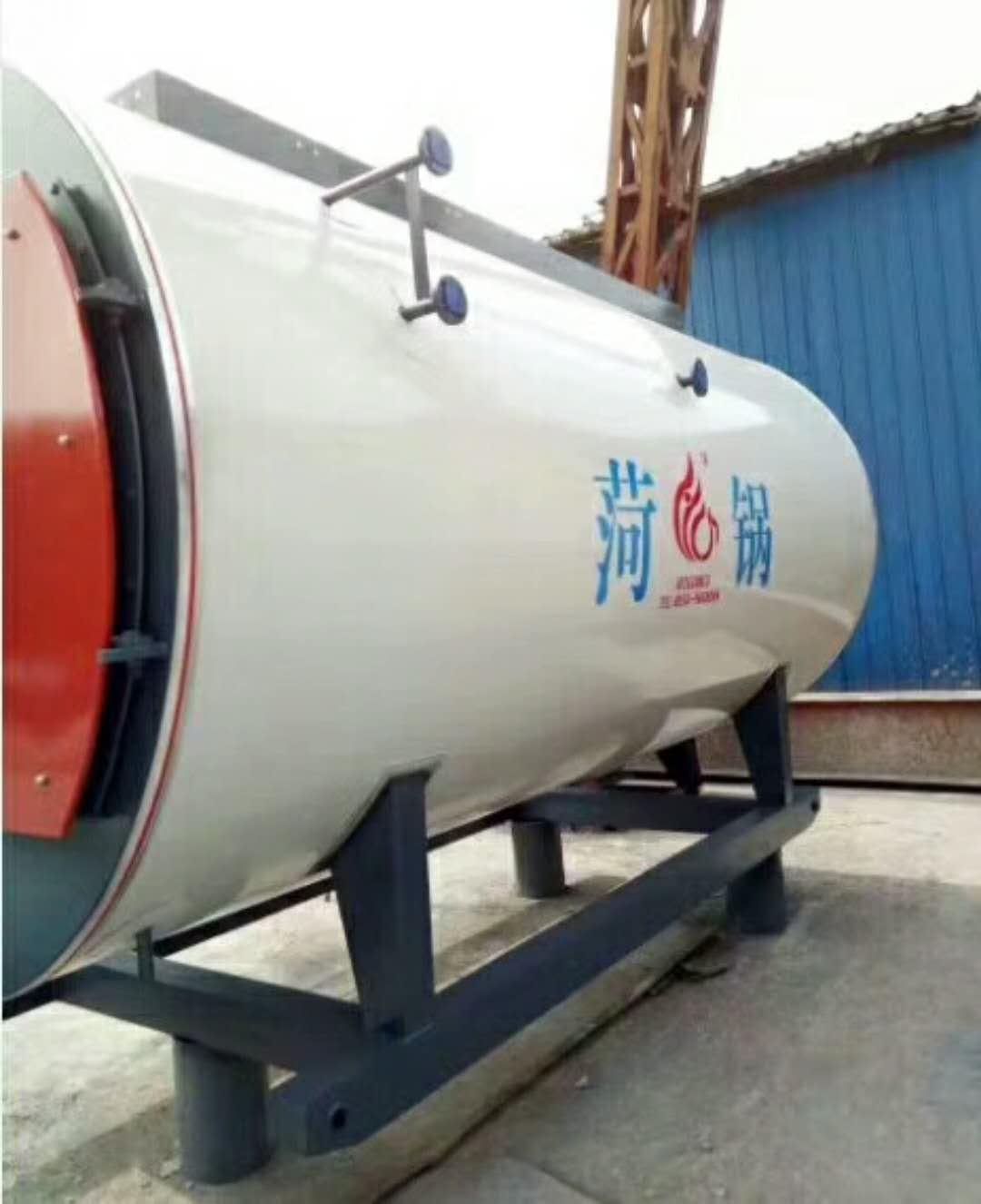


















Shandong Zhongjie Special Equipment's main products include: fuel (gas) boilers, organic heat carrier boilers, biomass boilers, waste heat boilers, and other boiler products; vacuum insulation cryogenic pressure vessels such as LNG tanks, oxygen/nitrogen/argon tanks, and CO2 tanks; pressure vessel products such as denitrification engineering equipment, heat storage and energy storage equipment, and complete chemical equipment sets; central air conditioning and HVAC equipment such as ground (water) source heat pumps, air source units, water-cooled screw units, and air-cooled modules. Planned products include large-scale energy centers, LNG transport vehicles, LNG tank containers, and other green energy equipment.
When handling CO2 storage tanks, static electricity is a safety issue that needs attention. Here are some ways to avoid static:
- Grounding: Ensure the tank and related equipment are properly grounded. Grounding releases static electricity to the ground, reducing the likelihood of static buildup. Use specialized grounding devices and grounding wires to ensure reliable grounding.
- Antistatic Equipment: Use antistatic equipment like antistatic clothing, shoes, gloves, etc. These devices help eliminate or reduce static buildup and protect the safety of the operators.
- Avoid Friction: Prevent friction during operations, especially when in contact with flammable or explosive gases. Friction generates static, increasing the risk of fire or explosion.
- Control Humidity: Maintain an appropriate humidity level in the operating environment. Higher humidity can reduce static generation and buildup. Use humidifiers or other humidity control devices to adjust the environment's humidity.
- Avoid Plastic or Rubber Materials: Plastic and rubber materials are prone to static buildup. Try to avoid using these materials during operations. Choose materials with better antistatic properties.
- Static Eliminators: Use static eliminators to eliminate or reduce static buildup. Static eliminators neutralize static by releasing charges, reducing the danger of static.
- Tank Cleaning: Regularly clean the interior of the tank to remove accumulated impurities and dirt. Be cautious to prevent static generation and buildup during the cleaning process.
Note that static avoidance methods should be determined based on the specific operating environment and tank characteristics. During operations, follow relevant safety regulations and standards, and consult with experts if necessary.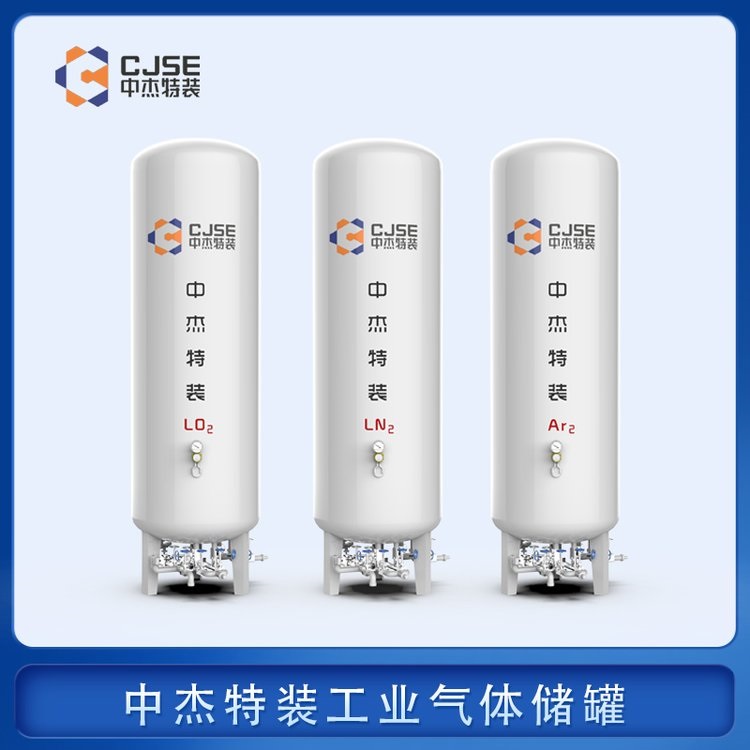
When using carbon dioxide storage tanks, pay attention to the following aspects:
Safety Operation: Operators must receive training to understand the characteristics, operational requirements, and safety measures of carbon dioxide storage tanks. Adhere to relevant safety operation procedures and standards to ensure operational safety.
Tank Inspection: Regularly inspect the tank's appearance, sealing, valves, and pipe connections before use. If any anomalies or damage are found, repair or replace them promptly.
Tank Placement: Place the tank in a well-ventilated, dry, and fire-free area. Avoid direct sunlight and high-temperature environments to prevent overheating.
Leak Protection: Ensure that the tank's valves and pipe connections are sealed properly to prevent carbon dioxide leaks. Regularly inspect and replace seals, and promptly address any leaks.
Pressure Control: The internal pressure of the tank should be within a safe range. Check the tank's pressure gauge and safety valve before use to ensure proper functioning. Avoid excessive or low pressure to prevent safety accidents.
Fire Prevention: Carbon dioxide is flammable; thus, fire prevention measures must be taken during use. Smoking, open flame operations, or placing flammable materials near the tank are prohibited.
Waste Emission: Properly discharge waste gases produced during the use of carbon dioxide storage tanks to avoid CO2 accumulation in enclosed spaces, which could lead to asphyxiation and safety risks.
Emergency Response Plan: Develop and implement an emergency response plan, including procedures for handling leaks, evacuation, and first aid measures. Operators should be familiar with the plan and conduct regular drills.
Note that carbon dioxide storage tanks should only be used by trained operators following relevant safety operation procedures and standards. Seek advice and guidance from experts.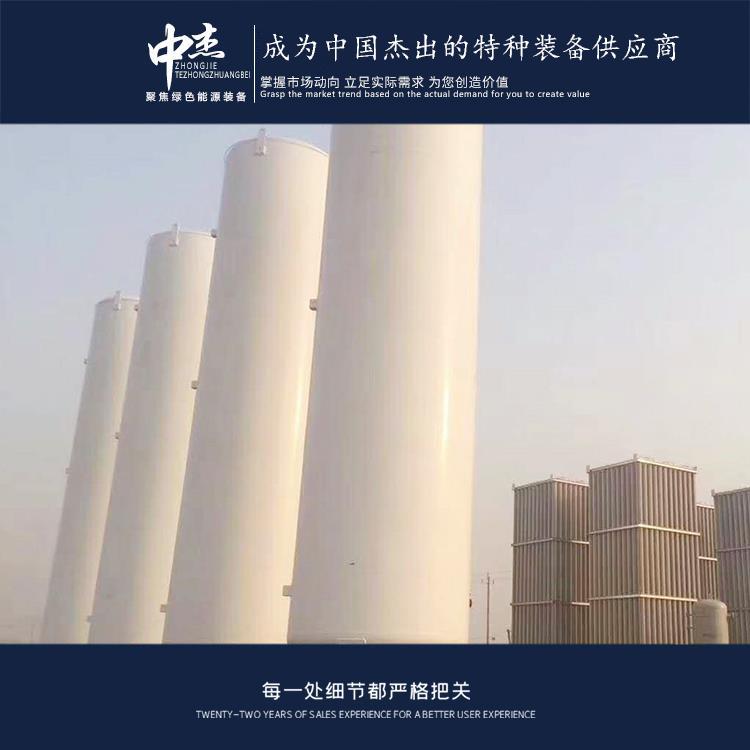
Common defects in carbon dioxide storage tanks may include deformation during use. Here are some causes that can lead to tank deformation: Overpressure: When the internal pressure of the tank exceeds its design pressure, it can cause deformation. This may be due to operational errors, system failures, or other reasons. Temperature Fluctuations: Carbon dioxide tanks expand and contract with temperature changes, and if the temperature changes are too extreme or rapid, it can lead to deformation. Internal Corrosion: If there are corrosion issues inside the tank, it can damage the structural integrity of the tank, causing deformation. External Damage: External impacts, compressions, or other physical damages can lead to tank deformation. Incorrect Installation or Use: Incorrect installation or usage methods can cause uneven stress on the tank, leading to deformation. Tank deformation can reduce the structural strength of the tank, even posing risks of leakage or rupture. Therefore, regular inspections and maintenance of the tank's integrity are important, as well as adhering to proper operational and installation procedures. If tank deformation is detected or other defects are suspected, use of the tank should be immediately ceased, and professional assistance should be sought for inspection and repair. Do not attempt to repair or continue using a defective tank on your own to ensure operational safety.
Routine inspections and maintenance of carbon dioxide storage tanks can be carried out in the following steps:
- External Inspection: Check for any obvious damage, corrosion, or oil leakage signs on the tank's exterior. Pay attention to any anomalies in the tank shell, valves, and pipe connections.
- Internal Inspection: If entry is permitted, conduct an internal inspection. Check for corrosion, scale, or blockages in the inner lining, valves, and pipes.
- Valve and Pipe Inspection: Verify that the tank's inlets and outlets, as well as pipe connections, are functioning normally and for any leaks or loose fittings. Ensure valves operate smoothly and reliably.
- Pressure Relief Device Inspection: Check if the tank's pressure relief devices (e.g., safety valves) are functioning correctly. Confirm that the set pressure of the relief devices meets the requirements.
- Measurement and Control System Inspection: Ensure the tank's level, pressure, and temperature measurement and control systems are operating normally. Calibrate and test the accuracy of measurement equipment.
- Cleaning and Drainage: Regularly clean the tank's interior of accumulated impurities and sediments. Also, periodically drain the tank to remove liquid and gas impurities.
- Maintenance and Repair: Perform necessary maintenance and repair work based on inspection results. Repair damaged components, replace worn-out seals, etc., to ensure normal operation of the tank.
- Documentation and Reporting: Record the inspection and maintenance process, including the date of inspection, content of the inspection, issues found, and measures taken. Submit inspection reports to relevant departments or management as needed.
The above steps are general guidelines for routine inspections and maintenance of carbon dioxide storage tanks. Specific procedures should be adapted according to the tank's characteristics and requirements. When conducting inspections and maintenance, follow relevant safety operation procedures and have them performed by personnel.
Zhong Jie Special Equipment upholds the grand vision of "realizing the dreams of our employees, creating value for our clients, and striving for the prosperity and strength of our motherland," devoting ourselves to the development of green energy equipment. We dedicate products and services of high value for money to society!
WeChat Official Account

Scan to follow Official Account



















