


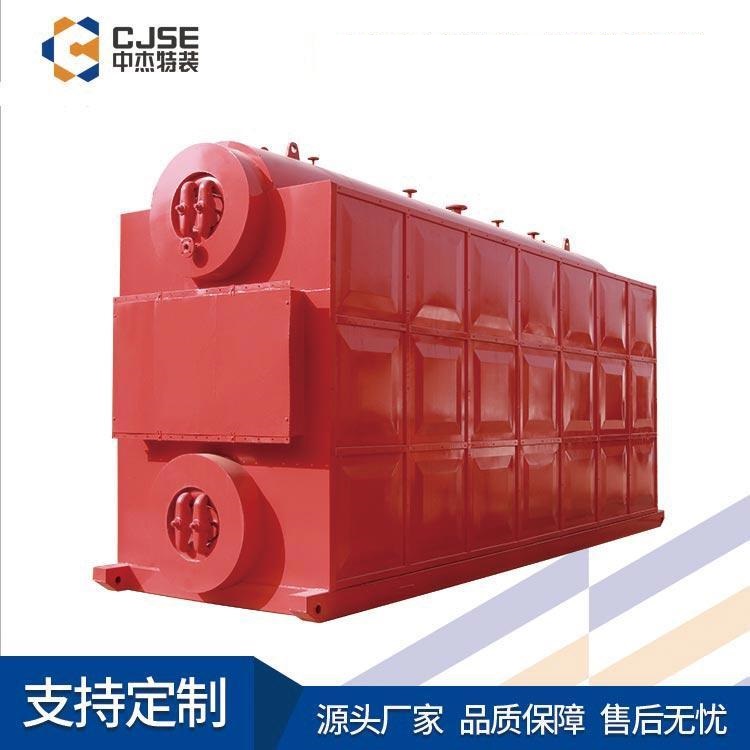

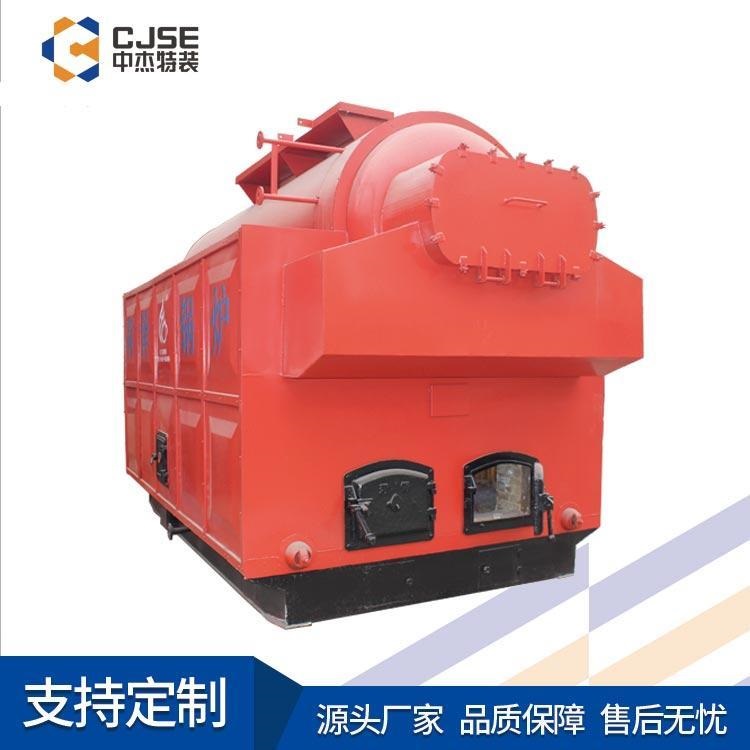
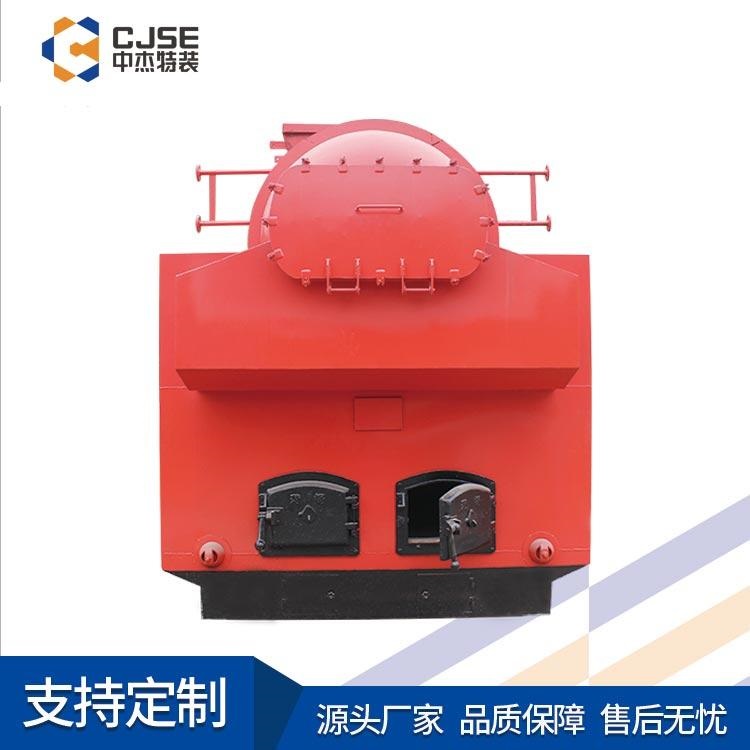


















Shandong Zhongjie Special Equipment (formerly Heze Boiler Factory Co., Ltd.) holds an A-grade boiler manufacturing license, an A2-grade pressure vessel manufacturing license, an A2-grade pressure vessel design license, a B-grade boiler installation license, and GB2/Class and GC2/Class pressure pipeline installation licenses, as well as a mechanical and electrical equipment installation contracting qualification. It is a member of the China Boiler and Water Treatment Association, the China Chemical Equipment Association, and the council member of the Shandong Equipment Manufacturing Association. The company has also passed the ISO9001 Quality Management System, ISO14001 Environmental Management System, OHSAS18001 Occupational Health and Safety Management System certifications, and the American ASME/U2 certification.
Biomass refers to renewable energy derived from organic materials such as plants, animals, and microorganisms. It encompasses wood, straw, waste crops, food scraps, and urban solid waste, among others. Biomass has a wide range of sources and types and is a renewable energy that can substitute for fossil fuels.
A biomass boiler is a specialized equipment designed for burning biomass fuel. It combusts biomass fuel to produce high-pressure, high-temperature thermal energy, which is used for heating, power generation, or other industrial processes. Biomass boilers typically use granular, pelletized, or shredded biomass fuel, releasing thermal energy through the combustion process.
The advantages of biomass boilers include:
Renewable Energy: Biomass is a renewable energy source with lower carbon emissions and environmental impact compared to fossil fuels.
Diversity: A wide variety of biomass fuels can be utilized from plant and animal waste and by-products, enhancing resource utilization efficiency.
Environmental friendliness: The carbon dioxide produced during biomass combustion can be absorbed by plants, forming a cycle and reducing atmospheric pollution.
Economic Efficiency: Biomass fuel is relatively more cost-effective, can
Many factors can affect the thermal efficiency of biomass boilers; here are some common factors analyzed:
Fuel Quality: The quality of biomass fuel directly impacts the combustion process and thermal efficiency. Characteristics such as fuel moisture, ash content, and volatile content affect the stability and efficiency of combustion. A higher quality fuel can enhance combustion efficiency and reduce energy loss.
Combustion System: The design and operating state of the combustion system significantly affect thermal efficiency. A well-designed combustion system ensures complete combustion and utilization of fuel. Adjusting parameters such as combustion air volume, temperature, and duration can optimize the combustion process and enhance thermal efficiency.
Excess Air: Excess air can lead to incomplete fuel combustion and energy waste. Properly controlling the air supply during the combustion process and preventing excess air from entering the furnace can improve combustion efficiency.
Temperature Control: Proper temperature control of the boiler is crucial for thermal efficiency. Reasonably controlling parameters such as water temperature and steam temperature can avoid excessive or low temperatures, thereby improving thermal efficiency.
Cleaning and Maintenance: Regularly clean and maintain boiler equipment, including the ash and soot in the furnace chamber, to maintain heat exchange efficiency and reduce thermal resistance and loss.
Flue Gas Heat Recovery: By utilizing heat recovery devices such as economical air preheaters, economizers, etc., the waste heat in flue gas can be recovered and utilized, thereby improving the boiler's thermal efficiency.
Boiler design and equipment selection: Rational boiler design and selection of equipment, such as burners, high
The hot water boiler features the following main characteristics:
Energy-saving: The combustion technology and heat exchanger design of the hot water boiler enable high energy conversion and utilization, enhancing energy efficiency and reducing energy consumption and operational costs.
Environmental Protection and Emission Reduction: Our hot water boilers utilize advanced combustion technology and flue gas purification equipment during the combustion process, effectively controlling and reducing emissions of pollutants, thereby protecting the environment and human health.
Safety and Reliability: The hot water boiler is equipped with comprehensive safety protection devices and control systems, capable of real-time monitoring and control of the boiler's operating status to ensure safe and reliable operation and prevent accidents.
Smart Temperature Control: The temperature control system and intelligent control equipment equipped with the hot water boiler enable precise temperature control and energy consumption management, enhancing system stability and comfort.
Multi-energy Supply: Hot water boilers can accommodate various energy sources, including gas, oil, biomass, solar energy, etc., achieving diversified energy usage and sustainable development.
Flexible Installation: The hot water boiler features flexible installation methods and structural design, allowing for customization and installation according to different locations and requirements, catering to the needs of both architectural and industrial sites.
Stable: The heat exchangers and combustion system of the hot water boiler enable it to quickly reach the set temperature and maintain a stable supply of hot water, meeting the user's hot water needs.
Maintenance-Friendly: Hot water boilers are relatively easy to maintain and service, with a clear equipment structure that is simple to clean and repair, reducing downtime and maintenance costs.
These features make the hot water boiler an ideal equipment for supplying hot water, widely used in residential areas, industrial factories, commercial buildings, and other locations, providing users with eco-friendly, safe, and comfortable hot water supply.
To enhance the thermal efficiency of biomass boilers, consider the following aspects:
Optimize the combustion system: Reasonably adjust the biomass boiler's combustion system, including parameters such as combustion air volume, combustion temperature, and combustion time, to achieve complete combustion and utilization of the fuel. Combustion technologies such as fluidized bed combustion and gasification combustion can enhance combustion efficiency.
Regulate Excess Air: Properly control the air supply during the combustion process of biomass boilers to prevent excessive air from entering the furnace, thereby reducing fuel oxidation and heat loss. Adjust the combustion air flow and air distribution to achieve optimal fuel-air mixture, enhancing combustion efficiency.
Enhance waste heat recovery: The flue gas produced by biomass boiler combustion contains a large amount of heat energy. This can be recovered and utilized through waste heat recovery devices such as economic air preheaters, economizers, etc., thereby improving the thermal efficiency of the boiler.
Optimize boiler operating parameters: Reasonably adjust the operating parameters of biomass boilers, such as boiler water temperature and steam pressure, to enhance thermal efficiency. Adjust the boiler's operating mode based on actual demand and load changes, avoiding excessive heating or insufficient heating, and improving energy utilization efficiency.
Regular Cleaning and Maintenance: Schedule regular cleaning and maintenance for biomass boilers to remove ash and slag from the furnace chamber, ensuring heat exchange efficiency and reducing thermal resistance and loss.
Utilize equipment and materials: Select biomass boiler equipment and materials such as burners and heat exchangers to enhance heat conduction and exchange efficiency.
By integrating these measures, the thermal efficiency of biomass boilers can be significantly improved, achieving energy utilization.
Our company attaches great importance to technological innovation and research and development. We have one municipal-level enterprise technology center in Heze City, equipped with testing facilities for non-destructive testing, physical and chemical testing, welding testing, hydrostatic testing, etc. We have over 600 types of equipment including CNC machine tools, X-ray flaw detectors, digital ultrasonic flaw detectors, mechanical property testing machines, chemical analyzers, spectrometers, tensile testing machines, plasma welding machines, and more. The key products we have developed, such as temperature and pressure vessel welding, biomass boiler emission reduction, and waste heat utilization, have successively been shortlisted for multiple Shandong Provincial Department of Industry and Information Technology science and technology innovation projects, key projects in Shandong Province, and Heze City innovative and excellent projects, etc. We have accumulated a total of 27 authorized utility models, 16 authorized inventions, participated in drafting 2 standards, 2 industry standards, and registered 15 trademarks. The technical team of our company, in collaboration with Professor Li Yajiang of Shandong University, has developed deep cryogenic vessel processing technology using the international plasma arc + wire filling argon arc welding (PAW-GTAW) technology. After the provincial-level scientific and technological achievement evaluation, the technology level has reached the international standard in the field of deep cryogenic vessel manufacturing. Choose Zhongjie Special Equipment, let's create brilliance together!
WeChat Official Account

Scan to follow Official Account



















