


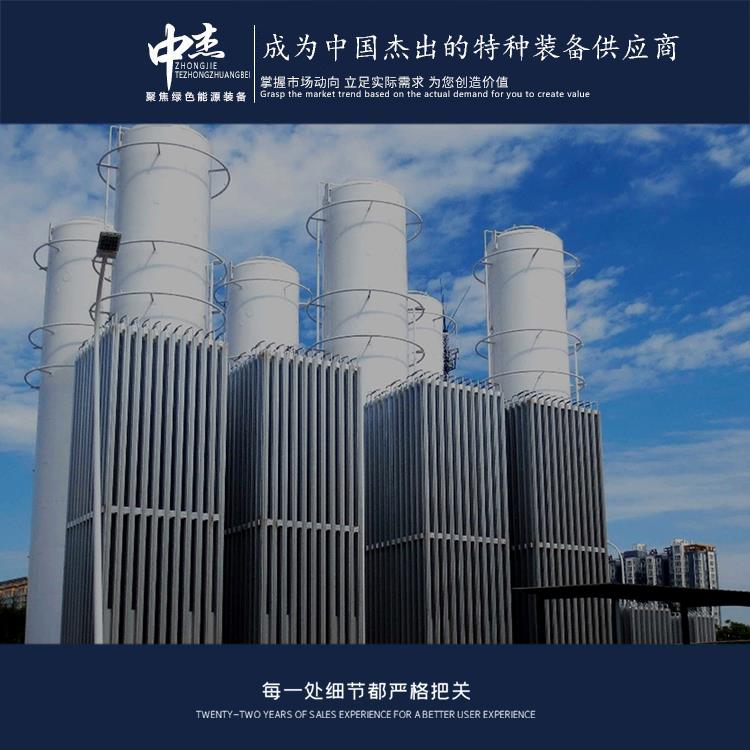

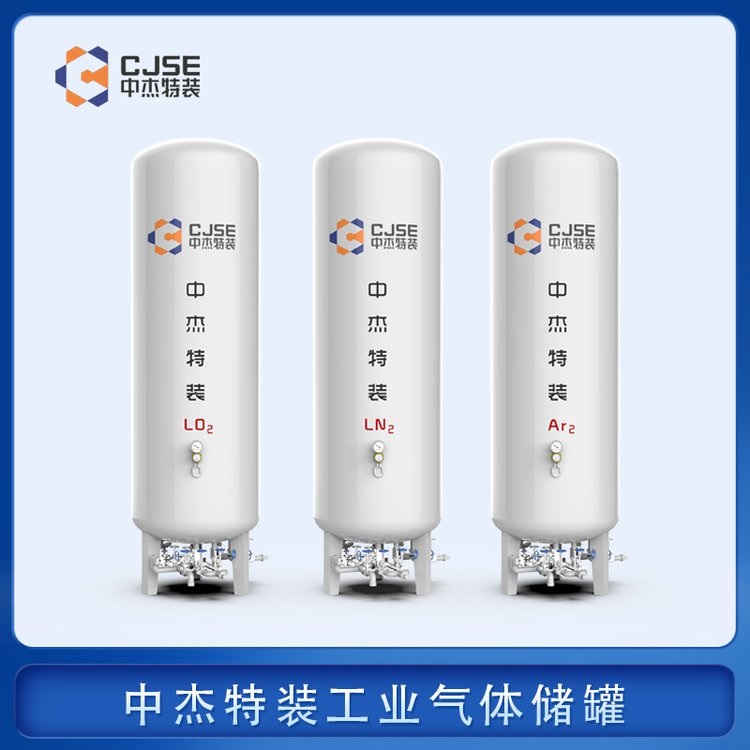
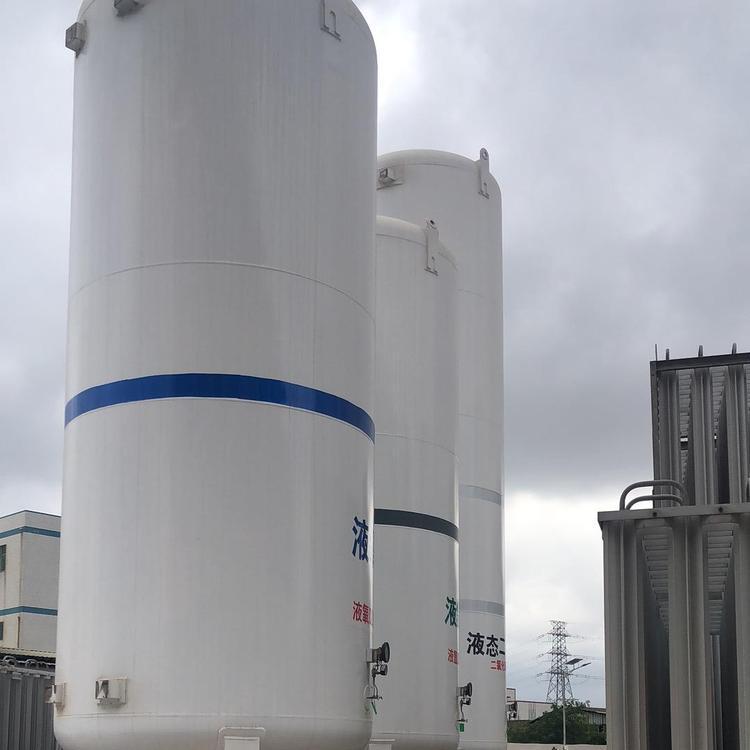


















Shandong Zhongjie Special Equipment (formerly Heze Boiler Factory Co., Ltd.) holds an A-grade boiler manufacturing license, A2-grade pressure vessel manufacturing license, A2-grade pressure vessel design license, B-grade boiler installation, and GB2/Class, GC2/Class pressure pipeline installation licenses, as well as an equipment and machinery installation contracting qualification. It is a member of the China Boiler and Water Treatment Association, the China Chemical Equipment Association, and a council member of the Shandong Equipment Manufacturing Association. The company has also passed the ISO9001 Quality Management System, ISO14001 Environmental Management System, OHSAS18001 Occupational Health and Safety Management System certifications, and the American ASME/U2 certification.
During the welding process of low-temperature liquid storage tanks, controlling the occurrence of welding cracks is crucial. The following are some methods and measures for controlling welding cracks:
Appropriate Welding Techniques: Selecting the right welding process and parameters helps reduce welding heat input and thermal stress. Methods with low heat input, such as pulse welding and laser welding, can lower the temperature gradient and residual stress in the heat-affected zone.
Preheating and Post Heat Treatment: Perform appropriate preheating before welding to enhance material toughness and reduce thermal stress. Conduct a suitable post heat treatment, such as annealing or stress-relieving heat treatment, after welding to minimize residual stress and improve the toughness of the weld.
Select appropriate welding materials: Choose welding materials with good toughness and crack resistance to minimize the occurrence of welding cracks. Select suitable welding materials, such as low-alloy steel, stainless steel, etc., based on the storage tank's usage conditions and requirements.
Control Welding Process: Monitor and adjust parameters and operations during the welding process to minimize the risk of welding cracks. Pay attention to factors such as welding speed, current, voltage, and sequence to avoid overheating or rapid welding, thereby reducing the accumulation of thermal and residual stresses.
Inspection and Evaluation: After welding, conduct non-destructive tests on the welds, such as ultrasonic testing and X-ray testing, to assess welding quality and the presence of cracks. Promptly identify and repair welding cracks to ensure the integrity and safety of the weld joints.
It's important to note that controlling welding cracks is a complex process requiring a comprehensive consideration of factors such as materials, welding techniques, and operations. When welding low-temperature liquid storage tanks, it is advisable to consult with a welding engineer or a relevant institution for guidance to ensure welding quality and the safety of the tank.
To maintain the stability of liquid argon tanks, the following details need to be considered:
Basic Design: The foundation design of the storage tank must comply with relevant standards and regulations to ensure stability and load-bearing capacity. The foundation should possess sufficient strength and seismic resistance to withstand external forces and natural disasters such as earthquakes.
Foundation Construction: During the foundation construction process, ensure the foundation is level and even, avoiding any tilting or uneven settlement. Additionally, the concrete pouring for the foundation must comply with construction specifications to guarantee the quality and strength of the concrete.
Installation Process: During the installation of the tank, appropriate lifting equipment and safety measures must be employed to ensure the vertical installation and stability of the tank. Avoid severe vibrations and collisions during the installation to prevent damage or deformation to the tank.
Support Structure: The support structure of the tank should be designed rationally to ensure the stability and load-bearing capacity of the tank. It should be made of sturdy materials and use appropriate connection methods to withstand external forces and the pressure from the liquid inside the tank.
Safety Devices: Tanks should be equipped with safety devices such as pressure relief valves, liquid level alarms, etc., to ensure timely measures can be taken in abnormal situations, ensuring the safety of the tank.
Regular Inspections and Maintenance: Conduct regular checks and maintenance on liquid argon tanks, including visual inspections, pressure tests, leak detection, and as needed, non-destructive testing and material analysis. Promptly identify and address any issues with the tanks to ensure stability and safety.
Note that the installation of liquid argon tanks should be performed by experienced personnel and in accordance with relevant safety operation procedures and standards. During the installation process, operations should be strictly conducted according to the manufacturer's installation guidelines and requirements to ensure the stability and safety of the tank.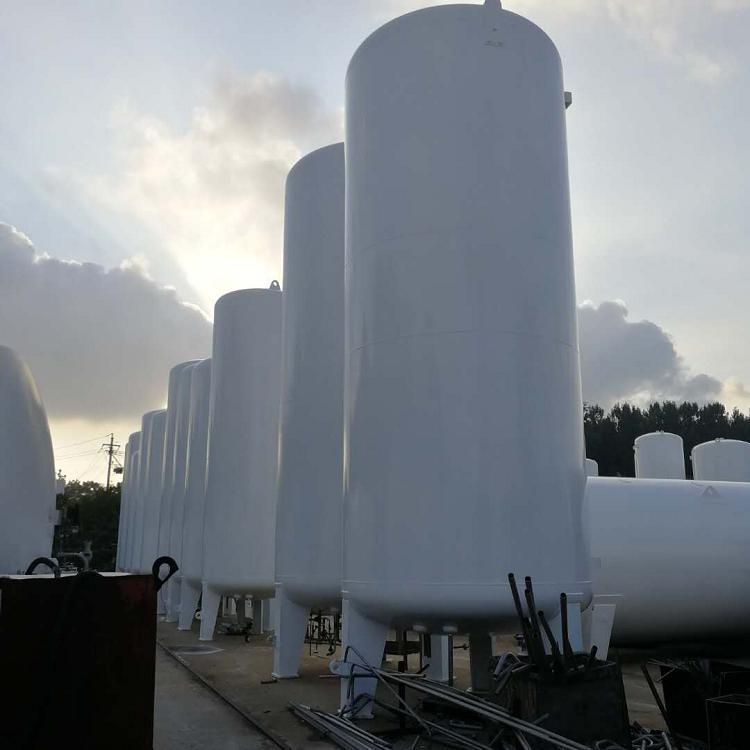
When initially using a liquid nitrogen tank, there are several precautions to consider for safe and effective operation. Here are some suggested points to keep in mind:
Safe Operation: Liquid nitrogen is a low-temperature liquid with strong refrigerating and asphyxiating effects. When handling liquid nitrogen tanks, it is mandatory to wear appropriate personal protective equipment, such as insulated gloves and protective suits. Avoid direct contact with liquid nitrogen to prevent injury or other harm.
Ventilation Environment: Liquid nitrogen evaporation produces a large amount of gas, which may displace other gases, leading to a decrease in oxygen content in the air. Therefore, when using liquid nitrogen tanks, it is essential to ensure good ventilation in the operating area to prevent oxygen deficiency.
Tank Inspection: Prior to the initial use of the liquid nitrogen tank, a thorough visual and seal inspection should be conducted. Ensure there are no obvious damages, leaks, or other safety hazards. If any issues are found, they should be addressed promptly by repairing or replacing the tank.
Tank Filling: Prior to the initial use of the liquid nitrogen tank, it is necessary to fill the tank with liquid nitrogen. During the filling process, follow the correct operational steps and safety procedures to ensure a safe and reliable filling. Additionally, be mindful to control the filling speed and pressure to prevent excessive tank pressure and temperature increase.
Labeling and Documentation: Prior to the initial use of a liquid nitrogen tank, relevant information such as the storage medium, capacity, and manufacturing date should be labeled on the tank. It is also recommended to establish a usage record for the tank, including filling dates, filling amounts, and usage details, for future traceability and management.
Note that the use of liquid nitrogen tanks involves safety risks such as low temperatures and high pressures. Operators should receive training and strictly adhere to the relevant operating procedures and safety measures. If unfamiliar with the operation or have any doubts, it is recommended to consult with individuals or relevant organizations for guidance.
The stable pressure design of a 15 cubic meter liquid argon storage tank should consider the following aspects:
Tank Pressure: Determine the design pressure of the tank to meet the storage and supply requirements for liquid argon. Establish an appropriate design pressure range based on the properties and usage conditions of liquid argon.
Stabilization System: Select an appropriate stabilization system to maintain stable pressure within the storage tank. The stabilization system typically includes components such as pressure regulators, pressure sensors, and control valves, which are used to monitor and adjust the pressure inside the tank.
Pressure Sensor: Install a pressure sensor to monitor the pressure changes inside the tank in real-time. The sensor transmits pressure signals to the voltage stabilization system, allowing for timely adjustment of the control valve's opening to maintain stable pressure within the tank.
Control Valve: Select an appropriate control valve for regulating the gas flow and pressure within the storage tank. The control valve should possess excellent regulating performance and stability to ensure the pressure within the tank remains within the set range.
Safety Valve: Install a safety valve to automatically release gas when the pressure inside the storage tank exceeds the set value, preventing overpressure. The safety valve should be selected and installed based on the design pressure and capacity of the storage tank.
Voltage Stabilization System Control: Equipped with an appropriate control system for monitoring and regulating the operation of the voltage stabilization system. The control system enables automatic adjustments and alarm functions to ensure stable and safe pressure within the storage tank.
It is important to note that the design of pressure regulation should be tailored to specific engineering requirements and the operational conditions of the liquid argon storage tank, adhering to relevant local regulations, standards, and specifications. When designing and installing the pressure regulation system, it is recommended to consult with an engineer or seek guidance from relevant institutions to ensure the reliability and safety of the system.
Shandong Zhongjie Special Equipment, welcome customers to visit our factory for business talks.
WeChat Official Account

Scan to follow Official Account



















