


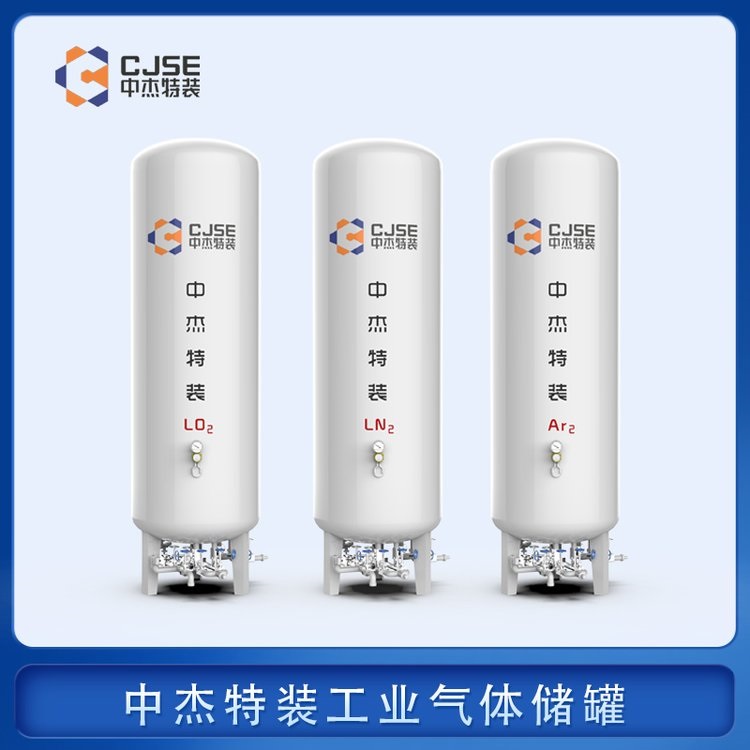

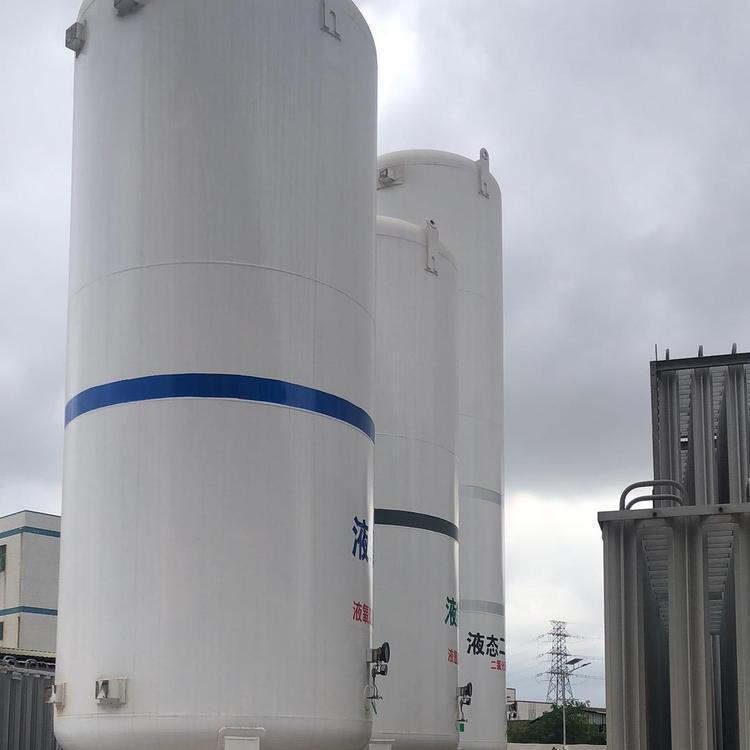
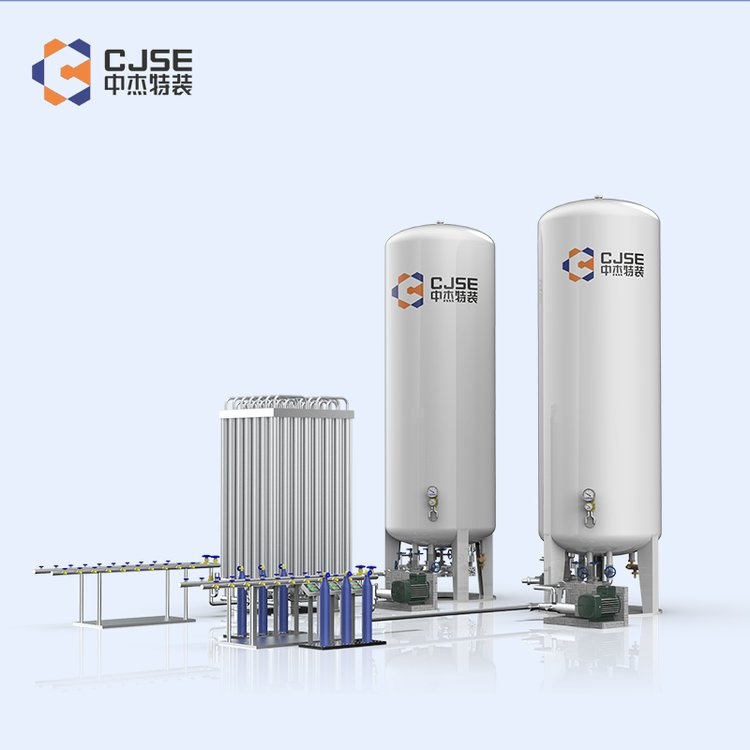


















Shandong Zhongjie Special Equipment's main products include: fuel (gas) boilers, organic heat carrier boilers, biomass boilers, waste heat recovery boilers, and other boiler products; vacuum insulation cryogenic pressure vessels such as LNG tanks, oxygen/nitrogen/argon tanks, CO2 tanks; pressure vessel products like denitrification engineering equipment, heat storage and energy storage equipment, complete chemical equipment sets; central air conditioning and HVAC equipment such as ground (water) source heat pumps, air source units, water-cooled screw units, and air-cooled modular units. Planned products include large-scale energy centers, LNG transport vehicles, LNG tank containers, and other green energy equipment.
Before filling the liquid nitrogen tank, the following checks must be performed:
Tank exterior inspection: Check for any obvious damage, deformation, or corrosion on the tank's exterior, including the tank wall, valves, pipes, and joints.
Sealability Inspection: Verify the tank's sealing performance, including checking for leaks at valves and pipe connections, to ensure the tank maintains good sealing integrity.
Pressure Check: Verify that the tank's pressure gauge is functioning correctly and that the pressure is within the normal range to ensure the tank operates properly.
Level Check: Inspect the liquid level in the tank to ensure it is within the normal range, avoiding issues caused by excessive or insufficient levels.
Insulation Layer Inspection: Check if the insulation layer of the tank is intact, for any signs of damage or detachment, to ensure effective insulation and reduce evaporation losses of liquid nitrogen.
Leak Inspection: Check for signs of liquid nitrogen leakage around the storage tank, including frost, ice, or liquid nitrogen stains on the ground.
Safety Equipment Inspection: Verify that the safety equipment of the storage tank, such as leak detectors, alarm systems, and safety valves, are functioning properly to ensure the tank's safety.
Clean Inspection: Ensure the interior of the tank is clean, removing accumulated impurities and dirt to maintain the tank's cleanliness and hygiene.
The above lists the checks required prior to filling the liquid nitrogen tank, ensuring the safe operation of the tank and proper storage of liquid nitrogen. During the inspection, strict adherence to the relevant operational procedures and safety requirements is essential to ensure the safety of the operation.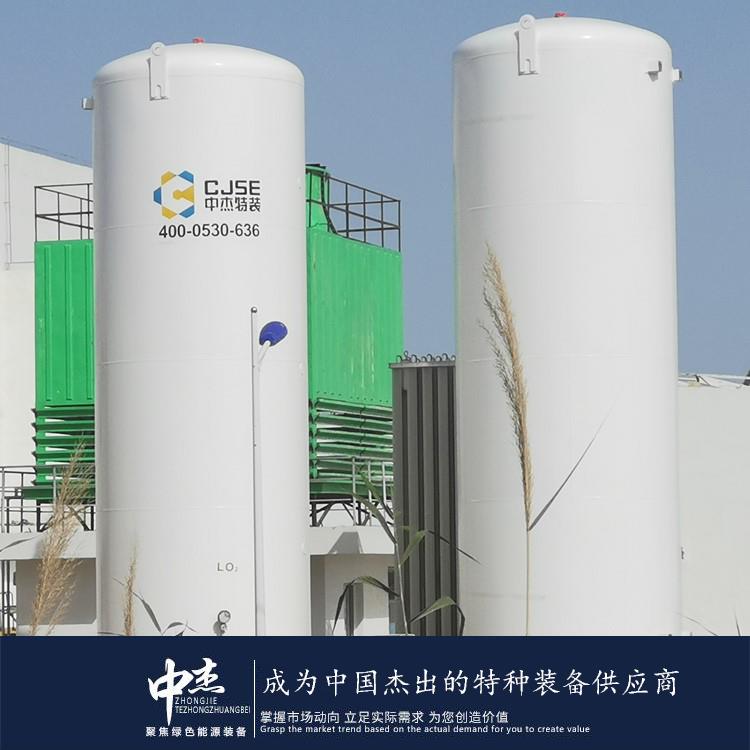
To extend the service life of low-temperature liquid storage tanks, the following measures can be taken:
Regular inspections and maintenance: Conduct periodic visual inspections of the storage tank, including the shell, welds, valves, and connections, etc. Check for any abnormal conditions such as cracks, corrosion, or deformation, and promptly repair or replace damaged parts.
Maintain Insulation: Insulation is crucial for the thermal preservation of low-temperature liquid storage tanks. Regularly inspect the integrity and insulating performance of the insulation, repair or replace any damaged insulation materials to ensure the tank's insulating effectiveness.
Control temperature and pressure: The temperature and pressure of the low-temperature liquid storage tank should be maintained within a safe range. Avoid excessive or low temperatures and pressures that may damage the tank. Implement appropriate cooling or heating measures to ensure stable temperature and pressure of the liquid.
Corrosion Protection: The shell and internal structure of the storage tank should be protected against corrosion and oxidation. Regularly inspect and maintain the protective coating to ensure it remains intact.
Avoid excessive pressure and overfilling: Prevent the internal pressure of the tank from becoming too high or too low, as well as overfilling with liquid. Excessive pressure and overfilling can lead to structural rupture or damage to the tank.
Regular cleaning and waste removal: Regularly clean the interior of the tank to remove accumulated impurities and dirt. Conduct regular waste removal to prevent damage to the tank from impurities and sediments in the liquid.
Safety Operations and Training: Ensure operators are knowledgeable and skilled in the safe handling of cryogenic liquid storage tanks. Enhance safety training to boost operators' safety awareness and emergency response capabilities.
Manage records and documents: Establish comprehensive management records and documentation, including the usage of storage tanks.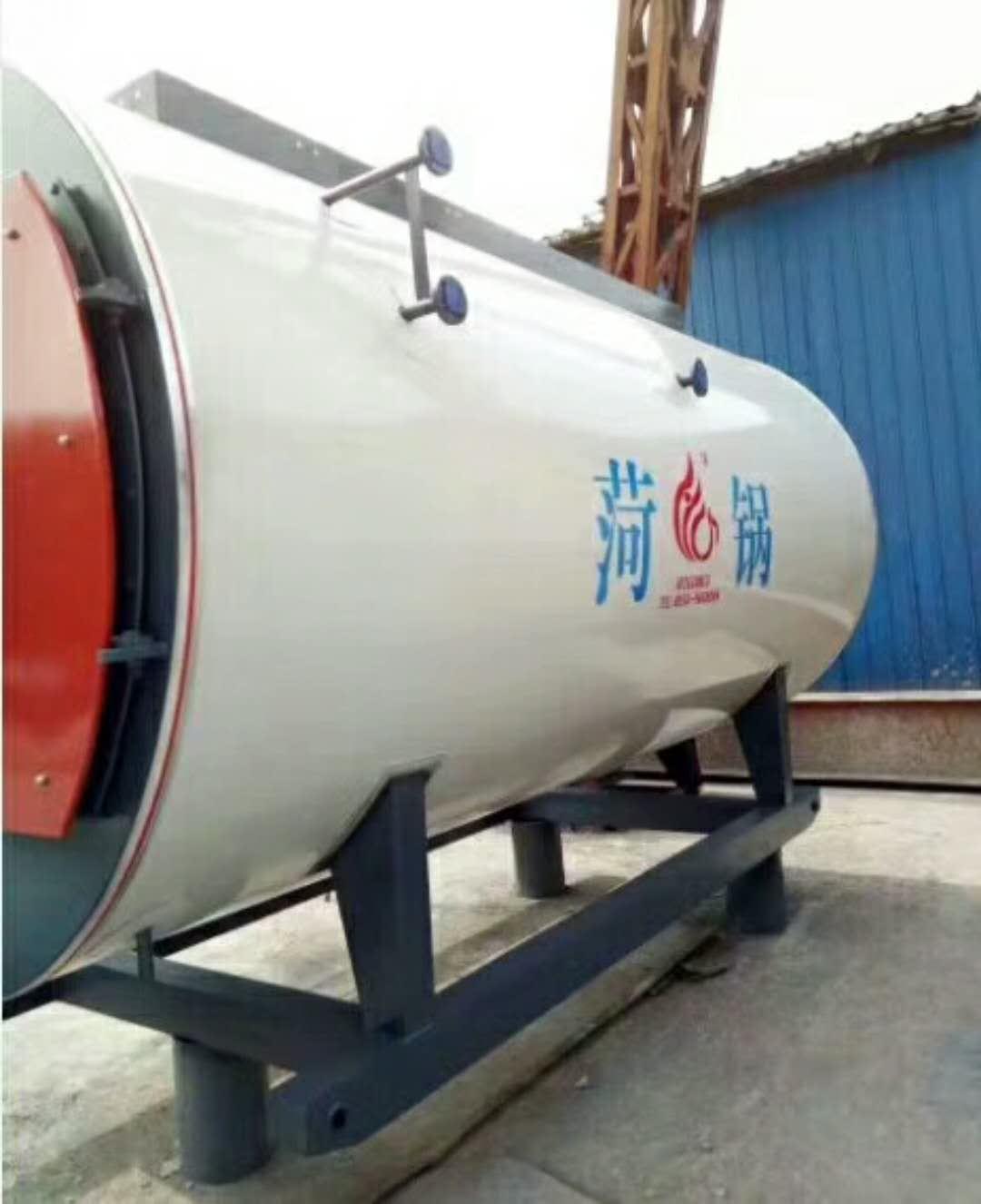
The spacing regulations between liquid oxygen tanks are typically governed by relevant safety standards and specifications to ensure safe distances and fire separations between the tanks. The following is a reference for general spacing rules for liquid oxygen tanks:
Horizontal spacing between tanks: The horizontal spacing between liquid oxygen tanks is typically required to maintain a certain distance to prevent thermal conduction and mutual interference between the tanks. The specific spacing should be determined based on factors such as tank capacity, pressure, and arrangement, with a general recommendation to maintain a safe distance to ensure safe operation and maintenance between the tanks.
Tank and building separation: The distance between liquid oxygen tanks and buildings or other facilities must also meet the relevant safety requirements. This is to prevent the tanks from causing danger to surrounding buildings or facilities in case of leaks or accidents. The specific separation requirements will be determined based on factors such as the tank's capacity, pressure, and the surrounding environment, with a general recommendation to maintain a certain safety distance.
Fireproof separation: It is important to maintain fireproof separation between liquid oxygen tanks and between tanks and buildings. Liquid oxygen has a high oxygen content and is flammable, which means that in the event of a leak or accident, it can cause fires. Therefore, liquid oxygen tanks should be kept at a certain distance from other facilities to prevent the spread of fire or pose a danger to the surrounding environment.
Note that specific liquid oxygen tank spacing regulations may vary by region or industry. When designing, arranging, and operating liquid oxygen tanks, adhere to local safety standards and regulations, and consult with experts for accurate guidance.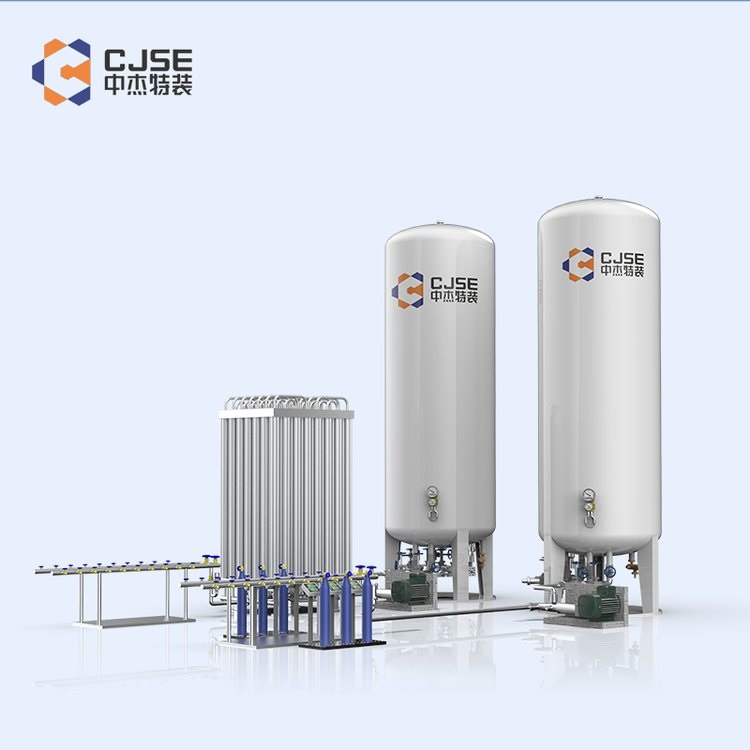
Several factors need to be considered when determining the design pressure and calculated pressure for liquid oxygen storage tanks:
Design Pressure: Design pressure refers to the maximum pressure a tank can withstand under normal operating conditions. When determining the design pressure, factors such as the working pressure range of liquid oxygen, the material strength of the tank, and the safety factor must be considered. Generally, the design pressure should be slightly higher than the high working pressure of liquid oxygen to ensure the tank's safety and reliability within the normal operating range.
Calculation Pressure: The calculation pressure refers to the actual working pressure of the tank under the design pressure. The calculation pressure is derived based on factors such as the properties of liquid oxygen, the geometric shape of the tank, and the material strength. The calculation pressure should consider factors like the expansion coefficient of liquid oxygen, temperature changes, and pressure fluctuations to ensure the safety and stability of the tank under actual working conditions.
Determining the design pressure and calculated pressure of liquid oxygen storage tanks usually requires referencing relevant standards and specifications, such as Standard GB150 "Steel Pressure Vessels" and GB18442 "Technical Conditions for Storage Tanks of Liquid Oxygen, Liquid Nitrogen, and Liquid Argon." These standards and specifications provide detailed design and calculation methods to ensure the safety and reliability of the tanks.
In practical applications, the design pressure and calculated pressure of liquid oxygen storage tanks should be calculated and determined by pressure vessel designers. They will consider factors such as specific engineering requirements, tank dimensions, and materials, among others, to ensure that the tank's design and use comply with relevant safety standards and regulations.
Our company attaches great importance to technological innovation and R&D, with 1 municipal enterprise technology center in Heze City. We have established testing facilities for non-destructive testing, physical and chemical testing, welding testing, hydrostatic testing, and more. We are equipped with over 600 pieces of equipment including CNC machines, X-ray flaw detectors, digital ultrasonic flaw detectors, mechanical property test machines, chemical analyzers, spectrometers, tensile testing machines, plasma welding machines, and more. The key products we have developed, such as temperature and pressure vessel welding, biomass boiler emission reduction, and waste heat utilization, have successively entered multiple Shandong Provincial Department of Industry and Information Technology Science and Technology Innovation Projects, Shandong Provincial Key Projects, and Heze City Innovation and Excellence Projects. We have累计 obtained 27 authorized utility models, 16 authorized inventions, participated in drafting 2 standards, 2 industry standards, and registered 15 trademarks. Our technical team, in collaboration with Professor Li Yajiang of Shandong University, has developed deep cryogenic container processing technology using the international plasma arc + filled wire tungsten inert gas (PAW-GTAW) welding technology. The provincial-level scientific and technological achievement identification confirms that our technology level has reached international standards in the field of deep cryogenic container manufacturing. Choose Zhongjie Special Equipment, and let's create brilliance together!
WeChat Official Account

Scan to follow Official Account



















