


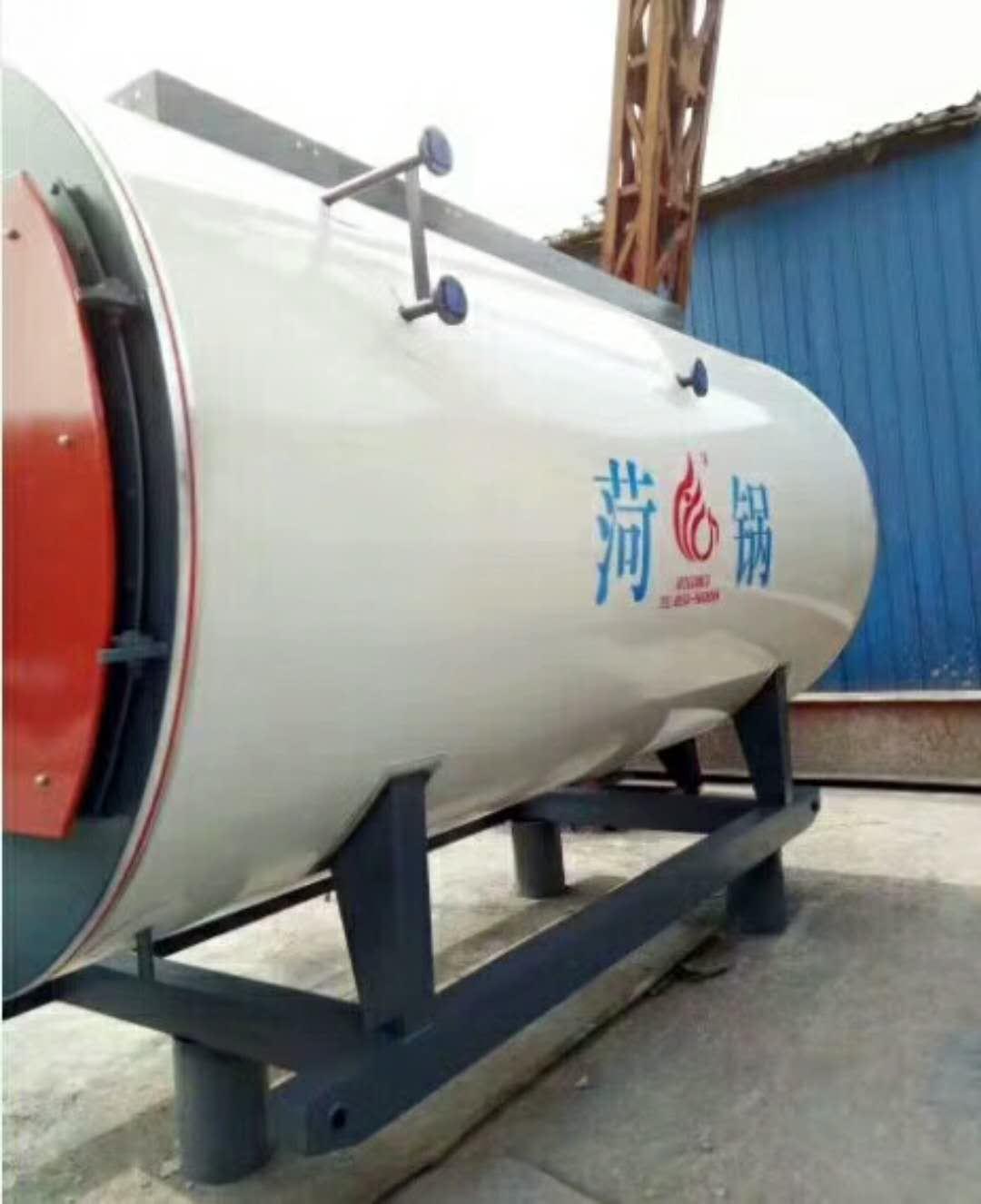

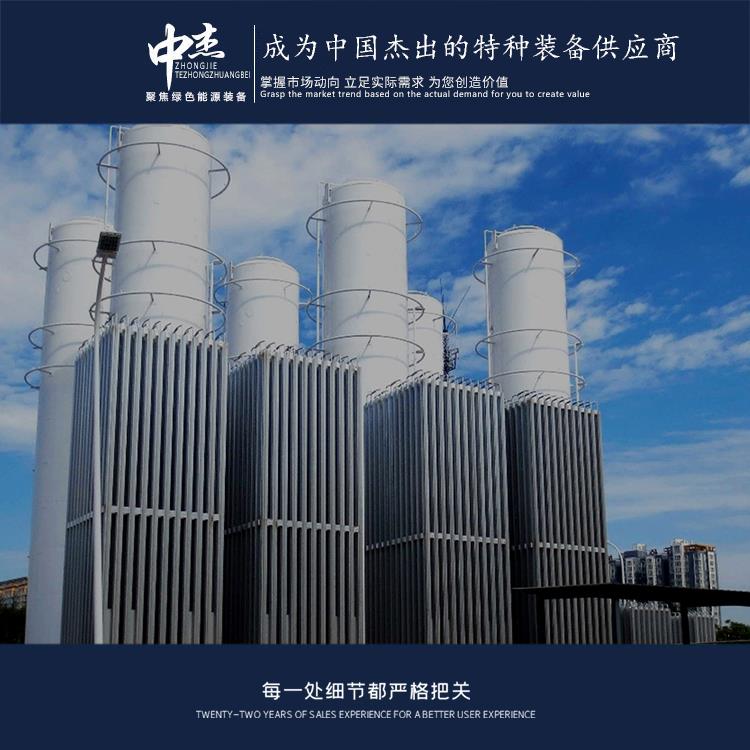
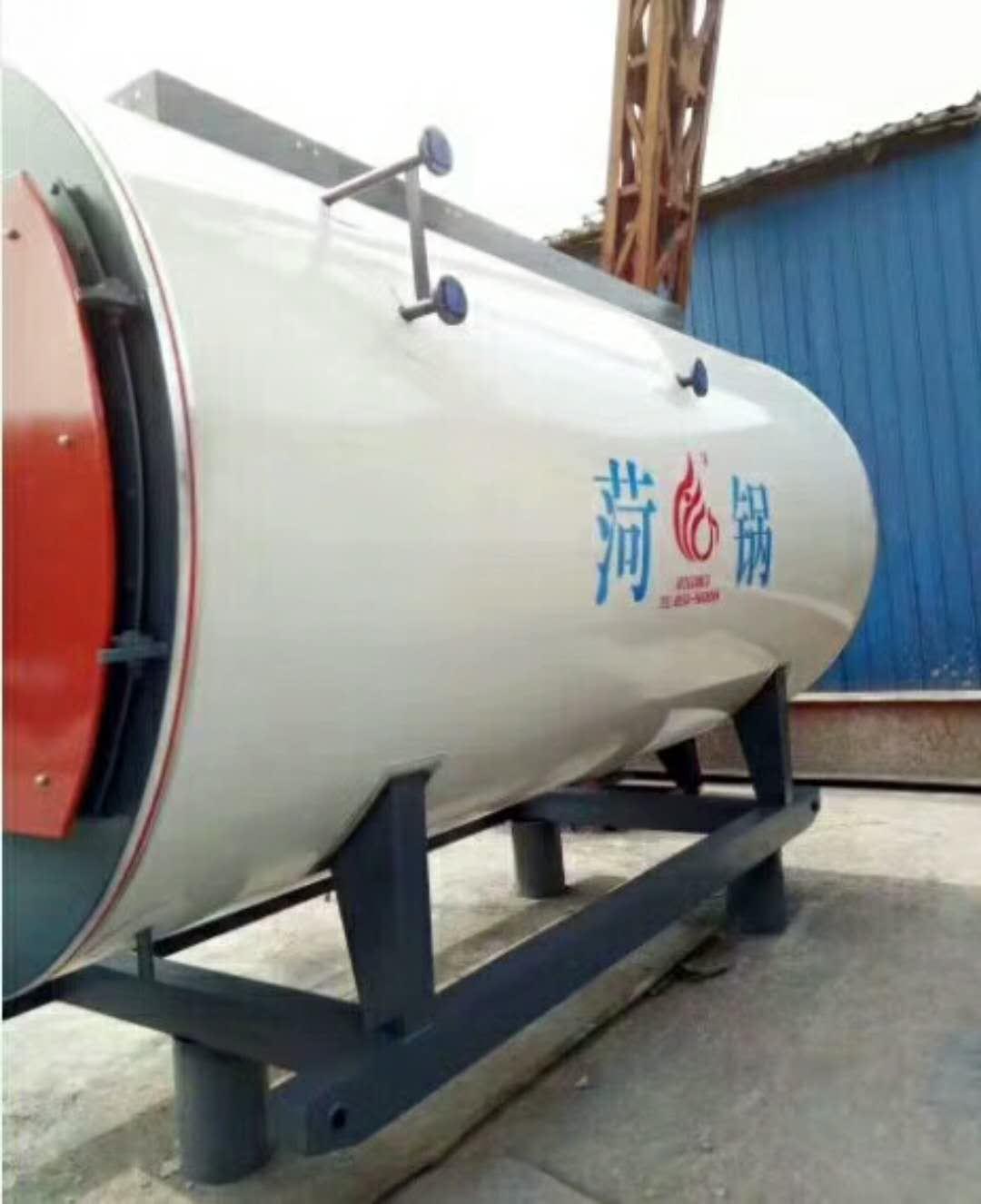


















Shandong Zhongjie Special Equipment (formerly Heze Boiler Factory Co., Ltd.) holds an A-grade boiler manufacturing license, A2-grade pressure vessel manufacturing license, A2-grade pressure vessel design license, B-grade boiler installation license, and GB2/Class, GC2/Class pressure pipeline installation license, as well as a qualification for electromechanical equipment installation contracting. It is a member unit of the China Boiler and Water Treatment Association, the China Chemical Equipment Association, and a board member unit of the Shandong Equipment Manufacturing Association. The company has also passed certifications for ISO9001 Quality Management System, ISO14001 Environmental Management System, OHSAS18001 Occupational Health and Safety Management System, and the U.S. ASME/U2 certification.
The application standards for liquid carbon dioxide storage tanks primarily include the following aspects:
Common defects in CO2 storage tanks during use include deformation. Here are some reasons that may cause tank deformation: Overpressure: When the internal pressure of the tank exceeds its design pressure, it may lead to deformation. This could be due to operational errors, system failures, or other causes. Temperature Fluctuations: CO2 storage tanks expand and contract with temperature changes, and if the temperature changes are too extreme or rapid, it may cause deformation. Internal Corrosion: If there is corrosion inside the tank, it can damage the structural integrity of the tank, leading to deformation. External Damage: External impacts, compressions, or other physical damages can cause tank deformation. Incorrect Installation or Use: Incorrect installation or usage methods can lead to uneven stress on the tank, causing deformation. Tank deformation can reduce the structural integrity of the tank and even pose risks of leakage or rupture. Therefore, it is important to regularly inspect and maintain the integrity of the tank, as well as to follow proper operational and installation procedures. If tank deformation or other defects are detected, the tank should be immediately stopped from use and professional assistance should be sought for inspection and repair. Do not attempt to repair or continue using a defective tank to ensure operational safety.
The testing and maintenance of liquid oxygen storage tanks are crucial for ensuring safe operation and extending their service life. Below is a general outline of the testing and maintenance procedures for liquid oxygen storage tanks:
- Visual Inspection: Regularly inspect the exterior of the liquid oxygen storage tank for signs of corrosion, wear, and cracks. Promptly repair or replace any abnormalities found.
- Internal Cleaning: Regularly clean the interior of the liquid oxygen storage tank to remove accumulated impurities and dirt. Use appropriate cleaning agents and tools to avoid damaging the tank.
- Level Measurement: Regularly measure the liquid level to ensure it remains within a safe range within the tank. Use a level gauge or other measuring equipment, and record the results.
- Pressure Testing: Regularly conduct pressure tests to verify the tank's pressure resistance. Control the pressure and time during testing to ensure safety and accuracy.
- Leak Detection: Regularly perform leak detection to ensure the tank's sealing integrity. Use leak detection equipment such as gas detectors or foam leak detectors.
- Valve and Pipeline Inspection: Regularly check the valves and pipeline connections of the liquid oxygen storage tank to ensure proper sealing and no leakage. Promptly repair or replace any issues found.
- Maintenance Records: Keep records of the testing and maintenance activities, including inspection dates, contents, and results. These records help track the tank's maintenance history and issue resolution.
- Scheduled Maintenance: Develop a regular maintenance plan based on the tank's usage and requirements. Maintenance includes lubrication, bolt tightening, and seal replacement to ensure normal operation.
Key measures to ensure the quality of CO2 storage tanks include the following aspects:
- Selecting qualified suppliers: Choose suppliers with a good reputation and experience, ensuring their provided tanks meet relevant quality standards and regulations. This can be achieved by evaluating the supplier's qualifications, referring to customer reviews, and conducting on-site inspections to select the appropriate supplier.
- Strict quality control: Implement strict quality control measures during the manufacturing process of the tanks. This includes selecting and inspecting raw materials, controlling production processes, monitoring process parameters, product testing and testing, to ensure the tanks meet quality requirements.
- Compliance with standards and specifications: The design, manufacturing, and installation of the tanks should comply with relevant standards and specifications, such as industry standards and regulations. These include the structural design of the tank, material selection, welding processes, corrosion protection measures, safety valves, and configuration of pressure sensors.
- Regular inspections and maintenance: Tanks require regular inspections and maintenance during use to ensure their safety and reliability. This involves checking the tank's appearance, sealing, valves, and pipeline connections, conducting regular pressure tests and leak detection, and promptly addressing abnormal situations.
- Establishing a quality management system: Establish a comprehensive quality management system, including quality control processes, documentation, quality training, and internal audits. By establishing a quality management system, the quality control and continuous improvement of the tanks can be ensured.
- Third-party testing and certification: Entrust third-party institutions to conduct testing and certification of the tanks to verify their quality and compliance. Third-party testing and certification agencies are typically independent and impartial, providing objective assessments and certification results.
- Through the implementation of these measures, the quality of CO2 storage tanks can be effectively ensured, enhancing their safety and reliability.
Our company places great emphasis on technological innovation and R&D, boasting 1 city-level enterprise technology center in Heze City. We have established testing facilities for non-destructive testing, physical and chemical testing, welding testing, hydrostatic testing, etc., and are equipped with over 600 pieces of various instruments and equipment including CNC machine tools, X-ray flaw detectors, digital ultrasonic flaw detectors, mechanical property testing machines, chemical analyzers, spectrometers, tensile testing machines, plasma welding machines, and more. The key products and technologies we have developed, such as welding for temperature and pressure vessels, emission reduction for biomass boilers, and waste heat utilization, have successively been shortlisted for multiple Shandong Provincial Department of Industry and Information Technology science and technology innovation projects, Shandong Provincial key projects, and Heze City innovation and excellence projects. We have accumulated 27 authorized utility model patents, 16 authorized invention patents, participated in drafting 2 standards, 2 industry standards, and registered 15 trademarks. The technical team of our company, in collaboration with Professor Yajiang Li of Shandong University, has jointly developed deep cryogenic container processing technology, utilizing the internationally recognized plasma arc + wire filling tungsten inert gas arc welding (PAW-GTAW) technology. After being appraised by the provincial scientific and technological achievement, the technology level has reached the international standard in the field of deep cryogenic container manufacturing. Choose ZJ Special Equipment, and let's create brilliance together!
WeChat Official Account

Scan to follow Official Account



















