


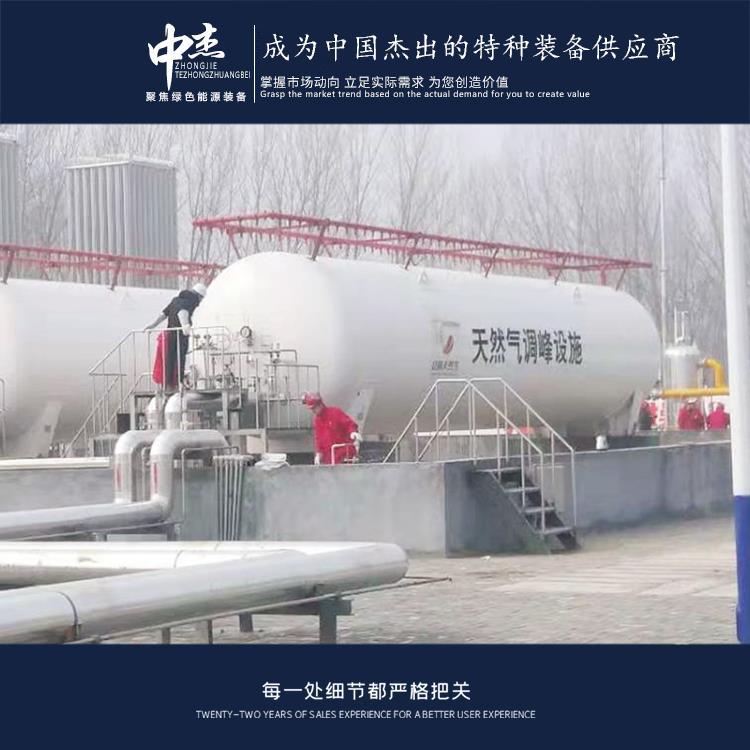

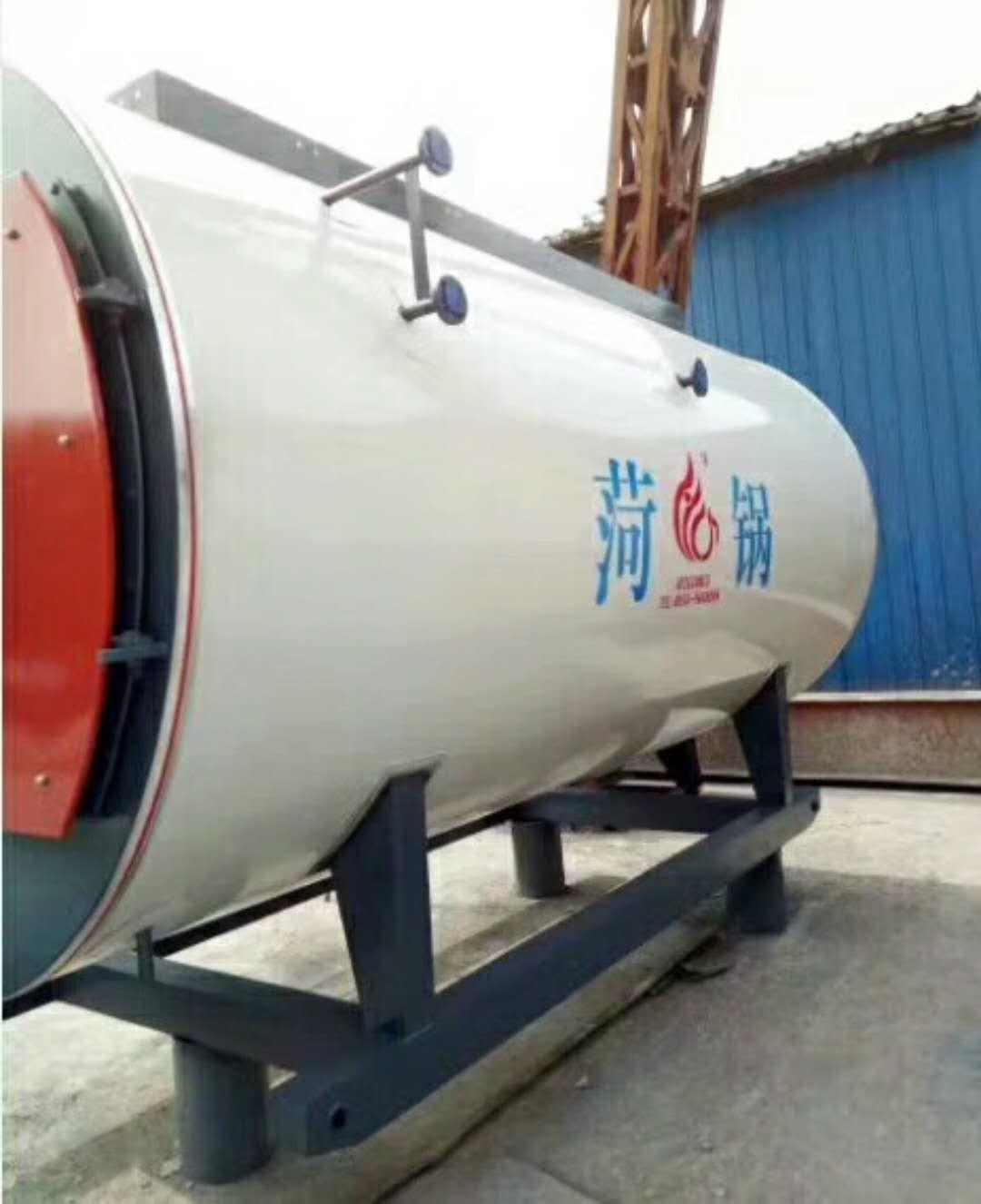


















Shandong Zhongjie Special Equipment Co., Ltd. (formerly Heze Boiler Factory Co., Ltd.) was established in 2001 and is located at No. 2218 Jinnan Road, Development Zone, Heze City. With a registered capital of 50 million yuan and total assets of 500 million yuan, the company operates seven major business centers: boiler manufacturing, deep-freezing vessels, pressure vessels, central air conditioning, engineering installation, international trade, and the Internet of Things. It has three manufacturing sites at Jinnan Road, East Changjiang Road, and Bohai Road, covering a total area of 200,000 square meters, with the main workshop spanning 83,000 square meters. It currently employs 710 people, including 247 engineering technicians and 82 middle-level technical personnel. In December 2016, it was recognized as a "High-tech Enterprise" by the Science and Technology Department. In June 2021, it was identified as a "Specialized, Focused, and New Enterprise of Shandong Province" by the Industrial and Information Technology Department. In June 2022, it was named a "Deer Enterprise of Shandong Province" and in August 2022, it was recognized as a "Specialized, Focused, and New Small Giant Enterprise" by the Ministry of Industry and Information Technology.
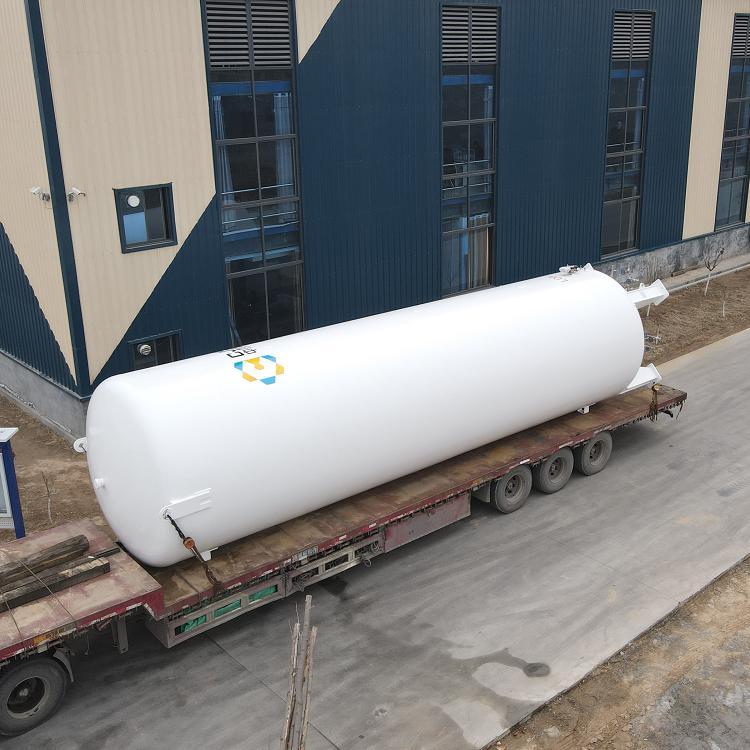
The safety distance for liquid oxygen storage tanks refers to the distance that must be maintained around the tank to ensure the safety of personnel and equipment. The specific requirements for safety distances may vary depending on different regions and application sites. Below are some common principles for safety distances:
Buildings and Equipment: Liquid oxygen storage tanks should be kept at a certain safe distance from buildings, equipment, and other storage tanks to prevent the spread of fires, explosions, and leaks. The specific safety distance requirements should be evaluated and determined according to local regulations and standards.
Fire Sources and Heat Sources: Liquid oxygen is highly oxidizing and can easily cause fires and explosions. Therefore, liquid oxygen storage tanks should be kept at a sufficient safe distance from fire sources, heat sources, and flammable materials to prevent the occurrence of fires and explosions.
Ventilation and Exhaust: Good ventilation and exhaust should be maintained around liquid oxygen storage tanks to prevent the accumulation of evaporated liquid oxygen and the formation of explosive mixtures. The design and operation of the ventilation and exhaust system should comply with relevant safety standards and specifications.
Personnel and Traffic: Personnel and traffic around liquid oxygen storage tanks should be restricted and controlled to ensure personnel safety and the normal operation of the tank. Warning signs, safety fences, and restricted areas should be established to prevent unauthorized personnel from entering the tank area.
It is important to note that the safety distance for liquid oxygen storage tanks should be assessed and determined based on the specific application site and safety requirements. When designing, installing, and operating liquid oxygen storage tanks, relevant regulations, standards, and safety guidelines should be followed to ensure the safety and reliability of the tank.
Prior to cooling the liquid oxygen tank, the following prerequisites must be met:
Clean Tanks: Ensure the interior of the tank is clean, free of impurities and contaminants. The tank should be properly cleaned and flushed to maintain its internal cleanliness.
Deaeration and exhaust: Empty the gas inside the storage tank and expel it through the exhaust system to reduce the gas content within the tank. This helps minimize interference of the gas on the cooling process.
Safety Precautions: Prior to cooling the liquid oxygen tank, necessary safety measures must be taken. Liquid oxygen is highly flammable and exhibits low-temperature characteristics. Operators should wear appropriate protective suits, gloves, and other personal protective equipment to ensure safe operation.
Temperature Control: During the cooling process of the liquid oxygen tank, it is necessary to control the temperature of the tank. Typically, low-temperature mediums such as liquid nitrogen are used to cool the tank, ensuring that the tank's temperature gradually drops below the boiling point of liquid oxygen.
Insulation and Heat Retention: Liquid oxygen tanks typically feature double or multi-layer construction, filled with insulating material in between to minimize heat transfer and evaporation of the liquid oxygen. Ensure the integrity and excellent insulation of the insulation layer to enhance the cooling efficiency of the tank.
Under the aforementioned preconditions, the cooling operation of the liquid oxygen tank may be conducted. The cooling process must strictly adhere to the relevant safety regulations and operational guidelines to ensure the safe operation and use of the tank.
Liquid nitrogen tanks are equipment used for storing liquid nitrogen and are widely applied in the following fields: Frozen Food and Cold Chain Logistics: Liquid nitrogen tanks are used in the frozen food and cold chain logistics industry to freeze or refrigerate food and perishable items, extending their shelf life and freshness. The low temperature of liquid nitrogen can rapidly freeze food, prevent bacterial growth, and preserve food quality. Biological Sample Storage: Liquid nitrogen tanks are widely used in the field to store biological samples, cells, tissues, and more. The low temperature of liquid nitrogen effectively preserves the integrity and viability of biological materials, used in medical research, biomedical engineering, and transplantation, among others. Laboratory Research: Liquid nitrogen tanks are used in scientific research and laboratories to provide liquid nitrogen as a coolant and freezing medium. The low temperature of liquid nitrogen can be used for cooling laboratory equipment, material research, superconducting electronics, and low-temperature physics. Metalworking and Welding: Liquid nitrogen tanks are used in metalworking and welding to cool and control the temperature of metal. Liquid nitrogen can rapidly cool metal, improve the hardness and strength of metal, and reduce deformation and stress. Gas Storage and Supply: Liquid nitrogen tanks are also used for storing and supplying nitrogen gas. Liquid nitrogen can be evaporated into gaseous nitrogen for applications such as gas shield welding, gas fire suppression systems, gas analysis, and laboratory gas supply. In summary, liquid nitrogen tanks are extensively used in frozen food, laboratory research, metalworking, and gas supply, providing storage and supply functions for liquid nitrogen in various application sites.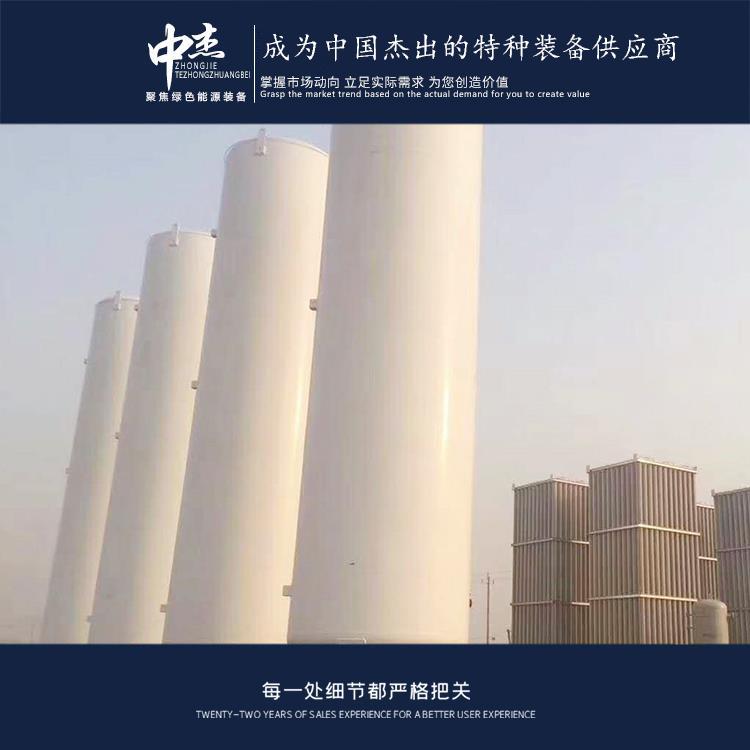
Operation procedures for liquid oxygen storage tanks should be established based on specific tank design and usage requirements. The following are some common contents of general operation procedures for liquid oxygen storage tanks:
Operator Training: Ensure operators have received relevant training on liquid oxygen storage tanks, understanding the tank's structure, performance, operation procedures, and safety precautions.
Safety Inspections: Conduct necessary safety checks before operating the liquid oxygen storage tank, including checking the tank's integrity, the sealing of valves and pipes, and the condition of the insulation layer.
Liquid Oxygen Supply: Ensure the liquid oxygen supply system is functioning properly, including inspecting the status of liquid oxygen supply pipes, valves, and pressure gauges, and ensuring an adequate supply of liquid oxygen.
Tank Pressure Control: Monitor the pressure of the liquid oxygen storage tank to ensure it remains within a safe range. If necessary, control the tank's pressure by adjusting pressure valves or pressure relief devices.
Leakage Control: Regularly check the sealing of the tank and pipes to ensure there are no leaks. In case of a leak, take immediate measures to control the leakage and notify relevant personnel.
Fire Prevention Measures: Prohibit open flames and prevent sparks and high-temperature objects from contacting the storage tank around it. Establish fire prevention facilities and fire extinguishing equipment, and check and maintain them regularly.
Safety Distance: Maintain a certain safety distance around the liquid oxygen storage tank to prevent the spread of fires, explosions, and leaks.
Maintenance and Repair: Regularly perform maintenance and repairs on the tank, including cleaning the tank, inspecting the insulation layer, valves, and pipes, to ensure the tank operates normally.
Waste Disposal: Properly dispose of waste generated by the liquid oxygen storage tank, including liquid oxygen residues, waste gases, and waste liquids, in accordance with relevant environmental protection regulations and standards.
Note that operation procedures for liquid oxygen storage tanks should be established based on specific tank design and usage requirements and should comply with applicable regulations, standards, and safety guidelines. When operating liquid oxygen storage tanks, cooperate with local regulatory authorities and personnel to ensure the tank's safety and reliability.
Our company places great emphasis on technological innovation and research and development. We possess 1 municipal-level enterprise technology center in Heze City, equipped with non-destructive testing, physical and chemical testing, welding testing, hydrostatic testing, and other testing facilities. We have over 600 types of equipment, including CNC machine tools, X-ray flaw detectors, digital ultrasonic flaw detectors, mechanical property testing machines, chemical analyzers, spectrometers, tensile testing machines, plasma welding machines, and more. The key products and technologies we have developed, such as temperature and pressure vessel welding, biomass boiler emission reduction, and waste heat utilization, have successively been selected for multiple Shandong Provincial Department of Industry and Information Technology scientific and technological innovation projects, key projects in Shandong Province, and Heze City innovative and excellent projects. We have accumulated 27 authorized utility model patents, 16 authorized invention patents, participated in drafting 2 standards, 2 industry standards, and registered 15 trademarks. The technical team of our company, in collaboration with Professor Yajiang Li of Shandong University, has developed deep cryogenic container processing technology, utilizing the international plasma arc + filler wire tungsten inert gas arc welding (PAW-GTAW) technology. After being appraised as a provincial-level scientific and technological achievement, our technology level in deep cryogenic container manufacturing has reached an international standard. Choose Zhongjie Special Equipment, and let's create brilliance together!
WeChat Official Account

Scan to follow Official Account



















