



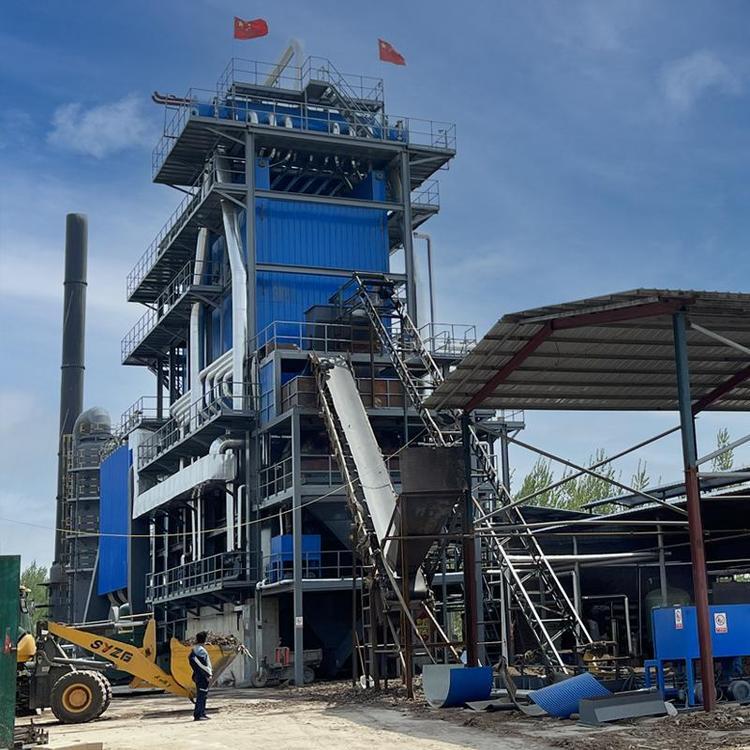


















Shandong Zhongjie Special Equipment's main products include: fuel (gas) boilers, organic heat carrier boilers, biomass boilers, waste heat boilers, and other boiler products; vacuum insulation cryogenic pressure vessels such as LNG tanks, oxygen/nitrogen/argon tanks, and CO2 tanks; pressure vessel products such as denitrification engineering equipment, heat storage and energy storage equipment, and complete chemical equipment sets; central air conditioning and HVAC equipment such as ground (water) source heat pumps, air source units, water-cooled screw units, and air-cooled modular units. Planned products include large-scale energy centers, LNG transport vehicles, LNG tank containers, and other green energy equipment.
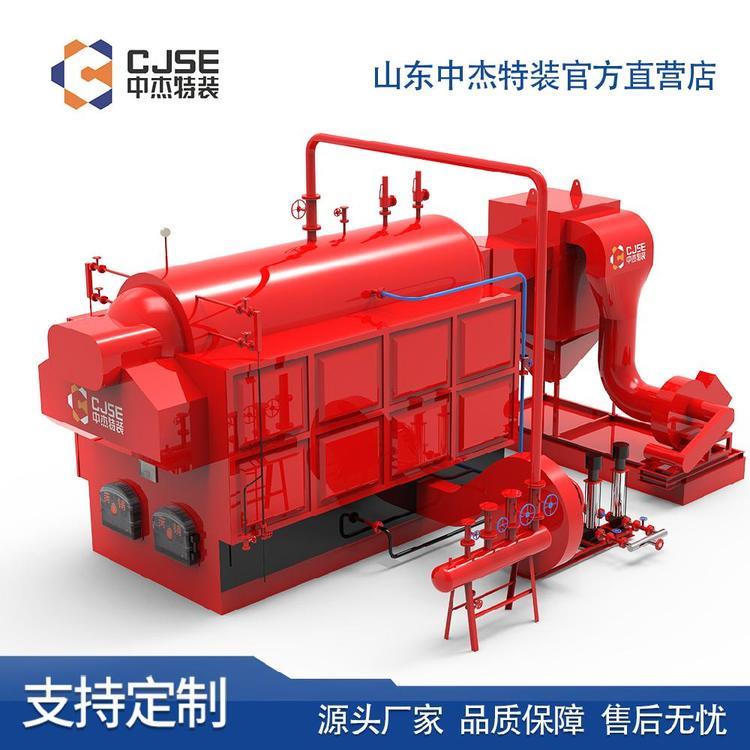
The internal structure of an automatic biomass boiler typically includes the following main components:
Combustion Chamber: The combustion chamber is the area inside the biomass boiler where combustion takes place. It typically consists of a burner, combustion chamber walls, top, and bottom. The combustion chamber provides the space and oxygen needed for combustion, allowing biomass fuel to burn and generate heat.
Chimney System: The chimney system is designed to guide flue gases produced by combustion out of the combustion chamber. It includes flue pipes, chimneys, and flue gas purification equipment, etc. The design and layout of the chimney system can effectively enhance the emission efficiency of flue gases and the utilization efficiency of thermal energy.
Heat Exchangers: Heat exchangers are a critical component in biomass boilers, used to transfer the thermal energy from the flue gas produced by combustion to water or other working substances. Common types of heat exchangers include water tube heat exchangers and flue tube heat exchangers. The design and material selection of heat exchangers are crucial for improving
Biomass boilers produce nitrogen oxides (NOx) during the combustion process, which are harmful emissions to the environment. Therefore, controlling the NOx emissions from biomass boilers is a significant challenge. The following are some难点 of NOx control in biomass boilers:
Fuel Characteristics: Biomass fuel compositions and characteristics are diverse, containing varying nitrogen content and volatile matter. This makes it challenging to accurately predict and control NOx emissions during the combustion process in biomass boilers.
Combustion Temperature: The generation of NOx is closely related to combustion temperature; both excessively high and low temperatures can increase NOx formation. The combustion temperature of biomass boilers is influenced by various factors, such as fuel moisture and oxygen supply, making it somewhat challenging to control the combustion temperature for effective NOx emissions control.
Proper combustion air supply can help control NOx generation, but excessive or insufficient air supply will affect combustion efficiency and NOx emissions. For biomass boilers, the combustion air supply must be adjusted reasonably according to the fuel characteristics and combustion conditions, which poses certain requirements for operators and controllers.
Combustion System Design: The design of the combustion system in biomass boilers also has an impact on NOx emissions control. For instance, the adopted combustion technologies and burner designs, such as low NOx combustion technology and optimized combustion chamber structure, can effectively reduce NOx emissions.
Operation and Maintenance: Proper operation and regular maintenance of biomass boilers are crucial for controlling NOx emissions. Reasonable operation and scheduled maintenance can ensure the normal operation and combustion of the combustion system, thereby reducing the generation of NOx.
In summary, the challenges in controlling NOx emissions from biomass boilers primarily include fuel characteristics.
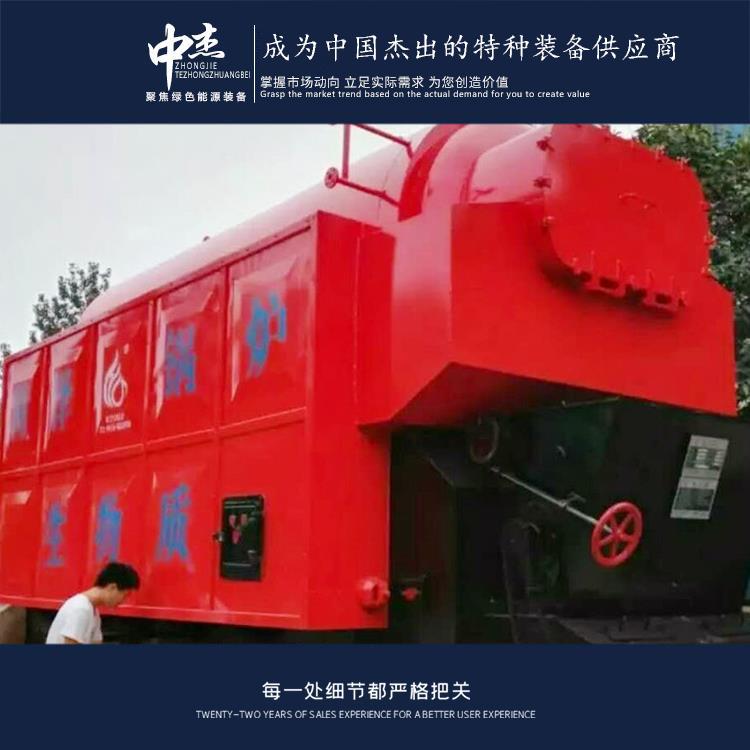
The Zhongjie special-purpose biomass boiler body boasts the following technical advantages:
Our combustion technology: The Zhongjie biomass boiler adopts advanced combustion technologies such as fluidized bed combustion and chain grate combustion, enabling the combustion of biomass fuel. It boasts high combustion efficiency and high thermal energy utilization, reducing energy waste.
Multiple Fuel Compatibility: The Zhongjie specially fitted biomass boiler is adaptable to various biomass fuels such as wood chips, straw, and discarded crops, demonstrating strong fuel versatility. Suitable fuel options can be chosen based on actual conditions to achieve diversified energy utilization.
Heat Exchanger Design: The heat exchanger for Zhongjie's biomass boiler is designed to maximize the thermal energy in flue gas, enhancing heat efficiency. The material and structural design of the heat exchanger are optimized for optimal thermal conduction and heat exchange.
The control system: The control system installed on the Zhongjie biomass boiler is capable of accurately controlling and adjusting parameters such as temperature, pressure, and fuel supply. The control system is equipped with safety protection features, including overheat protection and low water level protection, ensuring the safe operation of the boiler.
Low Emission Environmental Protection: The Zhongjie biomass boiler employs combustion and purification technologies that effectively control emissions generated during the combustion process, such as particulates and nitrogen oxides. It boasts lower carbon and environmental pollutant emissions.
High reliability and stability: The materials and processes used in Zhongjie's customized biomass boiler are of excellent durability and stability. Rigorous quality control and testing ensure the boiler's high reliability and long-term stable operation.
Biomass boilers can be roughly divided into two categories based on their applications:
Biomass Hot Water Boiler: Biomass hot water boilers are primarily used for heating and hot water supply. They transfer heat energy to water by burning biomass fuel, producing hot water. This type of boiler is widely used in heating and hot water systems in homes, office buildings, schools, hotels, and other locations.
Biomass Steam Boilers: Biomass steam boilers are primarily used for steam supply in industrial production processes. They generate high-pressure steam at high temperatures by burning biomass fuel, which is utilized to power machinery, heating, and processing in various industrial applications. This type of boiler is commonly found in industries such as pulp and paper, food processing, and chemical manufacturing.
These two types of biomass boilers differ in principle and design, catering to various application scenarios. Whether for hot water or steam boilers, they both harness the thermal energy of biomass fuel, achieving the utilization of renewable energy sources and featuring environmental protection and energy-saving properties.
Zhong Jie Special Equipment upholds the grand vision of "realizing the dreams of our employees, creating value for our customers, and striving for the prosperity and strength of our motherland," and is dedicated to the development of the green energy equipment industry. We offer society high-quality products and services at competitive prices!
WeChat Official Account

Scan to follow Official Account



















