


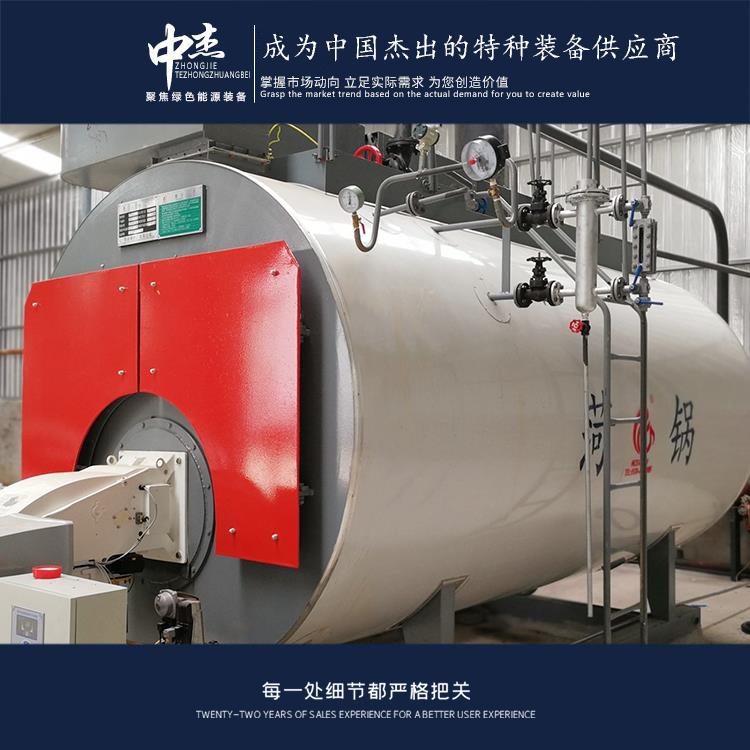

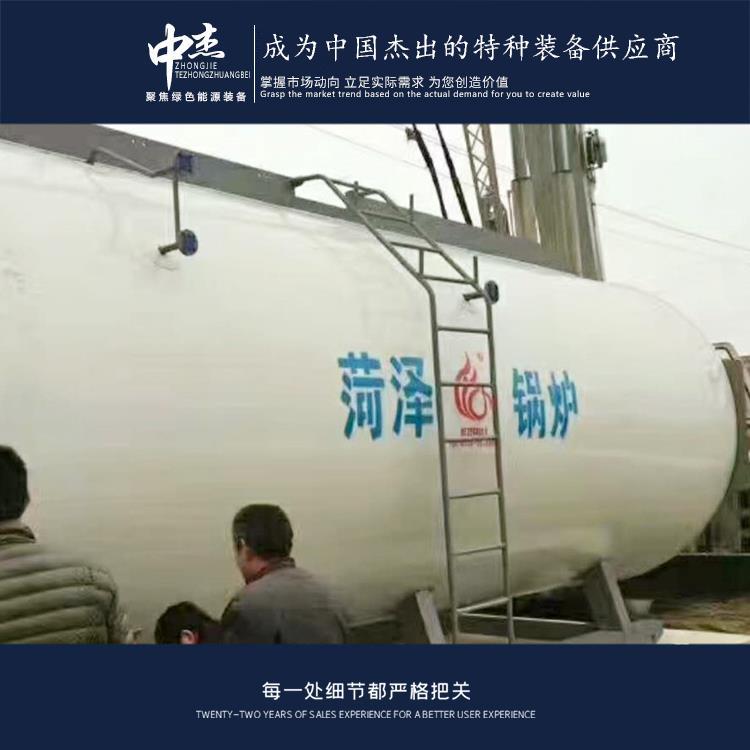
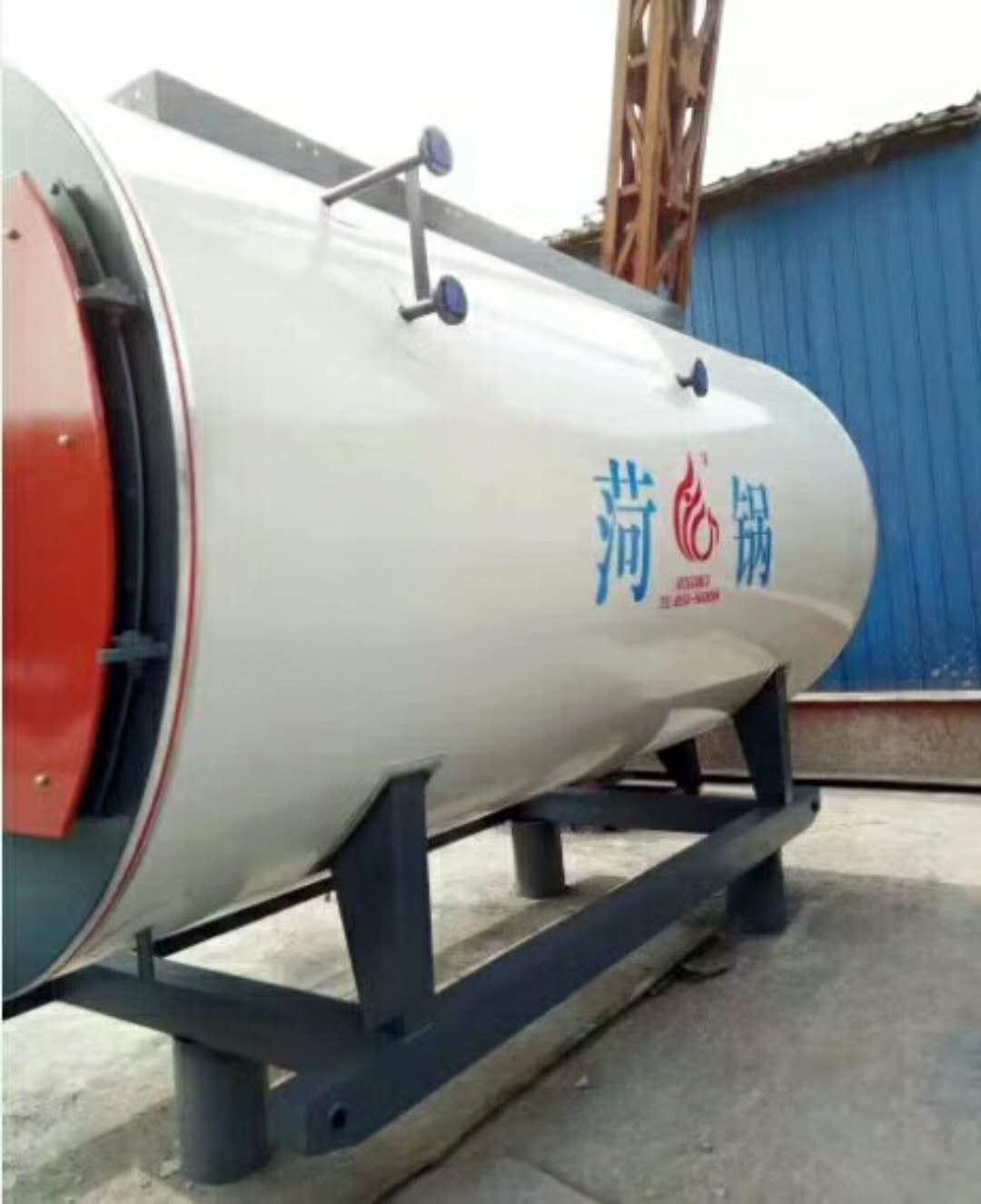


















Shandong Zhongjie Special Equipment Co., Ltd. (formerly Heze Boiler Factory Co., Ltd.) was established in 2001, located at No. 2218 Jinnan Road, Development Zone, Heze City, with a registered capital of 50 million yuan and total assets of 500 million yuan. The company has 7 business centers: boilers, deep-freezing containers, pressure vessels, central air conditioning, engineering installation, international trade, and Internet of Things. It has three factory sites on Jinnan Road, East Changjiang Road, and Bohai Road, covering a total area of 200,000 square meters, with the main workshop spanning 83,000 square meters. It currently employs 710 staff, including 247 engineers and technicians, and 82 intermediate-level technicians. In December 2016, it was recognized as a "High-tech Enterprise" by the Science and Technology Department. In June 2021, it was identified as a "Specialized and New Enterprise in Shandong Province" by the Ministry of Industry and Information Technology. In June 2022, it was recognized as a "Gazelle Enterprise in Shandong Province" and in August 2022, it was identified as a "Specialized and New Small Giant Enterprise" by the Ministry of Industry and Information Technology.
Clean and environmentally friendly gas boilers offer several advantages:
- Low emissions: The exhaust emissions from gas combustion are relatively low, with less pollution such as nitrogen oxides and particulate matter. Compared to coal or oil-fired boilers, gas boilers have lower emissions levels and cause less environmental pollution.
- High thermal efficiency: Gas combustion has a higher thermal efficiency, which allows for the full utilization of fuel energy and reduces energy waste. Compared to other traditional fuels like coal and oil, gas combustion is more efficient, providing more heat energy.
- Clean combustion: Gas combustion does not produce ash or soot, reducing the accumulation of carbon and dirt inside the boiler and in the flue. This reduces the cleaning and maintenance work of the boiler, extending its lifespan.
- Stable combustion: The combustion performance of gas is stable, with minimal flame fluctuations and explosion risks during combustion. This makes gas boilers safer and more reliable in operation.
- Fast start and stop: Gas boilers have a quicker and more flexible start and stop process compared to other fuels. This makes them suitable for scenarios requiring frequent startups and shutdowns, such as seasonal heating and hot water needs.
- Renewable energy integration: As a clean fuel, gas can be combined with renewable energy sources, such as solar hot water systems and biomass fuels. This combination can further enhance energy utilization efficiency and environmental friendliness.
The key to maintaining a hot water boiler is regular maintenance and inspections. Here are some common maintenance steps and precautions:
* Clean the burner and flue: Regularly clean the burner and flue to remove soot and dirt, maintaining combustion and heat exchange efficiency. Use cleaning tools and equipment as per the manual.
* Check water level and pressure: Regularly inspect the water level and pressure of the hot water boiler to ensure safe operation within the specified range. Refill water and adjust pressure to avoid issues caused by low or high water levels.
* Test water quality: Regularly conduct water quality tests to check for hardness, alkalinity, oxygen content, and other indicators. Take appropriate water treatment measures based on test results, such as descaling and replenishing missing chemicals, to prevent scale and corrosion damage to the boiler.
* Inspect safety devices: Regularly check the safety devices of the hot water boiler, including safety valves, pressure switches, and water level controllers, to ensure proper operation and safe boiler operation.
* Check the electrical system: Regularly inspect the boiler's electrical system, including power connections, controllers, and sensors, to ensure the normal operation of electrical equipment and avoid electrical failures.
* Regularly drain: Regularly drain the wastewater and impurities from the boiler to avoid their impact on the boiler. Develop a reasonable drainage plan based on the boiler's usage and water quality conditions.
* Keep records and monitor: Record the boiler's operating parameters, maintenance records, and fault situations, and regularly monitor and analyze them to identify and address issues promptly.
* Train operators: Ensure that operators are adequately trained.
Yes, thermal oil boilers typically feature some self-protection functions to ensure safe operation and extend their service life. Here are some common self-protection features: Overheat Protection: Thermal oil boilers are equipped with an overheat protection device that automatically cuts off the burner's gas supply when the thermal oil temperature exceeds the set safe range, preventing overheating of the thermal oil and avoiding equipment damage and safety accidents. Overpressure Protection: Thermal oil boilers also come with an overpressure protection device that automatically cuts off the burner's gas supply when the thermal oil pressure exceeds the set safe range, preventing explosions or leaks in the thermal oil system. Burner Automatic Control: The burners of thermal oil boilers are usually equipped with an automatic control system that can automatically adjust gas supply and combustion effect based on set operating parameters, maintaining a stable combustion state and avoiding incomplete or excessive combustion. Temperature Control and Adjustment: Thermal oil boilers are typically equipped with temperature control and adjustment devices that can automatically regulate the circulation and heating of the thermal oil based on the set working temperature, maintaining a stable working temperature and avoiding excessive or low temperatures. Water Level Protection: For some thermal oil boilers, especially water tube boilers, a water level protection device is also included to monitor the water and thermal oil levels. When the water level is abnormal, the protection device automatically cuts off the burner's gas supply, preventing dry burning and thermal oil leakage. It should be noted that although thermal oil boilers have self-protection functions, they still require regular inspections and maintenance to ensure the normal operation and reliability of these protection devices. Additionally, operators need to understand and master the working principles and operation methods of these self-protection functions to ensure safe operation.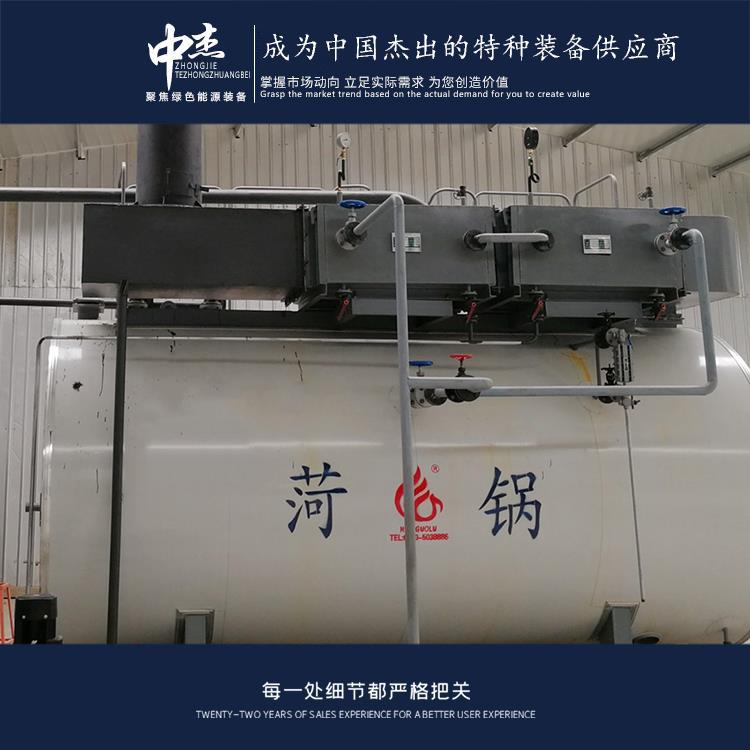
When selecting steam boilers, several key factors should be taken into account:
Steam Demand: First, determine the steam requirements of the factory or project, including steam pressure, flow rate, and quality. Choose the appropriate boiler model and specifications based on actual needs to ensure they meet process and production requirements.
Boiler Type: There are various types of steam boilers, such as fire-tube boilers, water-tube boilers, and gas-fired boilers. Select the suitable boiler type based on the actual conditions and needs of the factory. Also, consider the fuel type, such as coal, gas, or biomass, to choose a fuel type that complies with the factory's energy supply and environmental protection requirements.
Boiler Efficiency: Boiler efficiency directly impacts energy utilization efficiency and operating costs. Understand the boiler's thermal and combustion efficiency, and choose a high-efficiency steam boiler to reduce energy consumption and operating costs.
Quality and Reputation: Choose suppliers with a good reputation to ensure the quality and reliability of the steam boiler. Refer to customer reviews, industry certifications, and agency ratings to understand the supplier's reputation and product quality.
Technical Support and After-Sales Service: Select a supplier that provides comprehensive technical support and after-sales service. Ensure the supplier can offer installation guidance, training, maintenance, and troubleshooting support to ensure the normal operation and maintenance of the steam boiler.
Cost and Budget: Finally, based on the budget and economic considerations, choose a steam boiler that meets budget requirements. Consider the purchase cost, operating cost, and maintenance cost to choose a steam boiler with a high cost-performance ratio.
It is important to note that the above factors are just some of the key considerations when purchasing a steam boiler, and specific choices should be made based on the actual conditions and needs of the factory. It is recommended to communicate and compare with multiple suppliers to gather more information and advice for an informed decision.
Shandong Zhongjie Special Equipment, welcome customers to our factory for business discussions.
WeChat Official Account

Scan to follow Official Account



















