


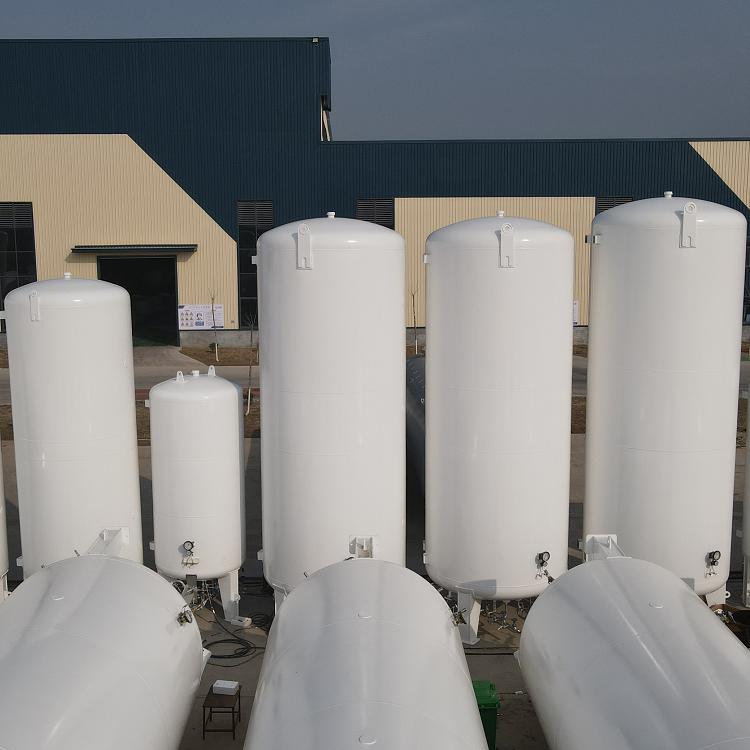

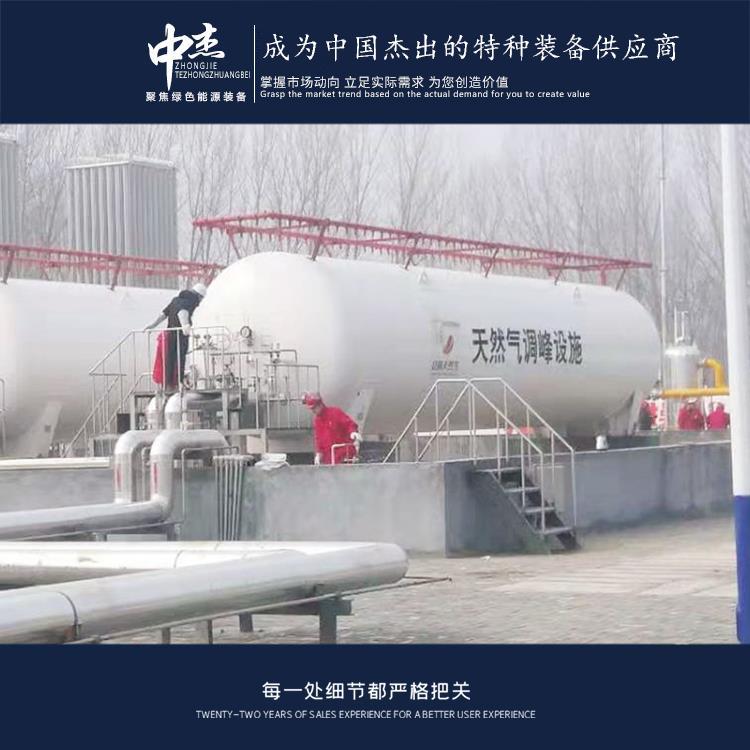
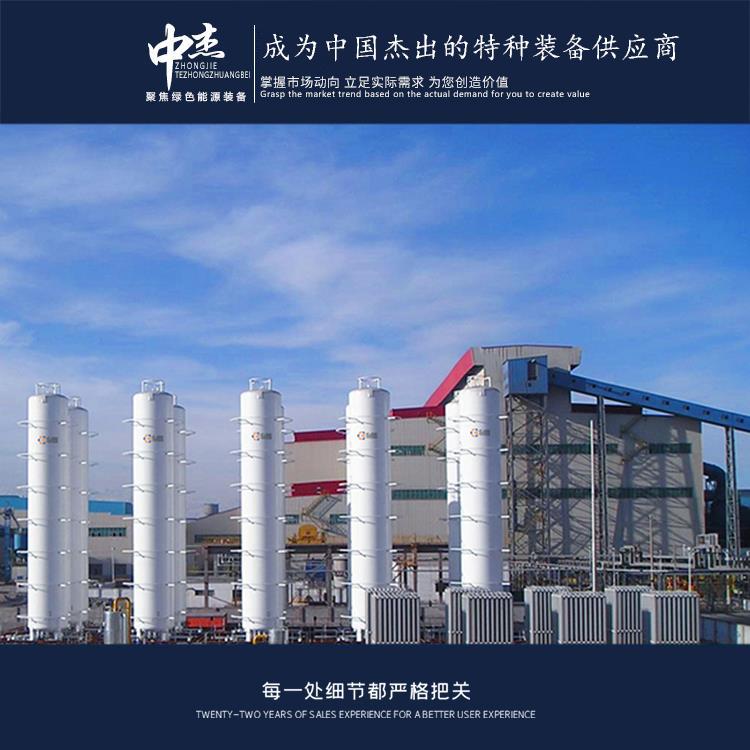


















Shandong Zhongjie Special Equipment (formerly Heze Boiler Factory Co., Ltd.) was established in 2001, located at No. 2218 Jinnan Road, Economic and Technological Development Zone, Heze City. With a registered capital of 50 million yuan and total assets of 500 million yuan, the company has seven business centers: boilers, deep-freeze containers, pressure vessels, central air conditioning, engineering installation, international trade, and Internet of Things. It has three factory sites on Jinnan Road, East Changjiang Road, and Bohai Road, covering a total of 200,000 square meters. The main workshop spans 83,000 square meters. It currently employs 710 people, including 247 engineers and technicians, and 82 intermediate-level technical personnel. In December 2016, it was recognized as a "High-tech Enterprise" by the Science and Technology Department. In June 2021, it was identified as a "Specialized and New Enterprise in Shandong Province" by the Ministry of Industry and Information Technology. In June 2022, it was recognized as a "Gazelle Enterprise in Shandong Province" and in August 2022, as a "Specialized and New Small Giant Enterprise" by the Ministry of Industry and Information Technology.
When using carbon dioxide tanks, the following safety procedures must be adhered to ensure safety:
Tank Operator Training: All operators must receive training to understand the characteristics, operational requirements, and safety measures of carbon dioxide tanks. Training should include safe tank operation, leak handling, emergency procedures, etc.
Safety Operating Procedures: Establish and follow relevant safety operating procedures, including tank startup, shutdown, inspection, and maintenance. Operators should operate according to the procedures to ensure safe tank operation.
Leak Handling: Develop a leak handling program, including leak detection, emergency shutdown, and isolation of the leak source. Operators should be familiar with the leak handling procedures and able to respond quickly and correctly to leak incidents.
Fire Prevention Measures: Carbon dioxide is flammable; fire prevention measures must be taken when using. Smoking, open flames, or flammable materials are prohibited near the tank. Ensure that fire protection facilities around the tank are intact and fire drills are conducted regularly.
Waste Gas Emission: Properly discharge waste gases produced during the use of carbon dioxide tanks to avoid the accumulation of carbon dioxide in enclosed spaces, which can cause asphyxiation and safety risks. Ensure the smooth and normal operation of the waste gas emission system.
Regular Inspections and Maintenance: Regularly inspect the tank's appearance, seals, valves, and pipe connections. If abnormalities or damage are found, repair or replacement should be done promptly. Also, regularly inspect and maintain the safety valve, pressure sensor, and other accessories.
Emergency Response Plan: Develop and implement an emergency response plan, including handling leak incidents, evacuation procedures, and first aid measures. Operators should be familiar with the emergency response plan and conduct drills regularly.
Monitoring and Alarm Systems: Install and maintain monitoring and alarm systems for the tank.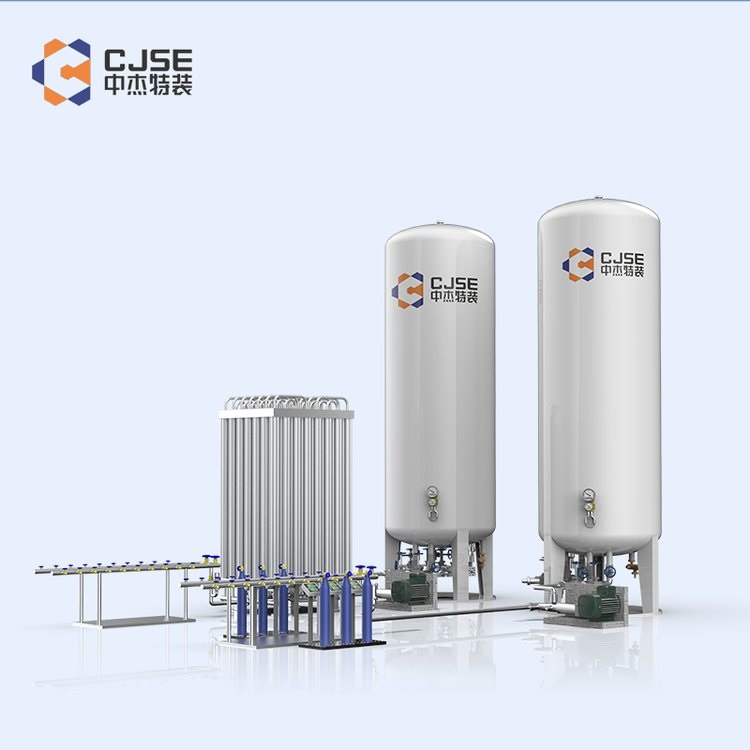
Carbon dioxide tanks are widely used in many different industries. Here are some common application sectors:
Food and Beverage Industry: Carbon dioxide tanks are used in the production process of carbonated drinks, beer, soda, etc., in the food and beverage industry. Carbon dioxide is injected into the beverages to enhance their bubbles and flavor.
Industry: In the industry, carbon dioxide tanks are used for applications such as anesthesia, respiratory care, and first aid. Liquid carbon dioxide can be used to produce refrigerants, for freezing and storing biological samples and tissues.
Fire Suppression: Carbon dioxide tanks are utilized in fire suppression systems in the fire industry. Carbon dioxide is released at the scene of the fire to extinguish flames by suppressing oxygen supply.
Gas Supply: Carbon dioxide tanks are also used to supply carbon dioxide gas in industrial and commercial fields. These gases can be used in applications such as welding, gas shielding, semiconductor manufacturing, and water treatment.
Climate Control: In greenhouses and indoor plant cultivation, carbon dioxide tanks are used to control and increase the concentration of carbon dioxide for plant growth.
Additionally, carbon dioxide tanks can be used in other industries, such as the automotive industry (for airbag systems) and industry (for propellants and gas supply).
It should be noted that the requirements and applications for carbon dioxide tanks may vary by industry. When using carbon dioxide tanks, it is important to follow relevant regulations and standards and ensure that the design, manufacture, and use of the tanks comply with the corresponding requirements.
The application standards for liquid carbon dioxide storage tanks mainly include the following aspects: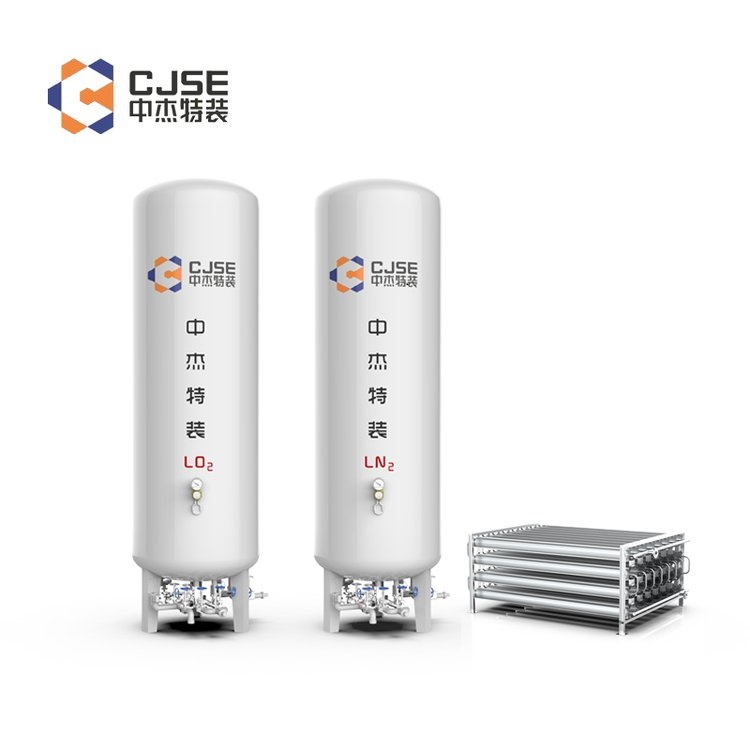
Carbon dioxide has wide applications in the field of food freezing. Below are some common applications of carbon dioxide in food freezing:
1. Frozen Food Processing: Carbon dioxide is commonly used in the processing of frozen foods. By exposing the food to liquid carbon dioxide, the temperature of the food can be rapidly reduced, achieving quick freezing. This rapid freezing effectively preserves the quality, texture, and nutritional value of the food.
2. Frozen Storage: Carbon dioxide is also used for the frozen storage of food. During the storage process, placing the food in a low-temperature environment and using the freezing effect of carbon dioxide, the temperature of the food can be lowered below the freezing point, thereby extending the shelf life of the food.
3. Frozen Transportation: Carbon dioxide plays a crucial role in the frozen transportation of food. By utilizing carbon dioxide freezing technology during transportation, the low-temperature state of the food can be maintained, preventing quality and loss.
4. Frozen Display: In the food retail industry, carbon dioxide is also used in frozen display cabinets. By injecting carbon dioxide gas into the display cabinet, the low-temperature state of the food can be maintained while showcasing it, keeping the food fresh and of high quality.
Compared to traditional freezing techniques, carbon dioxide freezing offers advantages such as faster freezing speed, better freezing quality, and minimal impact on food quality. However, safety operation is crucial when using carbon dioxide freezing technology to avoid leaks and harm to humans. Therefore, when using carbon dioxide for food freezing, it is necessary to follow relevant safety operation procedures and guidelines.
Shandong Zhongjie Special Equipment, welcome customers to visit our factory for business discussions.
WeChat Official Account

Scan to follow Official Account



















