


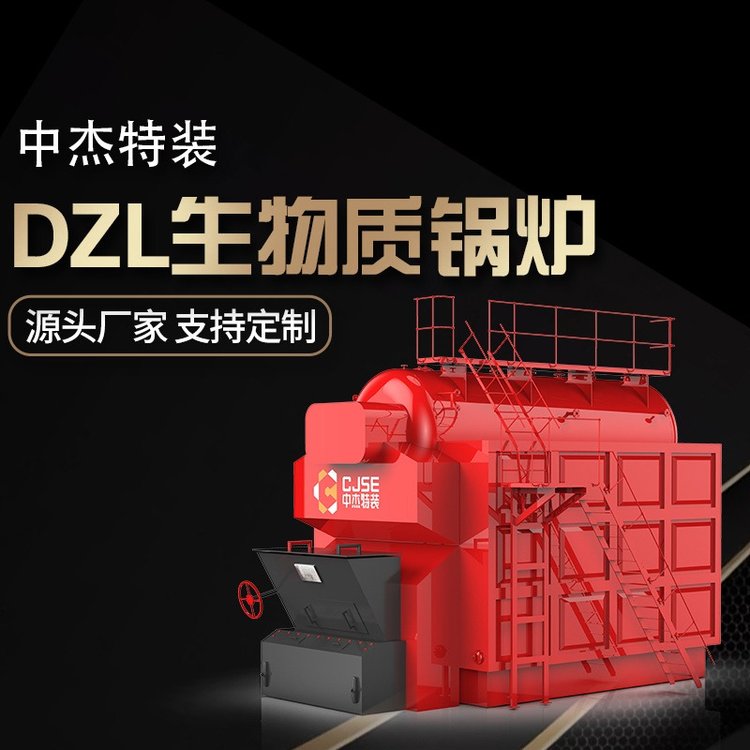

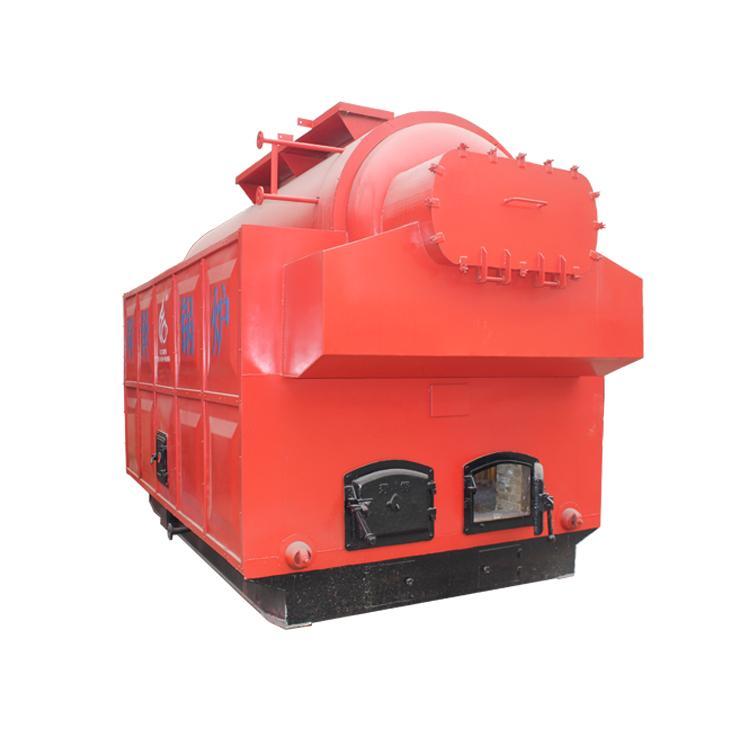
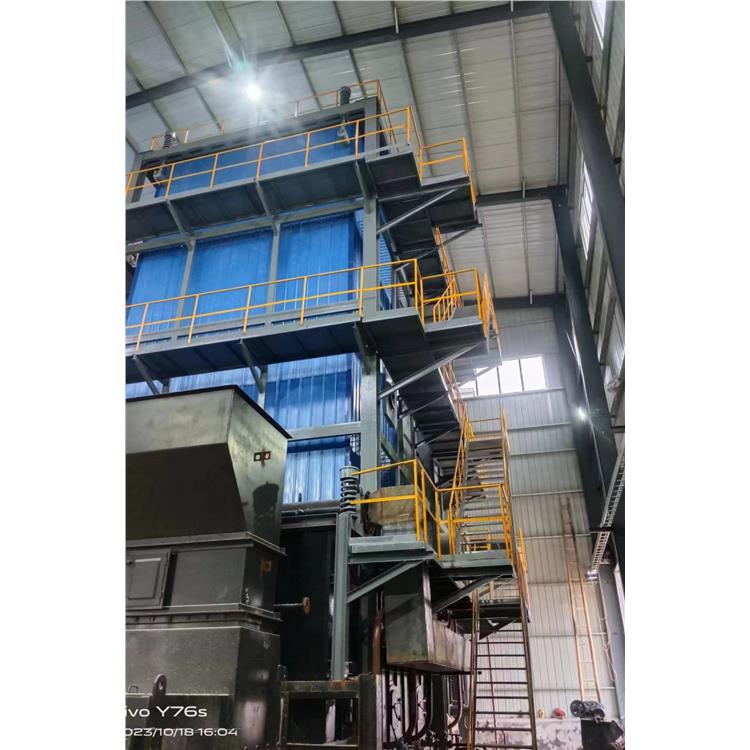


















Shandong Zhongjie Special Equipment (formerly Heze Boiler Factory Co., Ltd.) was established in 2001, located at No. 2218 Jinnan Road, Economic and Technological Development Zone, Heze City. With a registered capital of 50 million yuan and total assets of 500 million yuan, the company operates seven business centers: boilers, deep-freezing containers, pressure vessels, central air conditioning, engineering installation, international trade, and the Internet of Things. It has three factory sites on Jinnan Road, East Changjiang Road, and Bohai Road, covering a total area of 200,000 square meters, with the main workshop spanning 83,000 square meters. The company currently employs 710 staff, including 247 engineers and technicians and 82 intermediate-level technicians. In December 2016, it was recognized as a "High-tech Enterprise" by the Science and Technology Department. In June 2021, it was named a "Specialized and New Enterprise in Shandong Province" by the Department of Industry and Information Technology. In June 2022, it was identified as a "Gazelle Enterprise in Shandong Province" and in August 2022, it was recognized as a "Specialized and New Small Giant Enterprise" by the Ministry of Industry and Information Technology.
Biomass boilers, as equipment that converts thermal energy using biomass fuel, offer the following advantages:
Renewable Energy: Biomass fuel is a renewable energy source that can be continually replenished through cultivation. Compared to fossil fuels, the use of biomass fuel has a smaller environmental impact and is conducive to sustainable development.
Environmental Protection and Energy Conservation: Biomass combustion generates relatively little waste gas and residue, with low levels of pollutants emitted during combustion. Biomass fuel itself is characterized by low sulfur and low nitrogen content, and the residue after combustion can be reused as organic fertilizer or biomass fuel, reducing environmental pollution.
Diversity and Flexibility: Biomass fuel types are abundant, including wood chips, straw, etc. Different fuels can be chosen based on actual conditions, enhancing the substitutability and flexibility of the fuel.
Utilization: The biomass boiler employs advanced combustion technology and heat conversion equipment, maximizing the thermal energy of biomass fuel and enhancing heat efficiency. Additionally, equipped with economizers and flue gas recirculation systems, further heat efficiency is achieved.
Economic Efficiency: Biomass fuel is more stable and cost-effective compared to fossil fuels. The investment and operational costs of biomass boilers are relatively low, offering good economic benefits.
Widely Applicable: Biomass boilers are suitable for various fields, including industrial production, heating, and power generation. They can meet the thermal energy demands in different scenarios.
In summary, biomass boilers offer advantages such as renewable energy, environmental protection, energy conservation, diversity and flexibility, utilization, cost-effectiveness, and wide application, making them a sustainable thermal energy conversion option.
The causes of fouling in biomass boilers can be attributed to the following aspects:
Fuel Characteristics: Ash content and ashing properties in biomass fuel are the primary factors causing coking. Ash is the non-combustible inorganic material in biomass fuel, which, upon combustion, deposits in the furnace chamber and forms slag. Fuel with high ash content tends to produce large amounts of slag, while fuel with lower ashing temperatures is more prone to coking in the furnace.
Combustion Temperature: Combustion temperature is a critical factor affecting biomass boiler fouling. Excessively low combustion temperatures can result in incomplete fuel combustion and insufficient melting of ash, increasing the likelihood of fouling.
Air Supply: Insufficient or excessive air supply can affect the combustion process and coking of biomass boilers. Too little air supply leads to incomplete combustion of fuel, producing a large amount of solid residue and increasing the risk of coking. On the other hand, too much air supply can lower the combustion temperature, extend the fuel's residence time in the furnace, and also increase the likelihood of coking.
Furnace Design: The design of the furnace significantly impacts the combustion process and coking conditions. The distribution of air flow and temperature within the furnace affects the burning of fuel and the discharge of ash. An unreasonable furnace design can lead to extended fuel residence time in the furnace, increasing the risk of coking.
Ash Cleaning System: The performance and operation of the ash cleaning system also affect the coking situation of biomass boilers. Regularly cleaning the ash inside the furnace.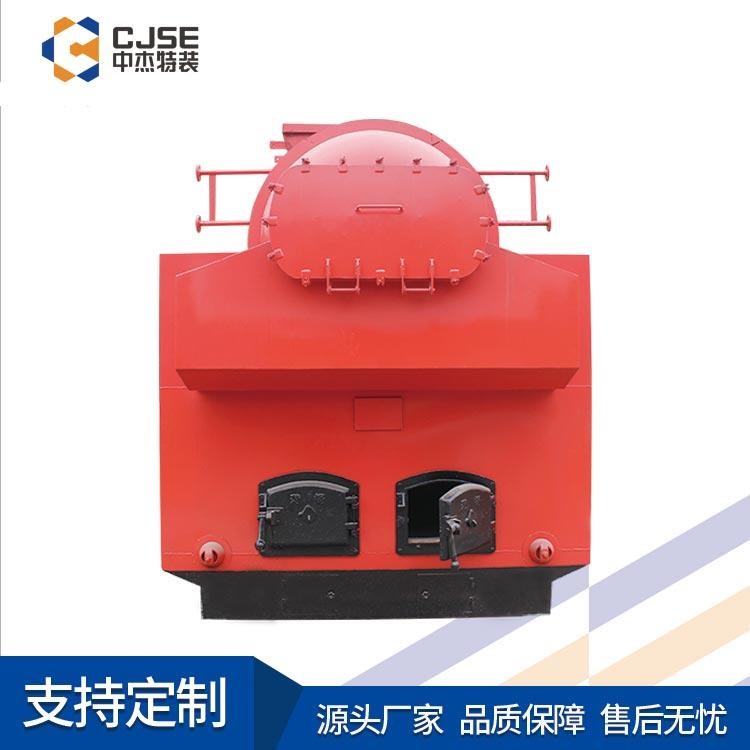
The fully automatic biomass boiler features the following characteristics:
Automatic Control: The fully automatic biomass boiler is equipped with an automatic control system that enables functions such as automatic ignition, automatic fuel supply, and automatic adjustment of combustion parameters. Through the coordination of sensors and controllers, intelligent control of the boiler and monitoring of its operating status are achieved.
Energy-saving: The fully automatic biomass boiler utilizes advanced combustion technology and heat recovery techniques to maximize the thermal energy of biomass fuel, enhancing energy efficiency. Additionally, the automated control system can intelligently adjust to actual needs, reducing energy waste.
Environmental Low Emission: The combustion process of fully automatic biomass boilers produces relatively low levels of pollutants. Through reasonable combustion adjustment and supplementary pollution control equipment such as dust collectors and nitrogen oxide control devices, the emissions of pollutants like particulates and nitrogen oxides in the flue gas can be further reduced.
Multiple Fuel Adaptability: The fully automatic biomass boiler boasts strong fuel adaptability, suitable for a variety of biomass fuels such as wood chips, straw, wheat straw, fruit shells, etc. This allows for the selection of appropriate fuel based on actual conditions, enhancing flexibility and sustainability.
Safety and Reliability: Our fully automatic biomass boilers are designed and manufactured with safety and reliability in mind, featuring multiple safety protection devices such as overheat protection, pressure protection, and burner failure protection. Additionally, the automated control system can monitor and alarm in real-time, ensuring the safe operation of the boiler.
Overall, fully automatic biomass boilers feature automated control, energy-saving, environmental protection with low emissions, versatility for various fuels, and safety and reliability.
The extinguishing process and maintenance methods for the fully automatic biomass boiler are as follows:
Extinguishing Process:
Discontinue Fuel Supply: Prior to extinguishing the biomass boiler, cease fuel supply first to ensure the fuel supply pipes are closed.
Turn off the burner: Switch the burner's switch or the extinguish button on the control panel to the off position to stop the burner from operating.
Allow to Cool: Wait for the boiler to cool to a safe temperature, which usually takes some time. Do not operate during this period to avoid accidents.
Shut off Power: After the boiler has completely cooled down, turn off the power switch of the boiler to ensure the boiler is de-energized.
Maintenance Instructions:
Clean combustion chamber: Regularly clean the combustion chamber of ash and dirt produced during the combustion process. Use appropriate tools and cleaning agents for cleaning to ensure the chamber remains clear and clean.
Heat Exchanger Cleaning: Regularly clean the heat exchangers, particularly those on the flue side. During the combustion process, flue gases may contain particulates and slag that can adhere to the surface of the heat exchangers, affecting thermal conduction efficiency. Employing appropriate cleaning methods, such as mechanical or chemical cleaning, can help reduce the accumulation of dirt.
Inspect and Replace Critical Components: Regularly inspect and replace critical components such as burners, valves, and sensors. Ensure these parts operate smoothly and maintain peak performance to avoid malfunctions and safety hazards.
Water Treatment: Proper water treatment for boiler feed water to prevent impurities and sediments from settling inside the boiler. Methods such as water softening, deoxygenation, and scaling removal can be employed to maintain the cleanliness and stability of the water supply.
Regular Maintenance: Conduct regular maintenance and upkeep, including inspecting and cleaning control systems, checking electrical connections, and lubricating moving parts. Develop a corresponding maintenance schedule based on the boiler's usage and the manufacturer's recommendations.
Above is the extinguishing process and maintenance methods for the fully automatic biomass boiler. Through proper operation and regular maintenance, it ensures the safe operation of the boiler and extends its service life.
Our company attaches great importance to technological innovation and research and development. We have 1 municipal-level enterprise technology center in Heze City, with testing facilities for non-destructive testing, physical and chemical testing, welding testing, hydrostatic testing, etc. We are equipped with over 600 various instruments and equipment, including CNC machine tools, X-ray flaw detectors, digital ultrasonic flaw detectors, mechanical property testing machines, chemical analyzers, spectrometers, tensile testing machines, plasma welding machines, and more. Our key products and technologies, such as thermal pressure vessel welding, biomass boiler emission reduction, and waste heat utilization, have successively been selected for multiple Shandong Provincial Department of Industry and Information Technology innovation projects, Shandong Provincial key projects, and Heze City innovation and excellence projects. We have accumulated 27 authorized utility model patents, 16 authorized invention patents, participated in drafting 2 national standards, 2 industry standards, and registered 15 trademarks. Our technical team, in collaboration with Professor Yajiang Li from Shandong University, has developed deep cryogenic container processing technology using the internationally recognized plasma arc+filling wire argon arc welding (PAW-GTAW) technique, which has been appraised as an internationally competitive level in deep cryogenic container manufacturing by the provincial scientific and technological achievement evaluation. Choose ZJ Special Equipment, and let's create brilliance together!
WeChat Official Account

Scan to follow Official Account



















