


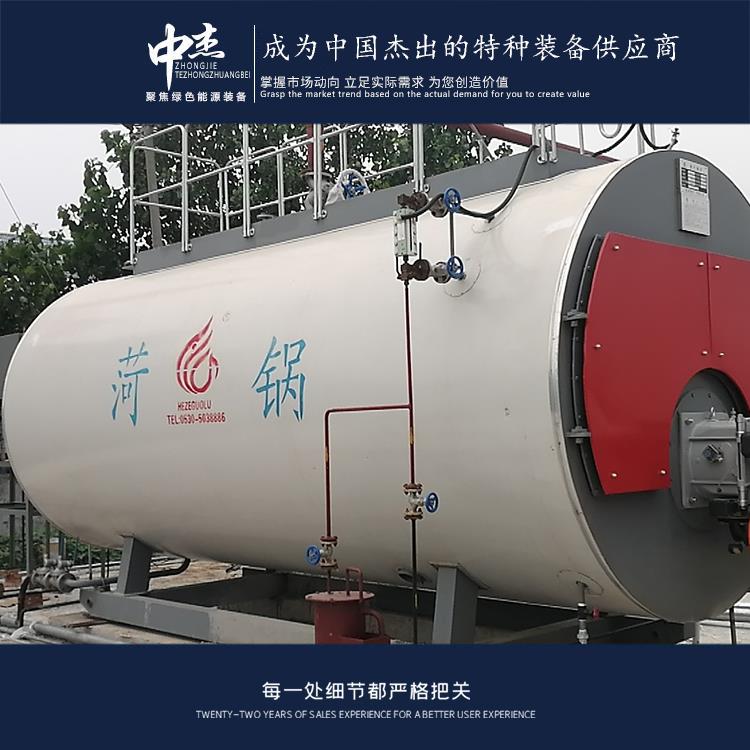

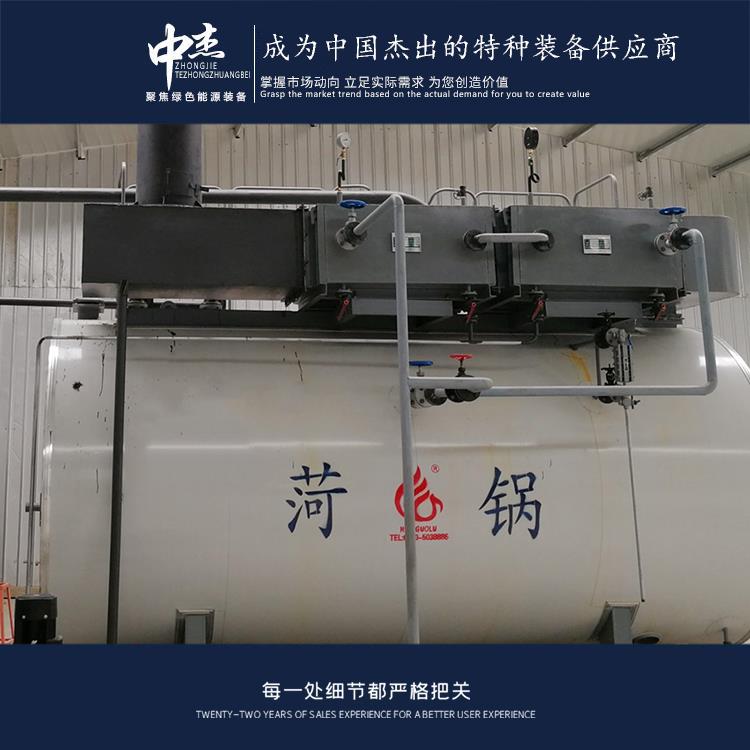
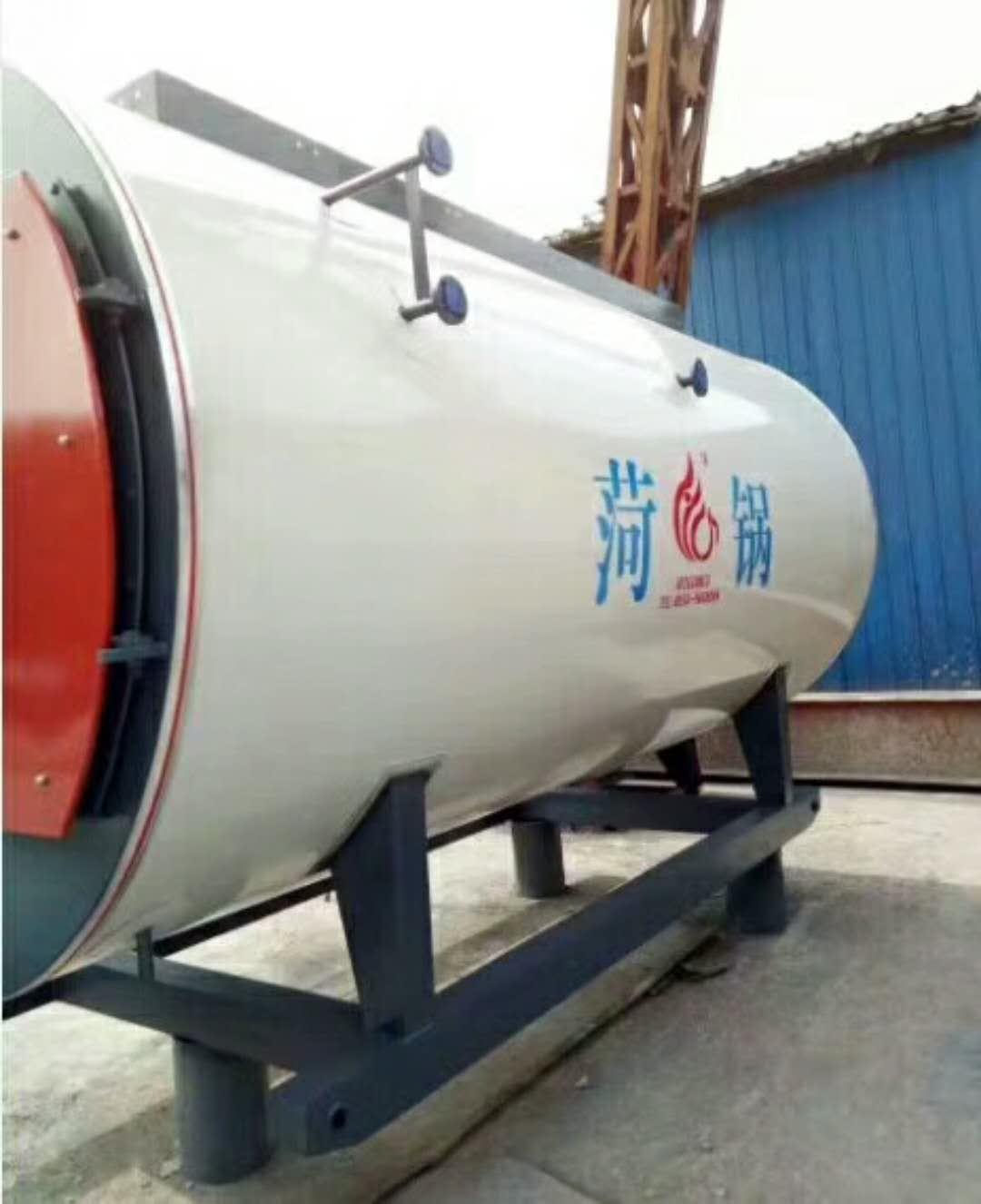


















Shandong Zhongjie Special Equipment (formerly Heze Boiler Factory Co., Ltd.) holds an A-grade boiler manufacturing license, an A2-grade pressure vessel manufacturing license, an A2-grade pressure vessel design license, a B-grade boiler installation license, and GB2/Class and GC2/Class pressure pipeline installation licenses, as well as a mechanical and electrical equipment installation contracting qualification. It is a member of the China Boiler and Water Treatment Association, the China Chemical Equipment Association, and the council member of the Shandong Equipment Manufacturing Association. The company has also passed the ISO9001 Quality Management System, ISO14001 Environmental Management System, OHSAS18001 Occupational Health and Safety Management System certifications, and the U.S. ASME/U2 certification.
The purpose of deoxygenation in industrial boiler make-up water is to reduce oxygen corrosion and bubble formation within the boiler, ensuring the safety and proper operation of the boiler and pipeline system. The main methods of deoxygenation include:
1. Mechanical Deoxygenation: Removes oxygen from water using physical methods. Common mechanical deoxygenation equipment includes deaerators and degassers. Deaerators remove oxygen by atomizing water into a thin film, taking advantage of the difference in gas solubility. Degassers, on the other hand, remove oxygen by atomizing water into fine droplets, utilizing the same solubility difference.
2. Thermal Deoxygenation: Removes oxygen from water by heating the water body, taking advantage of the property that oxygen solubility decreases with increasing temperature. Common thermal deoxygenation equipment includes deaerator pots and deaerators. Deaerator pots release oxygen from water by heating it to saturation temperature, while deaerators heat water to reduce oxygen solubility, thereby removing oxygen.
3. Chemical Deoxygenation: Removes oxygen from water by adding chemicals that react with it, eliminating oxygen. Common chemical deoxygenating agents include salts and reductants. Chemical deoxygenation is often used in high-pressure boiler systems and effectively removes oxygen from water.
The choice and method of deoxygenation depend on the specific boiler system and water quality. In practice, a combination of deoxygenation methods is often used to achieve the desired deoxygenation effect. The selection and operation of deoxygenation equipment should be assessed and adjusted based on the actual situation to ensure the safety and proper operation of the boiler system.
In addressing issues with gas boilers during the heating process, consider the following aspects:
- Check gas supply: Ensure a normal gas supply and inspect for any blockages or leaks in the gas pipeline. If any issues are found, promptly repair or replace the gas pipeline.
- Clean burners and combustion chambers: Regularly clean burners and combustion chambers to remove accumulated ash and dirt. This improves combustion efficiency and reduces gas waste.
- Check and adjust the ratio of gas to air: Ensure the correct ratio of gas to air for optimal combustion. An incorrect ratio can lead to incomplete combustion or excessive exhaust emissions.
- Check and clean heat exchangers: Regularly inspect and clean heat exchangers to remove ash and dirt. This enhances heat exchange efficiency and ensures effective heat transfer to the heating system.
- Check and maintain circulating pumps and valves: Ensure the proper operation of circulating pumps and valves to facilitate smooth flow of hot water or steam through the heating system.
- Check and maintain the control system: Ensure the control system of the gas boiler operates correctly, allowing accurate control of parameters such as temperature, pressure, and flow. If problems arise, promptly repair or replace the controller.
- Regular maintenance: Conduct regular maintenance on gas boilers, including cleaning, lubrication, and tightening bolts. This extends the boiler's lifespan and reduces the occurrence of malfunctions.
- Training and awareness: Provide employee training to enhance awareness of operating and maintaining gas boilers. Improved knowledge and skills among staff contribute to effective management and problem-solving during the heating process.
- If issues cannot be resolved or there are safety concerns:
The temperature control methods for gas boilers typically include:
Manual Adjustment: Adjust the temperature of a gas boiler by manually operating valves or regulators. According to requirements, manually adjust the valve opening or regulator settings to achieve the desired temperature.
Automatic Adjustment: Gas boilers can be equipped with an automatic control system that uses sensors and controllers for automatic temperature regulation. Sensors detect the boiler's temperature and send signals to the controller, which then automatically adjusts the gas supply and burner status based on the set temperature range to maintain the desired temperature.
Proportional Control: The temperature regulation of gas boilers can also be done using proportional control. Adjust the valve or regulator opening to perform proportional adjustments based on temperature changes, maintaining a certain proportional relationship between gas supply and burner status.
PID Control: PID control is a commonly used temperature regulation method. The PID controller adjusts the gas supply and burner status based on temperature deviations, rates of change, and integral values to achieve temperature control.
It should be noted that different gas boilers may use different temperature control methods. The specific control method and operation should be determined according to the boiler model and control system. When adjusting the temperature, follow safety operating procedures to ensure the boiler operates normally and maintains safety.
A condensing steam boiler is an energy-saving boiler equipment, with the following working principle and features:
Working Principle:
Steam Generation: The condensing steam boiler produces high-temperature flue gas by burning gas, which then exchanges heat with the water pipes inside the boiler, heating the water into steam.
Steam Condensation: After steam is generated, it enters the condenser, where it exchanges heat with the condensing medium (usually cold water or recycled water) to release heat from the steam, causing it to condense into water.
Flue Gas Reuse: The flue gas after condensation still contains a certain amount of heat, which can be recovered and reused by the flue gas reuse unit to improve the boiler's thermal efficiency.
Features:
Energy-saving: The condensing steam boiler utilizes the principle of steam condensation to make full use of the heat in the steam, enhancing the thermal energy utilization efficiency and saving energy consumption.
Low Emissions: Due to the recovery of most heat during the flue gas condensation process, the flue gas temperature is lower, resulting in relatively low emissions of pollutants, with minimal environmental impact.
Compact Structure: The condensing steam boiler typically features a compact design, occupying less space, making it suitable for places with limited space.
Quick Start-up: The condensing steam boiler has the characteristic of quick start-up and shutdown, allowing for flexible adjustments and operation according to actual needs.
Wide Application Range: The condensing steam boiler is suitable for heating and steam requirements in industrial production processes, such as power plants, chemical factories, textile mills, etc.
It is important to note that maintenance and regular maintenance of the condenser and flue gas reuse unit are required during the operation of the condensing steam boiler to ensure its normal operation and performance.
Shandong Zhongjie Special Equipment, welcome customers to our factory for business discussions.
WeChat Official Account

Scan to follow Official Account



















