





















Shandong Zhongjie Special Equipment (formerly Heze Boiler Factory Co., Ltd.) was established in 2001, located at No. 2218 Jinnan Road, Development Zone, Heze City, with a registered capital of 50 million yuan and total assets of 500 million yuan. The company has 7 business centers: boilers, deep-freeze containers, pressure vessels, central air conditioning, engineering installation, international trade, and Internet of Things. It has three factory sites on Jinnan Road, East Changjiang Road, and Bohai Road, covering a total of 200,000 square meters, with the main workshop spanning 83,000 square meters. It currently employs 710 people, including 247 engineers and technicians, and 82 intermediate-level technicians. In December 2016, it was recognized as a "High-tech Enterprise" by the Science and Technology Department. In June 2021, it was identified as a "Specialized and New Enterprise in Shandong Province" by the Ministry of Industry and Information Technology. In June 2022, it was recognized as a "Gazelle Enterprise in Shandong Province" and in August 2022, it was identified as a "Specialized and New Small Giant Enterprise" by the Ministry of Industry and Information Technology.
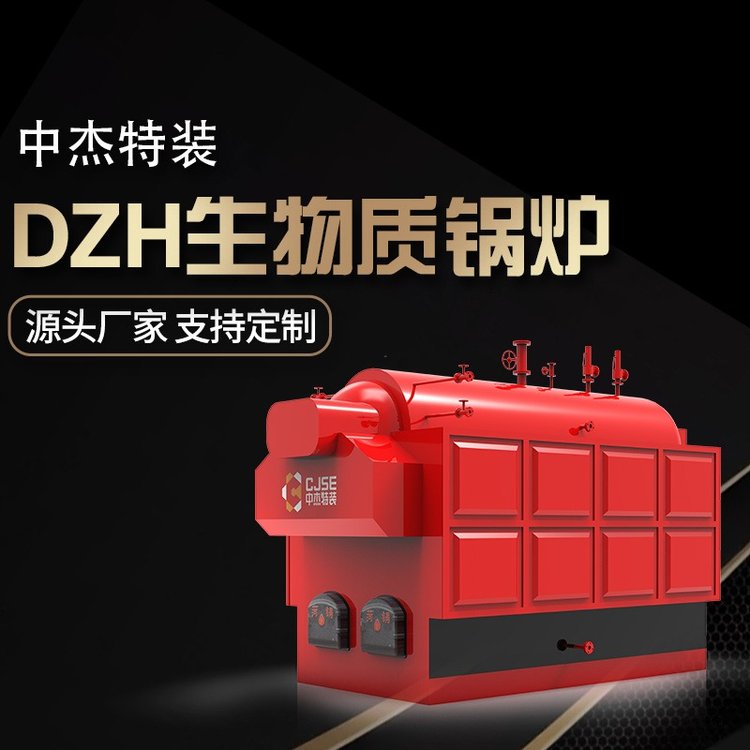
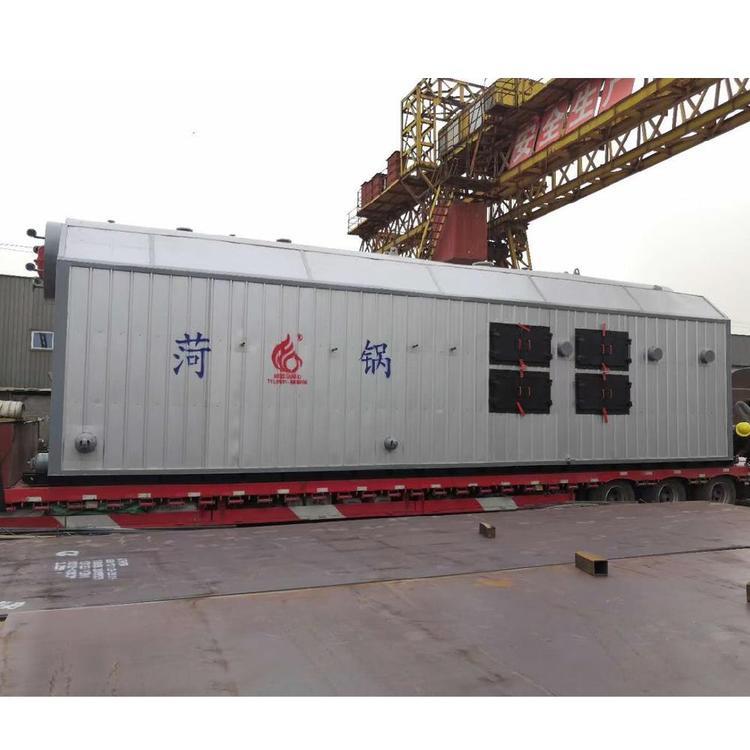
The SZL biomass boiler is a water-tube boiler with two drums and a chain grate, designed for burning biomass fuel. Below is a structural introduction to the SZL biomass boiler:
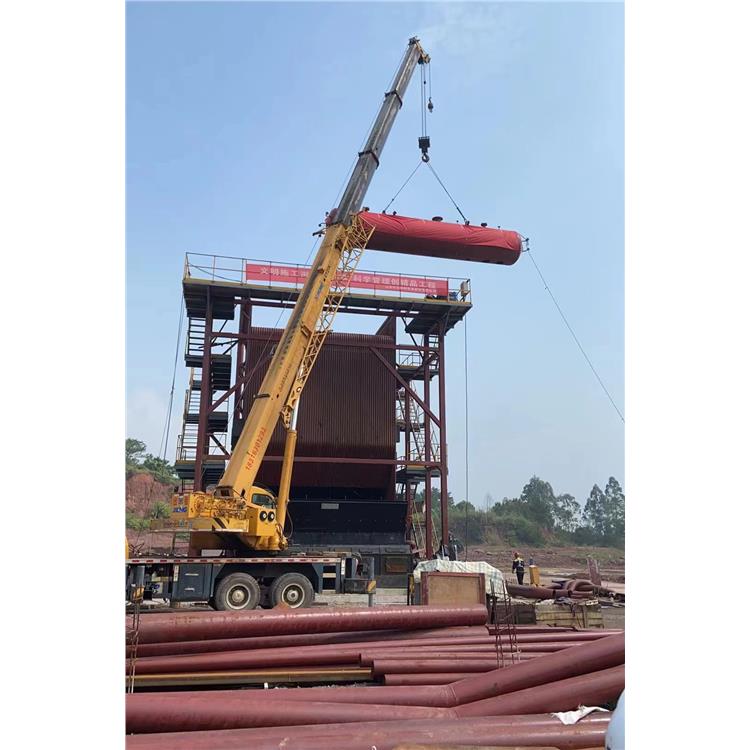
Boiler Drum: The SZL biomass boiler features two parallel water pipe drums, the upper drum and the lower drum. The upper drum is used for the combustion chamber, while the lower drum is for transferring heat between steam and flue gas.
Briquette Grate: The SZL biomass boiler utilizes a chain grate, through which the fuel enters the combustion chamber to achieve the combustion process. The design of the chain grate ensures uniform and complete combustion of the fuel.
Combustion Chamber: The combustion chamber is located within the upper cylinder, where the fuel is burned to release heat energy. The structure and design of the combustion chamber ensure complete combustion of the fuel and efficient conversion of heat energy.
Flue Channels: The flue gas produced from combustion passes through the flue channels into the lower cylinder, where it undergoes heat exchange with water inside, transferring thermal energy to the water and generating steam.
Water pipes: A large number of water pipes are arranged inside the lower drum of the SZL biomass boiler. Flue gas passes through these pipes, where it exchanges heat with the water, transferring thermal energy to it and producing steam.
Upper Equipment: The upper equipment of the SZL biomass boiler includes a steam separator, water level gauge, safety valve, etc., which are used to control and protect the safe operation of the boiler.
Equipment: The SZL biomass boiler also includes equipment such as the feedwater system, effluent system, and fuel supply system, which are used to provide the boiler with water, treat wastewater, and supply fuel, etc.
The SZL biomass boiler features a compact structure and high thermal efficiency, suitable for the combustion of biomass fuel. Its design with dual drum and chain grate ensures complete fuel combustion and heat conversion, while also offering excellent safety and reliability.
Biomass boiler drying kiln refers to the process of using a biomass boiler for kiln heating. Here are the brief steps:
Prepare Fuel: Select suitable biomass fuel such as wood chips, straw, etc., and carry out pretreatment like drying and sieving to ensure the quality of the fuel and its compatibility with the furnace requirements.
Ignition and Ignition Adjustment: Place the fuel into the combustion chamber of the biomass boiler, ignite it, and perform ignition adjustment. The ignition adjustment involves adjusting parameters such as the oxygen supply to the combustion chamber, fuel supply, and combustion temperature to ensure stable combustion.
Heating and Temperature Control: As fuel burns, biomass boilers produce high-temperature flue gas, which transfers heat energy to the dryer through a heat exchanger. During the heating process, it is necessary to control the temperature of the dryer to ensure that the material inside receives proper heating.
Furnace Operation and Monitoring: During the furnace heating process, operation and monitoring are essential. Operations involve controlling fuel supply, heat transfer, and the movement of materials inside the furnace. Monitoring includes tracking parameters such as furnace temperature, pressure, and combustion efficiency to ensure normal operation and safety.
Furnace Completion and Cleaning: Once the furnace heating is complete or the desired effect is achieved, stop the fuel supply and heating to initiate the furnace completion process. Post-completion, it is necessary to clean the furnace and biomass boiler, including the ash and soot in the combustion chamber and flue, to maintain the equipment's cleanliness and proper operation.
Biomass fuel boilers may encounter the following issues during operation:
Unstable fuel quality: The quality of biomass fuel is affected by factors such as raw material source, processing methods, and storage conditions, leading to inconsistent fuel quality. Inconsistent fuel quality may impact combustion efficiency and the stable operation of the boiler.
Ash disposal issue: Biomass fuel produces a large amount of ash during combustion, including waste, ash content, and unburned materials. The handling and disposal of ash may pose environmental pollution and cost issues.
High-Temperature Corrosion: Ash and elements like chlorine in biomass fuel are prone to cause corrosion at high temperatures, damaging the metal components of boilers. Measures need to be taken to protect and treat against high-temperature corrosion issues.
Low combustion efficiency: The combustion characteristics of biomass fuel differ from traditional fossil fuels, potentially leading to lower combustion efficiency. It is necessary to optimize the combustion system and control strategies to enhance combustion efficiency and reduce energy waste.
Gas emissions from combustion: The combustion of biomass fuel produces certain emissions, such as carbon dioxide, nitrogen oxides, and particulate matter. These emissions have an impact on the environment and air quality, necessitating appropriate control measures.
Transport and Storage Costs: The transportation and storage costs for biomass fuel are high, particularly for areas far from the source of supply. This may increase the operational costs for biomass fuel boilers.
In summary, biomass fuel boilers face issues such as inconsistent fuel quality, ash and slag disposal, and high temperatures.
Controlling the coking of biomass boilers is a crucial measure to ensure the normal operation of the boiler and extend its lifespan. Here are some common methods for controlling coking in biomass boilers:
Select fuel wisely: Opt for high-quality, properly humidified biomass fuel to avoid using excessively wet or impure fuel, which can reduce the likelihood of coking.
Regulate combustion temperature: Reasonably control the combustion temperature of biomass boilers to avoid excessively high temperatures, reducing the fuel's residence time in the furnace and lowering the risk of slagging.
Enhanced Furnace Cleaning: Regularly clean the furnace to remove ash and soot buildup, ensuring the furnace remains clear and reducing the likelihood of coking.
Regulate Excess Air: Properly control the air supply during the combustion process of biomass boilers to prevent excessive air from entering the furnace, reducing the risk of fuel oxidation and slagging.
Regular Ash Blowing: Periodically perform ash blowing on components such as economizers and superheaters in biomass boilers to remove ash and slag, maintaining the efficiency of heat exchange and reducing the likelihood of scaling.
Enhanced Monitoring and Inspection: Regularly monitor and inspect biomass boilers, including parameters such as furnace temperature, flue gas composition, and furnace pressure, to promptly identify any anomalies and take appropriate actions.
These measures can help control the fouling issue in biomass boilers, maintain normal boiler operation, and extend the service life of the boiler. Additionally, based on specific circumstances, other appropriate measures can be taken in conjunction with actual operating experience and technical requirements.
Shandong Zhongjie Special Equipment, welcome customers to visit our factory for business discussions.
WeChat Official Account

Scan to follow Official Account



















