


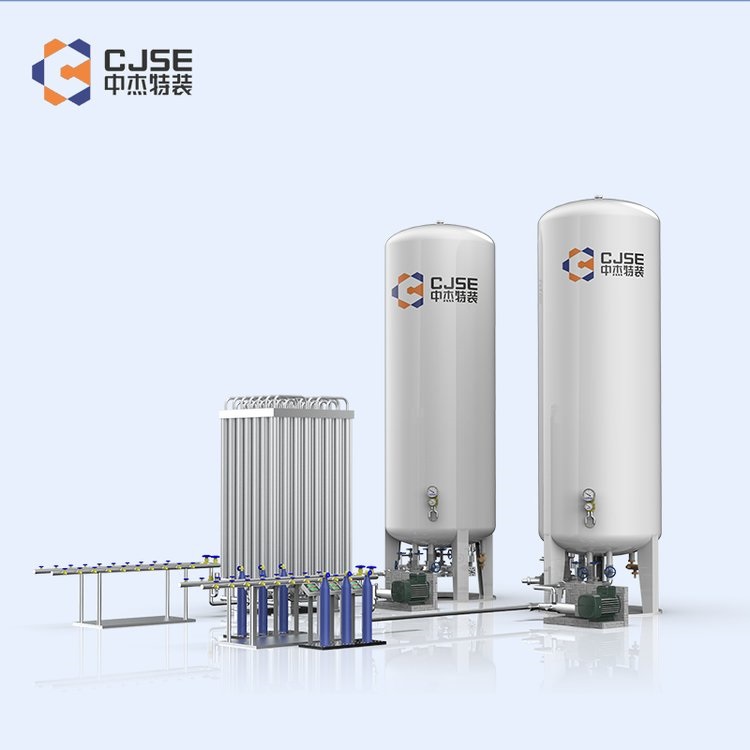

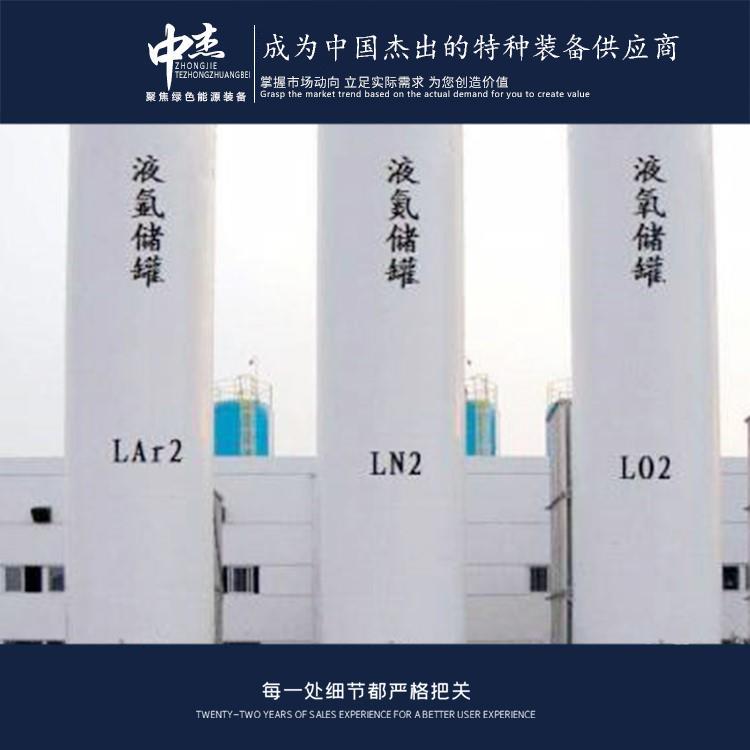
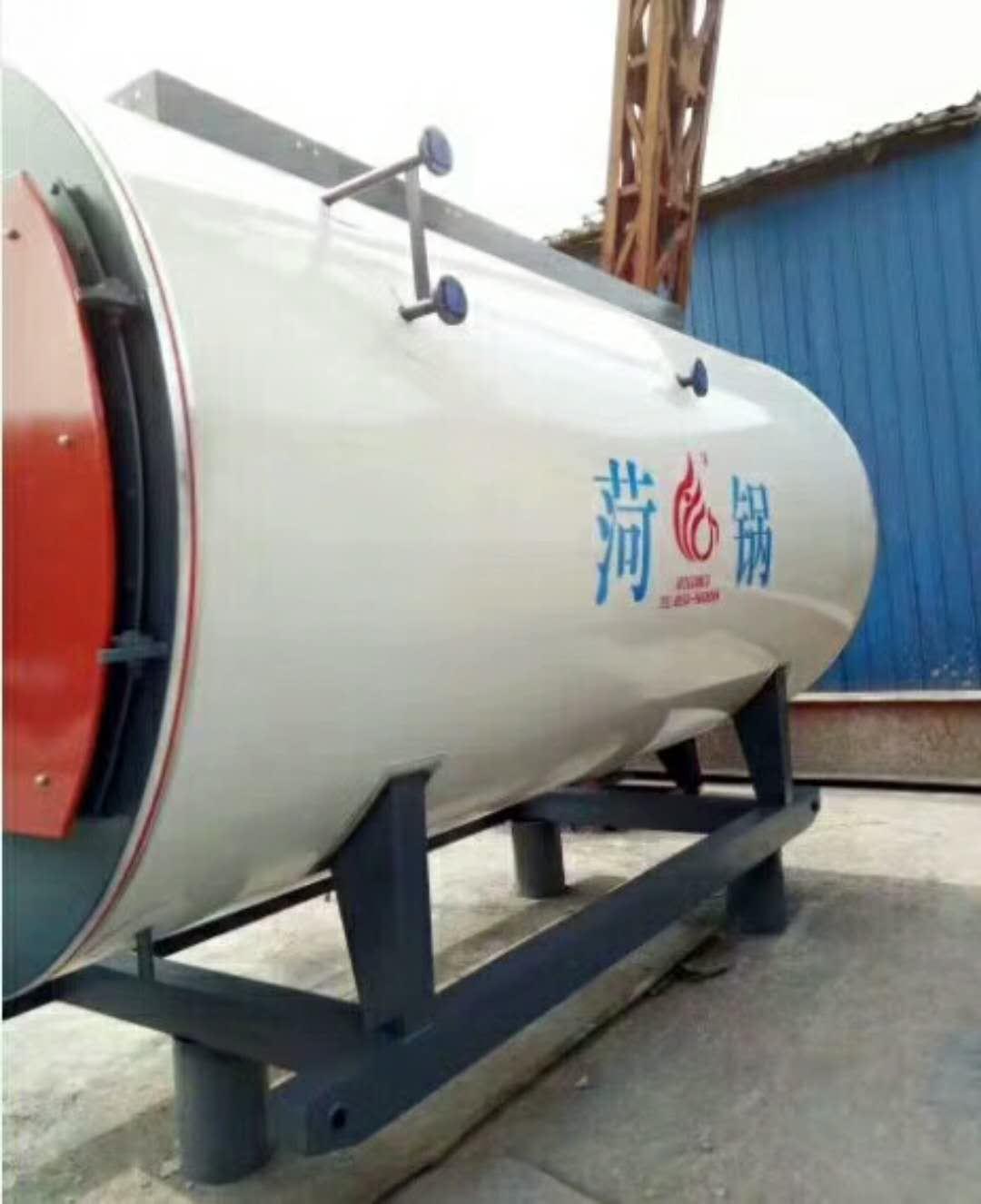


















Shandong Zhongjie Special Equipment (formerly Heze Boiler Factory Co., Ltd.) was established in 2001, located at No. 2218 Jinnan Road, Economic and Technological Development Zone, Heze City. With a registered capital of 50 million yuan and total assets of 500 million yuan, the company has 7 business centers: boilers, deep-freezing containers, pressure vessels, central air conditioning, engineering installation, international trade, and Internet of Things. It has three factory sites on Jinnan Road, East Changjiang Road, and Bohai Road, covering a total area of 200,000 square meters, with the main workshop spanning 83,000 square meters. It currently employs 710 people, including 247 engineers and technicians, and 82 intermediate-level technical personnel. In December 2016, it was recognized as a "High-tech Enterprise" by the Science and Technology Department. In June 2021, it was identified as a "Specialized and New Enterprise in Shandong Province" by the Ministry of Industry and Information Technology. In June 2022, it was recognized as a "Gazelle Enterprise in Shandong Province" and in August 2022, it was identified as a "Specialized and New Small Giant Enterprise" by the Ministry of Industry and Information Technology.
Leakage defects in CO2 storage tanks may be caused by the following reasons: Material Corrosion: CO2 has some corrosive properties, and prolonged contact may lead to corrosion of the tank materials. Corrosion can damage the surface protective layer of the tank, causing it to lose its sealing properties and leading to leaks. Welding Defects: Welding joints in the tank may have defects such as crack lines and gas pores, which can reduce the strength of the焊接 areas and cause leaks. Design Defects: Inadequate design or defects in the tank's design may also result in leaks. For example, improperly designed interface connections and unreasonable structural designs can all lead to leakage issues in the tank. Overpressure: If the internal pressure of the tank exceeds its capacity, it may deform or rupture the tank, causing leaks. Temperature Fluctuations: During temperature changes, the thermal expansion and contraction effect in CO2 storage tanks may cause deformation or stress concentration, leading to leaks. Improper Operation: Incorrect operation and maintenance can also cause tank leaks. For instance, over-tightening valves and improper maintenance measures can all lead to reduced sealing performance of the tank. External Damage: External forces such as impacts, scratches, or corrosion to the tank may cause surface damage or corrosion, leading to leaks. To avoid leakage issues in CO2 storage tanks, choose quality materials, reasonable design, and manufacturing processes, and conduct regular inspections and maintenance. Additionally, operators should receive training and adhere to operational procedures to ensure the safe operation of the tanks.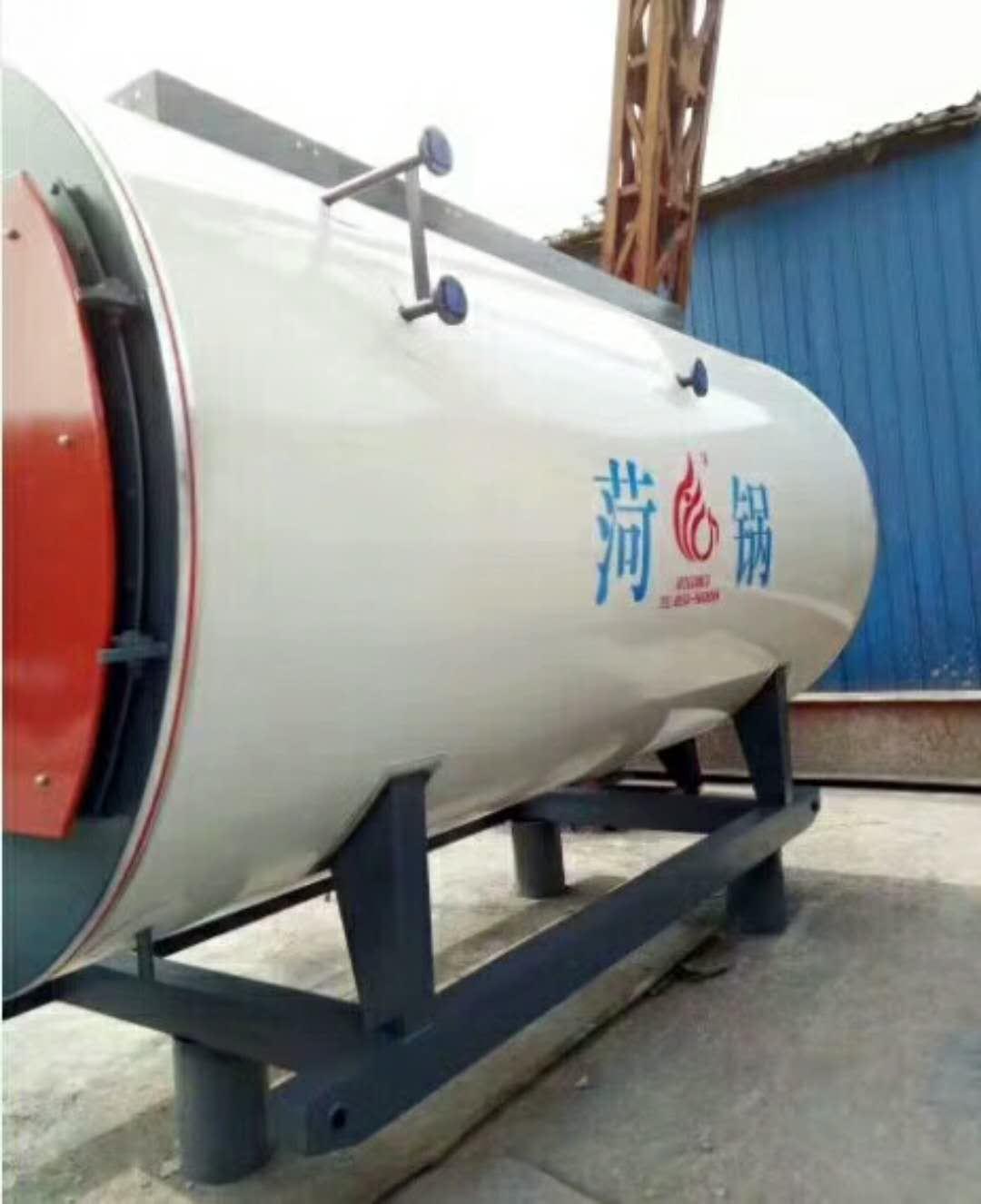
For accessories of carbon dioxide storage tanks, such as valves, pipelines, and pressure relief devices, maintenance and protection are crucial. Here are some suggestions:
Regular Inspections: Conduct regular inspections of the accessories' appearance and operational status to ensure no damage, loose parts, or leaks. Pay special attention to the sealing performance and operational flexibility of valves.
Cleaning and Maintenance: Regularly clean the accessories to remove dirt and impurities on the surface. Use appropriate cleaning agents and tools, avoiding corrosive substances.
Lubrication Maintenance: For accessories requiring lubrication, such as valve pistons and stems, perform regular lubrication maintenance. Use suitable lubricants to ensure the normal operation and sealing performance of valves.
Sealing Inspection: Regularly check the sealing performance of accessories, such as valve seals and sealing surfaces. Replace any damaged or aged sealing parts promptly.
Corrosion Protection: For accessories prone to corrosion, such as pipelines and valves, take anti-corrosion measures, such as applying anti-corrosion coatings or wrapping with anti-corrosion materials.
Regular Calibration: Calibrate measuring equipment such as level sensors and pressure sensors regularly to ensure accuracy and reliability.
Regular Maintenance: Develop a regular maintenance plan based on the usage and requirements of the accessories, including cleaning, lubrication, and repairs. Ensure the long-term stable operation of the accessories.
Storage and Transportation Precautions: For spare parts or accessories that require replacement, pay attention to moisture-proof, shock-proof, and damage-proof during storage and transportation to avoid affecting their normal use.
The above suggestions are for the maintenance and protection of carbon dioxide storage tank accessories. Specific operations should be tailored to the characteristics and requirements of the accessories and comply with relevant regulations.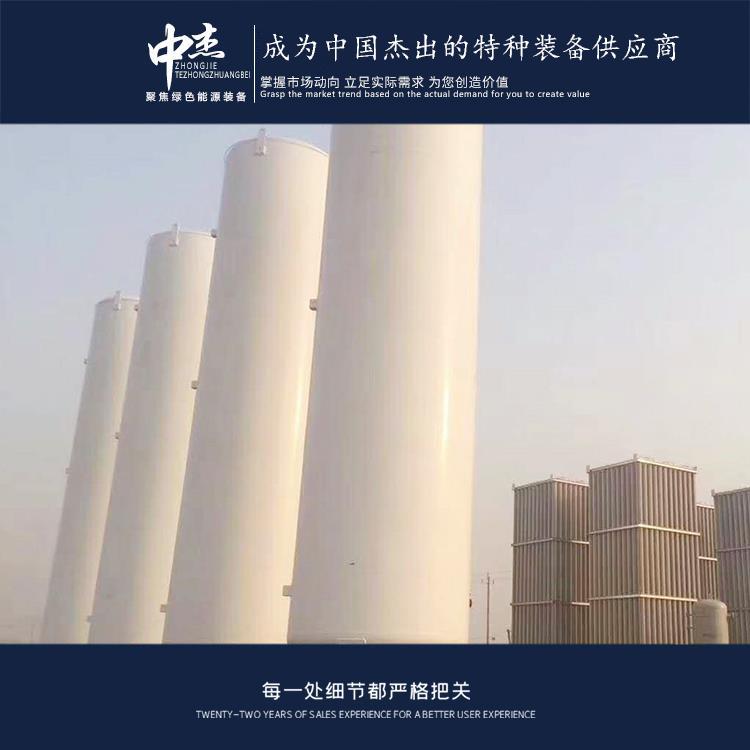
Pressure Vessel Standards: Liquid carbon dioxide storage tanks are generally considered pressure vessels, and their design, manufacturing, and use should comply with the relevant pressure vessel standards. In China, common pressure vessel standards include GB150 "Steel Pressure Vessels" and GB18435 "Storage Tanks." Safety Standards: The use of liquid carbon dioxide storage tanks should adhere to the relevant safety standards and regulations. For instance, in China, the safe operation of liquid carbon dioxide storage tanks should follow standards such as GB50028 "Design Code for Petroleum and Chemical Industry Enterprises" and GB50016 "Fire Prevention Code for Building Design." Inspection and Testing Standards: The inspection and testing of liquid carbon dioxide storage tanks should comply with the applicable standards and regulations. For example, regular inspections of liquid carbon dioxide storage tanks can refer to standards like GB/T 19638 "Regulation for Periodic Inspection of Pressure Vessels." Environmental Protection Standards: The use of liquid carbon dioxide storage tanks should conform to environmental protection standards and regulations. For example, in China, the exhaust emissions from liquid carbon dioxide storage tanks should comply with standards such as "Emission Standards of Air Pollutants."
To maintain the stability of CO2 storage tanks, attention should be given to the following details:
- Foundation Design: The tank's foundation design must comply with relevant standards and regulations, ensuring adequate strength and stability. The foundation should consider the tank's weight, pressure, and geological conditions to ensure the tank can be securely placed on the foundation.
- Cushioning and Fixing Devices: Appropriate cushioning, such as rubber pads or steel plates, should be installed between the tank and the foundation to reduce friction and vibration. Additionally, use fixing devices like bolts or welding to secure the tank to the foundation, preventing movement and tilting.
- Site Leveling: The site for tank installation should be kept level with no significant tilting or unevenness. If there are issues, adjustments and corrections should be made to ensure the tank's stability.
- Seismic Measures: In earthquake-prone areas, additional seismic measures are required, such as setting up seismic supports and enhancing the tank's seismic resistance to improve stability.
- Regular Inspections: Regularly inspect the tank's fixing devices and connection points to ensure they are intact. Any signs of loosening, wear, or damage should be promptly repaired or replaced.
- Load Distribution: Evenly distribute loads above the tank, such as platforms or pipelines, to balance the weight distribution and reduce the impact of uneven loads on stability.
- Safety Distance: The tank should maintain sufficient safety distances from other equipment, buildings, and fire sources to prevent accidents like collisions or fires from affecting stability.
Note that installation of CO2 storage tanks should be conducted with these considerations in mind.
Our company highly values technological innovation and R&D design. We possess 1 municipal-level enterprise technology center in Heze City, equipped with non-destructive testing, physical and chemical testing, welding testing, hydrostatic testing, and other testing facilities. We have over 600 pieces of various equipment such as CNC machine tools, X-ray flaw detectors, digital ultrasonic flaw detectors, mechanical property testing machines, chemical analyzers, spectrometers, tensile testing machines, and plasma welding machines. The key products we have developed, such as welding for temperature and pressure vessels, biomass boiler emission reduction, and waste heat utilization, have successively been included in multiple Shandong Provincial Department of Industry and Information Technology innovation projects, key projects of Shandong Province, and Heze City innovative and excellent projects. We have accumulated 27 authorized utility models, 16 authorized inventions, participated in drafting 2 standards, 2 industry standards, and registered 15 trademarks. Our technical team, in collaboration with Professor Yajiang Li of Shandong University, has jointly developed deep cryogenic container processing technology using the international plasma arc + wire filling tungsten inert gas arc welding (PAW-GTAW) technology. After provincial-level scientific and technological achievement appraisal, the technology level has reached an international standard in the field of deep cryogenic container manufacturing. Choose ZJ Special Equipment, let's create brilliance together!
WeChat Official Account

Scan to follow Official Account



















