


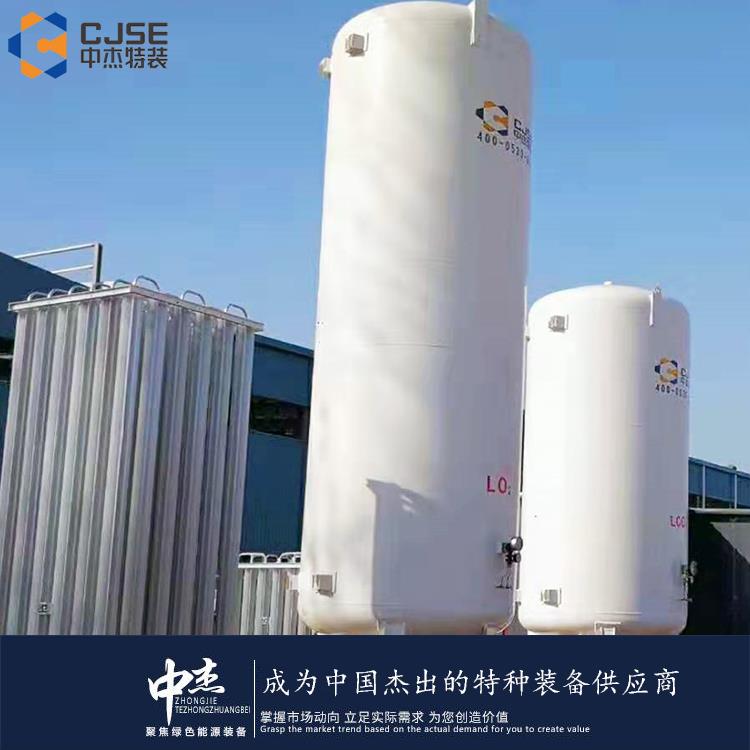

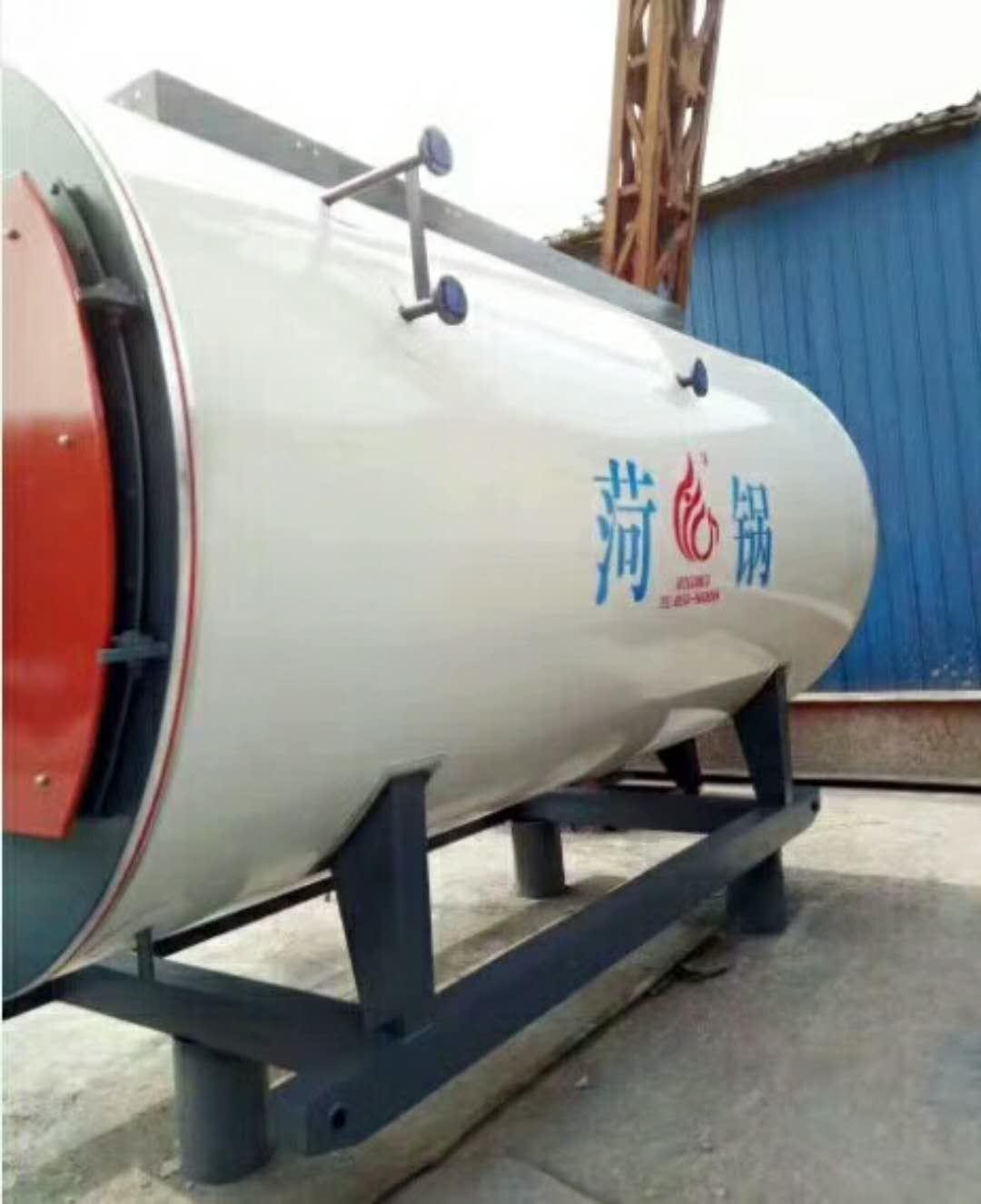
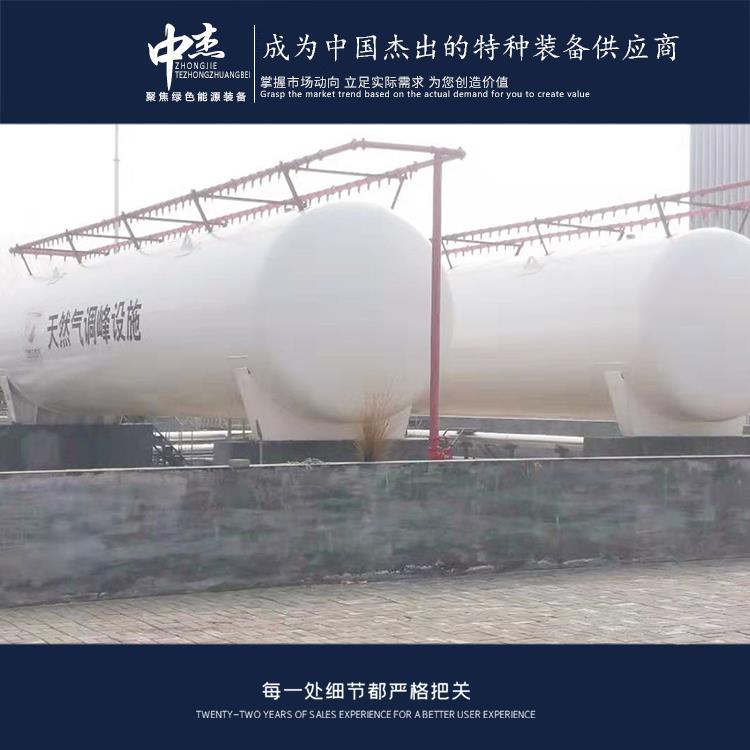


















Shandong Zhongjie Special Equipment Co., Ltd. specializes in: fuel (gas) boilers, organic heat carrier boilers, biomass boilers, waste heat boilers, and other boiler products; vacuum insulation deep cooling pressure vessels such as LNG tanks, oxygen/nitrogen/argon tanks, CO2 tanks; pressure vessel products including denitrification engineering equipment, heat storage and energy storage equipment, and complete chemical equipment sets; central air conditioning and HVAC equipment such as ground (water) source heat pumps, air source units, water-cooled screw units, and air-cooled modules. Planned products include large-scale energy centers, LNG transport vehicles, LNG tank containers, and other green energy equipment.
A water pressure test for liquid nitrogen storage tanks is a common testing method used to assess the tank's sealing and pressure resistance performance. The general steps for the water pressure test of liquid nitrogen storage tanks are as follows:
Preparation: Ensure the tank is clean internally and that all gases and liquids have been emptied. Check that the tank's seals and safety devices are functioning properly.
Fill water: Fill the tank interior with water, ensuring the water level is above the low water line. Use a pump or other appropriate method for filling.
Apply Pressure: Gradually increase the water pressure using a pressure pump or other pressure source until it reaches the predetermined test pressure. The test pressure is typically 1.1 times the tank's design working pressure.
Pressure maintenance: After reaching the test pressure, maintain it for a period of time (usually 30 minutes to 1 hour), and observe if there are any abnormal conditions such as leaks or deformation in the tank.
Pressure Relief: Gradually release pressure to drain water from the tank until it is completely empty.
Inspection and Evaluation: Check the tank's surface and interior for leaks, deformities, or other damage. Evaluate the test results to ensure the tank meets design requirements and safety standards.
需要注意的是,液氮储罐水压试验需要由人员进行操作,并遵循相关的安全操作规程。在进行测试前,应仔细阅读和遵守储罐制造商提供的操作指南和安全注意事项。
Safety guidelines and considerations for the handling and transportation of liquid oxygen tanks include:
Safe Usage Instructions:
Tank Selection: Choose liquid oxygen tanks that meet specifications and standards, ensuring their quality and safety performance.
Tank Installation: Tanks should be installed on a solid foundation to ensure stability. Additionally, good ventilation should be maintained around the tank, and it should be kept away from flammable materials and heat sources.
Seal Integrity Inspection: Regularly check the sealing performance of storage tanks to ensure there are no leakage at valve and pipeline connections.
Pressure Control: Tanks should be equipped with pressure gauges and safety valves, and regularly inspected and maintained to ensure pressure remains within safe limits.
Fire Prevention Measures: Liquid oxygen contains a high oxygen content and is highly flammable. Establish fire barriers around the storage tanks, prohibit smoking and open flames, and ensure safety.
Electrostatic Protection: During the transportation and use of liquid oxygen, static electricity can cause sparks, increasing the risk of fire. Measures such as using electrostatic conductive materials and anti-static equipment are taken to reduce the accumulation and release of static electricity.
Shipping Precautions:
Transportation Vehicle Selection: Choose a transportation vehicle that meets the requirements for liquid oxygen transport, ensuring the vehicle's safety and sealing integrity.
Loading and Unloading: During the transportation of liquid oxygen, the following loading and unloading procedures should be adopted: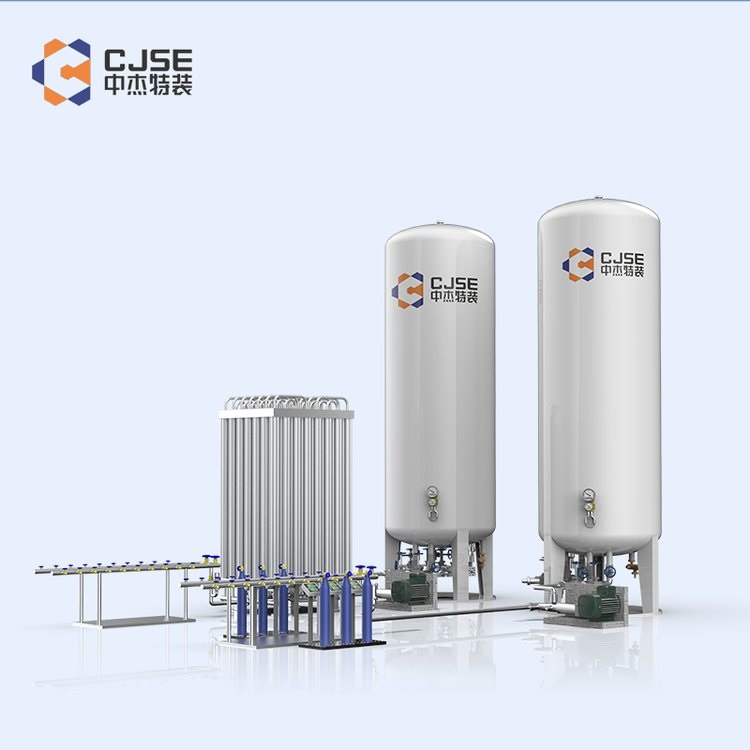
Prior to cooling the liquid oxygen tank, the following prerequisites must be met:
Clean Vessels: Ensure the interior of the tank is clean, free of impurities and contaminants. The tank should be properly cleaned and flushed to maintain its internal cleanliness.
Drainage and Exhaust: Empty the gas from the storage tank and expel it through the exhaust system to reduce the gas content inside the tank. This helps minimize the interference of the gas on the cooling process.
Safety Precautions: Necessary safety measures must be taken before cooling the liquid oxygen tank. Liquid oxygen is highly flammable and has low-temperature properties. Operators should wear appropriate protective clothing, gloves, and other personal protective equipment to ensure safe operation.
Temperature Control: During the cooling process of the liquid oxygen tank, the temperature of the tank must be regulated. Typically, low-temperature media such as liquid nitrogen are used to cool the tank, ensuring that the temperature gradually decreases below the boiling point of liquid oxygen.
Insulation and Heat Retention: Liquid oxygen tanks commonly use double or multi-layered structures with insulation material filled in between to minimize heat transfer and evaporation of the liquid oxygen. Ensure the integrity and good insulation properties of the insulation layer to enhance the cooling efficiency of the tank.
Under the aforementioned preconditions, the cooling operation of the liquid oxygen tank may be performed. The cooling process must strictly adhere to relevant safety regulations and operating guidelines to ensure the safe operation and usage of the tank.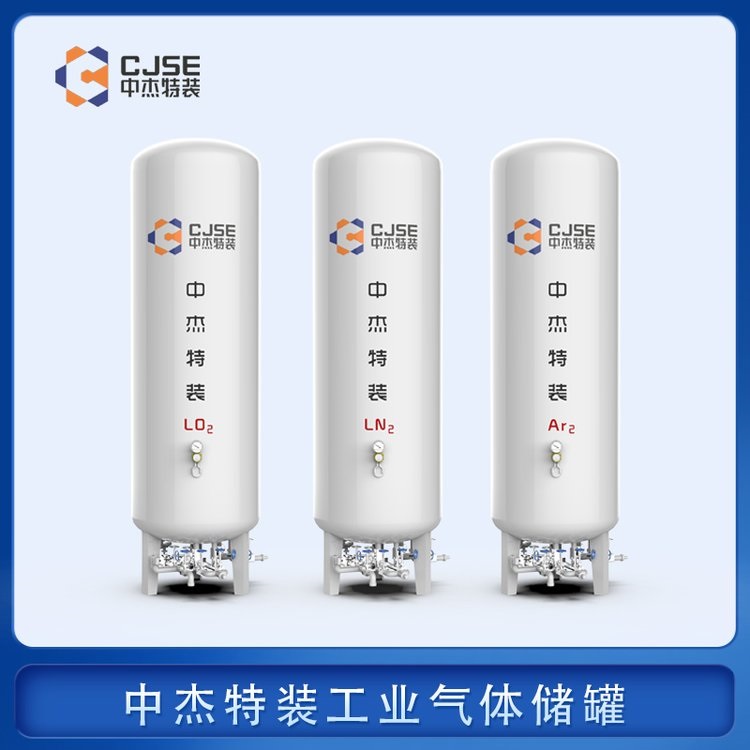
Prior to filling the liquid nitrogen tank, the following checks must be conducted:
Tank exterior inspection: Check for any obvious damage, deformation, or corrosion on the tank's exterior, including the tank walls, valves, pipes, and joints.
Sealability Inspection: Check the tank's sealing performance, including inspecting for any leakage at valves and pipe connections, to ensure the tank has good sealing integrity.
Pressure Check: Verify that the tank's pressure gauge is functioning properly and that the pressure is within the normal range to ensure the tank operates normally.
Level Check: Inspect the tank's liquid level to ensure it is within the normal range, avoiding issues caused by excessive or insufficient levels.
Insulation Layer Inspection: Check for any damage or detachment in the storage tank's insulation layer to ensure effective insulation and minimize evaporation losses of liquid nitrogen.
Leak Inspection: Check for signs of liquid nitrogen leakage around the tank, including frost, ice, or liquid nitrogen stains on the ground.
Safety Equipment Inspection: Verify that the storage tank's safety equipment, such as leak detectors, alarm systems, and safety valves, are functioning properly to ensure the tank's safety.
Clean Inspection: Ensure the interior of the tank is clean, free of accumulated impurities and dirt, to maintain the tank's cleanliness and hygiene.
The above are the checks required prior to filling the liquid nitrogen storage tank, ensuring the safe operation of the tank and the proper storage of liquid nitrogen. During the inspection process, operations should be strictly conducted according to the relevant operational procedures and safety requirements to ensure operational safety.
Shandong Zhongjie Special Equipment, welcome customers to our factory for business discussions.
WeChat Official Account

Scan to follow Official Account



















