


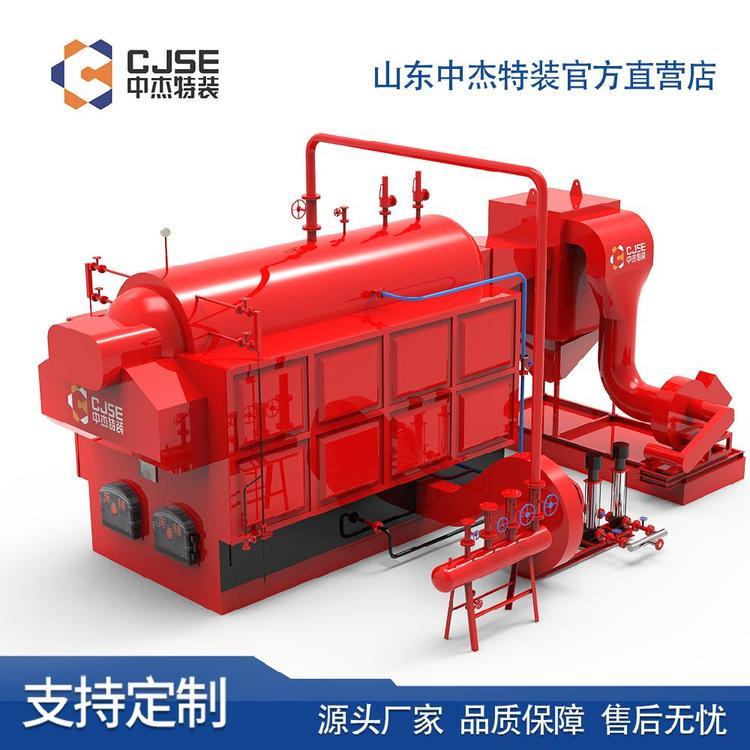

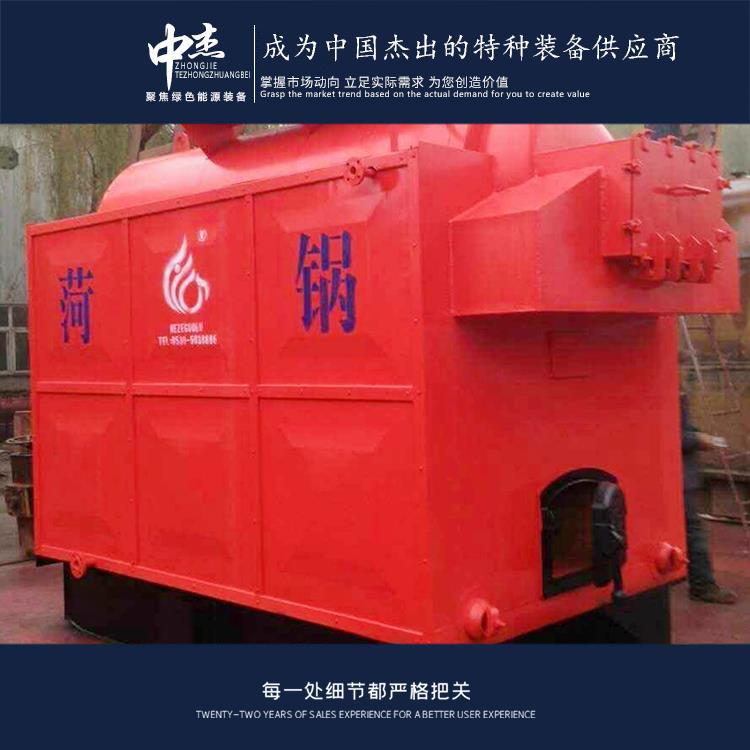


















Shandong Zhongjie Special Equipment's main products include: fuel (gas) boilers, organic heat carrier boilers, biomass boilers, waste heat recovery boilers, and other boiler products; vacuum insulation cryogenic pressure vessels such as LNG tanks, oxygen/nitrogen/argon tanks, and CO2 tanks; pressure vessel products such as denitrification engineering equipment, heat storage and energy storage equipment, and complete chemical equipment; central air conditioning and ventilation equipment such as ground (water) source heat pumps, air source units, water-cooled screw units, and air-cooled modular units. Planned products include large-scale energy centers, LNG transport vehicles, LNG tank containers, and other green energy equipment.
Biomass boilers possess certain characteristics that give them an edge in terms of energy conservation and environmental protection:
Renewable Energy: The fuel used in biomass boilers is renewable, such as wood chips, straw, waste, etc. Compared to fossil fuels, the use of biomass fuel can reduce reliance on finite resources and lower energy consumption.
Low carbon emissions: The amount of carbon dioxide released during the combustion of biomass fuel is roughly equivalent to the amount absorbed during its growth, creating a closed carbon cycle. Compared to the combustion of fossil fuels, biomass boilers have lower carbon emissions, contributing significantly to the reduction of greenhouse gas emissions.
Combustion: The biomass boiler utilizes advanced combustion technology and control systems to achieve combustion. By optimizing the combustion process, energy efficiency is enhanced and energy waste is minimized.
Waste Utilization: Biomass boilers can use waste materials as fuel, such as crop straw and wood waste.
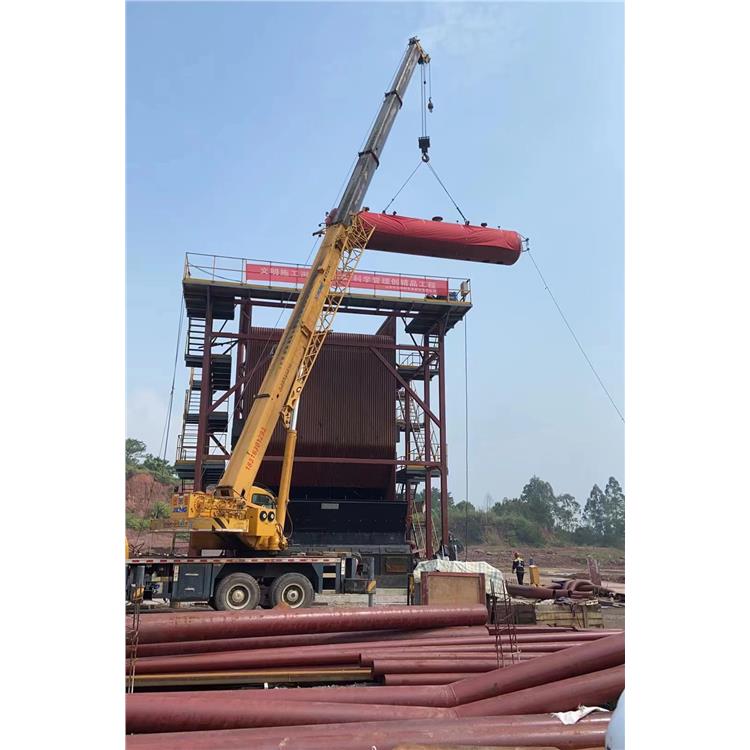
When installing biomass boilers, the following aspects should be taken into consideration:
Safety Distance: Biomass boilers should maintain adequate safety distances from other equipment, buildings, etc., to prevent fires and safety accidents.
Ventilation and Exhaust: Biomass boilers require an effective ventilation and exhaust system to ensure that flue gases produced during the combustion process are promptly expelled, preventing accumulation indoors and potential harm to human health.
Fuel Storage: Biomass boilers require suitable fuel storage facilities, such as fuel storage sheds or stacking areas. The fuel storage area should be dry, well-ventilated, and equipped with fire prevention measures to prevent spontaneous combustion and fires.
Pipe Connections: The pipe connections for biomass boilers must be sturdy and reliable to ensure the normal operation of fuel supply, flue gas排放, and water circulation. Suitable sealing materials should be used at the pipe connection points to prevent leaks and energy loss.
Control System: The control system of biomass boilers should be reliable and stable, capable of accurately controlling and adjusting parameters such as temperature, pressure, and fuel supply. The control system should be equipped with safety protection functions, such as overheat protection and low water level protection.
Regular Maintenance: Biomass boilers require regular maintenance and care, including cleaning the combustion chamber, inspecting pipes and valves, and clearing the flue and dust removal equipment. Regular maintenance ensures the normal operation and combustion of biomass boilers.
Compliance Requirements: When installing biomass boilers, it is necessary to adhere to relevant laws, regulations, and standards, such as safety production regulations and environmental protection requirements. Ensure that the installation of biomass boilers complies with regulations, ensuring safety and environmental protection.
Above are some things to note when installing biomass boilers to ensure safe and environmentally friendly operation. During the installation process, be
The causes of coking in biomass boilers can be attributed to the following aspects:
Fuel Characteristics: Ash content and ashing characteristics in biomass fuel are the main factors causing slagging. Ash is an incombustible inorganic substance in biomass fuel. When burned, ash will settle in the furnace and form slag. Fuel with high ash content tends to produce large amounts of slag, while fuel with low ashing temperature is prone to slagging inside the furnace.
Combustion Temperature: Combustion temperature is a significant factor affecting biomass boiler fouling. An excessively low combustion temperature can lead to incomplete fuel combustion and insufficient melting of ash, increasing the likelihood of fouling.
Air Supply: Insufficient or excessive air supply can affect the combustion process and slagging situation of biomass boilers. Too little air supply leads to incomplete fuel combustion, producing a large amount of solid residue, and increases the risk of slagging. On the other hand, too much air supply can lower the combustion temperature, increase the residence time of fuel in the furnace, and also enhance the likelihood of slagging.
Furnace Design: The design of the furnace chamber significantly impacts the combustion process and coking conditions. The air flow and temperature distribution within the furnace chamber affect fuel combustion and slag ejection. An impractical furnace design can lead to excessive fuel residence time in the chamber, increasing the risk of coking.
Ash Cleaning System: The performance and operation of the ash cleaning system also affect the slagging condition of biomass boilers. Regularly cleaning the ash inside the furnace.
The extinguishing process and maintenance methods for fully automatic biomass boilers are as follows:
Extinguishing Process:
Discontinue Fuel Supply: Prior to extinguishing the biomass boiler, cease fuel supply first to ensure the fuel supply pipeline is closed.
Turn off the burner: Switch the burner's switch or the extinguish button on the control panel to the off position, stopping the burner's operation.
Wait for Cooling: Allow the boiler to cool to a safe temperature, which usually takes some time. Do not operate during this period to prevent any accidents.
Shut off power: After the boiler has completely cooled down, turn off the power switch of the boiler to ensure it is in an offline state.
Maintenance Instructions:
Clean combustion chamber: Regularly clean the combustion chamber to remove ash and dirt generated during the combustion process. Use appropriate tools and cleaning agents to ensure the chamber remains clear and clean.
Heat Exchanger Cleaning: Regularly clean heat exchangers, particularly those on the flue side. Combustion process emissions may contain particles and slag, which can adhere to the surface of the heat exchanger, affecting thermal conductivity efficiency. Using appropriate cleaning methods, such as mechanical or chemical cleaning, can reduce the accumulation of dirt.
Inspect and Replace Critical Components: Regularly inspect and replace critical components such as burners, valves, and sensors. Ensure these parts operate smoothly and maintain performance to avoid malfunctions and safety hazards.
Water Treatment: Proper water treatment for boiler feedwater to prevent impurities and sediments from settling inside the boiler. Methods such as water softening, deoxygenation, and scaling removal can be employed to maintain the cleanliness and stability of the water supply.
Regular Maintenance: Perform regular maintenance and upkeep, including inspecting and cleaning control systems, checking electrical connections, and lubricating moving parts. Develop a corresponding maintenance schedule based on the boiler's usage and the manufacturer's recommendations.
Above is the extinguishing process and maintenance methods for the fully automatic biomass boiler. Proper operation and regular maintenance can ensure the safe operation of the boiler and extend its service life.
Shandong Zhongjie Special Equipment, welcome customers to visit our factory for cooperation discussions.
WeChat Official Account

Scan to follow Official Account



















