


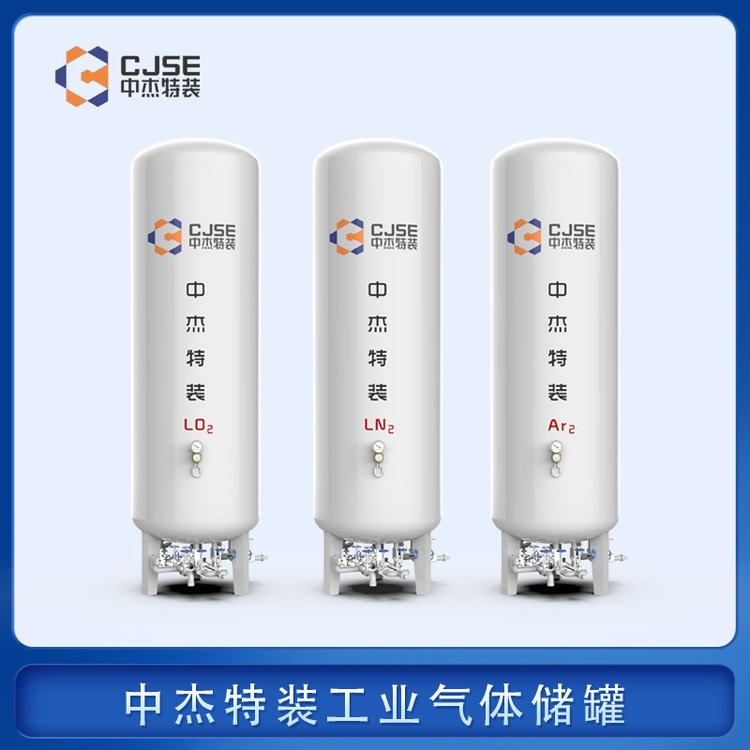

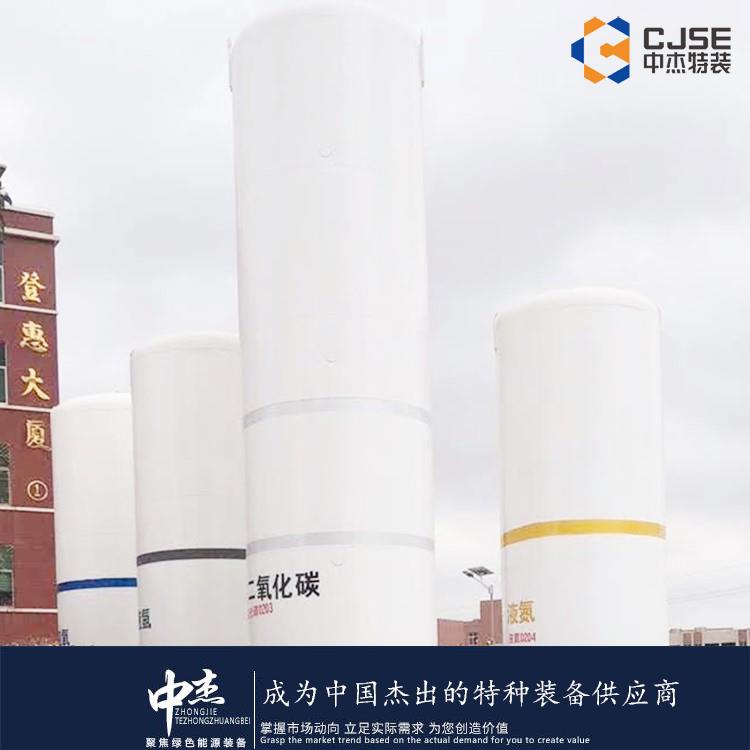
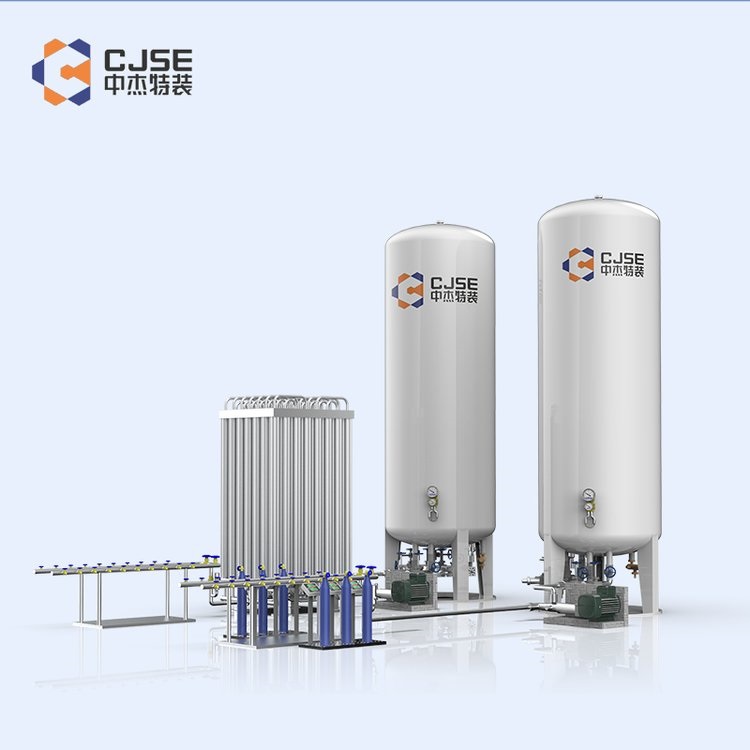


















Shandong Zhongjie Special Equipment's main products include: fuel (gas) boilers, organic heat carrier boilers, biomass boilers, waste heat boilers, and other boiler products; vacuum insulation cryogenic pressure vessels such as LNG storage tanks, oxygen-nitrogen-argon storage tanks, CO2 storage tanks, etc.; pressure vessel products such as denitrification engineering equipment, heat storage and energy storage equipment, complete chemical equipment sets; central air conditioning and HVAC equipment like ground (water) source heat pumps, air source units, water-cooled screw units, and air-cooled modular units. Planned products include large-scale energy centers, LNG transport vehicles, LNG tank containers, and other green energy equipment.
Material control for low-temperature liquid storage tanks is a crucial aspect in ensuring safety and reliability. Here are some common material control measures:
Material Selection: Choose materials suitable for low-temperature environments, such as low-temperature alloy steel and stainless steel. These materials exhibit excellent low-temperature resistance and crack resistance, maintaining strength and toughness under cold conditions.
Material Quality Control: Ensure the selected materials meet relevant standards and specifications. Conduct chemical composition analysis, mechanical property tests, and impact tests on the materials to ensure their performance meets design requirements.
Welding Material Selection: Choose welding materials suitable for low-temperature environments, such as low-temperature welding rods or welding wires. The welding materials should match the storage tank material, with good welding properties and crack resistance.
Welding Process Control: Monitor welding process parameters such as current, voltage, and speed to ensure the quality and reliability of weld joints. Methods with low heat input, like pulsed welding and laser welding, can minimize the temperature gradient and residual stress in the heat-affected zone.
Corrosion Prevention Measures: Apply anti-corrosion treatments to both the internal and external metal surfaces of the storage tank to extend its service life. Options include anti-corrosion coatings and paints to safeguard the tank's metal structure from corrosion damage.
Material Performance Monitoring: Regularly monitor the performance of storage tank materials, such as mechanical property tests,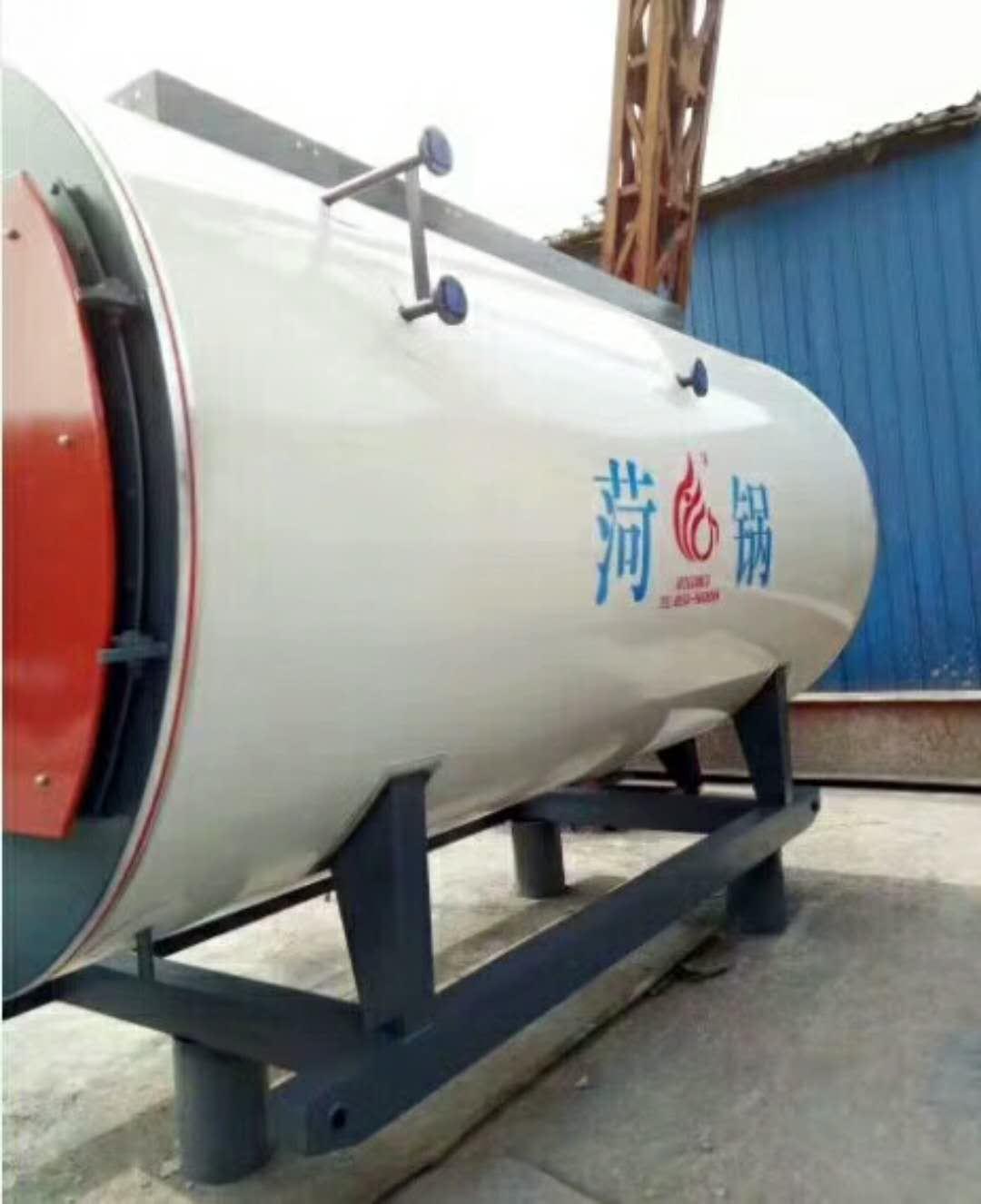
When using a 50-cubic-liter liquid oxygen storage tank, the following safety issues should be noted:
Tank Pressure Control: Ensure the liquid oxygen pressure within the tank is consistently within a safe range. Monitor and control the tank's pressure to avoid risks from excessive or insufficient pressure.
Leakage and Fire Prevention: Regularly inspect the seals of tanks and associated pipelines to prevent oxygen liquid leakage. Oxygen liquid is highly flammable, and fire prevention measures must be taken to ensure there are no ignition sources around the tank.
Explosion Prevention Measures: Oxygen inside the liquid oxygen tank may cause an explosion upon contact with flammable materials. Ensure there are no flammable items around the tank and implement explosion prevention measures, such as explosion-proof electrical equipment and static grounding.
Safety valves and exhaust systems: Storage tanks should be equipped with safety valves and exhaust systems to prevent overpressure situations. Ensure the proper functioning of the safety valves and the unobstructed operation of the exhaust systems.
Routine Maintenance and Inspection: Regularly perform maintenance and inspections on the storage tanks, including cleaning, coating protection, and corrosion prevention, to ensure the structural integrity and safety of the tanks.
Safety Operation and Training: Operators must undergo relevant safety training, familiarize themselves with the safe operation procedures and emergency response measures for liquid oxygen storage tanks. Adhere to correct operational steps to ensure safe operation.
Environmental Monitoring: Regularly monitor environmental parameters such as oxygen concentration and temperature around the storage tanks to ensure safety.
Emergency Preparedness: Develop an emergency response plan, including measures for leaks, fires, and explosions. Equip with appropriate emergency and firefighting equipment to handle unforeseen events.
The above outlines some safety concerns to consider when using a 50-cubic-liter liquid oxygen tank. To ensure safety, it is recommended to follow relevant safety regulations and operating guidelines, and seek assistance and guidance from experts as needed.
Safety usage and transportation of liquid oxygen tanks should pay attention to the following points:
Safe Application Methods:
Tank Selection: Choose liquid oxygen tanks that comply with specifications and standards, ensuring their quality and safety performance.
Tank Installation: Tanks should be installed on a solid foundation to ensure stability. Additionally, good ventilation should be maintained around the tank, and it should be kept away from flammable materials and heat sources.
Sealability Inspection: Regularly check the tank's sealing performance to ensure there are no leakage issues at valve and pipeline connections.
Pressure Control: Tanks should be equipped with pressure gauges and safety valves, and undergo regular inspections and maintenance to ensure pressure remains within safe limits.
Fire Prevention Measures: Liquid oxygen contains a high oxygen content and is highly flammable. Establish fire barriers around the storage tanks, prohibit smoking and open flames, and ensure safety.
Static Protection: During the transportation and use of liquid oxygen, static electricity can cause sparks, increasing the risk of fire. Measures such as using static-conductive materials and anti-static equipment should be taken to reduce the accumulation and release of static electricity.
Shipping Precautions:
Transportation Vehicle Selection: Choose transportation vehicles that meet the requirements for liquid oxygen transport, ensuring their safety and seal integrity.
Loading and unloading: During the transportation of liquid oxygen, the following loading and unloading procedures should be adopted:
Liquefied oxygen low-temperature storage tanks are primarily used for storing and supplying liquid oxygen. Their application methods can vary based on specific requirements and scenarios. Below are some common applications of liquid oxygen low-temperature storage tanks:
Application: Liquid oxygen low-temperature storage tanks are widely used in the field for cryogenic preservation of biological samples, cells, tissues, and vaccines. Institutions such as biopharmaceutical research organizations and biobanks utilize these tanks to store and protect these biological materials.
Experimental Research: Liquid Oxygen Low-Temperature Storage Tanks are used to provide low-temperature environments in scientific research and laboratories, for cryopreservation and cryogenic experiments. These storage tanks play a crucial role in experimental research across various fields such as physics, chemistry, biology, and materials science.
Industrial Applications: Liquid Oxygen Low-Temperature Storage Tanks are used in the industrial field for providing low-temperature cooling in processes such as metal processing, welding, and heat treatment. These tanks can offer low temperatures, enabling metals to achieve the required hardness and toughness during processing.
Food Industry: Liquid Oxygen Low-Temperature Storage Tanks are used in the food industry for freezing and refrigeration of food items such as frozen meat, frozen fruits, and frozen seafood. The low temperature of liquid oxygen can rapidly freeze food, preserving its freshness and quality.
Liquid oxygen low-temperature storage tanks are used in the field for storing and supplying liquid oxygen as fuel. As a high-energy fuel, liquid oxygen is widely used in the propulsion systems of engines and devices.
During the operation of liquid oxygen low-temperature storage tanks, it is essential to strictly adhere to relevant safety regulations and operational guidelines to ensure the safe operation and use of the tanks. Liquid oxygen is highly flammable, so fire prevention measures must be taken when using liquid oxygen low-temperature storage tanks, and it must be ensured that there are no ignition sources nearby.
Our company highly values technological innovation and R&D design, boasting 1 municipal-level enterprise technology center in Heze City. We have established testing facilities for non-destructive testing, physical and chemical testing, welding testing, hydrostatic testing, and more. Equipped with over 600 units of various equipment such as CNC machine tools, X-ray flaw detectors, digital ultrasonic flaw detectors, mechanical property testing machines, chemical analyzers, spectrometers, tensile testing machines, and plasma welding machines. Our key products, including welding for temperature and pressure vessels, biomass boiler emissions reduction, and waste heat utilization, have been selected for several Shandong Province Industrial and Information Technology Department science and technology innovation projects, Shandong Province key projects, and Heze City innovative excellence projects. We have累计 obtained 27 authorized utility models, 16 authorized inventions, participated in drafting 2 standards, 2 industrial standards, and registered 15 trademarks. Our technical team, in collaboration with Professor Yajiang Li of Shandong University, has developed deep cryogenic vessel processing technology using the international plasma arc + filled wire argon arc welding (PAW-GTAW) technique. The provincial-level scientific and technological achievement assessment confirms that our technology level in deep cryogenic vessel manufacturing has reached international standards. Choose Zhongjie Special Equipment, let's work together to create brilliance!
WeChat Official Account

Scan to follow Official Account



















