


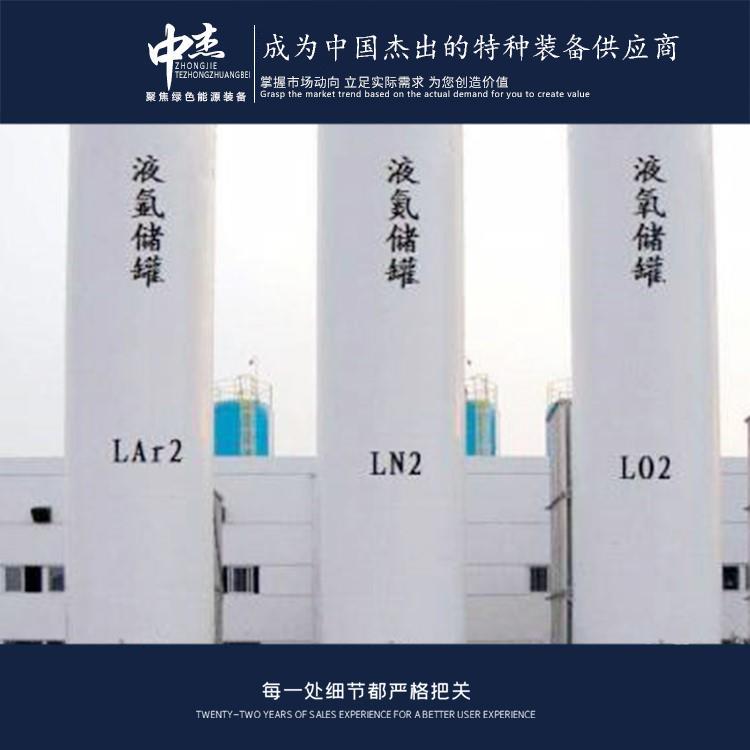

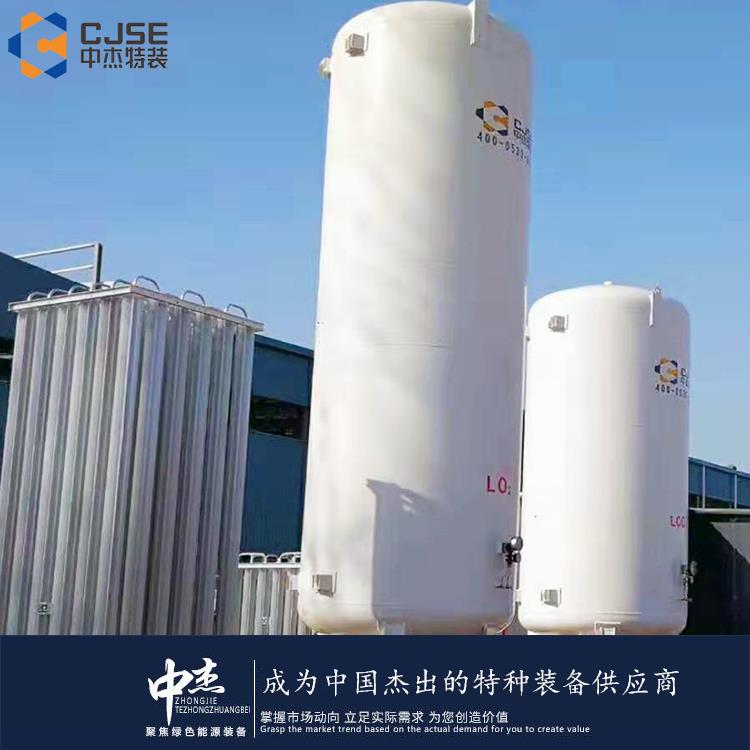
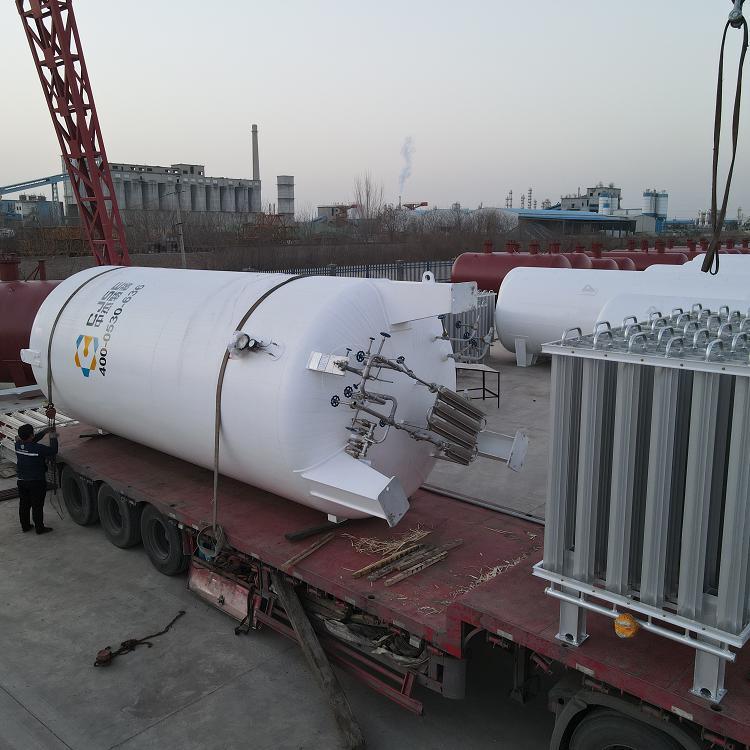


















Shandong Zhongjie Special Equipment (formerly Heze Boiler Factory Co., Ltd.) holds an A-grade boiler manufacturing license, A2-grade pressure vessel manufacturing license, A2-grade pressure vessel design license, B-grade boiler installation, and GB2/Class, GC2/Class pressure pipeline installation licenses, as well as equipment and machinery installation contracting qualifications. It is a member of the China Boiler and Water Treatment Association, the China Chemical Equipment Association, and the director unit of the Shandong Equipment Manufacturing Association. The company has also passed the ISO9001 Quality Management System, ISO14001 Environmental Management System, OHSAS18001 Occupational Health and Safety Management System certifications, and the U.S. ASME/U2 certification.
Carbon dioxide is widely used as a shielding gas in metal welding processes. Here are the main applications of carbon dioxide in welding:
Gas Metal Arc Welding (GMAW): Carbon dioxide is commonly used as the shielding gas in the GMAW welding process. During GMAW welding, the arc generates high temperatures in the welding area, which can also cause oxidation reactions with oxygen and water vapor, leading to reduced weld quality. By injecting carbon dioxide gas into the welding area, a protective atmosphere is formed, preventing oxygen and water vapor from entering, thereby improving the quality and strength of the weld.
Mixed Gas Shielding Welding (GMAW): Carbon dioxide is often mixed with other gases (such as argon) to form a mixed gas shielding welding. The use of mixed gases can adjust the arc stability, molten pool formation, and weld quality during the welding process, enhancing the welding results.
Gas Shielded Brazing: Carbon dioxide can also be used in gas shielded brazing processes. During brazing, the carbon dioxide gas provides a protective atmosphere, preventing oxidation and contamination in the brazing area, ensuring the quality of the brazed joint.
Gas Shielded Cutting: Carbon dioxide can also be used in gas shielded cutting processes. In gas shielded cutting, by injecting carbon dioxide gas into the cutting area, a protective atmosphere is formed, preventing oxidation and contamination, improving the quality and speed of the cut.
It should be noted that the application of carbon dioxide in welding needs to be adjusted and optimized according to specific welding materials, methods, and requirements. When using carbon dioxide for welding, it is necessary to follow relevant safety operation procedures and guidelines to ensure the safety and quality of the welding process.
Liquid CO2 Filling Process: The liquid CO2 filling process involves injecting liquid CO2 into the storage tank. Here are some precautions to consider for CO2 tank filling:
- Safe Operation: Adhere to the relevant safety operating procedures during CO2 tank filling. Operators should be trained to understand the tank's characteristics and safety concerns to ensure safe operations.
- Tank Capacity Control: Ensure that the filling does not exceed the tank's rated capacity. Overfilling can lead to excessive tank pressure and increased safety risks.
- Filling Rate Control: Maintain a moderate filling rate to avoid too fast or too slow filling. Excessive speed can cause high internal tank pressure, while slow speed can lead to extended filling times.
- Temperature Control: Control the temperature of the liquid CO2 during filling. High temperatures can cause rapid evaporation, and low temperatures can lead to solidification.
- Pressure Control: Monitor and control the internal tank pressure during filling. Excessive pressure can cause tank rupture or leakage, while low pressure can result in inadequate filling.
- Level Monitoring: Regularly monitor the tank's level during filling to ensure accurate measurements and avoid overfilling or underfilling.
- Pressure Relief Devices: The tank should be equipped with pressure relief devices, such as safety valves, to control internal pressure. The set pressure of these devices should meet relevant requirements and be regularly inspected and maintained.
- Environmental Protection: Be mindful of environmental protection during filling to prevent CO2 leakage and contamination. Use appropriate protective measures, such as sealed connections and protective devices.
- The above precautions are for CO2 tank filling. Follow relevant safety regulations and standards during filling operations and consult with experts to ensure safety and effectiveness.
Carbon dioxide and liquid oxygen storage tanks are equipment used for storing different gases, with some differences in their physical properties:
- Physical State: Carbon dioxide (CO2) is a gas at room temperature and requires low temperatures and high pressures to be converted into a liquid. Liquid oxygen (LOX) is a liquid at room temperature and can maintain its liquid state without special conditions.
- Storage Temperature: The liquid storage temperature of carbon dioxide typically ranges from -40°C to -78.5°C, while the liquid storage temperature of liquid oxygen usually ranges from -183°C to -183.15°C. The storage temperature of liquid oxygen is lower, requiring more stringent insulation measures.
- Storage Pressure: The liquid storage pressure of carbon dioxide typically ranges from 5 to 20 MPa, while the liquid storage pressure of liquid oxygen usually ranges from 0.2 to 2 MPa. The storage pressure of liquid oxygen is lower.
- Density: The density of liquid carbon dioxide is approximately 0.8 g/cm³, while the density of liquid oxygen is approximately 1.14 g/cm³. The density of liquid oxygen is greater.
- Safety: Liquid oxygen has a high oxygen content, making it highly flammable and oxidizing, requiring stricter safety measures. Carbon dioxide is relatively safe but can still be harmful to humans at high concentrations.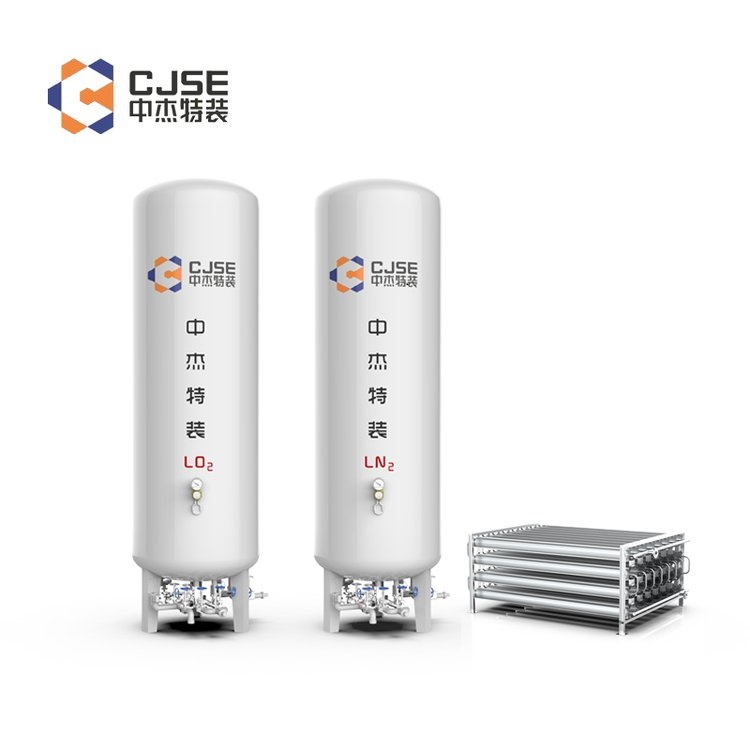
The liquid level of a carbon dioxide tank varies depending on specific design and operational requirements. Generally, the liquid level in a liquid carbon dioxide tank is maintained between 80% and 95%. There are several reasons for keeping the tank level within this range:
- Space Reserve: Maintaining a certain level of liquid provides steam space inside the tank to prevent over-pressurization and the risk of tank explosion.
- Storage Capacity: Keeping a higher level maximizes the tank's capacity, allowing for more carbon dioxide storage.
- Stable Supply: Maintaining an appropriate level ensures a stable supply of carbon dioxide to meet usage demands.
However, specific level requirements may vary depending on different applications and industries. When using a carbon dioxide tank, follow the manufacturer's recommendations and relevant regulations and standards to ensure the tank's level is controlled within a safe and appropriate range.
Zhongjie Special Equipment adheres to the grand vision of "realizing employees' dreams, creating value for customers, and striving for the prosperity and strength of our motherland," and is dedicated to the development of the green energy equipment industry. We offer society high-quality, cost-effective products and services!
WeChat Official Account

Scan to follow Official Account



















