


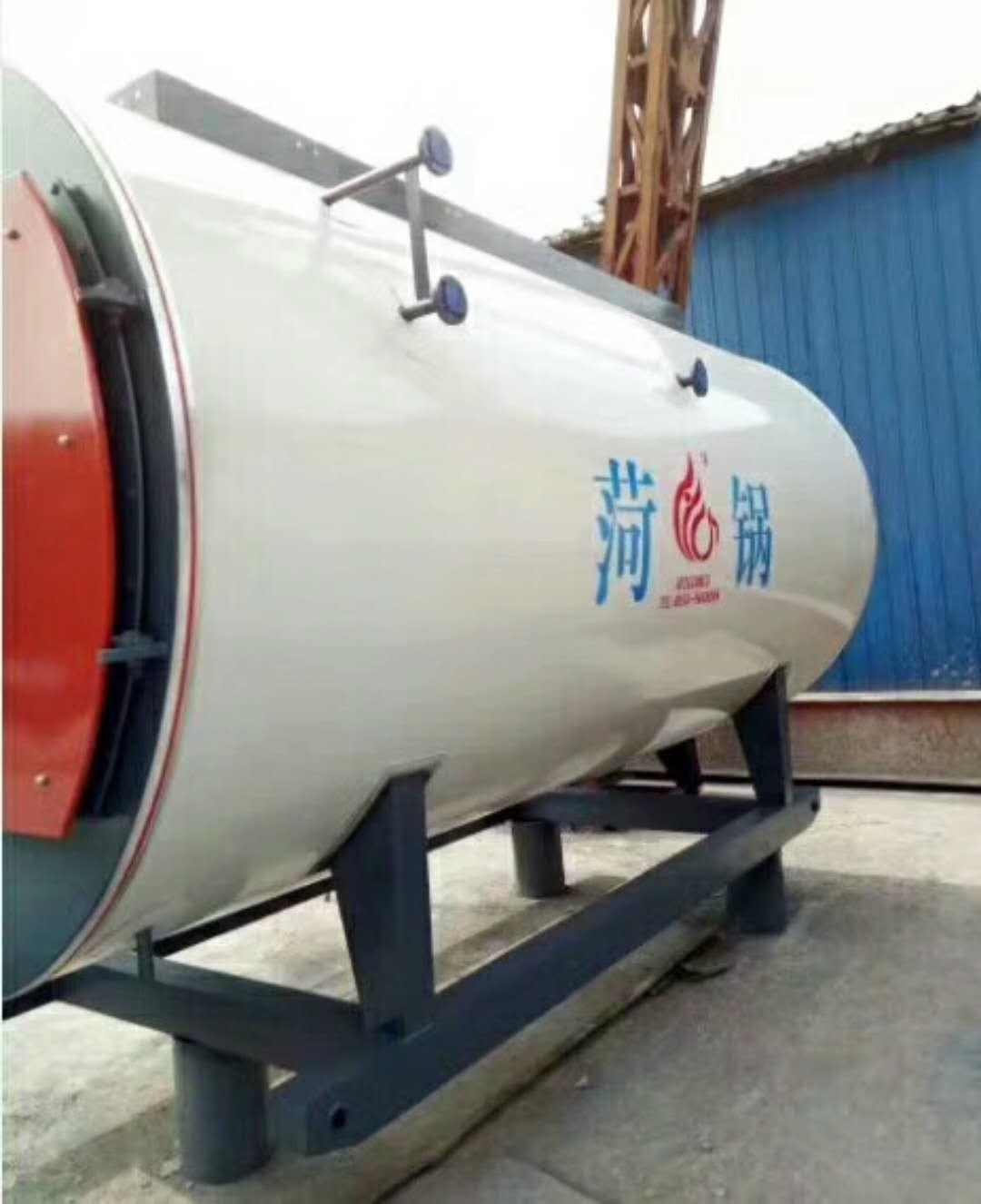

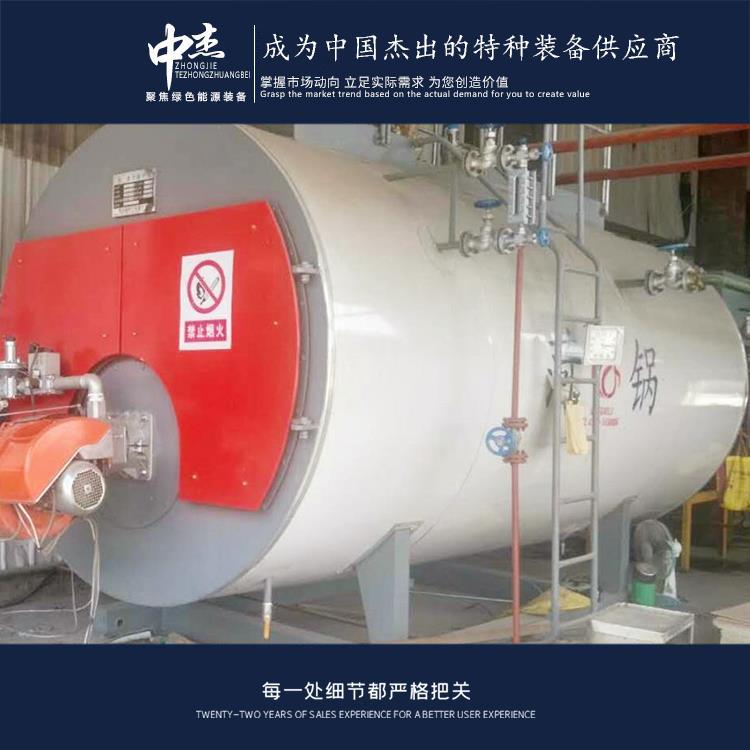


















Shandong Zhongjie Special Equipment (formerly Heze Boiler Factory Co., Ltd.) was established in 2001, located at No. 2218 Jinnan Road, Economic and Technological Development Zone, Heze City. With a registered capital of 50 million yuan and total assets of 500 million yuan, the company has 7 business centers: boilers, deep-freezing containers, pressure vessels, central air conditioning, engineering installation, international trade, and Internet of Things. It has three factory sites on Jinnan Road, East Changjiang Road, and Bohai Road, covering a total area of 200,000 square meters, with the main workshop area at 83,000 square meters. It currently employs 710 people, including 247 engineers and technicians, and 82 intermediate-level technical personnel. In December 2016, it was recognized as a "High-tech Enterprise" by the Science and Technology Department. In June 2021, it was identified as a "Specialized and New Enterprise in Shandong Province" by the Ministry of Industry and Information Technology. In June 2022, it was recognized as a "Gazelle Enterprise in Shandong Province" and in August 2022, it was identified as a "Specialized and New Small Giant Enterprise" by the Ministry of Industry and Information Technology.
After the hot water boiler is shut down, here are some common maintenance measures:
Clean the boiler: After shutdown, the boiler should be cleaned first. Dust, dirt, and sediments inside the boiler can be washed with appropriate cleaning tools and detergents. Pay special attention to cleaning the combustion chamber, flue, and heat exchanger, among other critical areas.
Drain the water: Empty the water from the boiler to prevent the accumulation of scale and corrosive substances. Open the drain valve to let the water out until the boiler is completely drained.
Corrosion prevention: Before shutdown, apply corrosion prevention treatments to prevent internal metal corrosion in the boiler. Use suitable corrosion inhibitors or protective coatings, applying them to key areas inside the boiler.
Inspection and maintenance: During shutdown, regularly inspect the boiler's components and connections to ensure there are no loose, damaged, or leaking issues. Address any problems promptly with repairs or replacements.
Keep dry: After shutdown, maintain the dryness inside the boiler. Open the ventilation and exhaust openings to maintain air circulation, preventing moisture and mold growth.
Regular inspections: Conduct regular checks of the boiler's condition to ensure no anomalies. Develop a corresponding inspection schedule based on the boiler's usage and requirements, such as a comprehensive check every quarter or year.
Preparation before startup: Before restarting the boiler, perform the necessary preparatory steps. This includes cleaning the boiler, checking equipment and pipeline connections, and verifying fuel supply.
When installing a gas boiler, the following points should be noted:
Safety: Gas boilers are equipment that uses gas as fuel, so safety must be ensured during installation. First, select an appropriate installation location, away from flammable materials and combustible gases, and ensure good ventilation. Second, install according to relevant safety regulations, including the connection of gas pipes and the installation of gas valves.
Pipe Connection: Gas boilers require connection to gas pipes to ensure a smooth gas supply. During the connection process, use appropriate pipes and fittings to ensure a secure connection and prevent gas leaks. Additionally, conduct leak tests to ensure there are no leaks.
Exhaust Duct: Gas boilers produce exhaust gases during combustion and require an appropriate exhaust duct. The exhaust duct must be kept clear to avoid the accumulation of exhaust gases indoors, which can pose safety hazards and air pollution.
Electrical Connection: Gas boilers usually require electricity, so electrical connections must be made during installation. Ensure that the electrical connections are correct and secure, and avoid electrical issues such as short circuits.
Water System: Gas boilers typically need to be connected to the water system, including water supply and drain pipes. During the connection process, ensure that the water pipes are securely connected to prevent leaks or issues with water pressure.
Commissioning and Testing: After installation, commission and test the gas boiler. This includes pilot light tests, combustion efficiency tests, and temperature control tests to ensure the boiler operates normally and is safe and reliable.
It is recommended to follow relevant installation specifications and requirements when installing a gas boiler. If you do not have the necessary technical knowledge, it is best to have a qualified installer perform the operation to ensure the installation process is safe and reliable.
Possible causes of uneven heat distribution in steam boilers may include the following aspects:
- Inconsistent combustion: During the combustion process, uneven mixing of fuel and air, or improper design and adjustment of the burner, can lead to inconsistent combustion. This results in some areas producing more heat while others produce less.
- Pipe blockage: The presence of blockages or scale in the transmission pipes of a steam boiler can cause uneven heat transfer. Blockages or scale hinder steam flow, limiting heat transfer in some areas while allowing better heat transfer in others.
- Heat exchanger issues: If the heat exchanger in a steam boiler has scaling, corrosion, or blockage problems, it can lead to uneven heat transfer. These issues affect the heat conduction efficiency of the heat exchanger, impacting heat transfer in certain areas.
- Water level issues: Inaccurate or unstable water level control in a steam boiler can result in uneven steam generation. Both high and low water levels can affect steam production and distribution, leading to uneven heat.
- Boiler load changes: Changes in the boiler load can also cause uneven heat distribution. Sudden increases or decreases in load may prevent the boiler from adjusting heat generation and distribution in time, resulting in uneven heat.
To address the issue of uneven heat distribution in steam boilers, regular inspection and maintenance of the boiler equipment are necessary to ensure the normal operation of combustion and heat exchange processes. Additionally, adjusting burners and control systems reasonably, maintaining stable water levels, cleaning pipes and heat exchangers, and improving...
Fuel and gas boiler combustion safety and explosion-proofing are crucial. Here are some related safety measures:
1. Burner Selection and Adjustment: Choose burners that meet standards and specifications, and ensure they are installed correctly. The burner's parameters and adjustments should comply with design requirements to ensure a stable and safe combustion process.
2. Fuel Supply System: The fuel supply system of fuel and gas boilers should have safe and reliable characteristics. Equipment such as fuel storage tanks, transmission pipelines, and filters should be inspected and maintained regularly to prevent leaks and blockages.
3. Combustion Control System: The combustion control system of fuel and gas boilers should have the ability to control. The control system should be able to monitor and adjust combustion parameters, such as fuel supply and combustion air volume, to ensure a stable and safe combustion process.
4. Safety Valves and Pressure Switches: Safety valves and pressure switches should be installed on fuel and gas boilers to protect their safe operation. Safety valves can automatically open when exceeding the set pressure, releasing over-pressured gas or steam to prevent boiler explosions.
5. Gas Leak Detection: For gas boilers, gas leak detection devices should be installed. These devices can detect gas leaks in a timely manner and trigger alarms to prevent gas accumulation and explosions.
6. Regular Inspection and Maintenance: Regularly inspect and maintain fuel and gas boilers, including cleaning burners, checking the combustion system, and adjusting combustion parameters. Promptly repair and replace damaged parts to ensure the normal operation and safety performance of the equipment.
7. Training and Operating Procedures: Train operators to...
Zhongjie Special Equipment upholds the grand vision of "realizing employees' dreams, creating value for customers, and striving for the prosperity and strength of our motherland," and is dedicated to the development of the green energy equipment industry. We offer society high-quality products and services at competitive prices!
WeChat Official Account

Scan to follow Official Account



















