


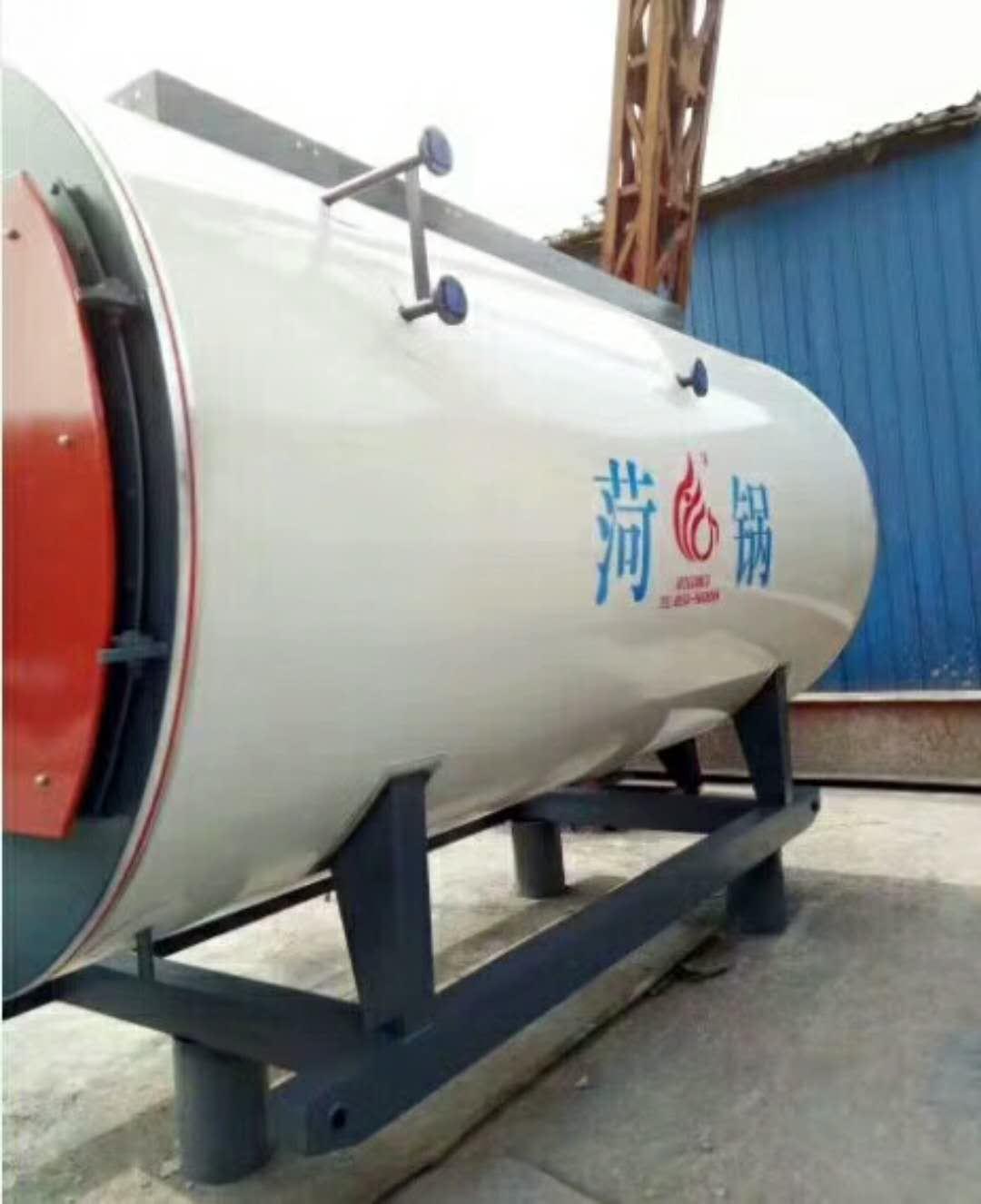

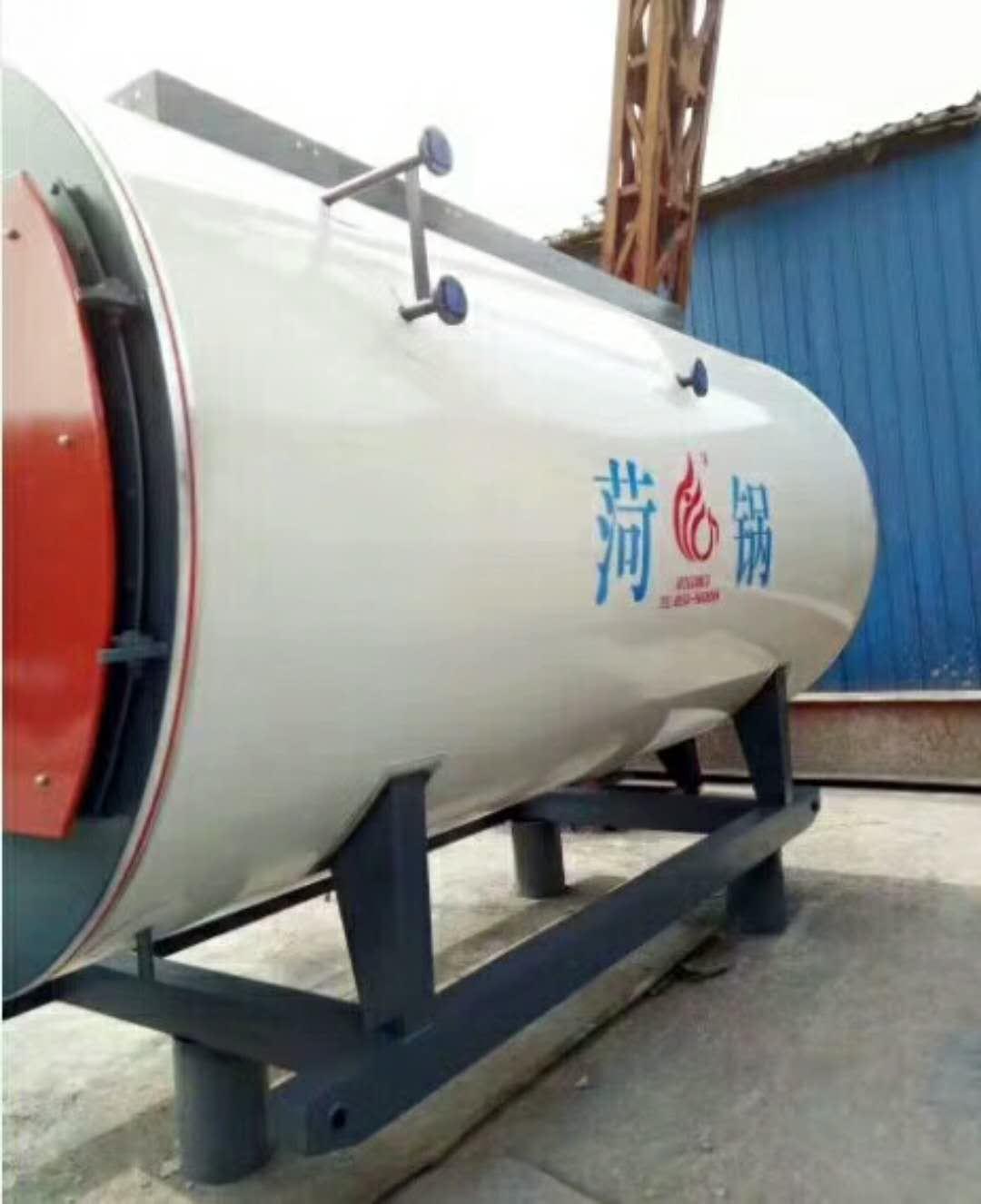


















Shandong Zhongjie Special Equipment (formerly Heze Boiler Factory Co., Ltd.) holds an A-grade boiler manufacturing license, an A2-grade pressure vessel manufacturing license, an A2-grade pressure vessel design license, B-grade boiler installation and GB2, GC2 class pressure pipeline installation licenses, as well as equipment and machinery installation contracting qualifications. It is a member of the China Boiler and Water Treatment Association, the China Chemical Equipment Association, and the director unit of the Shandong Equipment Manufacturing Association. The company has also passed the ISO9001 Quality Management System, ISO14001 Environmental Management System, OHSAS18001 Occupational Health and Safety Management System certifications, and the American ASME/U2 certification.
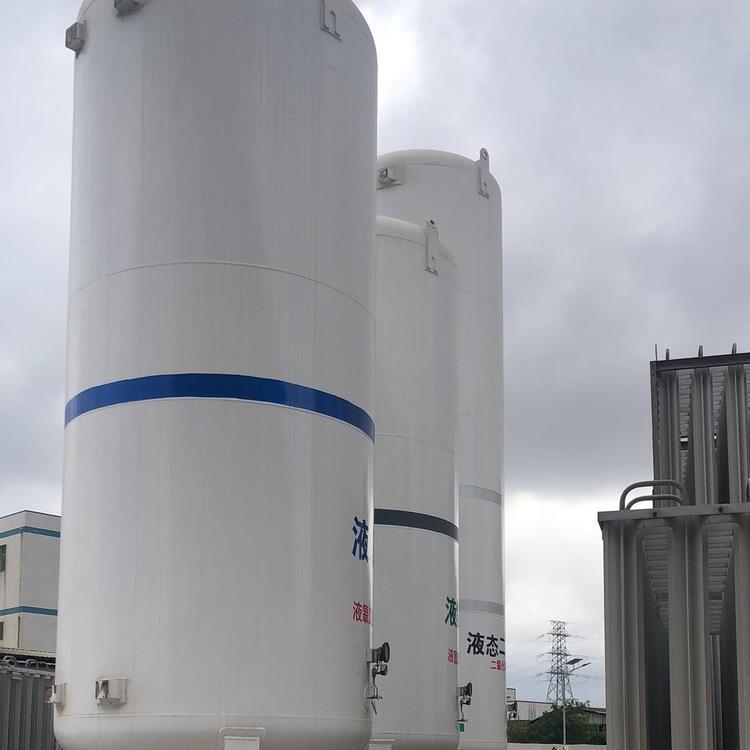
Low-temperature liquid storage tanks are equipment designed for storing low-temperature liquids, commonly used for liquid oxygen, liquid nitrogen, liquid argon, and other low-temperature liquids. These liquids exist in a gaseous state at room temperature but are cooled to a liquid state at low temperatures for better storage and use. These storage tanks are typically made of high-strength materials such as stainless steel or aluminum alloys to withstand low temperatures and high pressures. They usually have an insulating layer inside to minimize evaporation and maintain the low-temperature state. Applications of low-temperature liquid storage tanks include but are not limited to the following areas: They are widely used in rocket and spacecraft fuel and propulsion systems, such as liquid oxygen, liquid nitrogen, and liquid hydrogen storage tanks. They store and supply low-temperature liquids as fuel and oxidizers to propel rockets and spacecraft. Industrial Production: Low-temperature liquid storage tanks are used in industrial production to store and supply low-temperature liquids like liquid oxygen, liquid nitrogen, and liquid argon. These liquids serve as coolants, raw materials for gas separation, and reactants in chemical reactions. Medical Applications: These tanks are used in the medical field to store and supply liquid oxygen for oxygen therapy, inhalation therapy, and operating rooms. Laboratory Research: In scientific research and laboratories, low-temperature liquid storage tanks provide low-temperature liquids as coolants and refrigerants. They are used for cooling laboratory equipment, material research, superconductivity, and low-temperature physics. In summary, low-temperature liquid storage tanks are widely used in various fields such as aerospace, industrial production, and laboratory research to store and supply low-temperature liquids to meet the needs of different industries.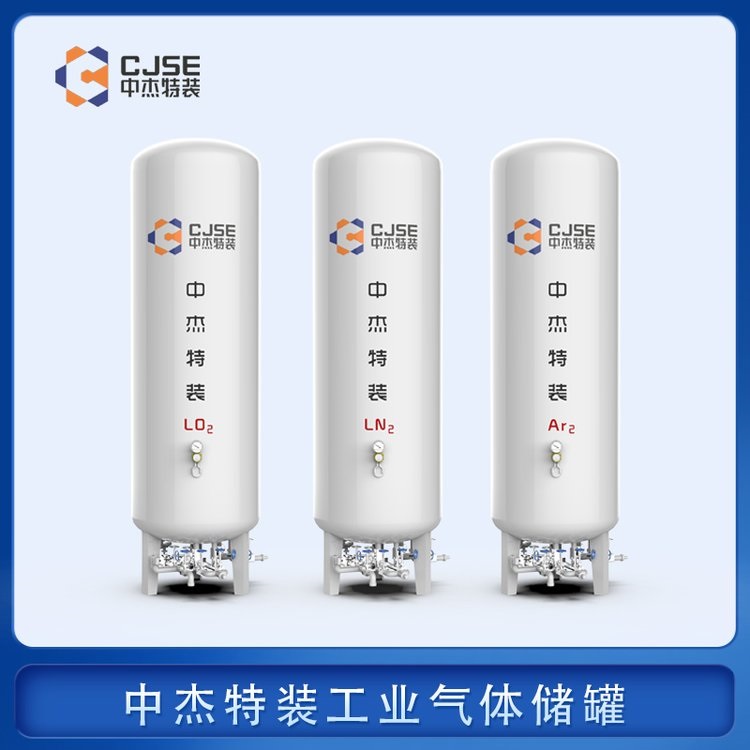
Liquid nitrogen tanks feature the following characteristics during the construction process:
Low-Temperature Construction: The construction of liquid nitrogen tanks must be carried out in a low-temperature environment, as the boiling point of liquid nitrogen is low, approximately -196 degrees Celsius. Construction personnel must take appropriate protective measures, such as wearing thermal protective clothing and gloves, to protect themselves from low-temperature injuries.
Welding Technology: A substantial amount of welding is required during the manufacturing process of liquid nitrogen tanks, including the joining of wall plates, bottom plates, top plates, and seams. Welding technology is crucial for the quality and safety of the tanks, necessitating the use of appropriate welding methods and materials to ensure the strength and sealing integrity of the welds.
Insulation Layer Installation: Liquid nitrogen storage tanks must have excellent insulation properties to minimize heat transfer and maintain the low-temperature state of liquid nitrogen. The installation of the insulation layer requires materials such as polyester foam, glass wool, etc., to ensure the thickness and quality of the insulation layer.
Proper installation steps for liquid nitrogen tanks are as follows:
Site Preparation: Select an appropriate site for tank installation, ensuring it is level, sturdy, and has adequate load-bearing capacity. The site should be kept away from flammable, explosive materials, and other hazardous sources.
Foundation Construction: Construction of the foundation based on the tank's dimensions and weight, including excavation of the foundation pit, pouring concrete foundation, etc. The design and construction of the foundation should comply with relevant standards and regulations.
Tank Installation: Transport the tank to the site and perform vertical installation. Appropriate lifting equipment and safety measures must be used during the installation process to ensure the stability and safety of the tank.
Pipe Connections: Connect the storage tank to the relevant pipeline system as required, including intake pipes, exhaust pipes, and liquid supply pipes, etc. Sealing and testing must be performed during the connection process to ensure the safety of the pipes.
The leak treatment methods for liquid argon storage tanks mainly include the following steps:
Discovering Air Leaks: Detected through odors, gas detection equipment, or abnormal pressure in liquid argon storage tanks, air leaks in the liquid argon storage tank are identified.
Confirm air leakage location: Use gas detection equipment or foam leak detection agents, etc., to pinpoint the exact location of air leakage. Inspect tank interfaces, valves, pipe connections, and other areas to locate the air leakage points.
Seal Air Leaks: Take appropriate measures to stop air leaks based on their location. For instance, for leaks at joints, inspect and adjust sealing washers or tighten bolts; for valve leaks, check and replace seals.
Isolate Air Leaking Areas: During the process of dealing with air leaks, it is necessary to isolate the leaking areas to ensure personnel safety. Set up warning signs, restrict access to the area, and take necessary protective measures, such as wearing protective masks and gloves.
If air leakage cannot be repaired immediately or the leakage is substantial, consider evacuating liquid argon. By gradually reducing the pressure of liquid argon in the storage tank, it can be converted to gas, reducing the risk of air leakage.
Ventilation Treatment: During the air leakage treatment, ensure good ventilation and promptly exhaust the gases produced by the evaporation of liquid argon. Natural ventilation or the use of ventilation equipment can be employed to expel the evaporated gases of liquid argon to the outdoors.
Safety Assessment and Repairs: After completing the air leakage treatment, conduct a safety assessment to ensure the tank's safety. Based on the assessment results, perform necessary repairs and maintenance to prevent a recurrence of air leakage.
Note that liquid argon is a low-temperature liquid with low boiling and freezing points. Caution is required when handling leaks to avoid contact, which can cause chills. When dealing with a leak in a liquid argon storage tank, it should be handled by personnel and follow relevant safety operating procedures and standards.
When storing liquid nitrogen in low-temperature storage tanks, please note the following points:
Protective Gear: When operating low-temperature storage tanks, it is mandatory to wear appropriate protective gear, including gloves, protective clothing, and non-slip shoes. This gear safeguards the skin from the low temperatures of liquid nitrogen and other hazards.
Avoid direct contact: Liquid nitrogen is extremely cold and can cause chilling. Hence, it is essential to avoid direct contact with liquid nitrogen, especially with the skin. Use tools or utensils for handling to prevent direct hand contact with liquid nitrogen.
Ventilation Requirements: Ensure adequate ventilation in the operational area of low-temperature storage tanks to expel gases produced by the evaporation of liquid nitrogen. Maintain air circulation to avoid excessive oxygen concentration, and reduce the risk of fire and explosion.
Prevent Leaks: Regularly inspect low-temperature storage tanks for leaks and equip them with leak detection and alarm systems. In case of a leak, take immediate measures to control and repair it. Avoid the harm of liquid nitrogen leaks to personnel and the environment.
Fire prevention measures: Liquid nitrogen has a low boiling and freezing point, which can easily cause fires. To prevent and contain fires, fire barriers and fire-resistant coatings are set up around low-temperature storage tanks.
Static protection: Electrostatic buildup in low-temperature storage tanks may cause sparks, increasing the risk of fire. Measures such as using static-conductive materials and anti-static equipment should be taken to reduce the accumulation and release of static electricity.
Regular inspections and maintenance: Conduct regular checks on the condition of low-temperature storage tanks and related equipment, including valves, pipelines, pressure gauges, etc. Ensure that the equipment is in perfect condition without any damage, and promptly repair or replace any damaged parts.
Waste Gas Treatment: Low-temperature storage tanks produce waste gas during operation, which necessitates appropriate waste gas treatment measures to minimize environmental impact.
Above are the precautions to be taken when storing liquid nitrogen in a low-temperature storage tank, ensuring operational safety and the normal operation of the tank. During the operation, strict adherence to relevant operational procedures and safety requirements should be maintained to avoid accidents.
Shandong Zhongjie Special Equipment, welcome customers to our factory for business talks.
WeChat Official Account

Scan to follow Official Account



















