


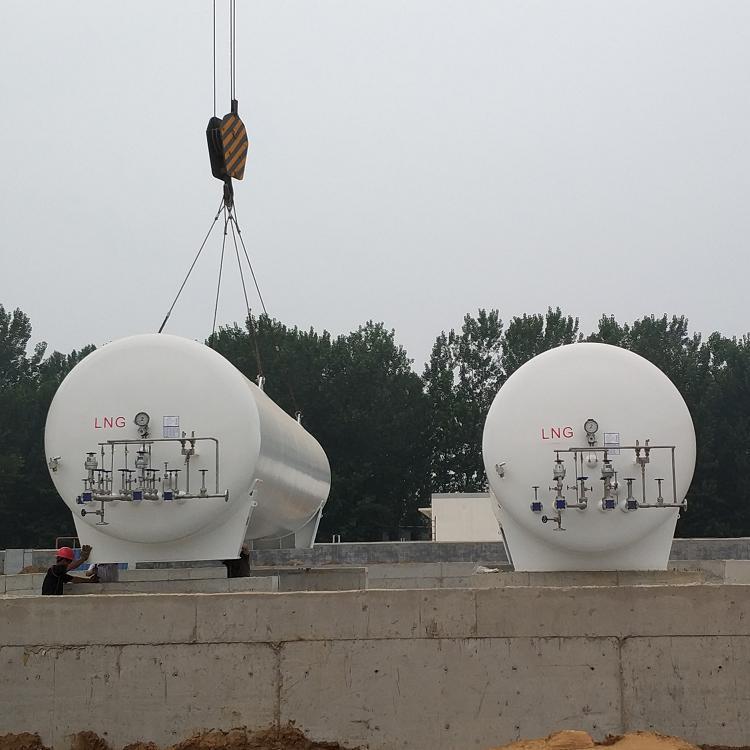

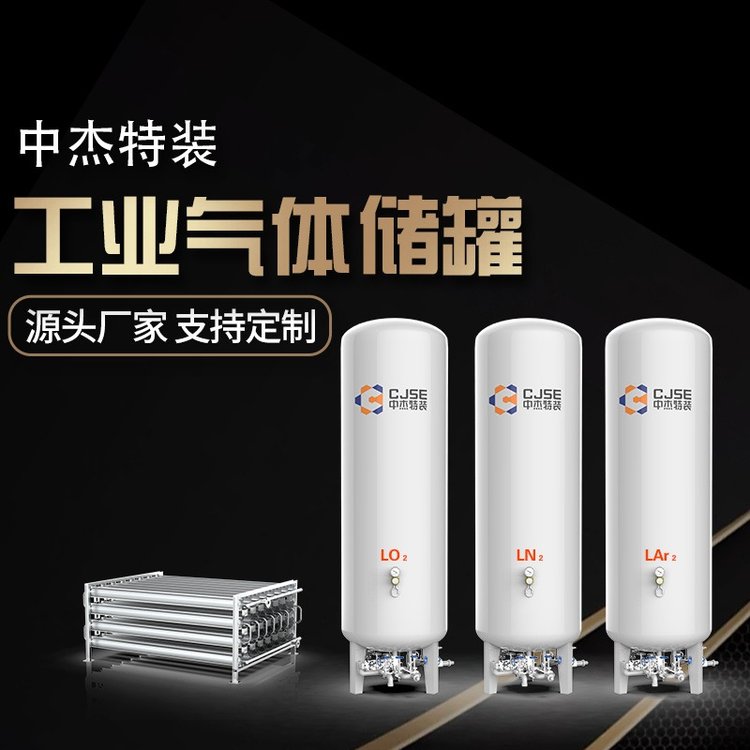
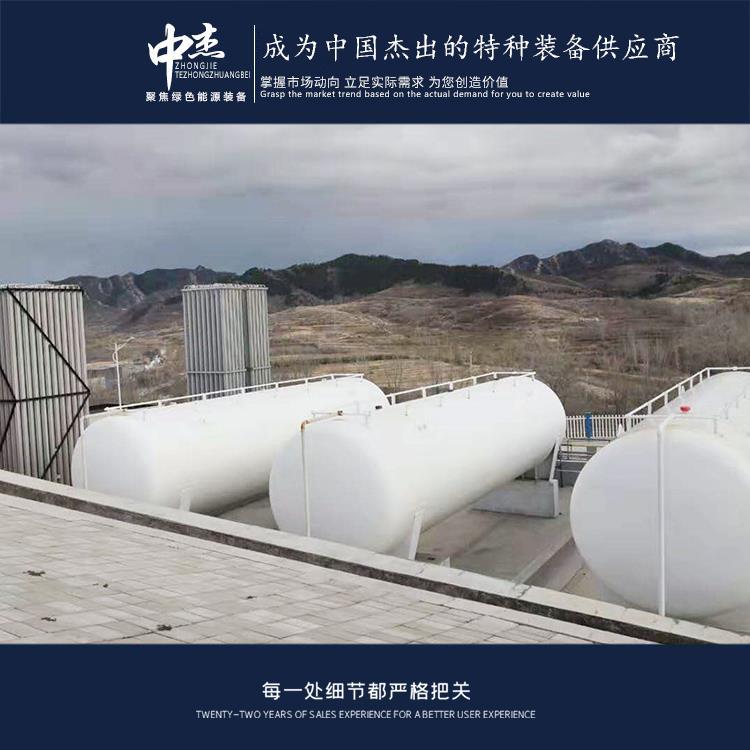


















Shandong Zhongjie Special Equipment's main products include: fuel (gas) boilers, organic heat carrier boilers, biomass boilers, waste heat recovery boilers, and other boiler products; vacuum insulation cryogenic pressure vessels such as LNG storage tanks, oxygen-nitrogen-argon storage tanks, and CO2 storage tanks; pressure vessel products such as denitrification engineering equipment, heat storage and energy storage equipment, and complete chemical equipment; central air conditioning and ventilation equipment such as ground (water) source heat pumps, air source units, water-cooled screw units, and air-cooled modules. Planned products include large-scale energy centers, LNG transport vehicles, LNG tank containers, and other green energy equipment.
The materials used for liquid oxygen storage tanks typically require excellent low-temperature resistance and corrosion resistance. Common materials for manufacturing liquid oxygen storage tanks include:
Stainless Steel: A commonly used material for liquid oxygen storage tanks, stainless steel boasts excellent corrosion resistance and mechanical strength. Common stainless steel grades include 304 and 316.
Aluminum Alloy: Aluminum alloys are also commonly used in the manufacturing of liquid oxygen tanks, boasting low density and excellent corrosion resistance. Commonly used aluminum alloy materials include 5083 and 6061 aluminum alloys.
Fiberglass Reinforced Plastic (FRP): FRP is a composite material made up of glass fibers and resin. It boasts excellent corrosion resistance and mechanical strength, making it suitable for liquid oxygen storage tanks in some special environments.
Carbon Steel: Carbon steel is a common material for tank fabrication, known for its high strength and corrosion resistance. However, it is prone to oxidation in liquid oxygen environments, necessitating anti-corrosion measures.
It's important to note that the choice of materials for liquid oxygen tanks should be determined based on specific application requirements, working conditions, and safety standards. When selecting materials, consider the properties of liquid oxygen and the design requirements of the tank to ensure safety and reliability. Additionally, manufacturers and suppliers often provide material selection advice and technical support.
Carbon dioxide and liquid oxygen storage tanks are containers used for storing different gases, and they have some differences in their physical properties:
Physical State: Carbon dioxide is a gas at room temperature and pressure, and it needs to be cooled and pressurized to become liquid. Liquid oxygen is a liquid at room temperature, and it must be cooled to solidify.
Boiling and freezing points: The boiling point of carbon dioxide is -78.5 degrees Celsius, with a freezing point of -56.6 degrees Celsius. The boiling point of liquid oxygen is -183 degrees Celsius, and its freezing point is -218.8 degrees Celsius. The boiling and freezing points of liquid oxygen are significantly lower than those of carbon dioxide.
Density: The density of liquid oxygen is relatively high, approximately 1.14 grams per cubic centimeter. The density of carbon dioxide is lower, around 0.00198 grams per cubic centimeter. The density of liquid oxygen is about 570 times that of carbon dioxide.
Pressure: Liquid oxygen has a high pressure, typically ranging from tens to hundreds of megapascals (MPa). Carbon dioxide has a lower pressure, usually within a few megapascals (MPa).
Safety: Liquid oxygen has a high oxygen content and is easily flammable and explosive. Carbon dioxide can also be asphyxiating and cause suffocation at certain concentrations.
Note that carbon dioxide and liquid oxygen are highly flammable and explosive substances. Strict adherence to relevant safety operating procedures and standards, as well as necessary safety measures, must be taken to ensure the tank's safety and stability during storage and use.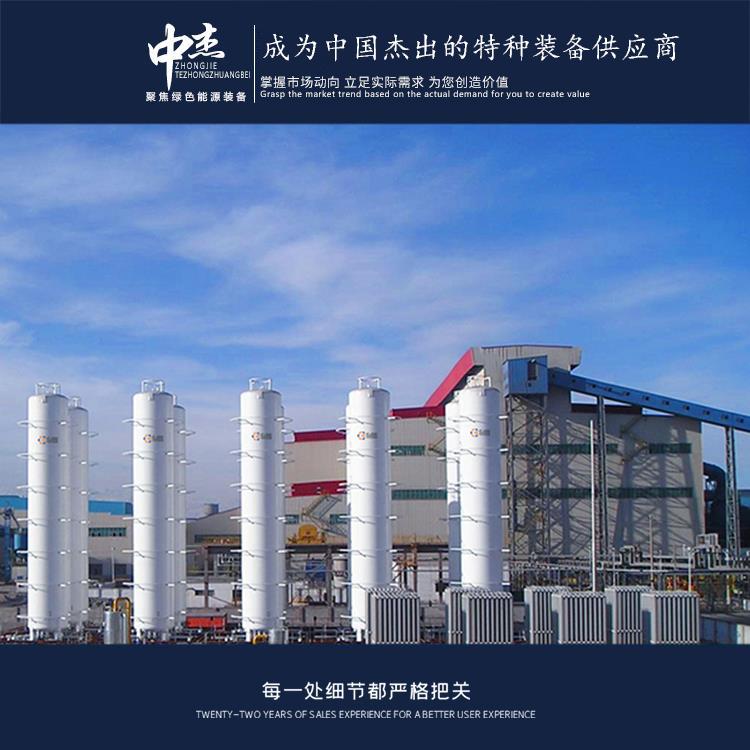
The use of liquid oxygen storage tanks requires special attention to the following safety matters:
Training: Operators of liquid oxygen tanks must undergo training to understand the properties of liquid oxygen, safety operating procedures, and emergency response measures. Only trained personnel are authorized to operate liquid oxygen tanks.
Safety Operating Procedures: Establish and adhere to the safety operating procedures for liquid oxygen tanks, including proper operational procedures, protective measures, and emergency response plans. Ensure that operators follow the procedures to minimize accident risks.
Safety Measures: When using liquid oxygen tanks, necessary safety precautions must be taken, such as wearing protective gloves and suits. Avoid direct contact with liquid oxygen to prevent chilling.
Leakage Control: Regularly inspect the liquid oxygen storage tank for leaks, equip with leak detectors and alarm systems. In case of a leak, take immediate measures to control it and proceed with repairs.
Fire Prevention Measures: Liquid oxygen contains a high oxygen concentration, which is prone to causing fires. To prevent and contain fires, firewalls and fire-resistant coatings are installed around the liquid oxygen storage tanks.
Static protection: The accumulation of static electricity in liquid oxygen tanks may cause sparks, increasing the risk of fire. Measures such as using static-conductive materials and anti-static equipment are taken to reduce the accumulation and release of static electricity.
Ventilation Requirements: Ensure adequate ventilation within the enclosed space of the liquid oxygen storage tank to expel vapors produced by the evaporation of liquid oxygen.
Proper installation of the liquid oxygen tank safety valve is a crucial step in ensuring the safe operation of the liquid oxygen tank. Here are the installation steps for the liquid oxygen tank safety valve:
Select the appropriate safety valve: Choose a safety valve based on the design pressure and flow requirements of the liquid oxygen tank. Ensure that the rated pressure and flow of the safety valve meet the tank's specifications and comply with relevant safety standards and regulations.
Valve Installation Location: Select an appropriate location for installing the safety valve. Typically, the safety valve should be mounted on the top or side of the liquid oxygen storage tank to allow for timely pressure release in the event of overpressure.
Prepare installation interfaces: Prepare the corresponding interfaces based on the connection method of the safety valve. This may include welding interfaces, threaded interfaces, or flange interfaces, etc. Ensure the sealing and firmness of the connections.
Install the safety valve: Mount the safety valve onto the prepared interface. Follow the installation instructions for the safety valve to ensure it is properly connected and securely fastened.
Adjustment and Testing: After installation, adjust and test the safety valve according to its requirements. Ensure that the opening and closing pressures of the safety valve meet the design specifications, and conduct a leak test to verify its sealing integrity.
Identification and Record: Label the safety valve with relevant information such as rated pressure, flow rate, and installation date. Additionally, record the installation details and test results of the safety valve for future reference and maintenance.
When installing the liquid oxygen storage tank safety valve, it is imperative to adhere to the relevant safety regulations and operational guidelines. If you lack the necessary experience and knowledge, it is advisable to seek the assistance and guidance of a professional to ensure the correct installation and reliable operation of the safety valve.
ZJ Special Equipment upholds the grand vision of "realizing employees' dreams, creating customer value, and striving for the prosperity and strength of our motherland," focusing solely on the development of green energy equipment. We dedicate high-quality, cost-effective products and services to society!
WeChat Official Account

Scan to follow Official Account



















