


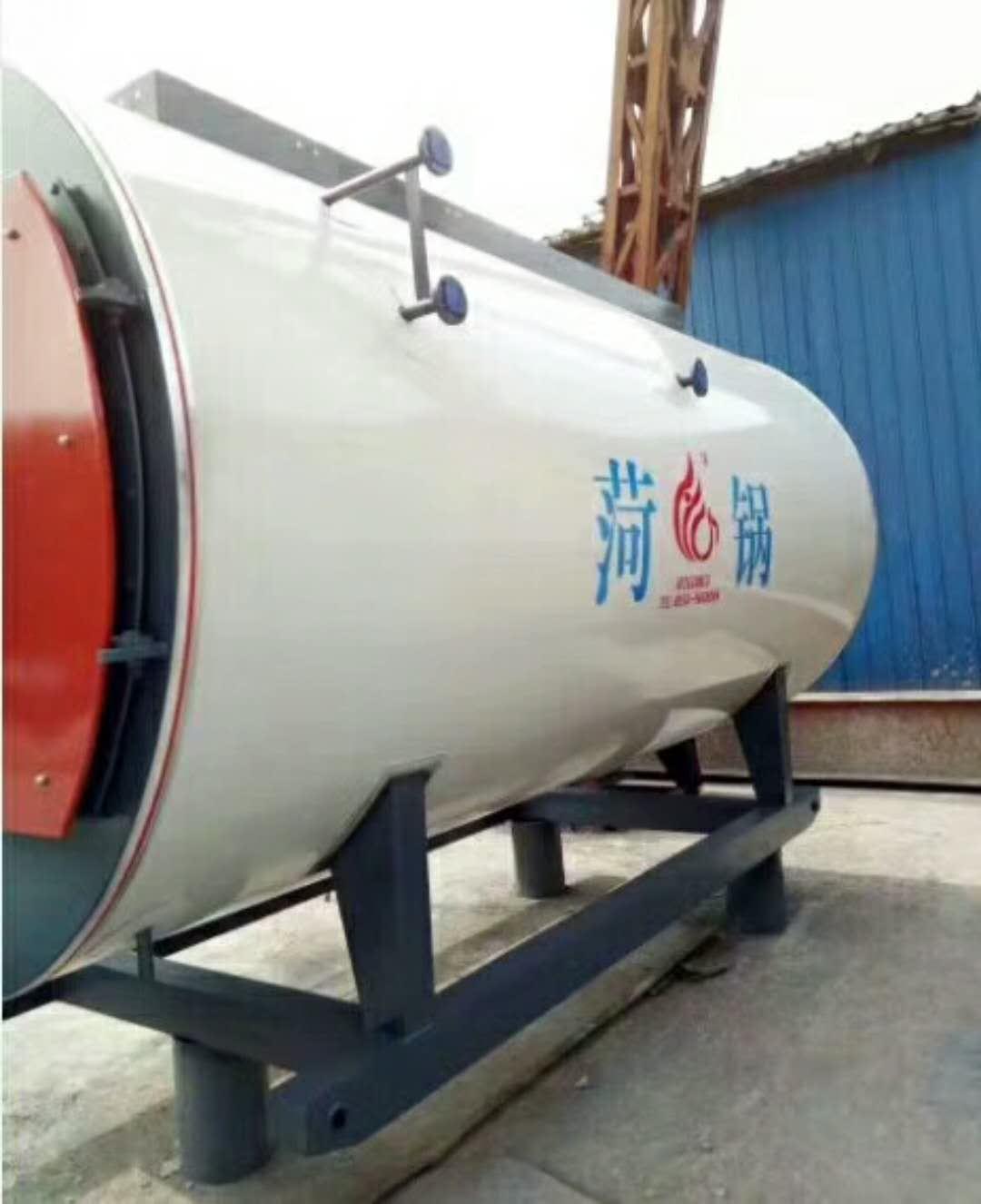

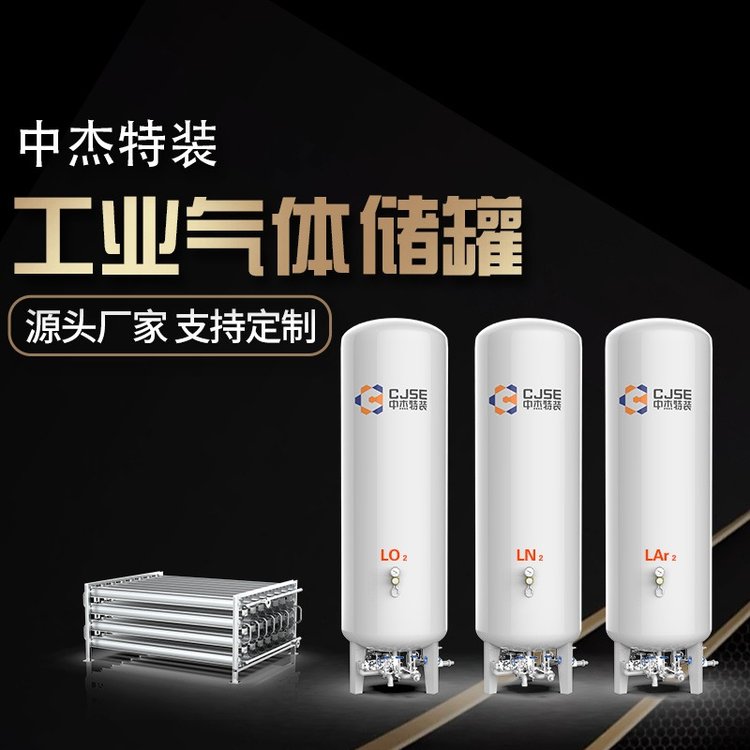
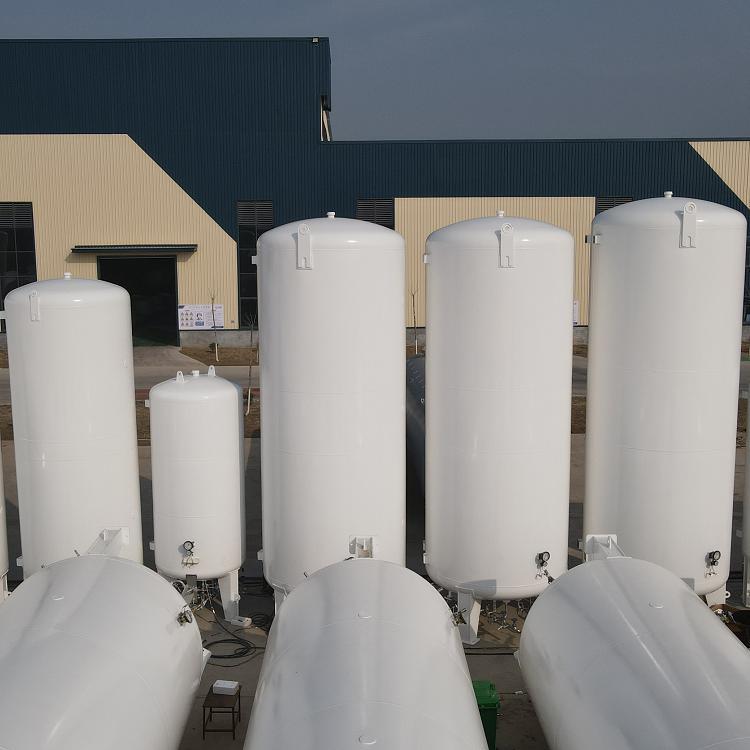


















Shandong Zhongjie Special Equipment's main products include: fuel (gas) boilers, organic heat carrier boilers, biomass boilers, waste heat recovery boilers, and other boiler products; vacuum insulation cryogenic pressure vessels such as LNG storage tanks, oxygen/nitrogen/argon storage tanks, CO2 storage tanks; pressure vessel products such as denitrification engineering equipment, heat storage and energy storage equipment, complete chemical equipment sets; central air conditioning and ventilation equipment such as ground (water) source heat pumps, air source units, water-cooled screw units, and air-cooled modular units. Planned products include large-scale energy centers, LNG transport vehicles, LNG tank containers, and other green energy equipment.
Low Temperature Carbon Dioxide Storage Tank Knowledge
1. Structure of Low Temperature Carbon Dioxide Storage Tank
The low temperature carbon dioxide storage tank typically features a double-layered cylindrical structure. The inner cylinder is made of 6MnDR alloy steel, while the outer cylinder is constructed from Q245R or Q345R pressure vessel steel plate. The piping is made of austenitic stainless steel, and the insulation space is filled with high-vacuum sintered sand or wrapped with multiple layers of insulation. The storage tank is equipped with valves for operation, which are arranged for ease of use. It also includes a pressure gauge and a level gauge for monitoring the pressure and liquid level inside the tank.
2. Key Features of Low Temperature Carbon Dioxide Storage Tank
(1) The storage tank is equipped with a liquid filling connection for tank trucks, allowing liquid supply to vaporizers, tank trucks, and pumps.
(2) Both the inner and outer cylinders of the storage tank are equipped with safety devices to ensure safe operation for users.
(3) The insulation material of the low temperature carbon dioxide storage tank has been specially treated to provide a longer vacuum life. Additionally, the tank is fitted with a vacuum gauge for measuring the insulation space vacuum when necessary.
3. Transportation of Low Temperature Carbon Dioxide Storage Tank
(1) During road transportation, the storage tank should be securely fastened to the vehicle, travel at moderate speeds, and avoid collisions with other objects.
(2) After the storage tank arrives, the unloading personnel should work together with the equipment supervisor to develop a scientific and reasonable unloading plan.
4. Installation of Low Temperature Carbon Dioxide Storage Tank
(1) Upon arrival at the installation site, the storage tank can be positioned when installation conditions are met. During the installation process, avoid impacts and hits, and pay special attention to the explosion-proof equipment of the outer cylinder and the vacuum valve; do not touch them.
(2) Perform a gas-tightness test on the inner cylinder system of the storage tank using nitrogen to the working pressure. After checking that valves, pipes, flanges, etc., are leak-free, the installation is complete.
(3) The installation dimensions of the low temperature carbon dioxide storage tank are as specified in the supply documents. When considering liquid filling and emptying using tank trucks, account for the vehicle's travel passage.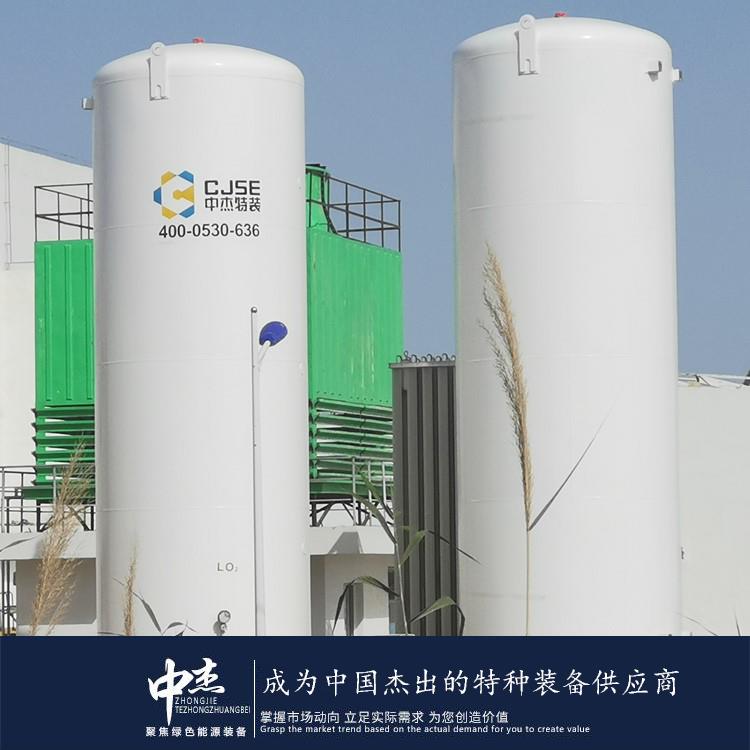
The application standards for liquid carbon dioxide storage tanks mainly include the following aspects: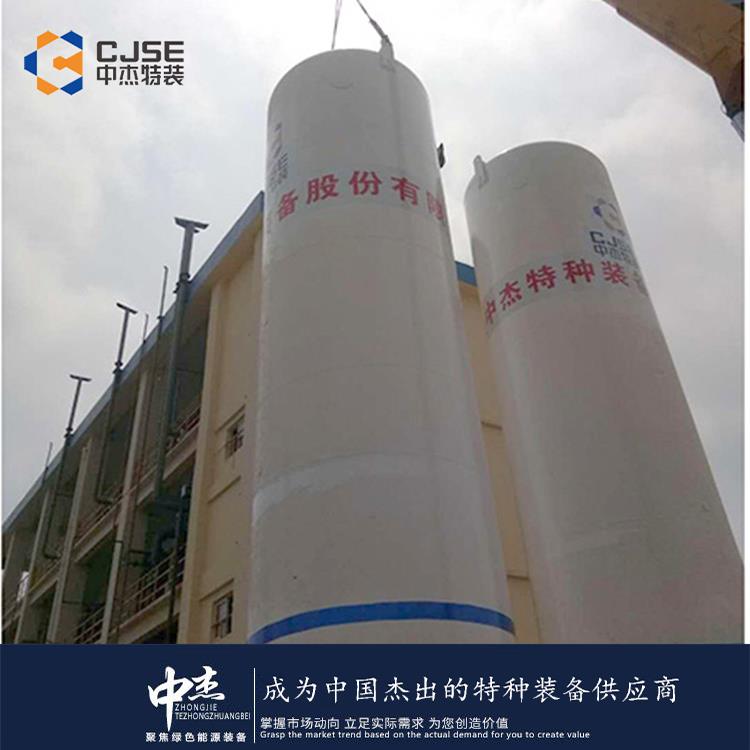
Carbon dioxide is widely used as a shielding gas in metal welding processes. The following are the main applications of carbon dioxide in welding:
Gas Metal Arc Welding (GMAW): Carbon dioxide is commonly used as the shielding gas in the GMAW welding process. In GMAW welding, the arc generates high temperatures in the welding area, which can also cause oxidation reactions with oxygen and water vapor, leading to reduced weld quality. By injecting carbon dioxide gas into the welding area, a protective atmosphere is formed, preventing oxygen and water vapor from entering, thereby improving the quality and strength of the weld.
Mixed Gas Shielding Welding (GMAW): Carbon dioxide is often mixed with other gases (such as argon) to form mixed gas shielding welding. The use of mixed gases can adjust the arc stability, melt pool formation, and weld quality during the welding process, enhancing the welding results.
Gas Shielded Brazing: Carbon dioxide can also be used in the gas shielded brazing process. During brazing, the carbon dioxide gas provides a protective atmosphere, preventing oxidation and contamination in the brazing area, ensuring the quality of the brazed joint.
Gas Shielded Cutting: Carbon dioxide can also be used in the gas shielded cutting process. In gas shielded cutting, by injecting carbon dioxide gas into the cutting area, a protective atmosphere is formed, preventing oxidation and contamination in the cutting area, improving the quality and speed of the cut.
It should be noted that the application of carbon dioxide in welding needs to be adjusted and optimized according to specific welding materials, methods, and requirements. When using carbon dioxide for welding, it is necessary to follow relevant safety operation procedures and guidelines to ensure the safety and quality of the welding process.
Carbon dioxide tanks are safe when used and maintained correctly, but they can pose some dangers if safety procedures are not followed or there are errors in operation. Below are some potential hazards associated with carbon dioxide tanks:
High-pressure danger: Carbon dioxide tanks are typically used to store high-pressure carbon dioxide gas, presenting a high-pressure risk. If the tank is damaged, overheated, or overpressurized, it may explode or leak, causing personal injury and property damage.
Asphyxiation danger: Carbon dioxide is an asphyxiating gas; high concentrations can displace oxygen in the air, leading to asphyxiation. When using carbon dioxide tanks in confined spaces, adequate ventilation and oxygen supply must be ensured to avoid asphyxiation risks.
Chilling danger: Liquid carbon dioxide is at a low temperature, and contact with it can cause cold injury. Proper operational procedures must be followed and appropriate personal protective equipment used to prevent cold injury.
Fire danger: While carbon dioxide itself is not flammable, at high concentrations it can suppress oxygen supply, potentially extinguishing fires. However, if carbon dioxide leaks into the air, it may form flammable mixtures, increasing the risk of fire.
To ensure safety, it is necessary to adhere to the relevant safety operation procedures and guidelines when using carbon dioxide tanks and to receive necessary training. Regular inspections and maintenance of the tanks, following the manufacturer's recommendations and local regulations, can reduce potential hazards. In case of abnormal situations or leaks, appropriate emergency measures should be taken immediately, and relevant personnel should be notified.
Zhong Jie Special Equipment upholds the great vision of "Realizing employee dreams, creating customer value, and striving for the prosperity and strength of our motherland," and is dedicated to the development of the green energy equipment industry. We offer products and services with high performance and value to society!
WeChat Official Account

Scan to follow Official Account



















