


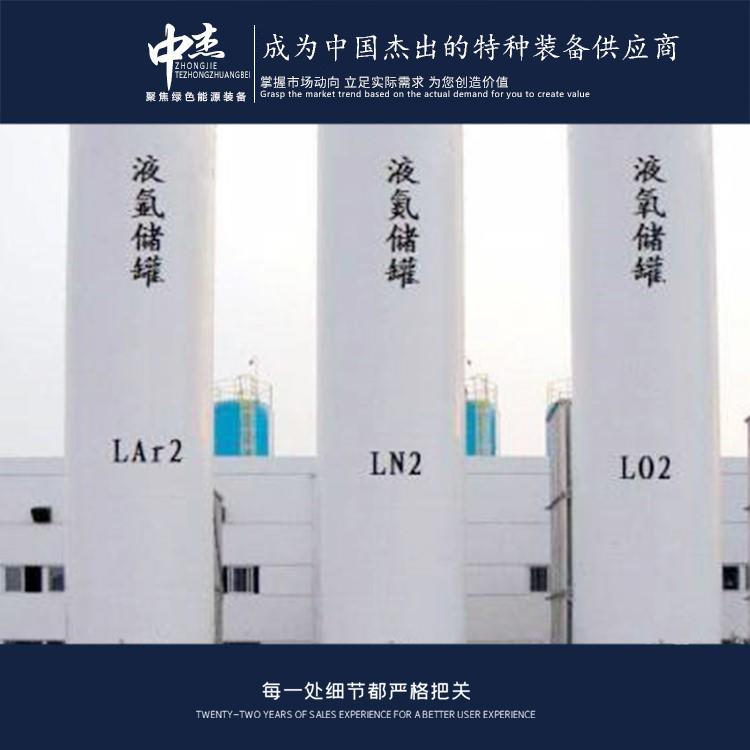

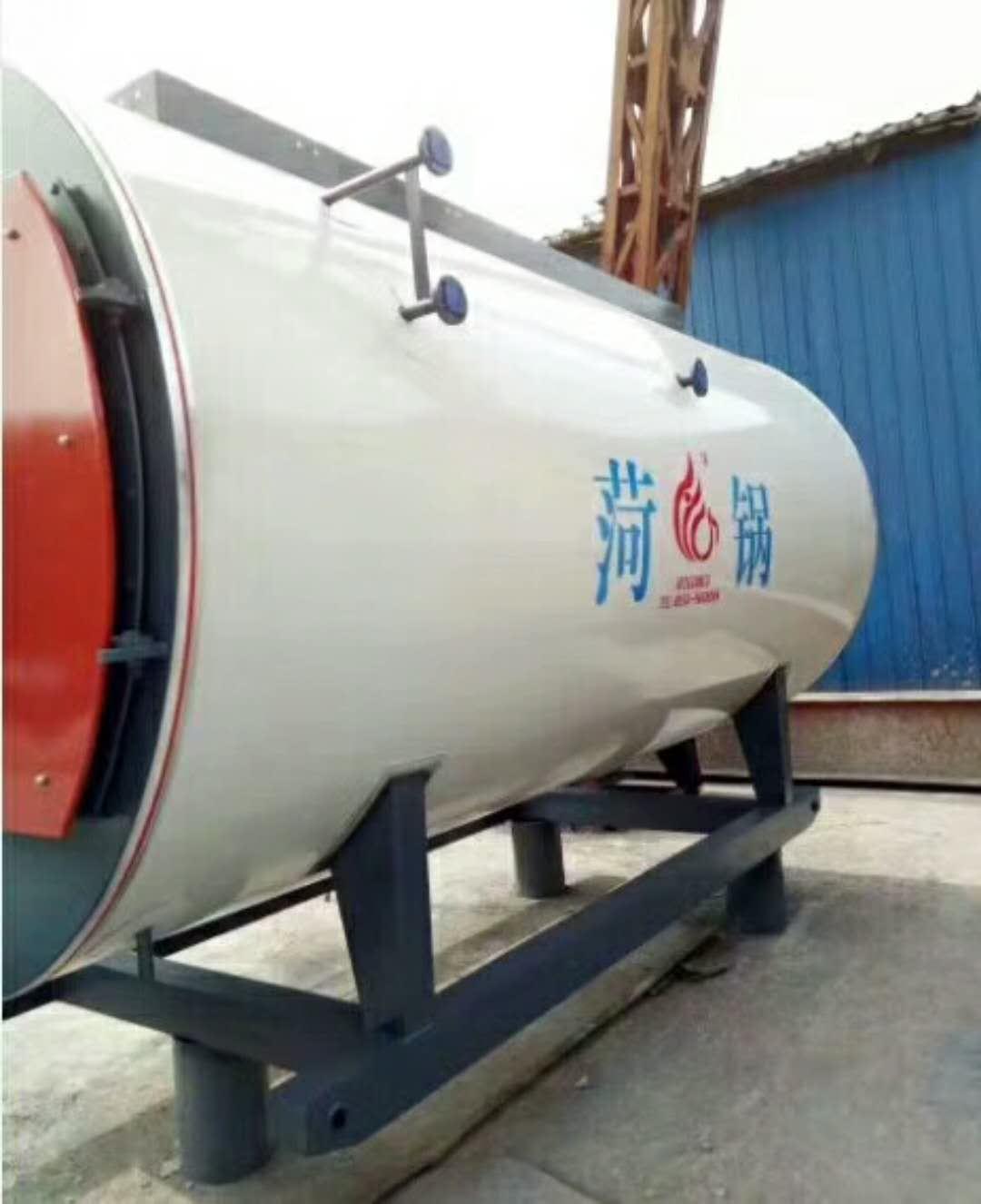
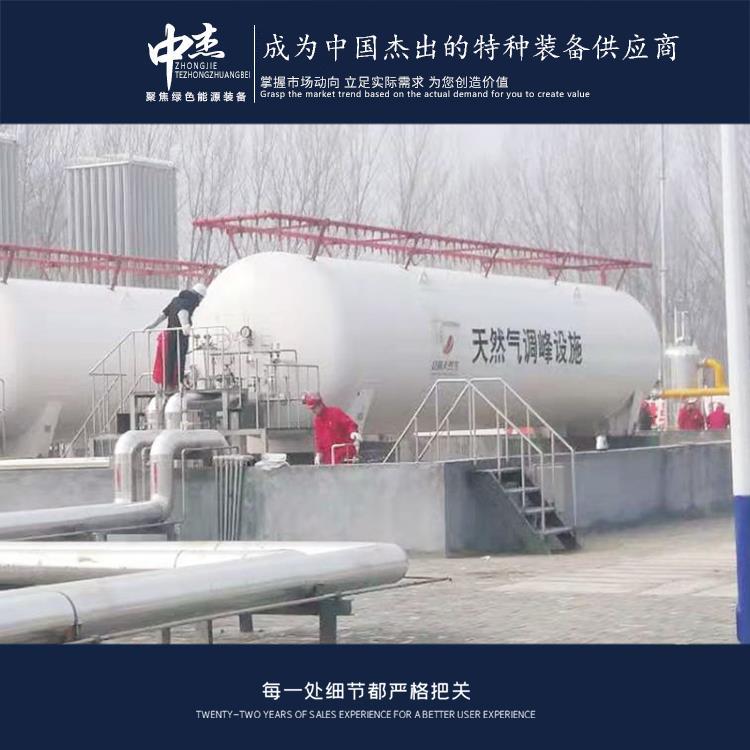


















Shandong Zhongjie Special Equipment (formerly Heze Boiler Factory Co., Ltd.) holds an A-grade boiler manufacturing license, A2-grade pressure vessel manufacturing license, A2-grade pressure vessel design license, B-grade boiler installation, and GB2/Class, GC2/Class pressure pipeline installation licenses, as well as an electromechanical installation contractor qualification. It is a member of the China Boiler and Water Treatment Association, the China Chemical Equipment Association, and a board member of the Shandong Equipment Manufacturing Association. The company has also passed ISO9001 Quality Management System, ISO14001 Environmental Management System, OHSAS18001 Occupational Health and Safety Management System certifications, and the American ASME/U2 certification.
When using carbon dioxide storage tanks, the following points should be noted:
Safety Operation: When using carbon dioxide storage tanks, it is mandatory to follow relevant safety operation procedures and standards. Operators should receive training to understand the characteristics, operational requirements, and safety measures of the tanks, and operate strictly according to the procedures.
Tank Inspection: Regularly inspect the tank's appearance, sealing, valves, and pipe connections to ensure the tank's integrity and safety. In case of abnormalities or damage, repairs or replacements should be made promptly.
Tank Pressure Control: The tank's pressure should be maintained within a safe range. Regularly check and calibrate pressure sensors and safety valves to ensure the proper functioning of the pressure control system.
Temperature Control: Carbon dioxide tanks typically need to be kept at low temperatures. Ensure the proper operation of cooling equipment, regularly check and calibrate temperature sensors to maintain appropriate storage temperatures.
Leak Protection: Carbon dioxide is a gas prone to leakage, which can lead to safety risks and environmental pollution. Ensure the sealing of tanks and pipes, regularly inspect and replace seals, and promptly address any leaks.
Fire and Explosion Prevention: Avoid open flame operations near the tank to prevent fire sources from contacting carbon dioxide. Maintain good ventilation around the tank to prevent the accumulation of carbon dioxide.
Waste Disposal: Disposed carbon dioxide storage tanks or residues should be handled in accordance with relevant regulations and standards. Adhere to environmental protection requirements to ensure the safe disposal of waste and environmental protection.
Regular Maintenance: Regularly perform maintenance and inspections on the tanks, including cleaning and coating.
Carbon dioxide recovery is a technology designed to capture carbon dioxide from industrial emission sources or the atmosphere and store or utilize it to reduce carbon dioxide emissions. Here are some common carbon dioxide recovery techniques:
1. Coal-fired Power Plant Carbon Dioxide Recovery: In coal-fired power plants, the carbon dioxide produced by burning coal can be captured and recovered. Common methods include carbon capture technology, which separates carbon dioxide from flue gas for storage or use.
2. Industrial Emission Source Carbon Dioxide Recovery: Many industrial processes produce carbon dioxide that can be treated through capture and recovery techniques. For instance, carbon dioxide from production processes in industries like steel, cement, and chemicals can be recovered to reduce emissions.
3. Atmospheric Carbon Dioxide Capture: Carbon dioxide in the atmosphere can also be recovered using direct air capture technology. This technique employs adsorbents or chemical reactions to capture and separate carbon dioxide from the atmosphere, then store or utilize it.
4. Carbon Dioxide Utilization: Captured carbon dioxide can be used to produce valuable chemicals and fuels. For example, through carbon dioxide catalytic conversion technology, carbon dioxide can be converted into fuels like ethanol or chemical raw materials.
The development of carbon dioxide recovery technologies aims to reduce greenhouse gas emissions and mitigate climate change. However, these technologies are still in continuous development and research, requiring further technological breakthroughs and practical verification for large-scale application.
In the event of a CO2 storage tank leak, the following immediate measures should be taken:
1. Ensure Personnel Safety: First, evacuate personnel from the leak area quickly and move them away from potential hazards. Use appropriate personal protective equipment, such as respirators and protective suits, if necessary.
2. Cut Off Gas Supply: As soon as possible, shut off the CO2 supply source to stop further leakage. Close the relevant valves or switches, or disconnect the tank connection.
3. Prevent Ignition Sources: Ensure there are no open flames or other heat sources that could cause a fire in the leak area. If there's a fire risk, take immediate appropriate fire extinguishing measures.
4. Ventilation: Activate ventilation equipment to increase air flow, which aids in diluting and removing leaked CO2 gas. Ensure that the ventilation equipment is functioning properly and that the ventilation system does not introduce CO2 to other areas.
5. Seal the Leak Point: If possible, attempt to seal the leak point using suitable materials or methods to reduce or stop the leakage. This may require assistance from personnel.
6. Notify Relevant Departments: Immediately inform emergency departments, environmental protection departments, or related agencies of the leak situation and follow their instructions.
Please note that handling a CO2 storage tank leak is a dangerous task and should be performed by trained and experienced personnel. Always adhere to relevant safety operating procedures and guidelines during the process.
According to China's "Regulations for Safety Supervision of Pressure Vessel Technologies," carbon dioxide storage tanks are classified as Category II pressure vessels. The regulations categorize pressure vessels as follows:
- Category I pressure vessels: Those with working pressures of 10 MPa (Megapascals) or more, such as steam boilers and pressure vessels.
- Category II pressure vessels: Those with working pressures between 0.1 MPa and 10 MPa, such as air compressors and liquefied gas storage tanks.
- Category III pressure vessels: Those with working pressures between 0.05 MPa and 0.1 MPa, such as storage tanks.
- Category IV pressure vessels: Those with working pressures below 0.05 MPa, such as gas cylinders.
Based on this classification, carbon dioxide storage tanks typically have working pressures above 0.1 MPa, thus falling under Category II pressure vessels. It should be noted that specific classification criteria may vary depending on different regions' regulations and standards. When using and managing carbon dioxide storage tanks, it is essential to comply with the corresponding regulatory and standard requirements.
Our company attaches great importance to technological innovation and R&D design. We have one municipal-level enterprise technology center in Heze City, equipped with non-destructive testing, physical and chemical testing, welding testing, hydrostatic testing, and other testing facilities. We have over 600 types of equipment, including CNC machine tools, X-ray flaw detectors, digital ultrasonic flaw detectors, mechanical property testing machines, chemical analyzers, spectrometers, tensile testing machines, plasma welding machines, and more. The key products we have developed, such as temperature and pressure vessel welding, biomass boiler emission reduction, and waste heat utilization, have successively been selected for multiple Shandong Provincial Department of Industry and Information Technology science and technology innovation projects, Shandong Provincial key projects, and Heze City innovation and excellence projects. We have accumulated 27 authorized utility models, 16 authorized inventions, participated in drafting 2 standards, 2 industry standards, and registered 15 trademarks. Our technical team, in collaboration with Professor Yajiang Li of Shandong University, has developed deep cryogenic container processing technology using the international plasma arc + filler wire tungsten inert gas arc welding (PAW-GTAW) technology. This technology has been appraised as reaching international standards in the field of deep cryogenic container manufacturing at the provincial level. Choose Zhongjie Special Equipment, and let's create brilliance together!
WeChat Official Account

Scan to follow Official Account



















