


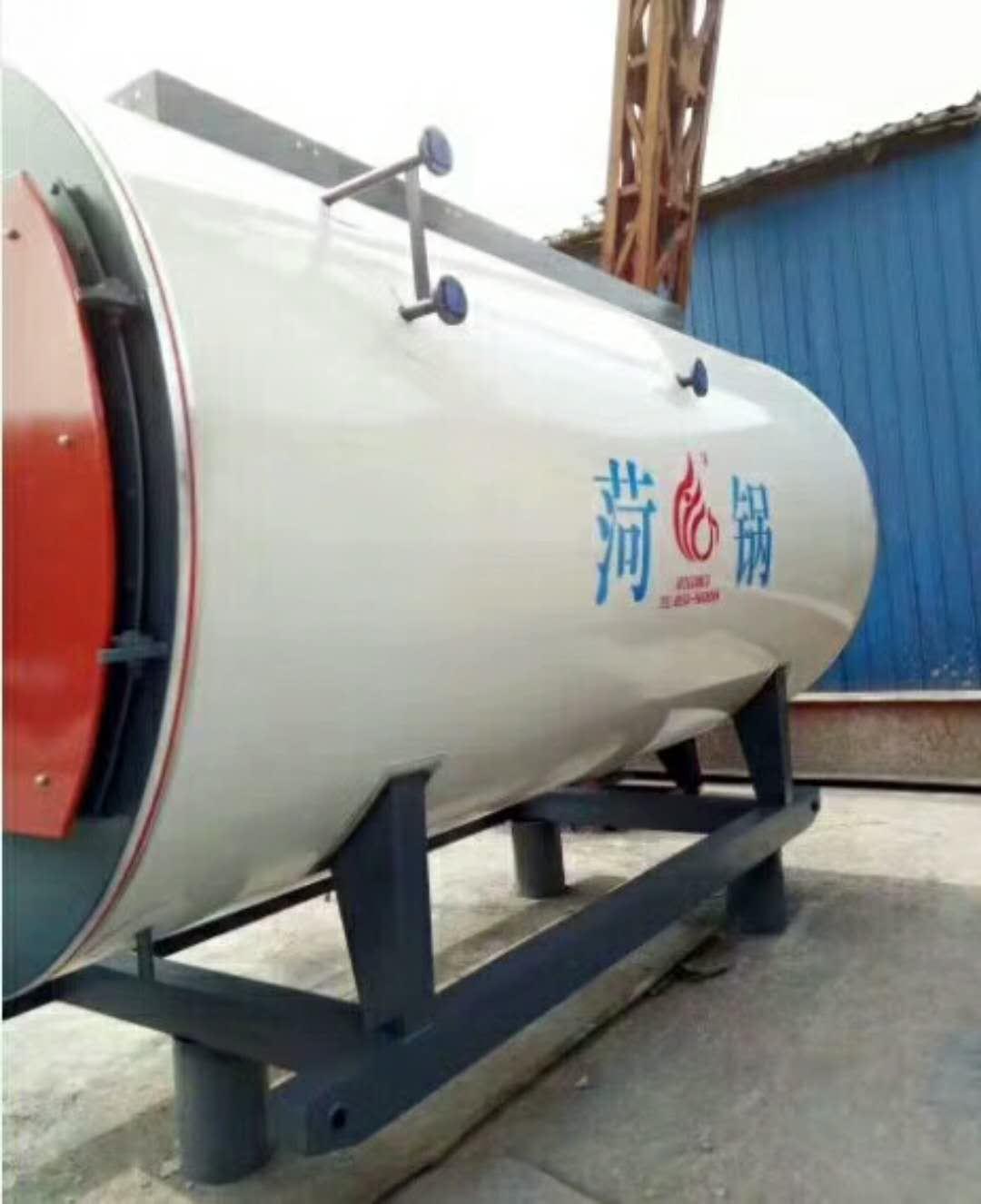

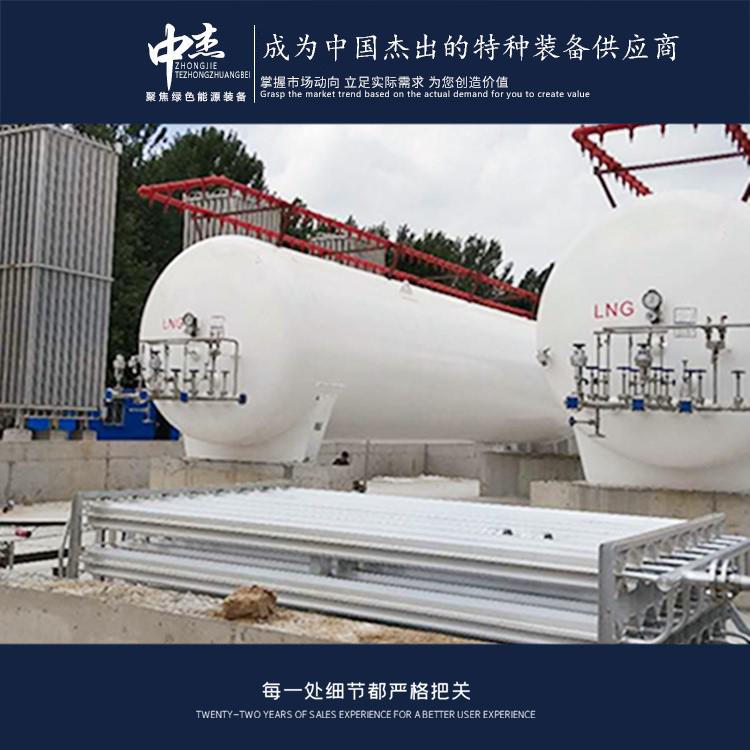
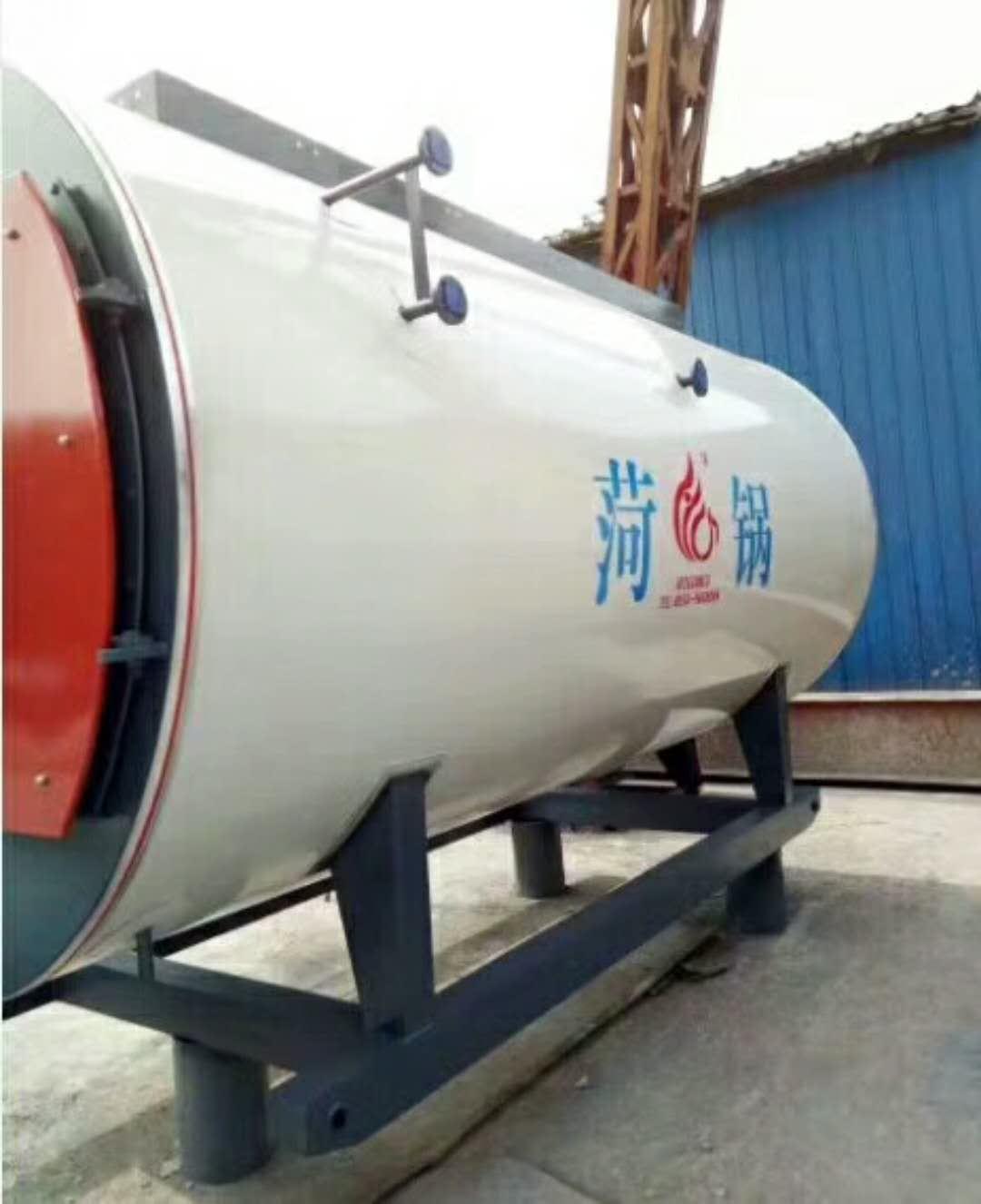


















Shandong Zhongjie Special Equipment Co., Ltd. specializes in the following products: fuel (gas) boilers, organic heat carrier boilers, biomass boilers, waste heat recovery boilers, and other boiler products; vacuum insulation cryogenic pressure vessels such as LNG tanks, oxygen/nitrogen/argon tanks, and CO2 tanks; pressure vessel products including denitrification engineering equipment, heat storage and energy storage equipment, and complete chemical equipment; central air conditioning and ventilation equipment such as ground (water) source heat pumps, air source units, water-cooled screw units, and air-cooled modular units. Planned products include large-scale energy centers, LNG transport vehicles, LNG tank containers, and other green energy equipment.
Carbon dioxide recovery is a technology designed to capture carbon dioxide from industrial emission sources or the atmosphere and store or utilize it to reduce carbon dioxide emissions. Here are some common carbon dioxide recovery techniques: Coal-fired power plant carbon dioxide recovery: In coal-fired power plants, the carbon dioxide produced by burning coal can be captured and recovered. Common methods include carbon capture technology, which separates carbon dioxide from flue gas for storage or utilization. Industrial emission source carbon dioxide recovery: Many industrial processes produce carbon dioxide that can be treated with capture and recovery techniques. For example, carbon dioxide produced during the production processes in industries such as steel, cement, and chemicals can be recovered to reduce emissions. Atmospheric carbon dioxide capture: Carbon dioxide in the atmosphere can also be recovered using direct air capture technology. This technology uses adsorbents or chemical reactions to capture and separate carbon dioxide from the atmosphere, then store or utilize it. Carbon dioxide utilization: Captured carbon dioxide can be used to produce valuable chemicals and fuels. For instance, through carbon dioxide catalytic conversion technology, carbon dioxide can be converted into fuels like ethanol or other chemical raw materials. The development of carbon dioxide recovery technology aims to reduce greenhouse gas emissions and alleviate climate change. However, these technologies are still in continuous development and research, requiring further technical breakthroughs and practical validation for large-scale application.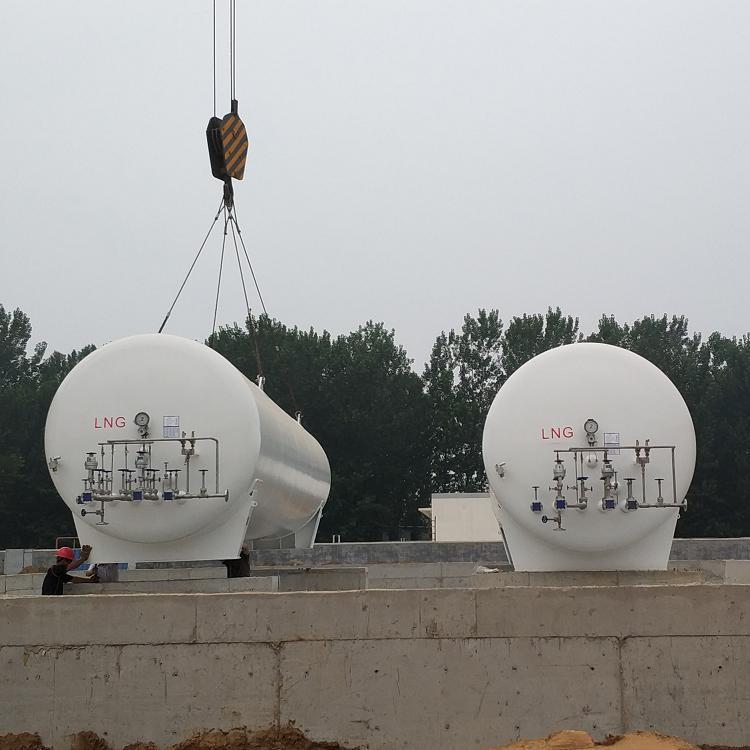
Detailed parameters of CO2 storage tanks may vary depending on specific design and usage requirements. Here are some common parameters of CO2 storage tanks:
- Capacity: The capacity of CO2 storage tanks can differ based on demand, with common ranges extending from a few thousand to several tens of thousands of liters.
- Pressure: The design working pressure of CO2 storage tanks typically falls between 15-25 MPa (MPa), with the specific pressure depending on the application scenario and requirements.
- Material: CO2 storage tanks are usually made of high-strength materials such as carbon steel or stainless steel. The choice of material depends on the storage environment and requirements.
- Dimensions: The physical dimensions of CO2 storage tanks also vary based on capacity and design. Common shapes include cylindrical, spherical, or cuboidal.
- Level Control: CO2 storage tanks usually come equipped with level control systems for monitoring and controlling the liquid CO2 level. These systems typically include level sensors and control valves.
- Pressure Control: Internal pressure control systems are commonly installed in CO2 storage tanks to monitor and control the gas pressure within. These systems usually include pressure sensors and safety valves.
It is important to note that specific parameters of CO2 storage tanks may vary among manufacturers, application scenarios, and standards. When selecting and using CO2 storage tanks, it is essential to follow relevant safety operation procedures and guidelines, and consult experts to obtain accurate parameter information.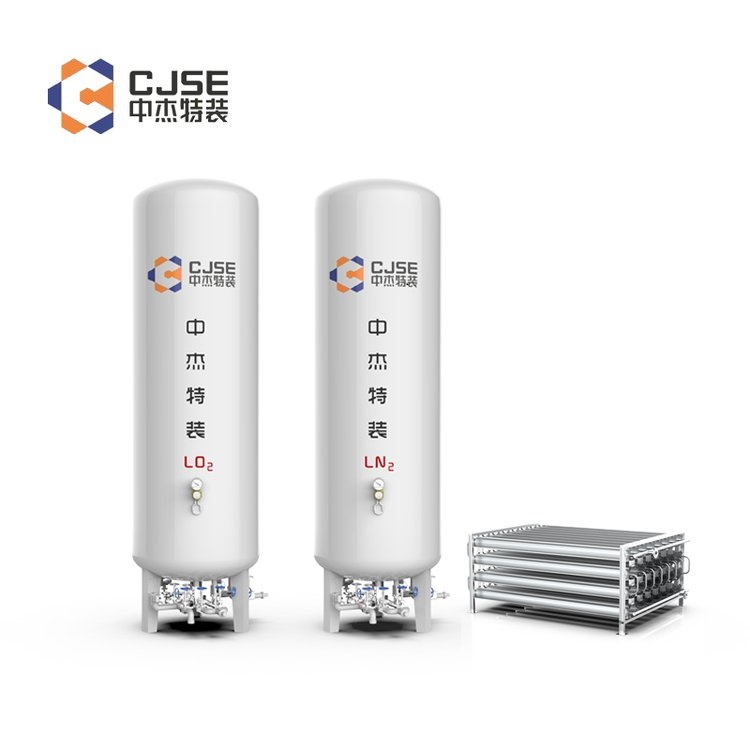
二氧化碳储罐在使用过程中可能会遇到一些常见问题,需要进行维修和处理。以下是一些常见的问题和相应的维修方法: 泄漏问题:储罐可能出现泄漏,导致二氧化碳的损失和安全隐患。维修方法包括检查和更换密封件、修复或更换泄漏的管道和阀门等。 腐蚀问题:储罐的外壁和内壁可能会受到腐蚀,影响储罐的结构和安全性。维修方法包括清洗和修复腐蚀部位,涂覆防腐涂层,或者更换受损的部件。 压力问题:储罐的压力可能出现异常,过高或过低,影响储罐的正常运行。维修方法包括检查和调整压力控制系统,修复或更换压力传感器、安全阀等。 温度问题:储罐的温度可能出现异常,过高或过低,影响二氧化碳的储存和使用。维修方法包括检查和调整温度控制系统,修复或更换温度传感器、冷却设备等。 控制系统问题:储罐的控制系统可能出现故障,导致无常控制和监测储罐的运行状态。维修方法包括检查和修复控制系统的电气元件、传感器、仪表等。 需要注意的是,对于二氧化碳储罐的维修和处理,应由的技术人员进行操作,并遵循相关的安全操作规程和标准。在维修过程中,应确保储罐的安全性和稳定性,以及维修过程的安全性。好咨询工程师或储罐制造商的建议和指导。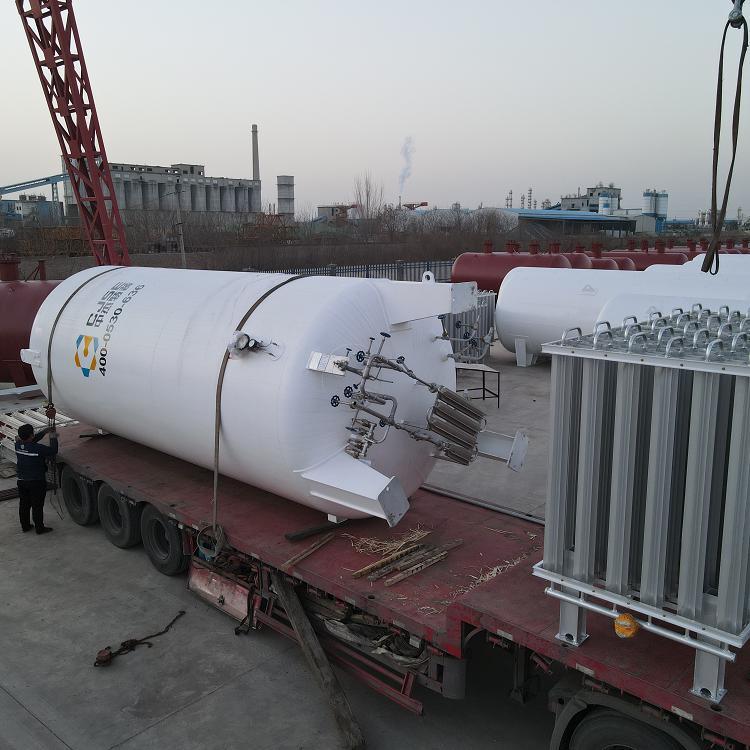
Carbon dioxide storage tank standard parameters may vary depending on different design and application requirements. Here are some common standard parameters:
- Tank Capacity: The capacity of carbon dioxide storage tanks is typically expressed in kiloliters (L) or cubic meters (m). Common capacity ranges vary from a few thousand to tens of thousands of liters.
- Working Pressure: The working pressure of carbon dioxide storage tanks is usually around 20 to 25 MPa (megapascals) at room temperature, with the specific pressure determined by application needs and design standards.
- Design Temperature: The design temperature of carbon dioxide storage tanks is generally in the low-temperature range, typically between -40°C to -60°C, to accommodate the liquefaction and storage requirements of carbon dioxide.
- Material: Carbon dioxide storage tanks are usually made of high-strength steel or alloy materials to withstand stress and loads under high pressure and low-temperature environments.
- Insulation Layer: The interior of the tank is equipped with an insulation layer to reduce heat transfer and liquid evaporation. The insulation layer is typically a multi-layer structure, including thermal insulation materials and an external protective layer.
- Safety Valve and Pressure Relief Device: Tanks are equipped with safety valves and pressure relief devices to control internal tank pressure and prevent overpressure and explosions.
- Level Monitoring and Control: The tank is equipped with level monitoring devices to monitor the liquid level inside the tank. Timely monitoring and control of the level ensure that the liquid storage volume within the tank remains within a safe range.
Note that specific standard parameters for carbon dioxide storage tanks may vary due to different design standards, application requirements, and manufacturers. When selecting and using carbon dioxide storage tanks, it is important to consider these factors.
Our company attaches great importance to technological innovation and R&D design, boasting 1 city-level enterprise technology center in Heze City. We have established testing facilities for non-destructive testing, physical and chemical testing, welding testing, hydrostatic testing, and more. Equipped with over 600 types of equipment including CNC machine tools, X-ray flaw detectors, digital ultrasonic flaw detectors, mechanical property testing machines, chemical analyzers, spectrometers, tensile testing machines, plasma welding machines, and others, our R&D of key products such as temperature and pressure vessel welding, biomass boiler emissions reduction, and waste heat utilization has been selected for multiple Shandong Provincial Department of Industry and Information Technology scientific and technological innovation projects, key provincial projects, and Heze City innovation and excellence projects. We have accumulated 27 authorized utility model patents, 16 authorized invention patents, participated in drafting 2 standards, 2 industrial standards, and registered 15 trademarks. The technical team, in collaboration with Professor Li Yajiang of Shandong University, has developed deep cryogenic container processing technology using the internationally recognized plasma arc + filler wire argon arc welding (PAW-GTAW) technology, which has been appraised as internationally competitive at the provincial level for scientific and technological achievements in the field of deep cryogenic container manufacturing. Choose ZJ Special Equipment, and let's create brilliance together!
WeChat Official Account

Scan to follow Official Account



















