


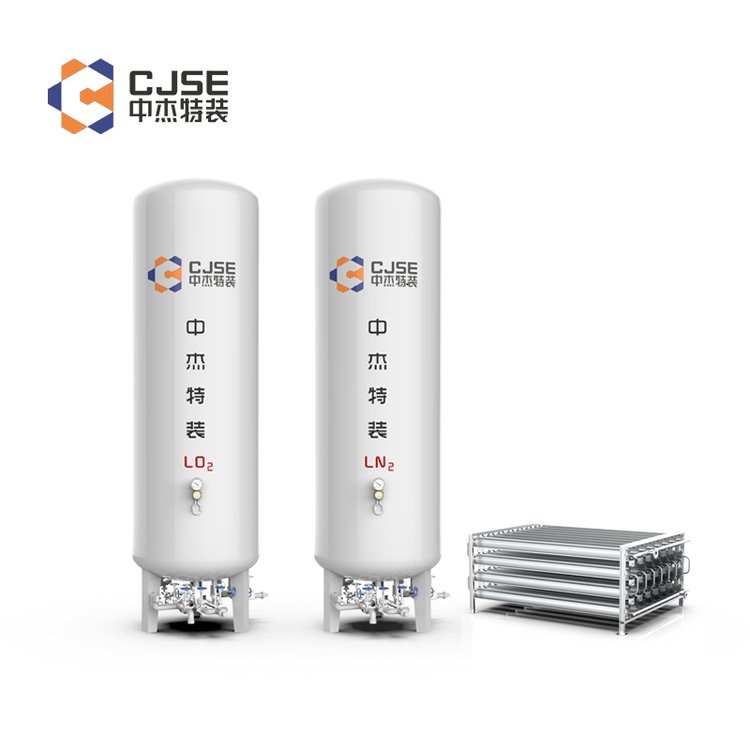

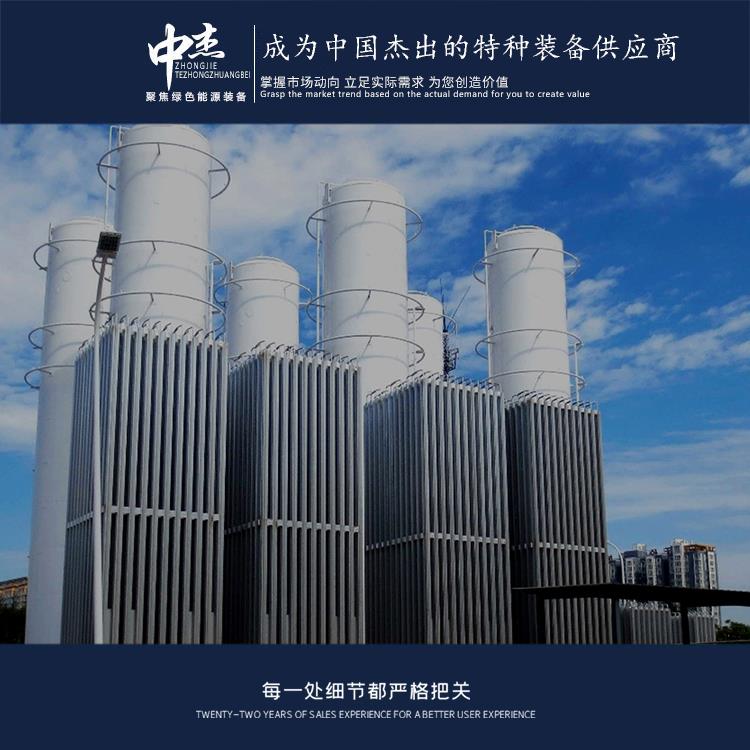


















Shandong Zhongjie Special Equipment (formerly Heze Boiler Factory Co., Ltd.) was established in 2001, located at No. 2218 Jinnan Road, Development Zone, Heze City, with a registered capital of 50 million yuan and total assets of 500 million yuan. The company has 7 business centers: boilers, deep-freeze containers, pressure vessels, central air conditioning, engineering installation, international trade, and Internet of Things. It has three factory sites on Jinnan Road, East Changjiang Road, and Bohai Road, covering a total of 200,000 square meters. The main workshop spans 83,000 square meters. It currently employs 710 people, including 247 engineering and technical staff and 82 intermediate-level technical personnel. In December 2016, it was recognized as a "High-tech Enterprise" by the Science and Technology Department. In June 2021, it was identified as a "Specialized and New Enterprise in Shandong Province" by the Ministry of Industry and Information Technology. In June 2022, it was recognized as a "Gazelle Enterprise in Shandong Province" and in August 2022, as a "Specialized and New Small Giant Enterprise" by the Ministry of Industry and Information Technology.
In recent years, the expansion of low-temperature liquid storage tanks has reached its peak due to the following reasons:
1. Increasing energy demand: As the economy grows and the population expands, there is a rising need for energy. Low-temperature liquid storage tanks are primarily used for storing liquid gases (LNG), liquid oxygen (LOX), liquid nitrogen (LIN), and other low-temperature liquid energy sources to meet the growing energy demand.
2. Greenhouse gas emissions reduction: These tanks can store and transport liquid carbon dioxide (CO2) for carbon capture and storage (CCS) technology, reducing greenhouse gas emissions. With the increasing focus on environmental protection and climate change, the demand for low-temperature liquid storage tanks in the CCS field has also risen.
3. Industrial development needs: The application of low-temperature liquid storage tanks in the industrial sector is also growing. For instance, in industries such as chemicals, pharmaceuticals, food and beverages, there is a need to store and transport low-temperature liquid raw materials or products, like liquid nitrogen, liquid oxygen, and liquid ethylene. As these industries develop, so does the demand for low-temperature liquid storage tanks.
4. Technological advancement and innovation: In recent years, there have been continuous advancements and innovations in the design, manufacturing, and transportation of low-temperature liquid storage tanks. The application of new materials, optimization of tank structures, and improvements in safety control systems have made these tanks safer and more reliable, further propelling their expansion to a peak.
In summary, factors such as increasing energy demand, greenhouse gas emissions reduction, industrial development needs, and technological advancement and innovation have collectively driven the expansion of low-temperature liquid storage tanks to a peak in recent years. As related industries develop and technology advances, further growth is expected.
For the maintenance and repair of carbon dioxide storage tanks, here are some recommended methods:
Regular inspections: Regularly inspect the exterior and interior conditions of the tank, including checking for corrosion, cracks, and leaks. Non-destructive testing methods, such as ultrasonic testing, can be used to assess the tank's integrity.
Cleaning and corrosion protection: Regularly clean the exterior surface of the tank to remove dirt and debris. For tanks coated with corrosion-resistant paint, regularly inspect the coating's condition and perform repairs or recoating to protect the tank from corrosion.
Leak detection: Conduct regular leak detection to ensure there are no leakage issues. Gas detectors or leak detectors can be used for detection, or a pressure test can be performed to evaluate the tank's sealing performance.
Safety valve check: Regularly inspect and test the operation of the safety valves to ensure they function normally under overpressure conditions. Adjust and test according to the specifications and requirements of the safety valves.
Piping and valve maintenance: Regularly inspect and maintain the pipes and valves connected to the tank to ensure proper operation and sealing performance. Clean and lubricate valves, check for leaks at pipe connections.
Record and documentation: Record the dates, contents, and results of maintenance and repairs, establishing maintenance records for the tank. Keep related documents and reports for future reference and review.
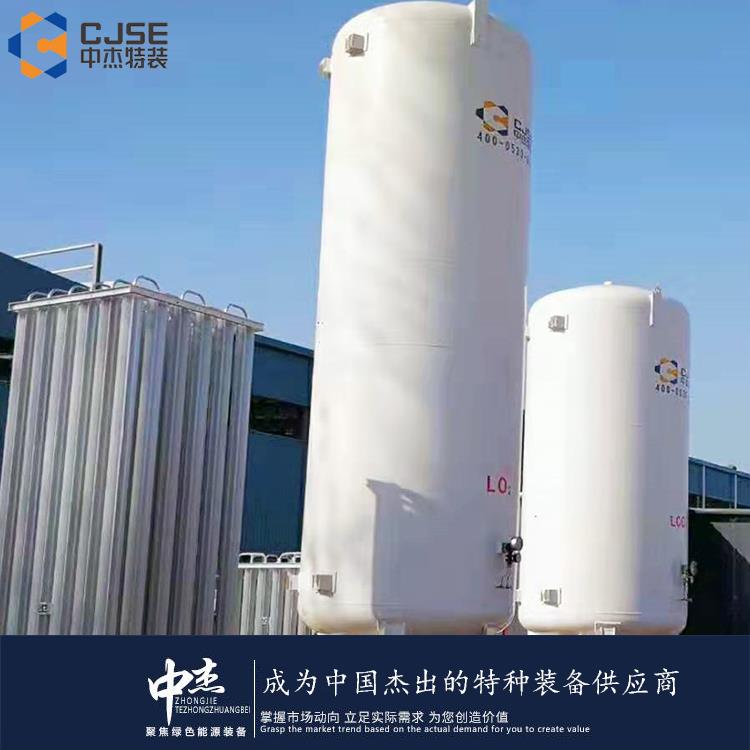
Please note that for the maintenance and repair of carbon dioxide storage tanks, it is recommended to follow relevant safety operating procedures and standards. If you do not possess the relevant knowledge and experience, it is advisable to consult personnel or manufacturers for maintenance and repair work.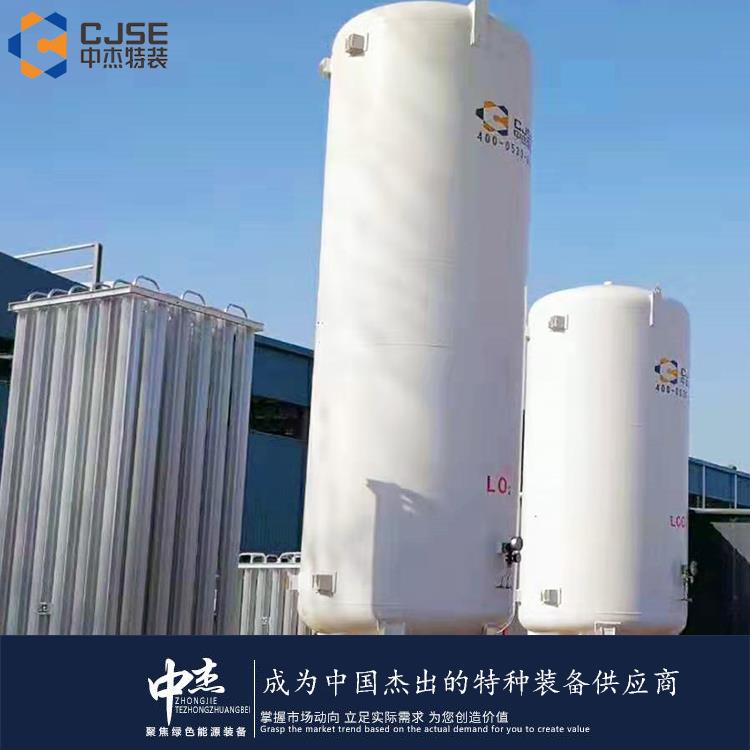
There are several types of carbon dioxide storage tanks:
- Atmospheric Pressure Tanks: These are containers designed for storing carbon dioxide at pressures close to atmospheric pressure. They are suitable for low-pressure applications such as the beverage industry and gas fire suppression systems.
- High-Pressure Tanks: High-pressure tanks are designed for storing carbon dioxide at pressures above atmospheric pressure. They are commonly used in industrial applications like chemical processing and refrigeration.
- Liquid Storage Tanks: Liquid storage tanks are used to store liquid carbon dioxide at temperatures below room temperature. They are typically employed in scenarios requiring large amounts of liquid carbon dioxide, such as food freezing and pharmaceutical manufacturing.
- Vapor Storage Tanks: Vapor storage tanks are for storing gaseous carbon dioxide, with temperatures and pressures suitable for vaporization. They are usually used when liquid carbon dioxide needs to be vaporized for supply, such as in beverage carbonation and welding.
- Insulated Tanks: Insulated tanks have excellent thermal insulation properties to minimize heat transfer and liquid evaporation. They are commonly used for long-term storage of liquid carbon dioxide, such as in scientific research and refrigeration.
It is essential to select the appropriate type of carbon dioxide storage tank based on specific application needs and scenarios, and to operate and manage them in accordance with relevant regulations and standards.
If a leak in the CO2 storage tank is detected, the following steps should be taken promptly:
Confirm the leak location: First, determine the exact location of the leak, which can be done through hearing, observation, or using gas detection equipment.
Emergency response: If a leak is found, immediate emergency measures must be taken to ensure personnel safety. Evacuate personnel to a safe area and notify relevant individuals and emergency agencies.
Cut off the gas supply: As soon as possible, shut off the CO2 supply source by closing valves or disconnecting power to stop the flow of CO2.
Locate the leak: In a safe environment, use gas detection equipment or visual inspection to find the leak. Apply soap solution or other leak detection agents to potential leak areas and observe for bubbles.
Seal the leaks: Once the leak location is identified, temporary sealing measures can be taken, such as using tape, sealant, or other reliable sealing materials for temporary repair. Ensure that the sealing measures are secure and can effectively prevent gas leakage.
Repair and maintenance: In a safe environment, further repair and maintenance work can be carried out. Depending on the specifics of the leak, it may be necessary to replace gaskets, repair or replace valves, etc. Repair and maintenance work should be performed by qualified personnel.
Inspection and testing: After repairs and maintenance, leakage detection and testing should be conducted to ensure that the leaks have been fully repaired and the tank's safety performance has returned to normal.
It is important to note that handling CO2 tank leak issues requires careful operation and adherence to relevant safety regulations and procedures. If lacking the necessary knowledge and skills, it is essential to contact professionals for assistance.
Zhongjie Special Equipment adheres to the grand vision of "realizing employees' dreams, creating value for customers, and striving for the prosperity and strength of our motherland," focusing solely on the development of green energy equipment. We dedicate high-value products and services to society!
WeChat Official Account

Scan to follow Official Account



















