


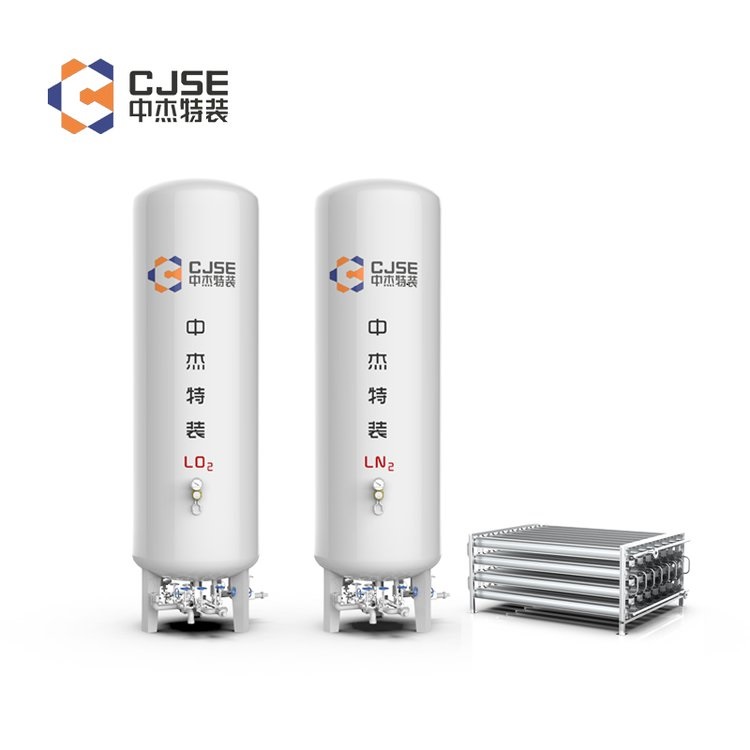

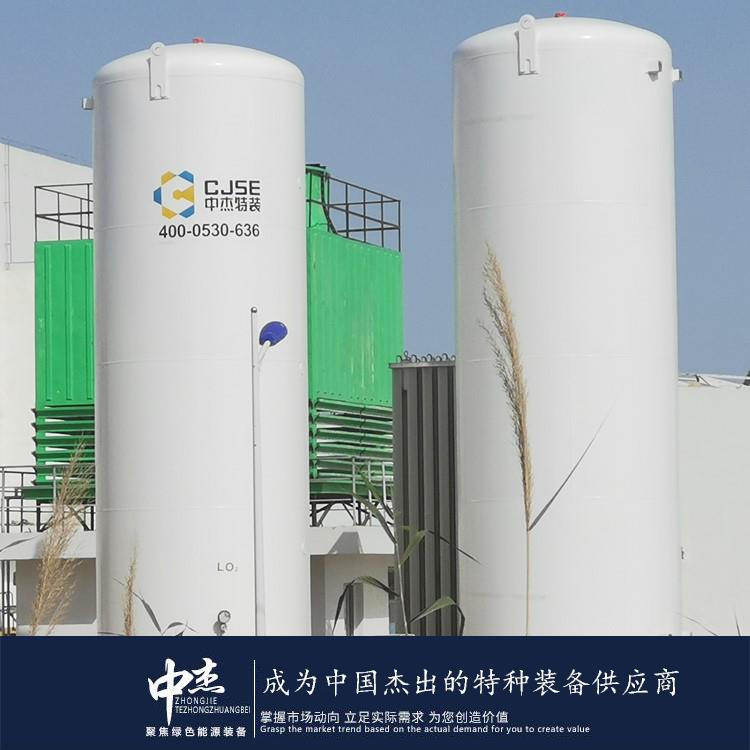
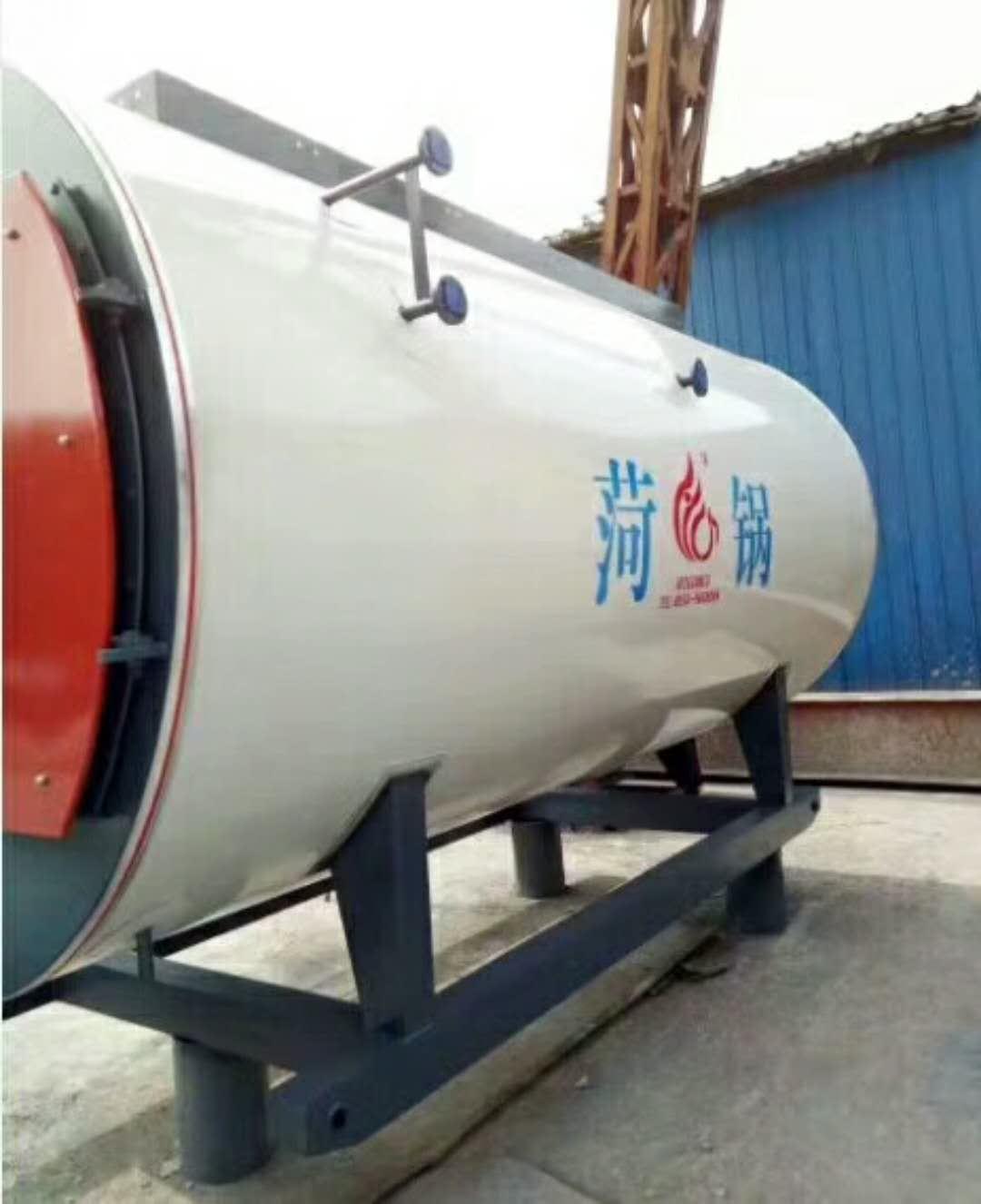


















Shandong Zhongjie Special Equipment (formerly Heze Boiler Factory Co., Ltd.) was established in 2001, located at No. 2218 Jinnan Road, Development Zone, Heze City. With a registered capital of 50 million yuan and total assets of 500 million yuan, the company has 7 business centers: boilers, deep-freezing vessels, pressure vessels, central air conditioning, engineering installation, international trade, and the Internet of Things. It has three manufacturing sites on Jinnan Road, East Changjiang Road, and Bohai Road, covering a total area of 200,000 square meters, with the main workshop spanning 83,000 square meters. It currently employs 710 people, including 247 engineers and technicians and 82 intermediate-level technicians. In December 2016, it was recognized as a "High-tech Enterprise" by the Science and Technology Department. In June 2021, it was identified as a "Specialized and New Enterprise of Shandong Province" by the Industry and Information Technology Department. In June 2022, it was recognized as a "Gazelle Enterprise of Shandong Province" and in August 2022, it was identified as a "Specialized and New Small Giant Enterprise" by the Ministry of Industry and Information Technology.
The low-temperature storage tank boasts several advantages:
Storage: Low-temperature storage tanks can keep liquid low-temperature substances (such as liquid nitrogen, liquid oxygen, etc.) at low temperatures, maintaining their liquid state. Compared to gas storage, liquid storage significantly increases storage density and saves storage space.
Long-Term Storage: Low-temperature storage tanks are suitable for long-term storage of cryogenic materials, extending their service life. By controlling the tank's internal temperature and the performance of the insulation layer, the evaporation and oxidation of the liquid material can be slowed down, maintaining its stability and purity.
Safety: Low-temperature storage tanks feature excellent safety performance. These tanks are made with special materials and structural design, capable of withstanding low temperatures and high pressures. Additionally, they are equipped with safety devices such as pressure relief valves and level alarms to ensure safe operation and use.
Versatile Applications: Low-temperature storage tanks are widely used across multiple fields. They can be used for storing liquid oxygen and providing oxygen supply; in industrial sectors, they are suitable for storing liquefied natural gas (LNG) and liquid nitrogen, among other process gases; in scientific research, they can store low-temperature experimental samples.
Environmental Protection and Energy Saving: Low-temperature storage tanks can effectively store and utilize low-temperature substances, reducing energy waste and environmental pollution. During the storage and transportation of liquid materials, energy loss is minimized, improving energy utilization efficiency.
In summary, low-temperature storage tanks offer advantages such as storage, long-term storage, safety, multi-industry applications, and environmental protection and energy conservation. This makes them a crucial equipment for storing and supplying low-temperature materials, playing a significant role across various fields.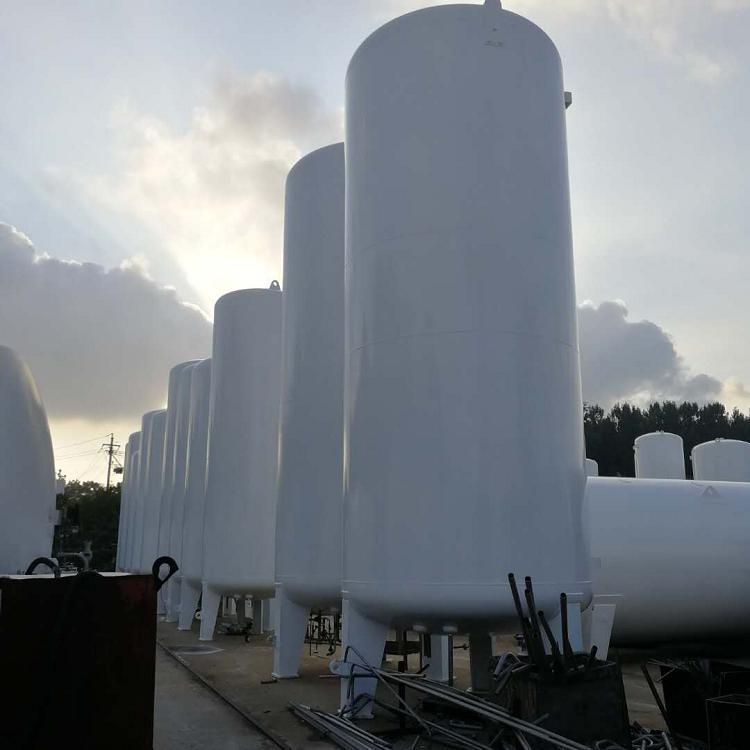
Low-temperature liquid oxygen storage tanks typically require certain safety accessories to ensure safe operation and to address potential risks. The following are some common safety accessories for low-temperature liquid oxygen storage tanks:
Pressure Sensor: Used to monitor pressure changes within storage tanks. In the event of pressure exceeding the set range, it triggers alarms or automatically stops filling measures to prevent overpressure in the tank.
Safety valve: Used to automatically release gas when the pressure inside the tank exceeds the set value, preventing overpressure of the tank. The safety valve should be selected and installed based on the design pressure and capacity of the tank.
Pressure Relief Device: Used to release gas into a safe area when the pressure inside a storage tank is too high, thereby reducing the pressure on the tank. The pressure relief device typically includes relief valves, relief pipes, etc.
Level sensor: Used to monitor the liquid oxygen level changes within the storage tank, ensuring an adequate supply of liquid oxygen and preventing overfilling.
Temperature Sensor: Used to monitor temperature changes within storage tanks to ensure the temperature of liquid oxygen inside remains within a safe range.
Fire Detectors and Fire Suppression Systems: Designed to monitor fire risks around storage tanks and activate fire suppression systems as needed, preventing the spread of fire to adjacent areas.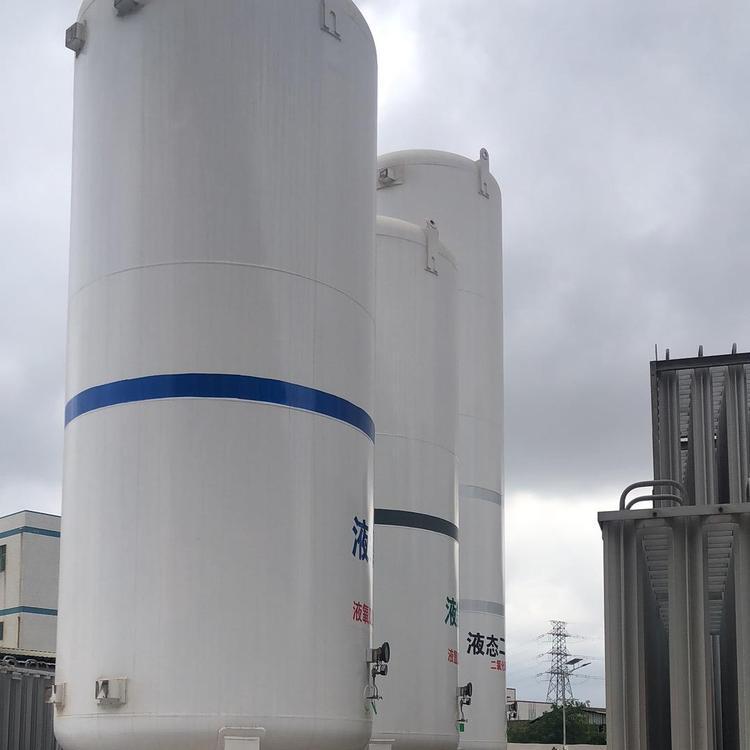
When selecting a liquid oxygen storage tank with a medical oxygen concentrator, consider the following factors:
Requirement: First, determine the oxygen demand of the institution or individual. Select the appropriate oxygen concentrator model and specification based on the required oxygen flow rate and pressure.
Safety and Reliability: Ensure the selected oxygen concentrator has high safety and reliability. Choose products that comply with relevant standards and regulations, featuring safety functions such as overpressure protection, leakage protection, and overload protection.
Ease of operation: Choose an oxygen concentrator that is simple to operate and user-friendly. Consider the methods of adjusting oxygen flow and concentration, as well as the clarity and readability of the operating interface.
Quality and Reputation: Choose an oxygen concentrator with excellent quality and reliability. Refer to customer reviews, word-of-mouth, and institutional endorsements to select the product.
Maintenance and After-Sales Service: Familiarize yourself with the maintenance requirements and after-sales support for the oxygenator. Ensure timely access to repairs and technical assistance to ensure the smooth operation and maintenance of the oxygenator.
Cost-Effectiveness: Choose a product with a good cost-performance ratio, considering the price, performance, and features of the oxygenator. Select an oxygenator that fits your actual needs and budget.
Be mindful to adhere to the relevant equipment procurement regulations and standards when selecting a liquid oxygen cylinder with a medical oxygen concentrator. It's advisable to consult with equipment suppliers or relevant institutions to ensure the oxygen concentrator meets your needs and safety requirements.
Before using the liquid oxygen tank, the following preparations must be made:
Safety Inspection: Ensure the tank and its surrounding environment are safe. Check for any damage, leaks, or other safety hazards on the tank. Make sure there are no flammable materials or other hazardous items in the vicinity of the tank.
Tank Preparation: Inspect the tank's exterior, including the shell, welds, valves, and fasteners. Ensure there are no visible damages or corrosion. Check that the insulation layer is intact and undamaged.
Liquid Oxygen Filling: Utilize liquid oxygen transfer equipment to fill the storage tank. Ensure the flow rate and pressure of liquid oxygen are maintained within safe limits during the filling process.
Pressure Control: Tanks should be equipped with pressure control devices to ensure the internal pressure of the tank remains within a safe range. Inspect and adjust the pressure control devices to ensure proper operation.
Valve Operation: Check that the tank's valves and connections are functioning properly. Ensure the valves operate smoothly and reliably. Adjust the opening and closing status of the valves as needed.
Safety Equipment: Inspect the safety equipment around the storage tank, such as fire isolation zones and alarm systems, to ensure they are functioning properly.
Operator Training: Ensure operators are proficient in the safe operation of liquid oxygen storage tanks.
Shandong Zhongjie Special Equipment, welcome customers to visit our factory for cooperation negotiations.
WeChat Official Account

Scan to follow Official Account



















