


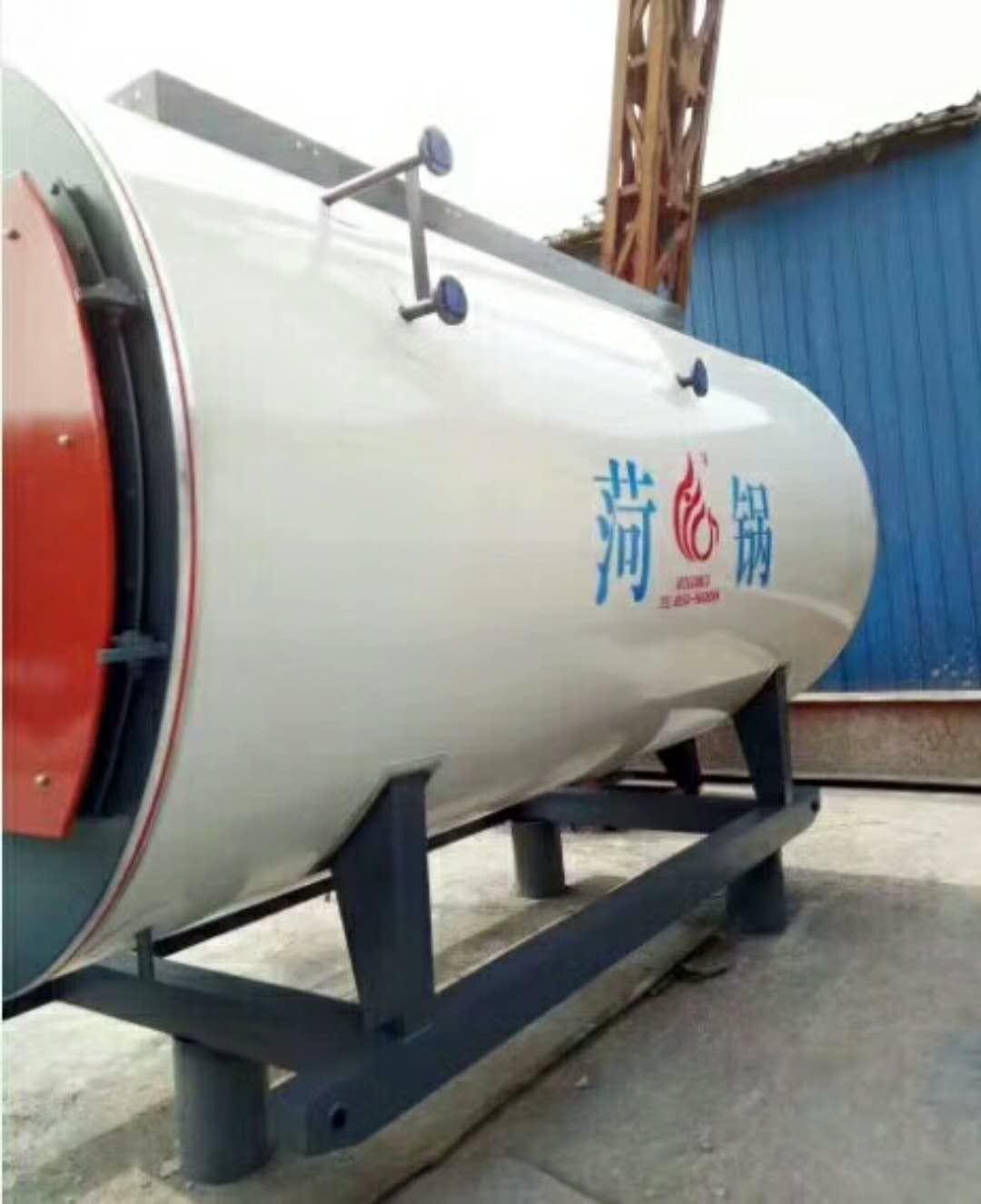

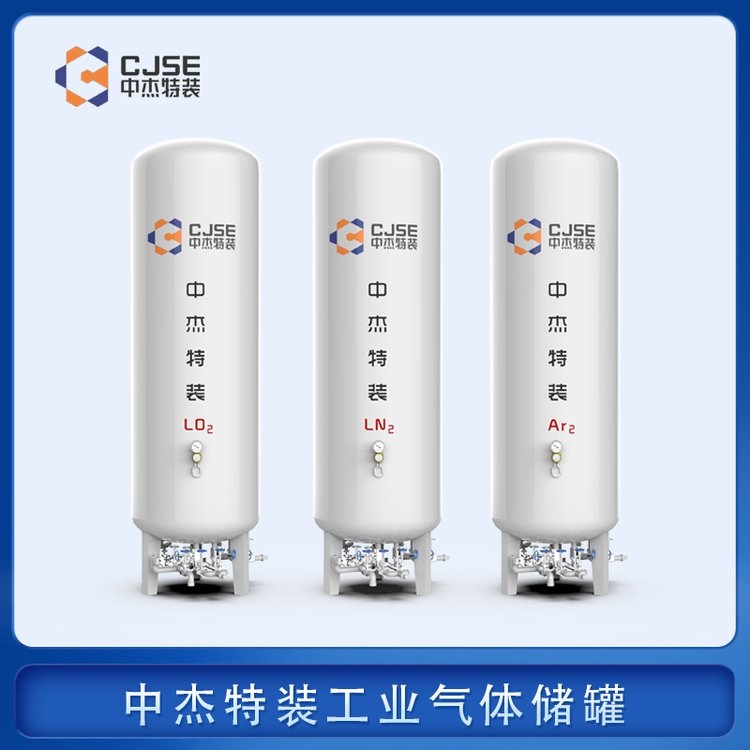
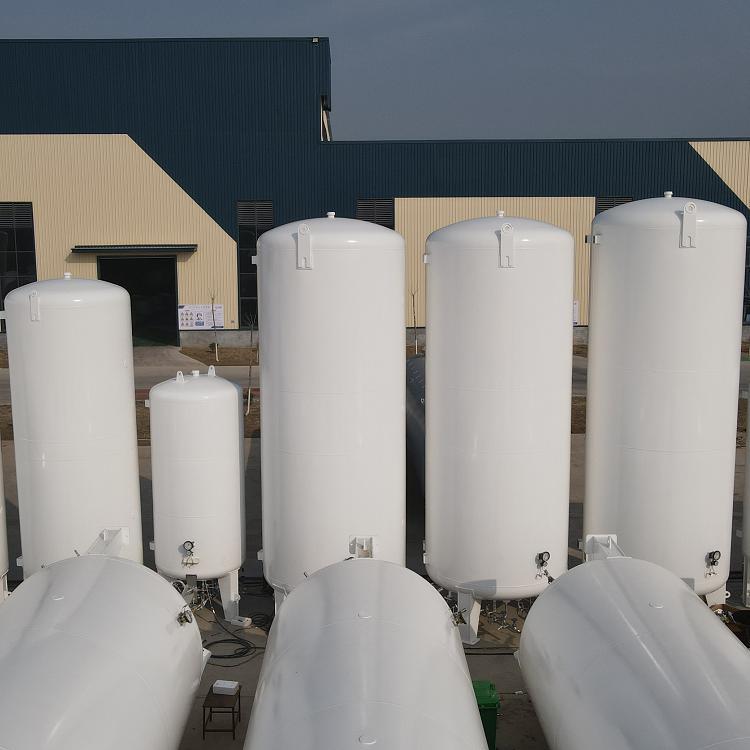


















Shandong Zhongjie Special Equipment (formerly Heze Boiler Factory Co., Ltd.) was established in 2001, located at No. 2218 Jinnan Road, Economic and Technological Development Zone, Heze City. With a registered capital of 50 million yuan and total assets of 500 million yuan, the company has 7 business centers: boilers, deep-freeze containers, pressure vessels, central air conditioning, engineering installation, international trade, and Internet of Things. It has three factory sites on Jinnan Road, East Changjiang Road, and Bohai Road, covering a total area of 200,000 square meters, with the main workshop spanning 83,000 square meters. It currently employs 710 people, including 247 engineering and technical staff and 82 intermediate-level technicians. In December 2016, it was recognized as a "High-tech Enterprise" by the Science and Technology Department. In June 2021, it was identified as a "Specialized and New Enterprise in Shandong Province" by the Ministry of Industry and Information Technology. In June 2022, it was recognized as a "Gazelle Enterprise in Shandong Province" and in August 2022, as a "Specialized and New Small Giant Enterprise" by the Ministry of Industry and Information Technology.
Common drawbacks of corrosion in pressure vessels during use include:
- Chemical media: Certain chemical media are corrosive, such as acids, bases, and salts. When these media come into contact with the vessel material, corrosion may occur.
- Humidity and moisture: High humidity environments or prolonged exposure to moisture can lead to corrosion on the vessel surface. Particularly in the presence of oxygen, the corrosion rate may increase.
- Rusting: When the protective layer on the vessel surface (such as coatings or plating) is damaged or destroyed, rusting may occur. Rusting can damage the vessel's surface and may lead to further corrosion.
- Electrochemical corrosion: When different metals or metals and non-metals come into contact, an electrochemical corrosion battery may form. This type of corrosion can lead to localized corrosion on the vessel surface.
- Welding defects: Defects such as weld pores and cracks may be introduced during the welding process. These defects can become starting points for corrosion.
- Corrosion weakens the structural integrity of the vessel, increasing the risk of leakage or rupture. Therefore, regular inspection and maintenance of the anti-corrosion coating, plating, or layer of pressure vessels are important. If corrosion issues are detected, timely measures should be taken to repair or replace the damaged parts.
- Additionally, selecting appropriate materials, anti-corrosion measures, and proper operation and maintenance methods can reduce the risk of corrosion in pressure vessels. Adhering to relevant safety operation procedures and standards ensures the safe operation of pressure vessels.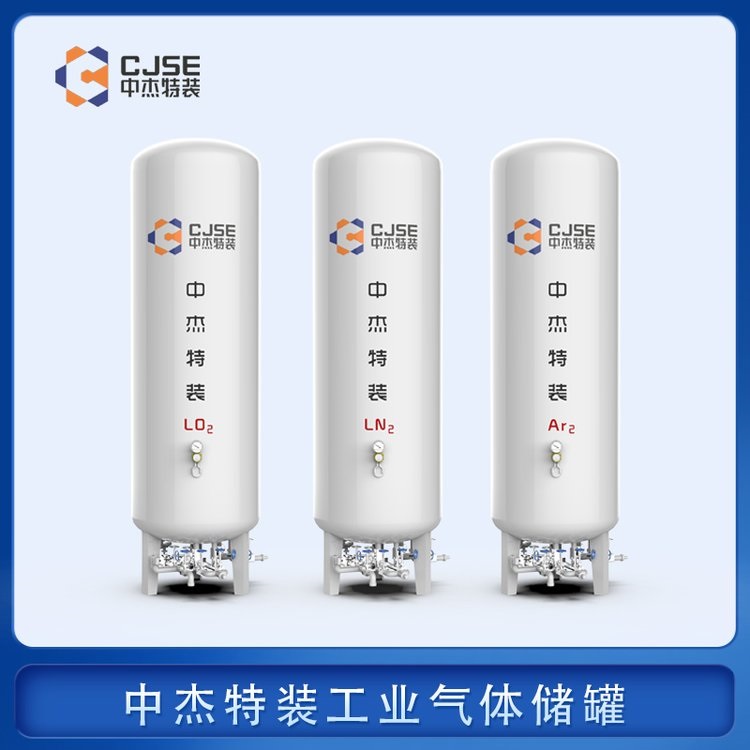
Carbon dioxide has several main applications in the battery industry:
- Solvent in Electrolytes: Carbon dioxide can serve as one of the solvents in battery electrolytes. In certain types of batteries, it can be mixed with organic solvents to enhance the performance and stability of the electrolyte.
- Protective Gas in Battery Manufacturing: During the battery manufacturing process, carbon dioxide can be used as a protective gas. For instance, during assembly and encapsulation, it can replace air to prevent oxidation and corrosion of battery materials due to oxygen and moisture in the battery.
- Battery Performance Enhancement: Carbon dioxide can improve battery performance by altering the atmosphere within the battery. For example, by injecting carbon dioxide gas into the battery, pressure and temperature can be regulated, thereby increasing the battery's cycle life and safety performance.
- Carbon Dioxide Capture and Storage: The production of batteries generates carbon dioxide emissions. Carbon dioxide capture and storage technologies can be utilized to reduce these emissions. By capturing and storing carbon dioxide, atmospheric emissions can be minimized, reducing environmental impact.
- It is important to note that the application of carbon dioxide in the battery industry is continuously evolving and being researched. With technological advancements and innovation, there may be further breakthroughs and developments in the use of carbon dioxide in this field.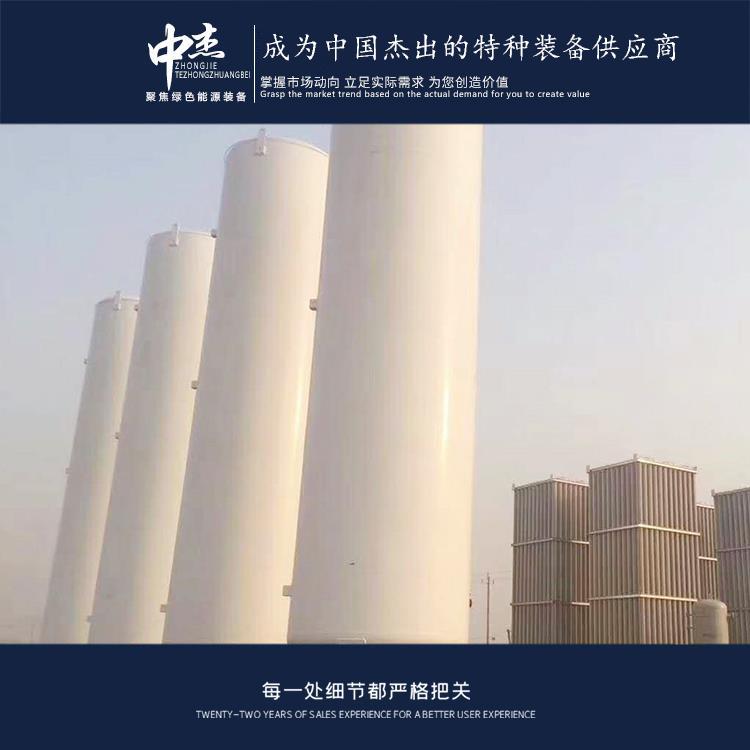
Carbon dioxide tank level gauges are devices used for measuring and monitoring the liquid level of CO2 within the tank. Depending on different working principles and application requirements, common types of CO2 tank level gauges include the following:
- Buoy Level Gauge: Uses the buoyancy of a float to indicate the level, measured through a mechanical device or electrical signal sensor connected to the float.
- Pressure Level Gauge: Measures the level by utilizing the relationship between liquid pressure and level. It calculates the level height by measuring the pressure change on a pressure sensor.
- Ultrasonic Level Gauge: Measures the level using the propagation time of ultrasound. An ultrasonic transmitter emits waves, and when the beam encounters the liquid surface, part of it is reflected back. The level height is calculated by measuring the reflection time.
- Capillary Level Gauge: Utilizes the capillary principle to measure the level. By inserting a thin tube into the liquid, the liquid rises within it, and the level height is calculated based on the rise.
- Level Gauge: Measures the level by reflecting waves. The transmitter emits waves, and when the beam hits the liquid surface, part of it is reflected back. The level height is calculated by measuring the reflection time.
The application of these level gauges in CO2 tanks can be selected based on specific needs and tank design. When selecting and installing level gauges, factors such as liquid properties, working environment, and precision requirements must be considered, and it must be ensured that they are compatible with the tank's safe operation and monitoring system.
Common defects in carbon dioxide storage tanks may include deformation during use. Below are some reasons that may cause the tank to deform: Overpressure: When the internal pressure of the tank exceeds its design pressure, deformation may occur. This could be due to operational errors, system failures, or other causes. Temperature Fluctuations: Carbon dioxide storage tanks undergo thermal expansion and contraction under temperature changes. If the temperature changes are too great or too rapid, the tank may deform. Internal Corrosion: If there is internal corrosion in the tank, it can weaken the structural integrity of the tank, leading to deformation. External Damage: External impacts, compressions, or other physical damages can cause the tank to deform. Incorrect Installation or Use: Incorrect installation or usage methods may lead to uneven stress on the tank, causing deformation. Tank Deformation may reduce the structural integrity of the tank, and even pose risks of leakage or rupture. Therefore, regular inspections and maintenance of the tank's integrity are crucial, as well as adhering to proper operational and installation procedures. If tank deformation or other defects are detected, or suspected, the tank should be immediately stopped from use and professional assistance should be sought for inspection and repair. Do not attempt to repair or continue using the tank with defects to ensure operational safety.
Shandong Zhongjie Special Equipment, welcome customers to our factory for business discussions.
WeChat Official Account

Scan to follow Official Account



















