


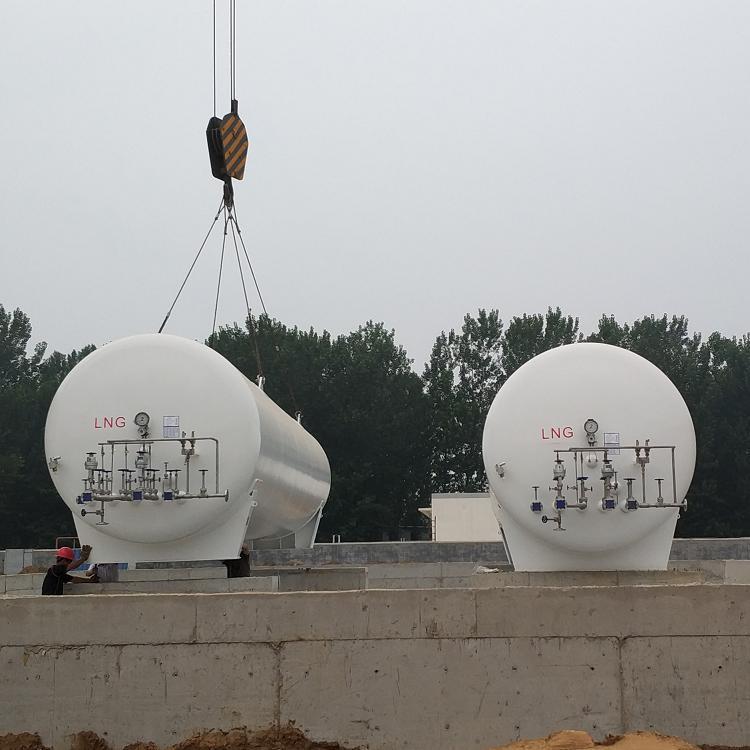

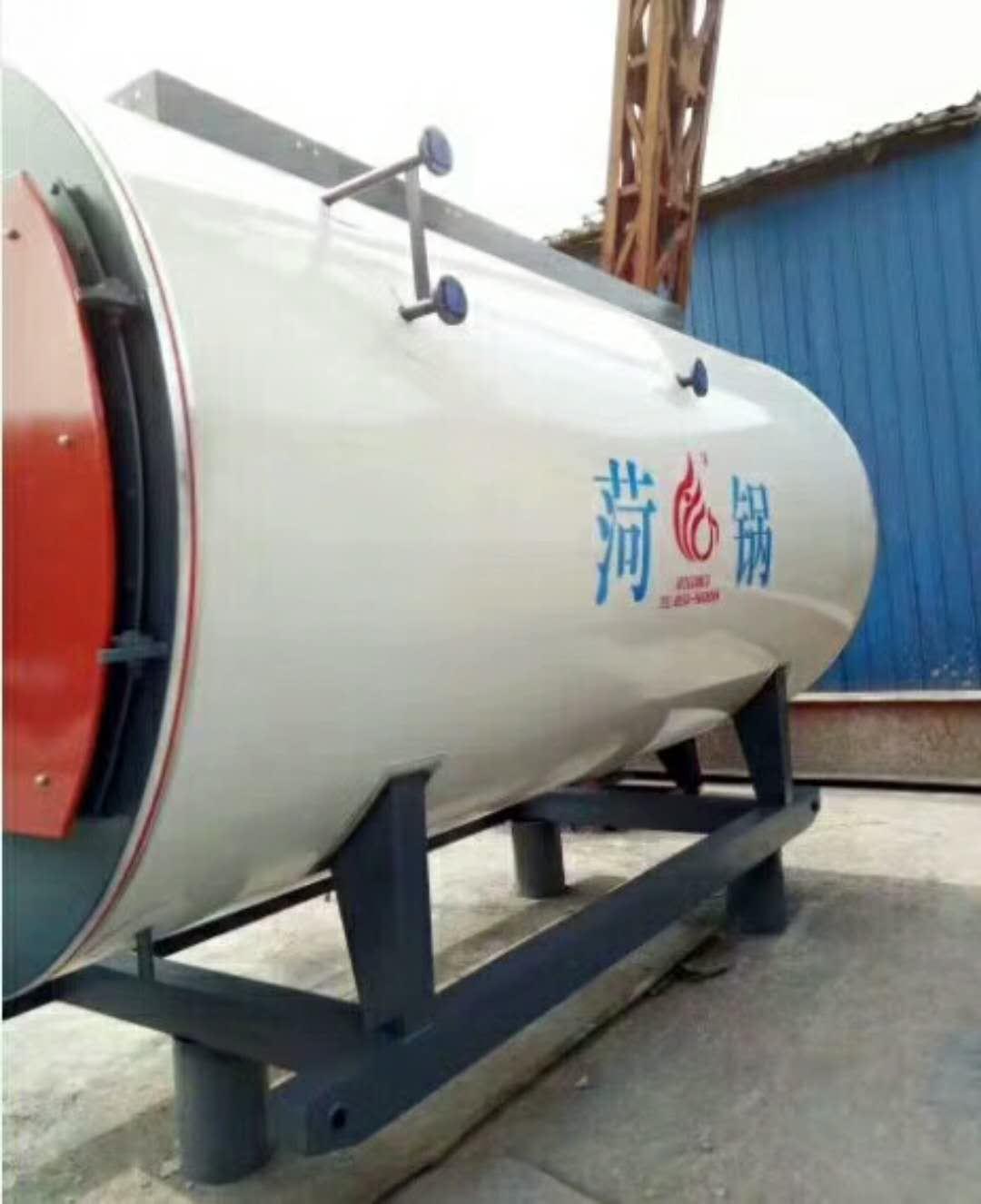
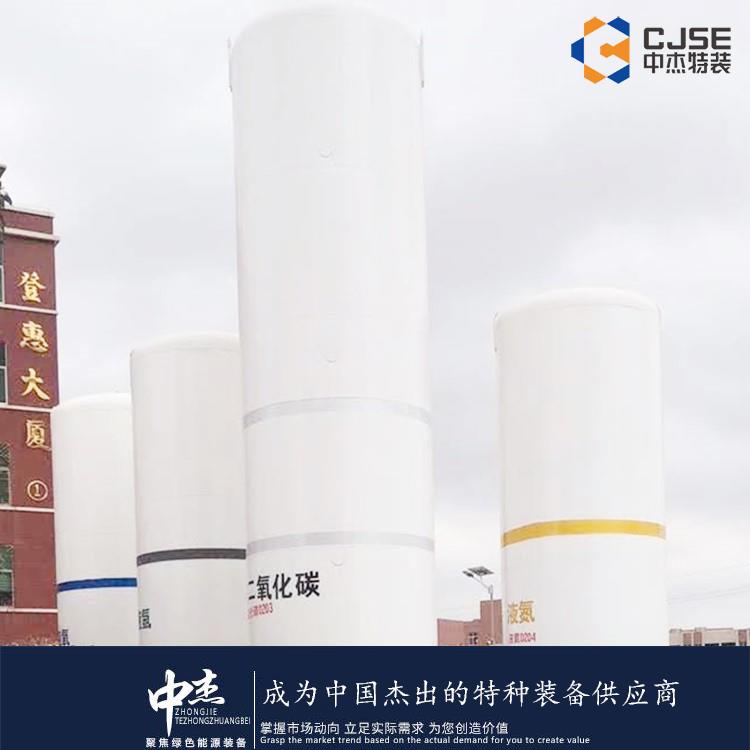


















Shandong Zhongjie Special Equipment (formerly Heze Boiler Factory Co., Ltd.) holds an A-grade boiler manufacturing license, an A2-grade pressure vessel manufacturing license, an A2-grade pressure vessel design license, a B-grade boiler installation license, and GB2/Class, GC2/Class pressure pipeline installation licenses, as well as an electromechanical equipment installation contracting qualification. It is a member of the China Boiler and Water Treatment Association, the China Chemical Equipment Association, and the council member of the Shandong Equipment Manufacturing Association. The company has also passed the ISO9001 Quality Management System, ISO14001 Environmental Management System, OHSAS18001 Occupational Health and Safety Management System certifications, and the American ASME/U2 certification.
Operation procedures for liquid oxygen storage tanks should be established based on the specific tank design and usage requirements. Below are some common contents of general operation procedures for liquid oxygen storage tanks:
- Operator Training: Ensure that operators have received relevant training for liquid oxygen storage tanks, understanding the tank's structure, performance, operation procedures, and safety considerations.
- Safety Inspections: Conduct necessary safety checks before operating the liquid oxygen storage tank, including inspecting the tank's integrity, the sealing of valves and pipes, and the condition of the insulation layer.
- Liquid Oxygen Supply: Ensure the liquid oxygen supply system is functioning properly, including checking the status of the supply pipes, valves, and pressure gauges, and ensuring an adequate supply of liquid oxygen.
- Tank Pressure Control: Monitor the pressure in the liquid oxygen storage tank to ensure it is within the safe range. If necessary, control the tank's pressure by adjusting pressure valves or pressure relief devices.
- Leak Control: Regularly check the sealing of the tank and pipes to ensure there are no leaks. If a leak is detected, take immediate measures to control the leak and notify relevant personnel.
- Fire Prevention Measures: Prohibit open flames and prevent sparks and high-temperature objects from contacting the tank around the liquid oxygen storage tank. Establish fire prevention facilities and fire extinguishing equipment, and inspect and maintain them regularly.
- Safety Distance: Maintain a certain safety distance around the liquid oxygen storage tank to prevent the spread of fires, explosions, and leaks.
- Maintenance and Repair: Regularly perform maintenance and repairs on the tank, including cleaning the tank, inspecting the insulation layer, valves, and pipes, to ensure the tank operates normally.
- Waste Disposal: Properly dispose of waste generated by the liquid oxygen storage tank, including residual liquid oxygen, waste gases, and waste liquids, in accordance with relevant environmental protection regulations and standards.
Note that operation procedures for liquid oxygen storage tanks should be established based on the specific tank design and usage requirements, and should comply with applicable regulations, standards, and safety guidelines. When operating liquid oxygen storage tanks, cooperate with local regulatory agencies and individuals to ensure the tank's safety and reliability.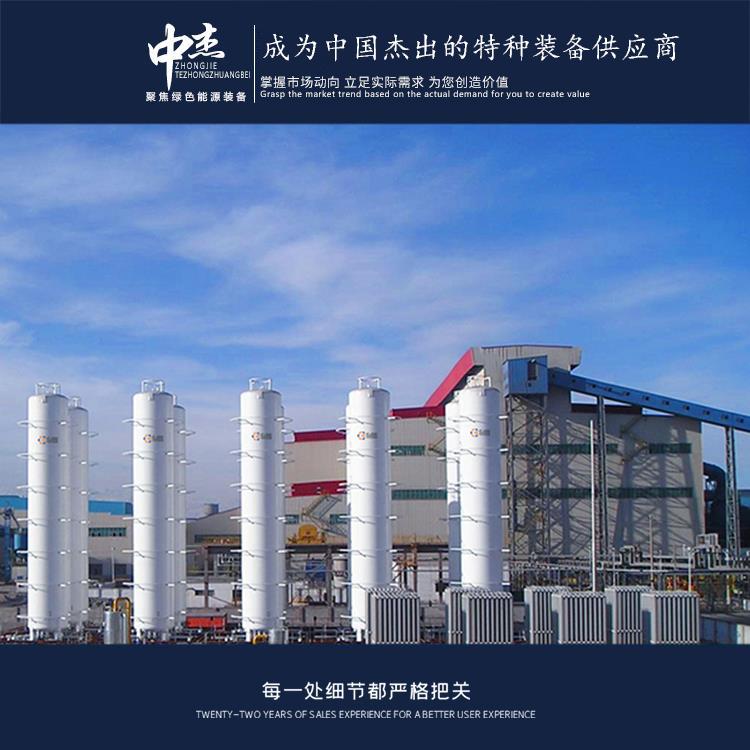
Several reasons explain why low-temperature liquid storage tanks have been at a peak in recent years:
Rising Demand: As industries and scientific research sectors develop, the demand for cryogenic liquids is continuously growing. Cryogenic liquid storage tanks can effectively store and supply liquefied oxygen, nitrogen, and other cryogenic liquids, meeting the needs of various fields.
Technological Advancements: In recent years, the manufacturing and material technologies for low-temperature liquid storage tanks have seen continuous improvement and innovation. The application of new insulating materials, advanced refrigeration systems, and safety control devices has enhanced the performance and safety of the tanks, making them more reliable and secure.
Environmental Awareness Enhancement: Low-temperature liquid storage tanks enable effective storage and utilization of low-temperature liquids, reducing energy waste and environmental pollution. Against the backdrop of enhanced environmental awareness, low-temperature liquid storage tanks, as an environmentally friendly and energy-saving equipment, have garnered more attention and application.
Emerging Application Fields: There is a growing demand for low-temperature liquid storage tanks in emerging application fields. For instance, the application of liquid nitrogen in frozen food, biopharmaceuticals, and semiconductor manufacturing is becoming increasingly widespread, which has propelled the development of low-temperature liquid storage tanks.
Policy Support: The government has provided support and encouragement for the development of low-temperature liquid storage tanks. Through policy guidance and financial support, the industry has been promoted and expanded.
In summary, the peak of low-temperature liquid storage tanks in recent years is mainly due to increasing demand, technological advancements, heightened environmental awareness, the development of new application areas, and policy support. These factors have collectively driven the rapid growth of the low-temperature liquid storage tank industry.
When selecting low-temperature liquefied natural gas (LNG) storage tanks, the following factors should be considered:
Tank Types: Common LNG tank types include vertical fixed-roof tanks, spherical tanks, and horizontal tanks. Select the appropriate tank type based on specific application requirements and site conditions.
Tank Capacity: Determine the tank capacity based on the storage requirements for LNG and the anticipated usage volume. The tank capacity should be sufficient to meet the expected storage cycle and supply demands.
Material Selection: LNG tanks are typically made of low-temperature steel or nickel alloys to ensure corrosion resistance and strength in cold environments. Select the appropriate material based on the tank's design pressure and temperature requirements.
Safety Performance: LNG tanks should have excellent safety features, including seismic resistance, fire resistance, and leakage control capabilities. The tanks should comply with relevant safety standards and regulations, such as API 620, EN 1473, etc.
Maintenance and Inspection: Consider the maintenance and inspection requirements of the tank, including internal cleaning, coating protection, and corrosion prevention measures. The tank's design should facilitate maintenance and inspection operations to ensure long-term reliable operation.
Environmental Impact: When selecting LNG storage tanks, consider their impact on the surrounding environment. The layout and design of the tanks should comply with environmental protection requirements, reducing noise, vibrations, and gas emissions, etc., to minimize environmental impact.
Cost-effectiveness: Consider the investment, operation, and lifecycle costs of the tank, selecting one with a favorable cost-performance ratio.
需要注意的是,选型LNG储罐时应遵循相关的和地区的法规、标准和规范。此外,咨询的工程师或储罐制造商,以获取更详细和准确的选型建议。
The filling of a low-temperature liquid nitrogen tank refers to the process of transferring liquid nitrogen from an external supply source into the tank. Below is an explanation of the filling process for low-temperature liquid nitrogen tanks:
Preparation: Prior to filling the liquid nitrogen tank, thorough preparation is required. This includes inspecting the tank's condition and safety to ensure the interior is clean, free of impurities and contaminants. Additionally, verify the quality of the liquid nitrogen from the supply source and the safety of the supply pipeline.
Connect supply source: Link the liquid nitrogen supply source to the supply opening of the storage tank. Ensure the connection is tight and secure to prevent leaks.
Control Liquid Level: During the bottling process, it is necessary to control the liquid nitrogen level to avoid overfilling or overflow. A level gauge or level control system can be used to monitor and control the liquid level.
Slow Injection: The nitrogen liquid should be injected slowly to prevent drastic vaporization and increased pressure. Appropriate valves and flow control devices can be used to regulate the injection speed.
Monitor Pressure: During the canning process, it is necessary to monitor the tank's pressure to ensure it stays within the safe range. Pressure gauges or pressure sensors can be used for monitoring.
Canning completed: Stop the injection of liquid nitrogen when the liquid nitrogen level reaches the predetermined filling quantity or the tank's capacity limit. Disconnect the connection with the supply source and ensure the tightness of the filling port.
Safe Operation: Throughout the entire canning process, relevant safety regulations and operation guidelines must be followed. Liquid nitrogen is highly flammable and extremely cold, so operators must wear appropriate personal protective equipment and ensure there are no sources of ignition in the operating environment.
When bottling liquid nitrogen, be mindful of its low-temperature characteristics and safety. Ensure safe operation and control during the bottling process to guarantee the safe operation of the storage tank and effective storage of the liquid nitrogen.
Our company attaches great importance to technological innovation and research and development. We possess one municipal-level enterprise technology center in Heze City, and have established testing facilities for non-destructive testing, physical and chemical testing, welding testing, hydrostatic testing, etc. We are equipped with over 600 types of instruments and equipment, including CNC machine tools, X-ray flaw detectors, digital ultrasonic flaw detectors, mechanical property testing machines, chemical analyzers, spectrometers, tensile testing machines, plasma welding machines, and more. The key products we have developed, such as welding for temperature and pressure vessels, emissions reduction in biomass boilers, and waste heat utilization, have successively been included in multiple Shandong Provincial Department of Industry and Information Technology science and technology innovation projects, Shandong Provincial key projects, and Heze City innovative and excellent projects. We have cumulatively obtained 27 authorized utility model patents, 16 authorized invention patents, participated in drafting 2 standards, 2 industry standards, and registered 15 trademarks. The technical team of our company, in collaboration with Professor Yajiang Li of Shandong University, has jointly developed deep cryogenic container processing technology, utilizing the international plasma arc + filler wire tungsten inert gas arc welding (PAW-GTAW) technology. After the provincial-level scientific and technological achievement evaluation, the technical level has reached the international standard in the field of deep cryogenic container manufacturing. Choose Zhongjie Special Equipment, and let's create brilliance together!
WeChat Official Account

Scan to follow Official Account



















