


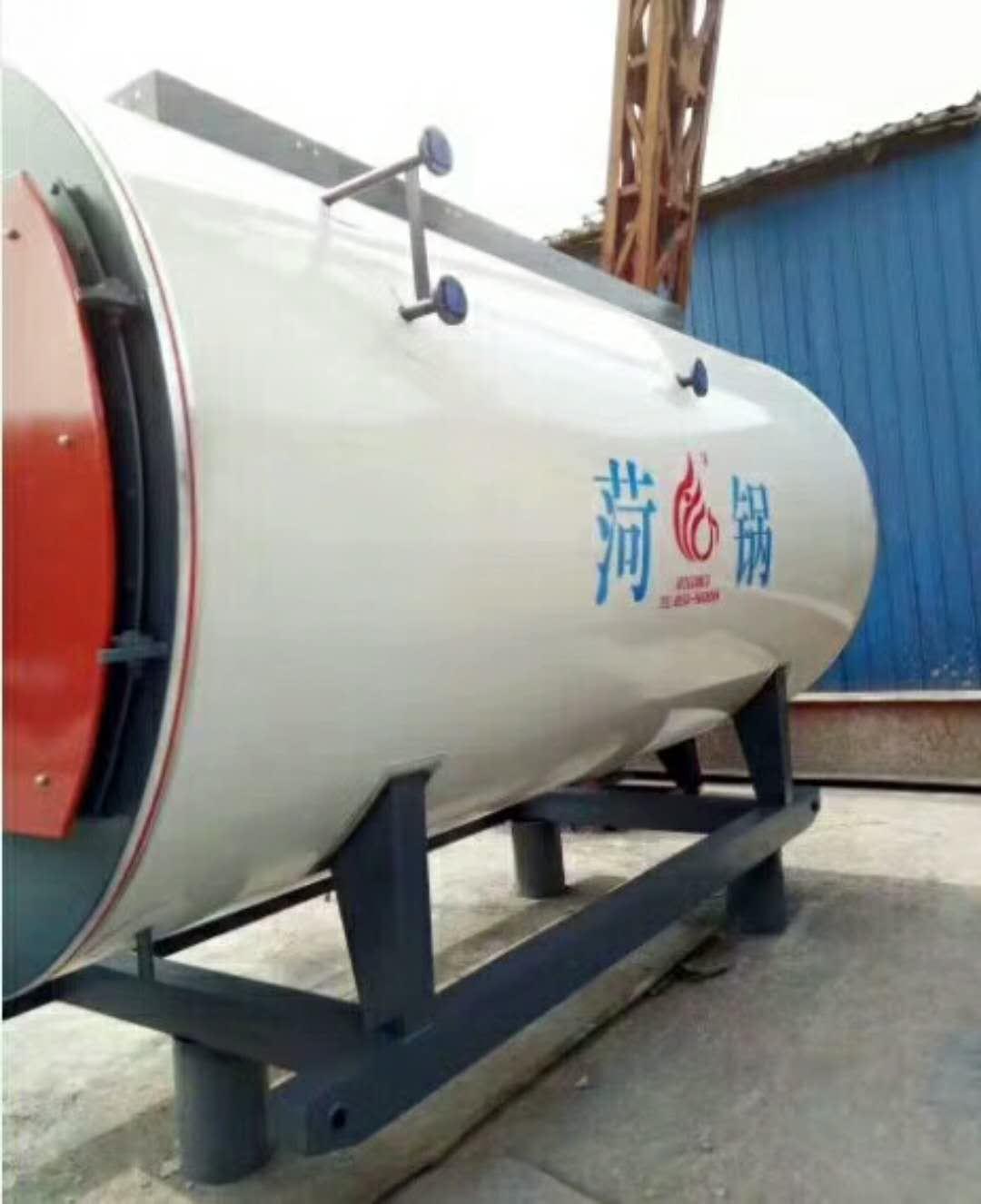

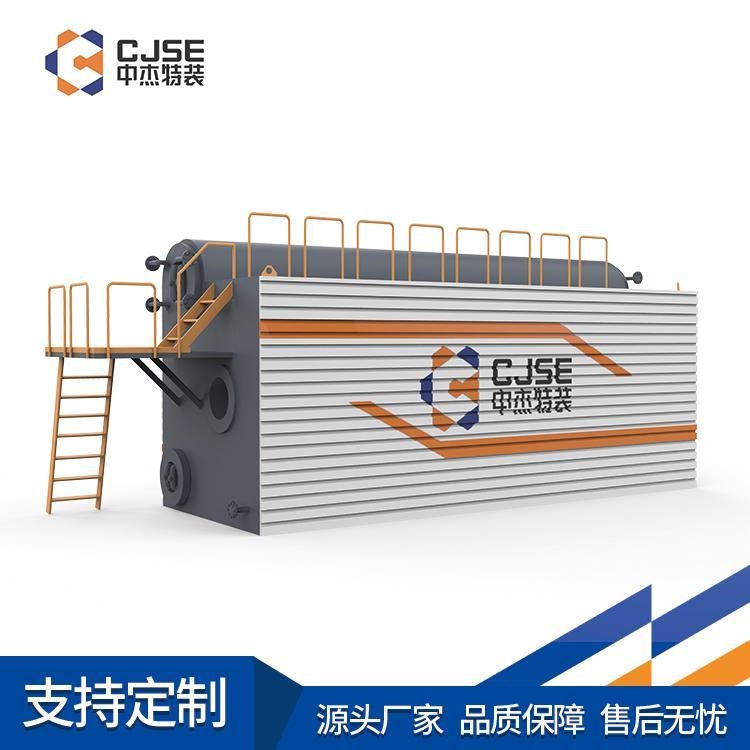
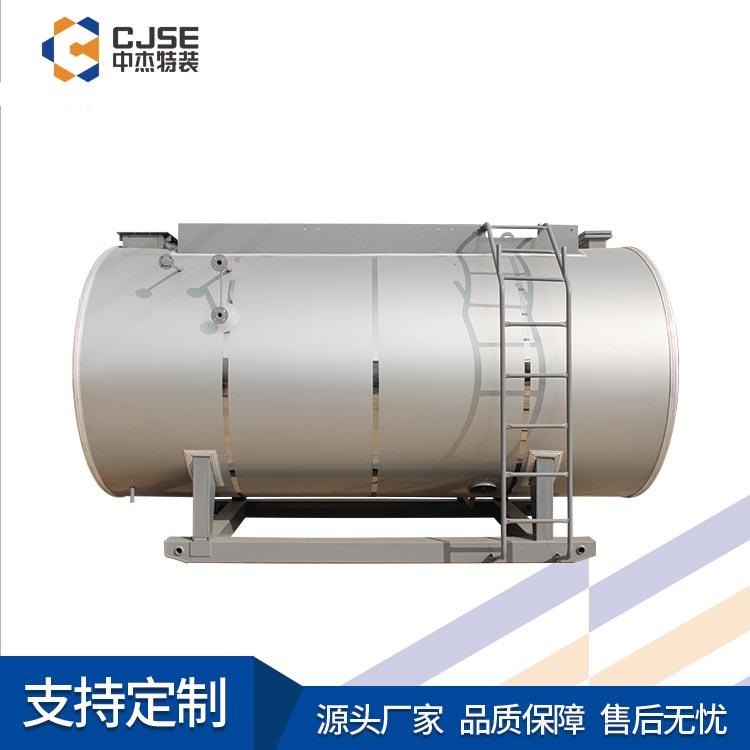


















Shandong Zhongjie Special Equipment (formerly Heze Boiler Factory Co., Ltd.) was established in 2001, located at No. 2218 Jinnan Road, Economic Development Zone, Heze City. With a registered capital of 50 million yuan and total assets of 500 million yuan, the company has seven business centers: boilers, deep-freeze containers, pressure vessels, central air conditioning, engineering installation, international trade, and the Internet of Things. It has three factory areas on Jinnan Road, East Yangtze Road, and Bohai Road, covering a total area of 200,000 square meters, with the main workshop spanning 83,000 square meters. The company currently employs 710 staff, including 247 engineers and technicians, and 82 intermediate-level technical personnel. In December 2016, it was recognized as a "High-Tech Enterprise" by the Science and Technology Department. In June 2021, it was identified as a "Specialized and New Enterprise in Shandong Province" by the Department of Industry and Information Technology. In June 2022, it was recognized as a "Deer Enterprise in Shandong Province" and in August 2022, it was identified as a "Specialized and New Small Giant Enterprise" by the Ministry of Industry and Information Technology.
To achieve sensitive and energy-efficient performance in gas-fired hot water boilers, the following measures can be taken:
- Regular Maintenance and Cleaning: Schedule regular maintenance and cleaning of the gas-fired hot water boiler, including cleaning the burner, flue, and heat exchanger components. This ensures the efficiency of the combustion process and heat transfer, reducing energy waste.
- Smart Control System: Install a smart control system that manages temperature and pressure to automatically regulate and optimize the operation of the gas-fired hot water boiler. The smart control system can adjust the burner's operating status based on actual needs, avoiding excessive heating and energy waste.
- Energy-Saving Equipment and Technologies: Utilize energy-saving equipment and technologies such as heat recovery units and flue gas waste heat utilization systems. These devices and technologies can recover and utilize the waste heat from the flue gas emitted by the boiler, enhancing energy utilization efficiency.
- Water Quality Management: Manage the water quality of the gas-fired hot water boiler rationally to prevent the accumulation of scale and dirt. Scale and dirt can reduce the heat transfer efficiency of the heat exchanger and increase energy consumption. Regular water quality testing and treatment help maintain clean water quality, contributing to improved boiler energy efficiency.
- Good Insulation and Sealing: Ensure that the gas-fired hot water boiler has good insulation and sealing properties. The selection and maintenance of insulation materials, as well as the sealing of pipes and valves, can reduce heat loss and enhance the boiler's energy efficiency.
- Regular Monitoring and Optimization: Regularly monitor the operation of the gas-fired hot water boiler, analyzing energy consumption and efficiency indicators. Based on the monitoring results, make optimization adjustments to improve the boiler's energy efficiency.
- Through the comprehensive application of the above measures, gas-fired hot water boilers can achieve sensitive energy efficiency and improve energy utilization.
Before ignition, the preparation of a steam boiler involves several steps:
1. Clean the boiler: First, clean the internal and external dirt and impurities from the boiler. Remove ash, sediments, and dirt to ensure the efficiency of combustion and heat exchange.
2. Check fuel supply: Inspect the fuel supply system to ensure a smooth fuel supply. Check the fuel storage tank, conveying pipelines, and filters, clear blockages, and replace damaged parts.
3. Inspect the burner: Check the operational status and cleanliness of the burner. Clean the burner's nozzle and flame detector to ensure proper burner operation.
4. Check the gas system: If it's a gas boiler, inspect the gas supply system. Check the gas pipelines, valves, and pressure regulators to ensure safe and stable gas supply.
5. Check water level and pressure: Inspect the boiler's water level and pressure. Ensure the water level is within the normal range, and the pressure is stable and meets requirements. Add water and adjust pressure if necessary.
6. Check safety devices: Inspect the boiler's safety devices, such as safety valves, pressure switches, and water level controllers. Ensure these safety devices operate normally to ensure the safe operation of the boiler.
7. Prepare ignition tools: Prepare the tools and equipment needed for ignition, such as matchsticks, igniters, etc. Ensure these tools function properly and are safe.
When performing these preparation tasks, follow relevant operational procedures and safety requirements to ensure safety and effectiveness. If unsure about the preparation process, consult with an expert or the boiler manufacturer for advice.
When selecting a suitable gas steam boiler, consider the following factors:
Steam Demand: First, determine your steam requirements, including steam pressure and evaporation capacity. Choose a boiler with a rated evaporation capacity and steam pressure that align with your actual needs, ensuring it meets your production or heating requirements.
Fuel Type: Gas steam boilers use gas as fuel, with common types including natural gas and LPG. Select a suitable gas type based on available resources and cost considerations.
Boiler Efficiency: Boiler efficiency directly impacts energy utilization and operating costs. Opt for a high-efficiency gas steam boiler to reduce energy consumption and operating costs. Pay attention to the boiler's thermal and combustion efficiency.
Boiler and Manufacturer Quality: Choose a gas steam boiler from a reputable manufacturer to ensure product quality and reliability. Understand the manufacturer's production capacity, after-sales service, and technical support, and select a reliable supplier.
Safety and Environmental Protection: Focus on the safety and environmental performance of the boiler. Ensure the boiler has necessary safety protection devices and monitoring systems, as well as a combustion system that meets environmental standards to minimize environmental impact.
Economic Viability: Consider not only the purchase cost but also the operating and maintenance costs of the boiler. Take into account the boiler's energy consumption and overall cost-effectiveness.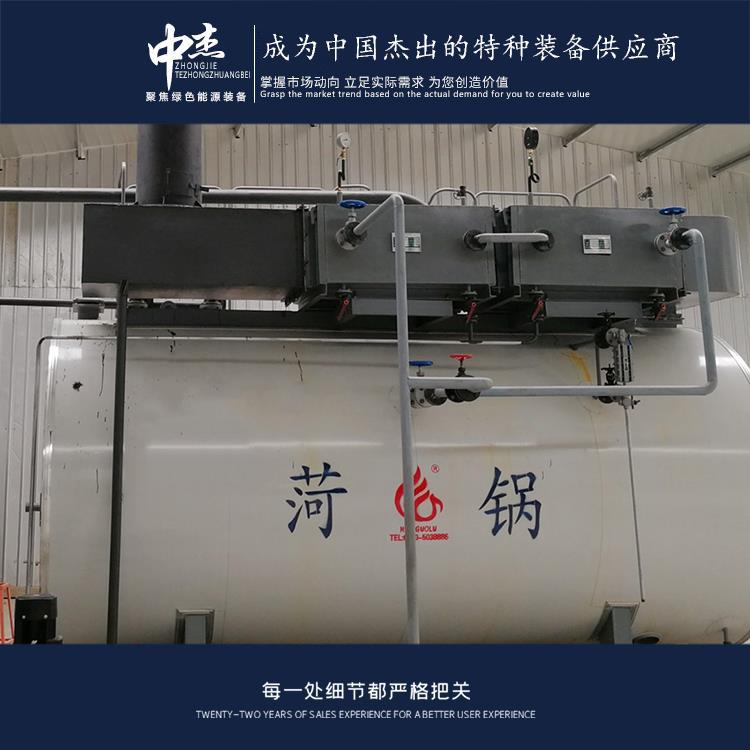
During the production welding of thermal oil boilers, the following points should be noted:
- Welder Qualification: Ensure that the welders involved in the welding work have appropriate qualifications and experience, and are familiar with welding processes and operational procedures.
- Welding Material Selection: Choose welding materials suitable for thermal oil boilers, ensuring their compatibility with thermal oil and high-temperature resistance.
- Welding Process Control: Select an appropriate welding process based on the material and design requirements of the thermal oil boiler, such as manual arc welding, gas shielded welding, etc. Control welding parameters like current, voltage, and welding speed to ensure the quality and strength of the weld.
- Welding Area Protection: During the welding process, the welding area must be protected to prevent contamination from thermal oil and welding materials. Use welding barriers, welding shields, and other equipment to ensure the cleanliness and safety of the welding area.
- Post-Welding Treatment: After welding, post-treatment of the weld is required, such as slag removal, grinding, and cleaning, to ensure the flatness and surface quality of the weld.
- Welding Quality Inspection: Conduct welding quality inspections, including visual inspection of the weld, dimensional measurements, and non-destructive testing, to ensure the welding quality meets requirements.
- Safety Measures: Pay attention to safety measures during the welding process, such as wearing protective eyewear, gloves, fire-resistant clothing, etc., to ensure the safety of welding operations.
- It is important to follow relevant standards and specifications during the welding process to ensure welding quality and safety. If unsure about how to perform welding or if there are potential safety hazards, seek advice from a welding engineer or consult relevant agencies.
Our company places great emphasis on technological innovation and research and development, boasting 1 municipal-level enterprise technology center in Heze City. We have established testing facilities for non-destructive testing, physical and chemical tests, welding tests, hydrostatic tests, and more. Equipped with over 600 various instruments and equipment, including CNC machines, X-ray flaw detectors, digital ultrasonic flaw detectors, mechanical property testing machines, chemical analyzers, spectrometers, tensile testing machines, and plasma welding machines, our developed key products such as temperature-pressure vessels for welding, biomass boiler emission reduction, and waste heat recovery have successively been selected for multiple Shandong Provincial Department of Industry and Information Technology science and technology innovation projects, Shandong Provincial key projects, and Heze City innovation and excellence projects. We have accumulated 27 authorized utility models, 16 authorized inventions, participated in drafting 2 standards, 2 industry standards, and registered 15 trademarks. The technology for deep cryogenic vessel processing, jointly developed by our technical team and Professor Li Yajiang of Shandong University, utilizes the internationally recognized plasma arc + wire feeding tungsten inert gas arc welding (PAW-GTAW) technology, and has been appraised as reaching international standards in the field of deep cryogenic vessel manufacturing at the provincial level.
Choose JETSTAR for excellence, let's join hands to create brilliance!
WeChat Official Account

Scan to follow Official Account



















