


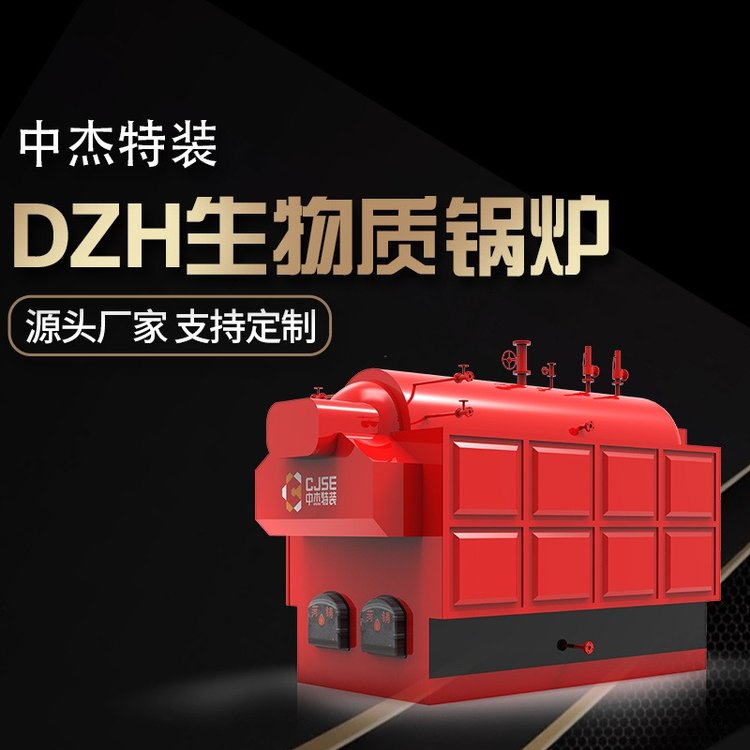

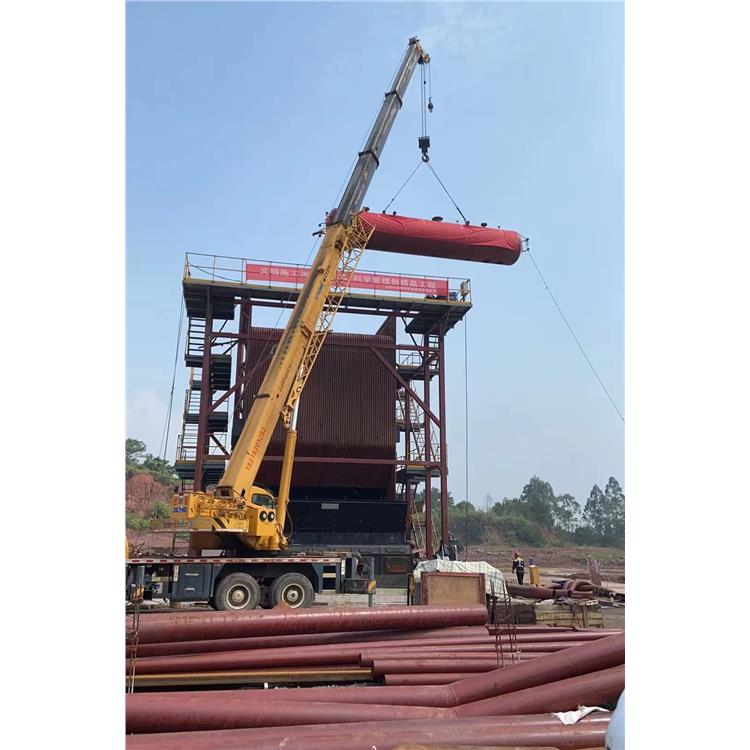
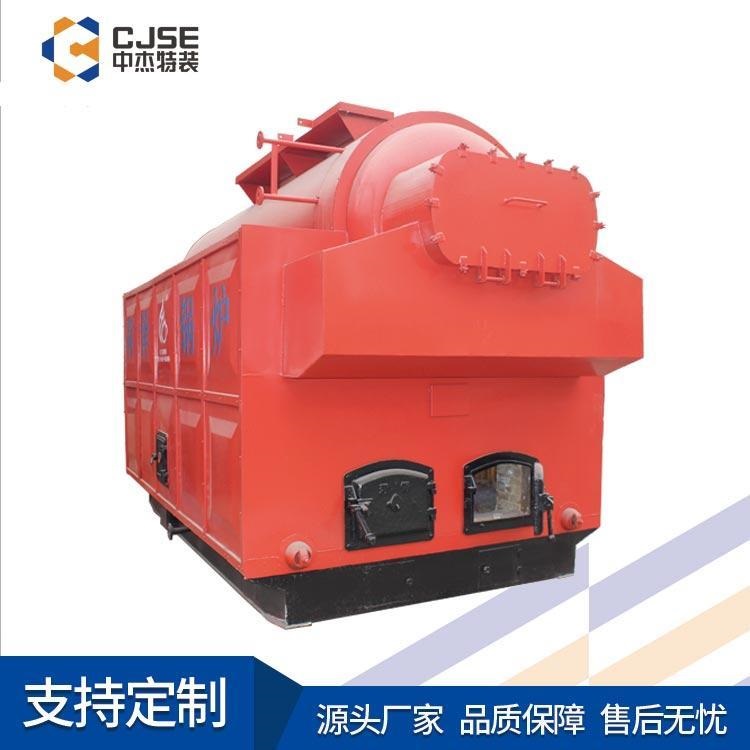


















Shandong Zhongjie Special Equipment (formerly Heze Boiler Factory Co., Ltd.) holds an A-grade boiler manufacturing license, an A2-grade pressure vessel manufacturing license, an A2-grade pressure vessel design license, a B-grade boiler installation license, and GB2/Class and GC2/Class pressure pipeline installation licenses, as well as a mechanical and electrical equipment installation contracting qualification. It is a member of the China Boiler and Water Treatment Association, the China Chemical Equipment Association, and the理事 unit of the Shandong Equipment Manufacturing Association. The company has also passed the ISO9001 Quality Management System, ISO14001 Environmental Management System, OHSAS18001 Occupational Health and Safety Management System certifications, and the ASME/U2 certification from the United States.
The simplified steps for biomass boiler drying oven are as follows:
Prepare fuel: Select suitable biomass fuel such as wood chips, straw, etc., and conduct pretreatment like drying and sieving to ensure fuel quality and meet the requirements of the furnace.
Ignition and Ignition Adjustment: Place the fuel into the combustion chamber of the biomass boiler, ignite it, and adjust the ignition. Adjust parameters such as the oxygen supply, fuel supply, and combustion temperature in the combustion chamber to ensure stable combustion.
Heating and Temperature Control: As fuel burns, biomass boilers produce high-temperature flue gas, which transfers its thermal energy to the dryer through a heat exchanger. During the heating process, it is necessary to control the temperature of the dryer to ensure that the material inside is properly heated.
Furnace Operation and Monitoring: During the furnace heating process, both operation and monitoring are required. Operations involve controlling fuel supply, heat transfer, and the movement of materials within the furnace. Monitoring includes tracking parameters such as furnace temperature, pressure, and combustion efficiency to ensure normal operation and safety.
Furnace Completion and Cleaning: Upon completion of the heating process or achievement of the desired furnace effect, cease fuel supply and heating, and perform the furnace completion procedures. Post-completion, it is necessary to clean the furnace and biomass boiler, as well as the combustion chamber and flue.
Biomass boilers can generally be divided into the following two categories based on their applications:
Biomass Hot Water Boilers: Primarily used for heating and hot water supply, biomass hot water boilers transfer thermal energy to water through the combustion of biomass fuel, producing hot water. This type of boiler is widely used in heating and hot water systems in homes, office buildings, schools, hotels, and other locations.
Biomass Steam Boilers: Biomass steam boilers are primarily used for steam supply in industrial production processes. They generate high-pressure steam at high temperatures by burning biomass fuel, which is used to power machinery, heating, and processing in various industrial applications. This type of boiler is commonly found in industries such as pulp and paper, food processing, and chemicals.
These two types of biomass boilers differ in principle and design, making them suitable for various application scenarios. Whether for hot water or steam boilers, they both utilize the heat energy of biomass fuel, achieving the use of renewable energy sources with environmental protection and energy-saving features.
Biomass boiler tube end reduction refers to the process of reducing the diameter of the tube ends within a certain length range. This treatment enhances the tube's strength and rigidity, reduces stress concentration, and improves the tube's vibration resistance and durability.
Specific methods for constricting include:
Cold shrinking neck: A method of cold working the end of a tube by mechanical means, gradually reducing its diameter to form a neck. This method is simple and easy to perform, suitable for general neck requirements.
Shrink Fit: By heating the end of the tube to soften it, then mechanically forming it into a shrink fit shape. This method allows for more complex shrink fit shapes, but requires equipment and technology.
The benefits of a constricted mouth include:
Enhance tube strength and rigidity, reduce stress concentration in tubes, and minimize the risk of deformation and rupture.
Enhance the tube's vibration resistance, minimize vibration and resonance during operation, and extend the tube's service life.
Reduce pipe leakage risks and enhance the sealing performance of pipeline systems.
Note that the sizing treatment must be tailored to the specific boiler design and operational requirements to ensure that the size and shape of the sizing meet design specifications, and that the wall thickness at the sizing is not less than the standard requirements, guaranteeing the safe and reliable operation of the pipe.
slagging in biomass boilers refers to the solid residues formed from the ash and other impurities in the fuel during the combustion process at high temperatures. Slagging is a common issue in the operation of biomass boilers, which may affect the heat transfer and combustion efficiency. Here's a brief discussion on biomass boiler slagging:
Coking Causes: The biomass fuel contains a high ash content, and the ash may include some sticky substances. These substances tend to melt and adhere to the heat exchange surface of the boiler at high temperatures, forming coking. Additionally, certain elements in the biomass fuel, such as calcium, can also promote the formation of coking.
slagging impact: Slagging can impede the heat transfer in boilers, reduce combustion efficiency, and increase energy consumption. It may also raise the boiler's temperature, accelerate the corrosion of metal materials, and shorten the boiler's service life.
Preventive and corrective measures: To prevent and address the slagging issue in biomass boilers, the following measures can be taken:
Fuel Pretreatment: Preprocess biomass fuel by methods such as drying, sieving, and decontamination to reduce ash and salt content in the fuel, thereby minimizing slagging risks.
Regulate combustion conditions: Rationally control parameters such as the temperature, oxygen content, and combustion rate of biomass combustion to avoid excessive temperatures and excessive oxygen, reducing slag formation.
Cleaning and Maintenance: Regularly clean the boiler interior of accumulated dust and dirt to maintain cleanliness. During the cleaning process, use appropriate cleaning agents and tools to remove interior dirt and prevent slagging from forming.
Chongjie Special Equipment upholds the great vision of "realizing employees' dreams, creating value for customers, and striving for the prosperity and strength of our motherland," and is dedicated to the development of the green energy equipment industry. We offer society high-value products and services!
WeChat Official Account

Scan to follow Official Account



















