


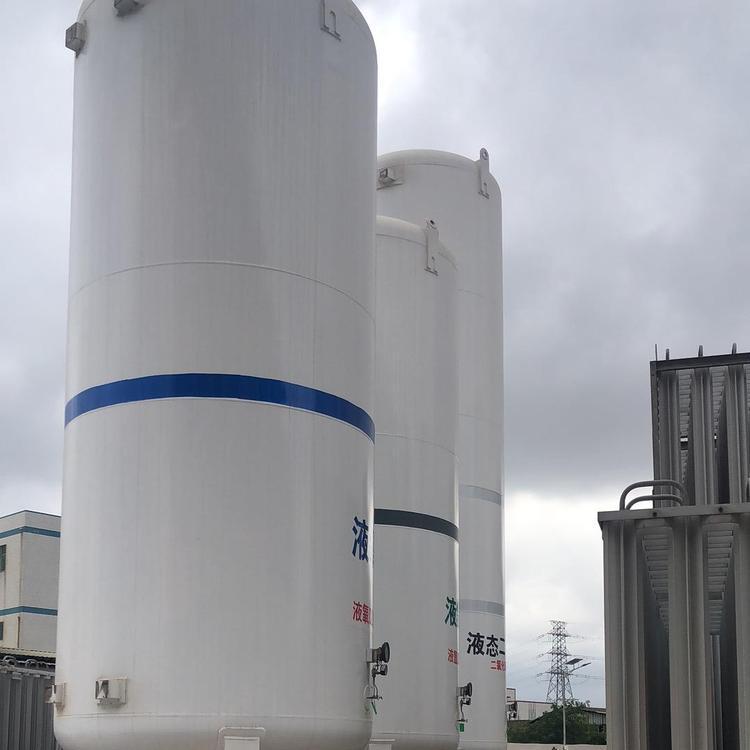

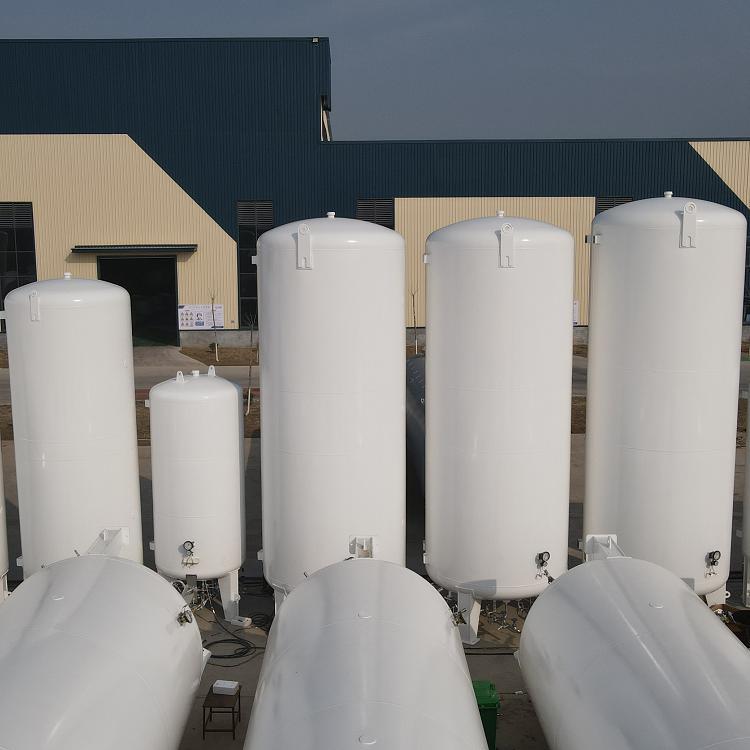
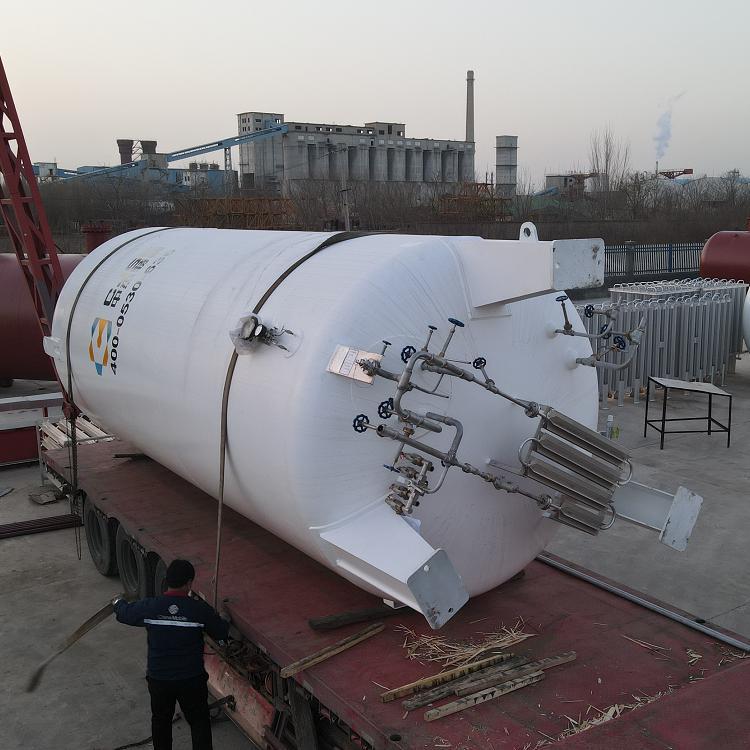


















Shandong Zhongjie Special Equipment's main products include: fuel (gas) boilers, organic heat carrier boilers, biomass boilers, waste heat recovery boilers, and other boiler products; vacuum insulation cryogenic pressure vessels such as LNG tanks, oxygen/nitrogen/argon tanks, and CO2 tanks; pressure vessel products such as denitrification engineering equipment, heat storage and energy storage equipment, and complete chemical equipment; central air conditioning and HVAC equipment such as ground (water) source heat pumps, air source units, water-cooled screw units, and air-cooled modular units. Planned products include large-scale energy centers, LNG transport vehicles, LNG tank containers, and other green energy equipment.
When applying paint to carbon dioxide storage tanks, attention should be given to the following issues: Surface Preparation: Prior to painting, thorough surface preparation is essential. This involves cleaning the surface, removing grease, dirt, and old coatings to ensure the paint adheres properly and maintains quality. Paint Selection: Choosing the right paint for carbon dioxide storage tanks is crucial. The paint should be corrosion-resistant, heat-resistant, and chemical-resistant to protect the tank surface from corrosion and damage. Painting Technique: The selection and operation of painting techniques are vital for the quality and evenness of the coating. Appropriate painting equipment and methods should be chosen to ensure the paint covers the entire tank surface evenly, avoiding drips and runs. Coating Thickness: The thickness of the coating is critical for the tank's protection. The thickness should be controlled according to the paint requirements and the tank's operating environment to ensure the coating's protective performance and lifespan. Drying and Curing: After the coating is applied, sufficient time must be allowed for drying and curing. Follow the correct drying time and conditions as per the paint requirements to ensure the coating's quality and performance. Safety Measures: Appropriate safety measures must be taken during the painting process, including wearing protective goggles, respirators, and protective clothing to ensure the safety of the operators. Quality Inspection: After painting is complete, a quality inspection should be conducted, including the appearance, adhesion, and thickness of the coating. Any issues or defects should be addressed and repaired promptly. It should be noted that painting carbon dioxide storage tanks should be performed by professionals.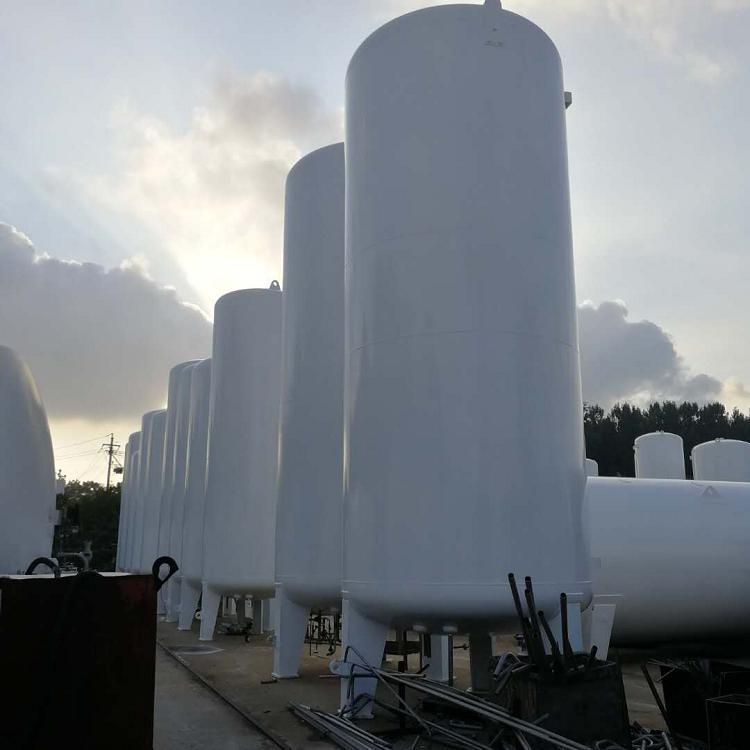
The filling process for CO2 storage tanks typically includes the following steps:
Preparation: Ensure the tank and filling equipment are in good working condition. Inspect the tank's appearance and valves for damage or leaks. Check the filling equipment's connecting pipes and valves for loose fittings or leaks.
Prepare liquid CO2: Extract liquid CO2 from the supply source and transfer it to the tank of the filling equipment. Ensure the liquid CO2 meets the required quality and purity standards.
Connect the filling equipment: Link the filling equipment's outlet pipe to the tank's inlet valve. Ensure the connection is secure and there are no leaks.
Open valves: Activate the corresponding valves on the filling equipment and the tank to allow liquid CO2 to flow from the filling equipment into the tank. Adjust the valves as needed to control the filling rate and pressure.
Monitor liquid level: Use a liquid level sensor or other level measuring equipment to monitor the CO2 liquid level in the tank in real-time. Ensure the level is within the safe range and avoid overfilling.
Filling complete: Once the tank reaches the predetermined filling level, close the corresponding valves on the filling equipment and the tank to stop the CO2 filling.
Inspection and cleaning: Check the valves and pipe connections during the filling process for leaks. Clean up any CO2 residue around the filling equipment and tank.
Documentation and reporting: Record the relevant information of the filling process, including the filling date, amount, and level monitoring results. Submit the filling report to the relevant departments or management as needed.
The above is a general CO2 storage tank filling process. Specific operations should be tailored to the tank's characteristics and requirements. When conducting filling operations, follow the relevant safety procedures and have trained professionals oversee the process.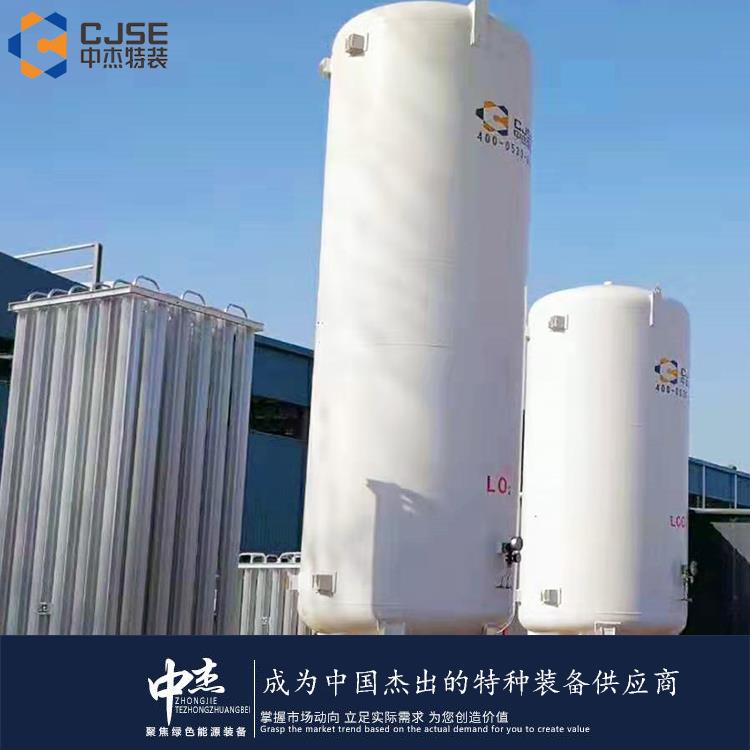
To extend the service life of CO2 storage tanks, the following measures can be taken:
- Regular Inspections and Maintenance: Conduct regular checks on the tank's exterior, lining, valves, and pipe connections to ensure they are intact. Promptly repair or replace any abnormalities or damages.
- Corrosion Prevention: As CO2 is corrosive, both the internal and external surfaces of the tank should be treated for corrosion resistance. Regularly inspect and maintain the protective coating or paint to ensure its integrity and effectiveness.
- Cleaning and Drainage: Regularly clean the interior of the tank to remove accumulated impurities and sediments. Also, regularly drain the liquid and gas impurities from the tank to maintain cleanliness and proper operation.
- Temperature and Pressure Control: Maintain the tank's temperature and pressure within the design limits to avoid damage from extreme temperatures or pressures.
- Regular Testing and Calibration: Conduct regular testing and calibration of the tank, including parameters such as level, pressure, and temperature, to ensure accurate and reliable measurement and control systems.
- Adherence to Operating Procedures: Strictly follow operating and safety procedures to ensure the tank operates normally and safely. Train operators to enhance their operational skills and safety awareness.
- Updates and Upgrades: Timely update and upgrade tank components and equipment as needed to meet new technology and safety requirements.
- Regular Assessments and Monitoring: Regularly assess and monitor the tank, including structural integrity, corrosion, and safety aspects. Take appropriate maintenance and repair measures based on assessment results.
These measures can help extend the service life of CO2 storage tanks and ensure their safe and reliable operation.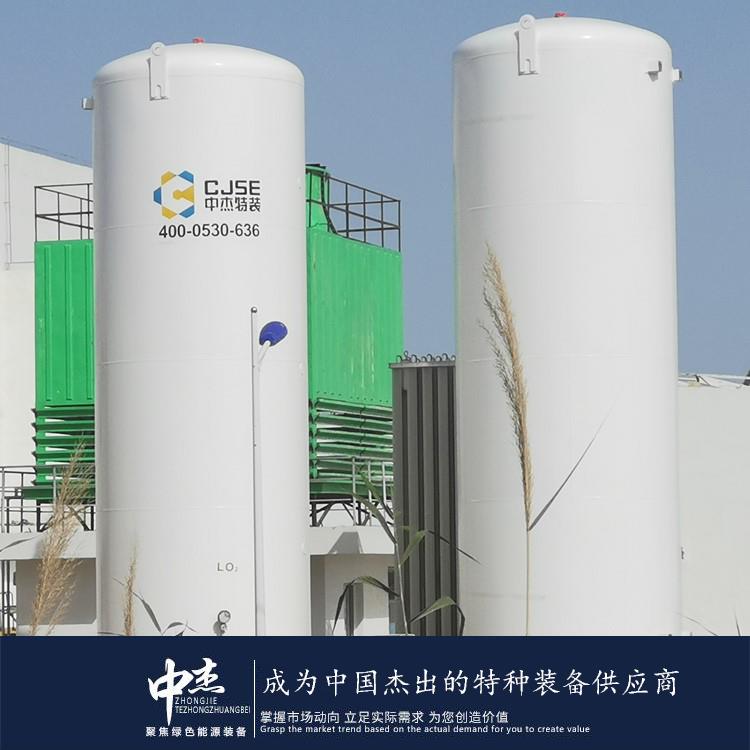
Detailed parameters of carbon dioxide storage tanks can vary based on specific design and usage requirements. Below are some common parameters of carbon dioxide storage tanks:
- Capacity: The capacity of carbon dioxide storage tanks can differ based on needs, with common ranges from a few thousand to several tens of thousands of liters.
- Pressure: The design working pressure of carbon dioxide storage tanks typically falls between 15-25 MPa (MPa), with the specific pressure depending on the application scenario and requirements.
- Material: Carbon dioxide storage tanks are usually made from high-strength materials such as carbon steel or stainless steel. The choice of material depends on the storage environment and requirements.
- Dimensions: The external dimensions of carbon dioxide storage tanks also vary based on capacity and design. Common shapes include cylindrical, spherical, or cubic.
- Level Control: Carbon dioxide storage tanks are often equipped with level control systems to monitor and control the liquid level of carbon dioxide. Level control systems usually include level sensors and control valves.
- Pressure Control: Inside, carbon dioxide storage tanks usually have pressure control systems to monitor and control the internal gas pressure. Pressure control systems typically include pressure sensors and safety valves.
It should be noted that specific parameters of carbon dioxide storage tanks can vary depending on different manufacturers, application scenarios, and standards. When selecting and using carbon dioxide storage tanks, it is essential to follow relevant safety operating procedures and guidelines and consult with experts to obtain accurate parameter information.
Shandong Zhongjie Special Equipment, welcome customers to our factory for business discussions.
WeChat Official Account

Scan to follow Official Account



















