


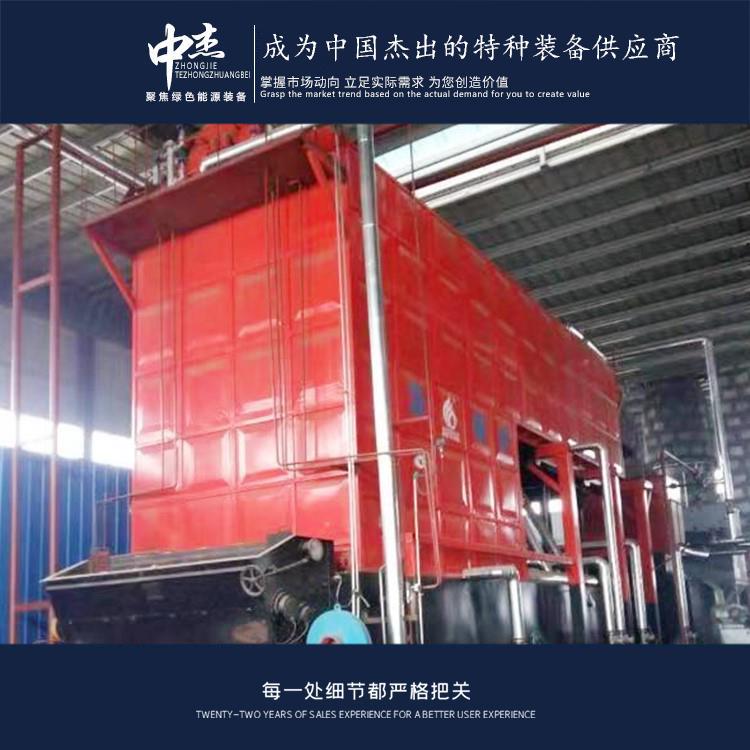

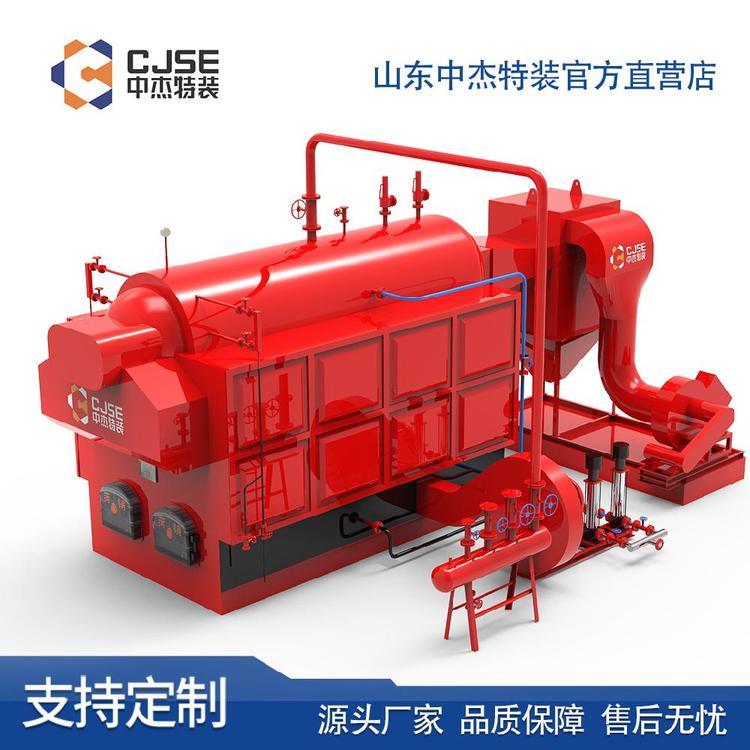
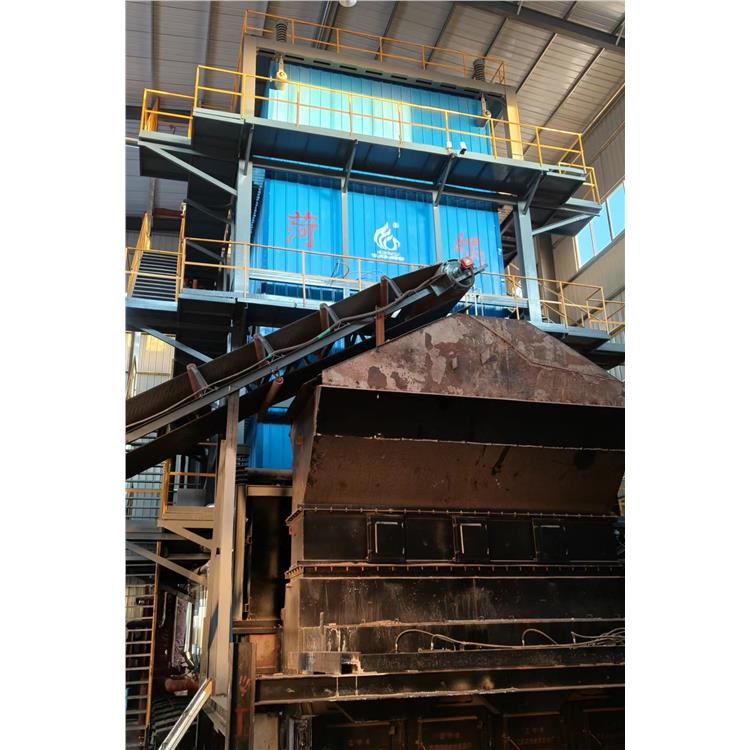


















Shandong Zhongjie Special Equipment specializes in: fuel (gas) boilers, organic heat carrier boilers, biomass boilers, waste heat recovery boilers, and other boiler products; vacuum insulated cryogenic pressure vessels such as LNG tanks, oxygen/nitrogen/argon tanks, CO2 tanks; pressure vessel products including denitrification engineering equipment, heat storage and energy storage equipment, complete chemical equipment sets; central air conditioning and HVAC equipment such as ground (water) source heat pumps, air source units, water-cooled screw units, and air-cooled modular units. Planned products include large-scale energy centers, LNG transport vehicles, LNG tank containers, and other green energy equipment.
Slagging in biomass boiler furnace is caused by ash and other impurities in the biomass fuel that accumulate as slag during the combustion process. The following are some operating factors that influence slagging in biomass boiler furnaces:
Fuel Characteristics: Different types of biomass fuels have varying ash content, ashing temperature, and ashing properties. Fuels with high ash content are prone to producing large amounts of ash sludge, while those with lower ashing temperatures are more likely to form slag inside the furnace.
Combustion Temperature: Combustion temperature is a significant factor affecting slagging in biomass boiler furnace. An excessively low combustion temperature can lead to incomplete fuel combustion and insufficient melting of ash, increasing the likelihood of slagging.
Excessive air supply can lower combustion temperatures, increase the fuel's residence time in the furnace, and raise the risk of slagging. Conversely, insufficient air supply can lead to incomplete fuel combustion, increasing the generation of ash and slag.
Furnace Chamber Design: The design of the furnace chamber significantly impacts the air flow distribution and temperature distribution within. A well-designed furnace chamber promotes complete combustion of fuel and the expulsion of ash, reducing the likelihood of slag formation.
Ash Cleaning System: The performance and operation of the ash cleaning system also affect the slagging condition inside the furnace. Regularly clean the ash and accumulated dust inside the furnace to maintain good furnace ventilation.
Biomass boilers may experience issues such as ash accumulation and slagging during prolonged operation. These problems can affect the boiler's combustion efficiency and safety. Here are methods to address ash accumulation and slagging in biomass boilers:
Regular Cleaning: Regularly cleaning the ash and soot from the boiler is crucial for preventing ash accumulation and scale formation. A cleaning schedule can be established based on the boiler's usage, which includes cleaning the combustion chamber, flue, and heat exchanger, among other components. Appropriate tools and cleaning agents should be used during the cleaning process to ensure the removal of ash and soot.
Adjust combustion parameters: Properly adjusting the combustion parameters of biomass boilers can reduce the occurrence of ash accumulation and slagging. For instance, adjusting combustion temperature, oxygen supply, and combustion time to enhance combustion efficiency and minimize ash and slag formation.
Additives Usage: During biomass combustion, certain special additives can be added, such as ash inhibitor and slagging inhibitor. These additives help reduce the formation of ash and carbon buildup, enhancing the boiler's cleanliness and combustion efficiency. The use of additives should be based on specific conditions and manufacturer recommendations.
Regular inspections and maintenance: Regularly inspect and maintain all components of the biomass boiler, including burners, fans, flues, and heat exchangers, to promptly identify and address issues like ash buildup and coking. During inspections, you can clear clogged parts and repair damaged ones, ensuring the boiler operates smoothly.
Note that dealing with biomass boiler ash and slagging issues should be tailored to specific circumstances. Consultation with boiler maintenance personnel or manufacturers is recommended for more detailed and accurate advice. Additionally, regular cleaning and maintenance are crucial for preventing ash and slagging problems.
slagging in biomass boilers refers to the solid residue formed by ash and other impurities in the fuel during the combustion process at high temperatures. Slagging is a common issue in biomass boiler operation, which may affect the boiler's heat transfer and combustion efficiency. Here's a brief discussion on biomass boiler slagging:
Coke Formation Causes: The biomass fuel contains a high ash content, and the ash may include some sticky substances. These substances tend to melt and adhere to the heat exchange surface of the boiler at high temperatures, forming coke. Additionally, certain elements in the biomass fuel, such as calcium, can also promote the formation of coke.
Slagging Impact: Slagging hinders heat transfer in boilers, reduces combustion efficiency, and increases energy consumption. It can also lead to higher boiler temperatures, accelerate corrosion of metal materials, and shorten the boiler's lifespan.
Preventive and corrective measures: To prevent and address slagging issues in biomass boilers, the following measures can be taken:
Fuel Pretreatment: Pre-treat biomass fuel, including drying, screening, and decontamination, to reduce ash content and salt in the fuel, and lower the risk of slagging.
Control combustion conditions: Reasonably control parameters such as the temperature, oxygen content, and combustion rate of biomass combustion to avoid excessive temperatures and oxygen levels, and reduce slagging occurrences.
Cleaning and Maintenance: Regularly clean the accumulated dust and dirt inside the boiler to keep it clean. During the cleaning process, use appropriate cleaning agents and tools to remove internal dirt from the boiler, preventing slagging from forming.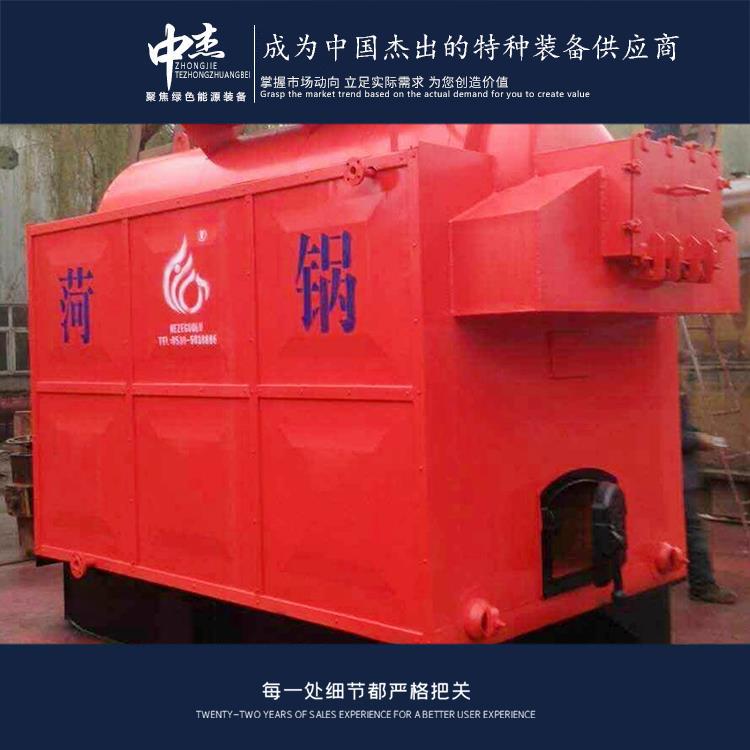
Coking in biomass boilers refers to the phenomenon where ash and other impurities in the fuel settle and form slag inside the furnace during the combustion process. Coking can adversely affect the normal operation and thermal efficiency of biomass boilers. The following are the hazards of coking and the corresponding measures:
Reducing thermal efficiency: Coking can lead to carbon accumulation on the inner walls of the furnace and the heat exchange area, increasing thermal resistance and reducing heat conduction efficiency, thereby lowering the boiler's thermal efficiency. A decrease in thermal efficiency results in energy waste and increased operating costs.
Measures: Regularly clean the slag and carbon accumulation inside the furnace chamber to maintain the cleanliness of the inner wall and enhance heat exchange efficiency.
Impact on combustion stability: Coking can lead to unevenness during the combustion process, resulting in reduced combustion stability and potential issues such as incomplete combustion and unstable flames.
Measures: Reasonably adjust combustion parameters such as combustion temperature and air flow, to maintain stability in the combustion process.
Increased equipment wear and maintenance costs: Coking can lead to carbon accumulation on the inner walls of the furnace and flue pipes, which in turn increases equipment wear and maintenance costs.
Measures: Regularly clean and maintain boiler equipment to prevent the formation of slagging and carbon deposition.
Increased environmental pollution: Coking can lead to an increase in pollutant emissions during the combustion process, affecting the environment.
Measures: Reasonably control the combustion process to ensure complete and thorough combustion, reducing emissions of pollutants.
In summary, measures to prevent biomass boiler slagging include regular cleaning and maintenance of equipment, reasonable adjustment of combustion parameters, and control
Zhejiang Zhejet focuses on the grand vision of "realizing employee dreams, creating customer value, and striving for the prosperity and strength of our motherland," diligently committed to the development of green energy equipment. We dedicate products and services with high performance and affordability to society!
WeChat Official Account

Scan to follow Official Account



















