


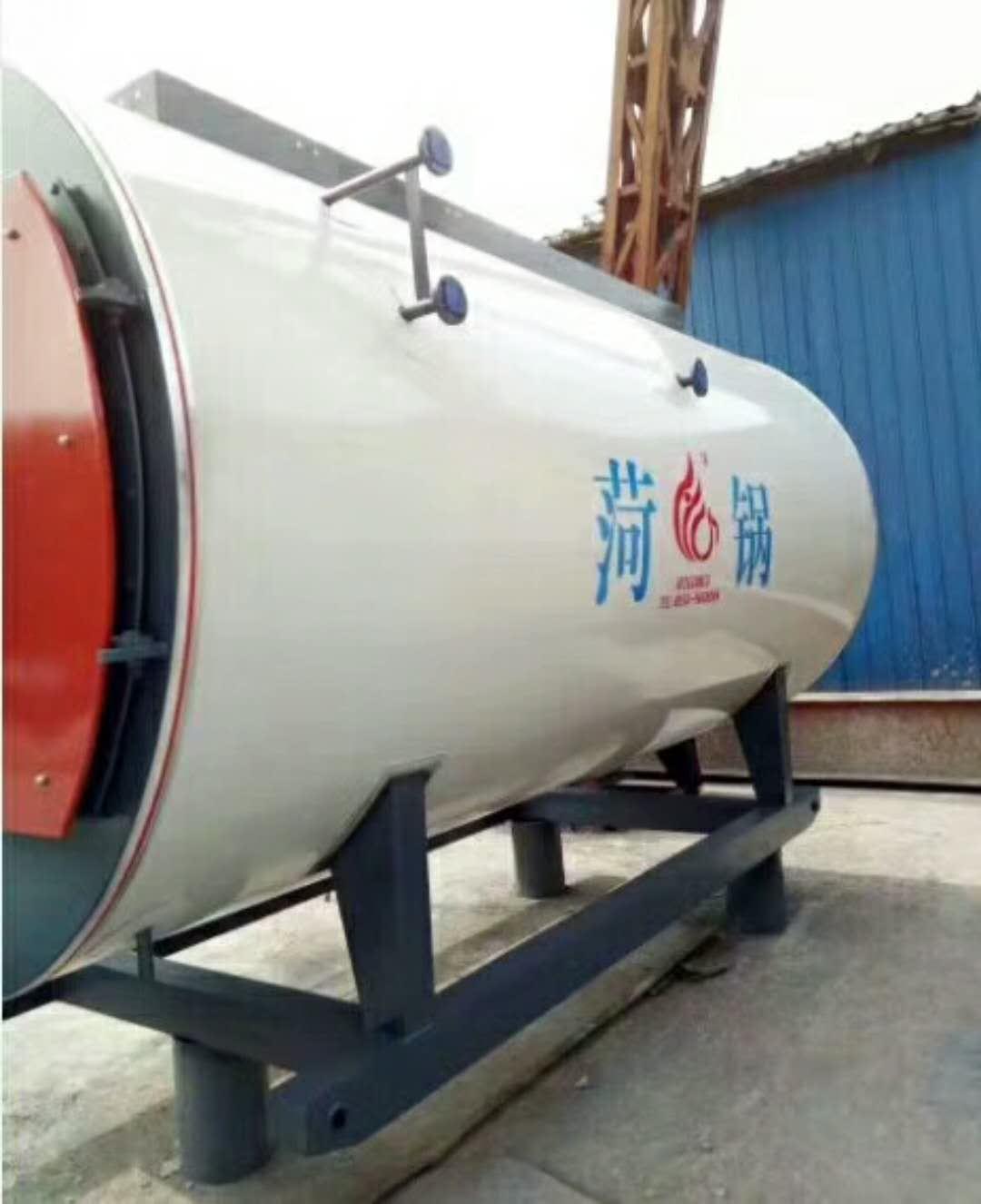

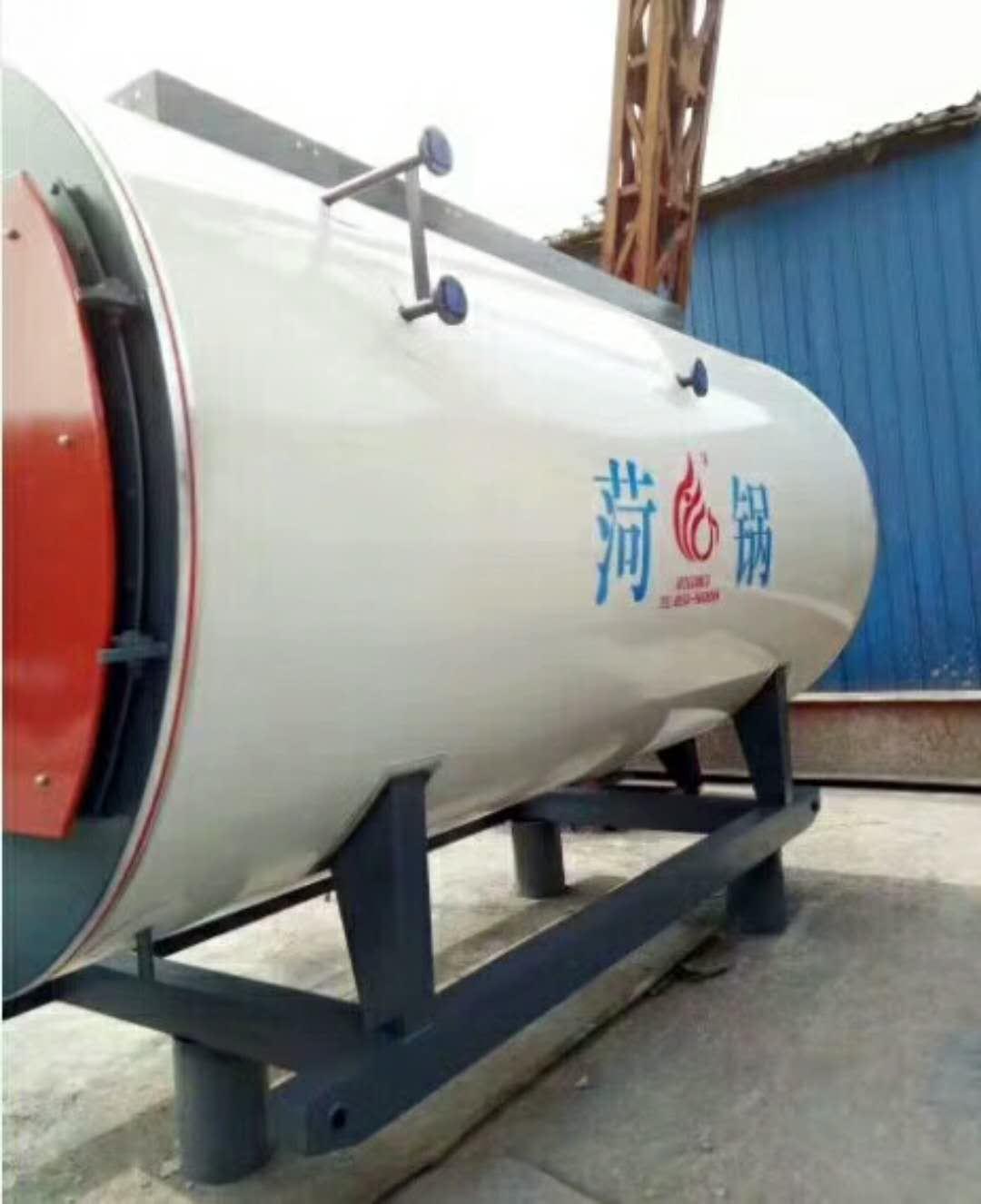
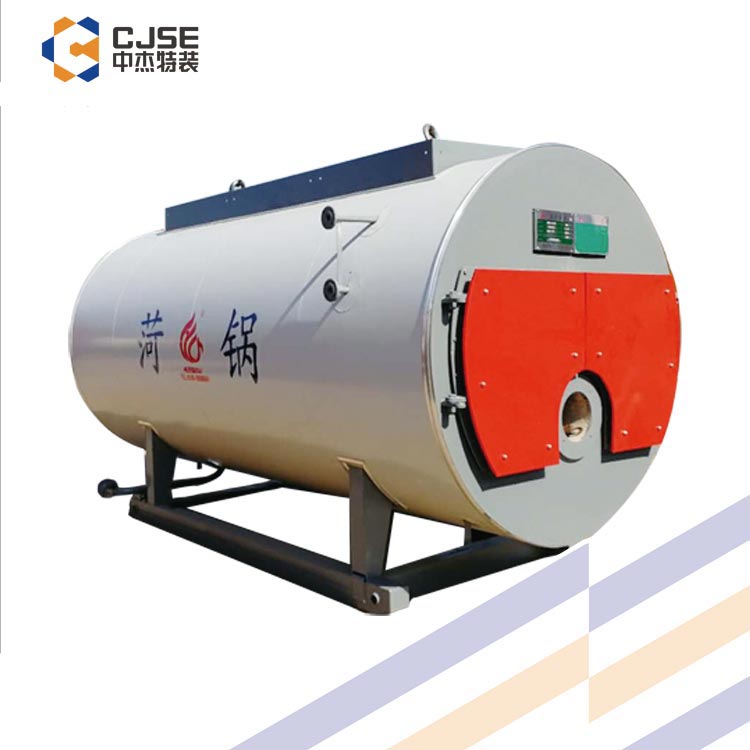


















Shandong Zhongjie Special Equipment (formerly Heze Boiler Factory Co., Ltd.) holds an A-grade boiler manufacturing license, an A2-grade pressure vessel manufacturing license, an A2-grade pressure vessel design license, a B-grade boiler installation license, and GB2/Class, GC2/Class pressure pipeline installation licenses, as well as a mechanical and electrical equipment installation contracting qualification. It is a member of the China Boiler and Water Treatment Association, the China Chemical Equipment Association, and the Council Member of the Shandong Equipment Manufacturing Association. The company has also passed certifications for the ISO9001 Quality Management System, ISO14001 Environmental Management System, OHSAS18001 Occupational Health and Safety Management System, and the American ASME/U2 certification.
During the operation of a thermal oil furnace, several important matters should be noted:
- Temperature Control: Close and constant monitoring and control of the thermal oil temperature is required during the operation of the furnace. Ensure the temperature remains within a safe range to avoid decomposition of the oil at high temperatures or condensation and scaling at low temperatures. Regularly inspect and calibrate temperature sensors to ensure the accuracy of temperature measurements.
- Pressure Control: Maintain an appropriate working pressure during the operation of the furnace. Excessive pressure can lead to equipment damage or leaks, while insufficient pressure can reduce heat transfer efficiency. Regularly inspect and maintain pressure gauges and safety valves to ensure the accuracy and safety of pressure control.
- Oil Quality and Cleanliness: The quality and cleanliness of the thermal oil are crucial for the normal operation of the furnace. Regularly inspect and replace the thermal oil to ensure it meets quality and performance requirements. Regularly clean and maintain heat exchangers, burners, and flues to prevent the accumulation of dust and dirt, which can affect heat transfer efficiency.
- Regular Maintenance and Inspection: Regular maintenance and inspection of the thermal oil furnace are necessary to ensure its normal operation and extend its service life. Regularly inspect and clean burners, flues, and heat exchangers, check and replace seals and valves, inspect and calibrate safety devices, to ensure the safety and reliability of the equipment.
- Safe Operation: Strict adherence to operational procedures and safety protocols is required during the operation of the thermal oil furnace. Operators must possess the relevant skills and knowledge.
Possible causes of uneven heat distribution in steam boilers may include the following aspects:
- Inconsistent combustion: In the combustion process, if the mixture of fuel and air is uneven, or if the burner design and adjustment are unreasonable, it can lead to inconsistent combustion. This results in some areas producing more heat while others produce less.
- Pipe blockage: If there is blockage or scaling in the transport pipes of the steam boiler, it can cause uneven heat transfer. Blockage or scaling hinders the flow of steam, limiting heat transfer in some areas while allowing better heat transfer in others.
- Heat exchanger issues: If there are problems such as scaling, corrosion, or blockage in the heat exchangers of the steam boiler, it can cause uneven heat transfer. These issues affect the heat conduction efficiency of the heat exchanger, impacting heat transfer in some areas.
- Water level issues: Inaccurate or unstable water level control in the steam boiler can lead to uneven steam generation. Either too high or too low water levels can affect steam production and distribution, resulting in uneven heat.
- Boiler load changes: Changes in the boiler load can also cause uneven heat distribution. When the load suddenly increases or decreases, the boiler's heat generation and distribution may not adjust in time, leading to uneven heat.
To address the issue of uneven heat distribution in steam boilers, regular inspection and maintenance of the boiler equipment are necessary to ensure the normal operation of combustion and heat exchange processes. Additionally, adjusting the burner and control systems reasonably, maintaining stable water levels, cleaning the pipes and heat exchangers, and improving...
The Zhongjie Portable Thermal Oil Heater is a common industrial thermal energy equipment featuring the following product characteristics:
- High thermal efficiency: The Zhongjie Portable Thermal Oil Heater utilizes advanced combustion technology and heat exchanger design to effectively transfer the heat energy generated from fuel combustion to the thermal oil, achieving energy utilization and enhancing thermal efficiency.
- Stable and reliable: Made with materials and precision manufacturing techniques, this heater has excellent high-temperature resistance and stable operating conditions, ensuring long-term stable operation with high reliability.
- Temperature control: Equipped with a temperature control system, the Zhongjie Portable Thermal Oil Heater can monitor and adjust the temperature of the thermal oil in real-time, guaranteeing precision and stability in the process.
- Multi-level safety protection: The heater is equipped with multiple safety devices such as overheat protection, pressure protection, and burner fault protection, effectively preventing accidents. Additionally, it employs clean combustion technology, resulting in minimal emissions and environmental friendliness.
- Easy operation: The Zhongjie Portable Thermal Oil Heater features an intelligent control system with a user-friendly interface and easy parameter adjustment, simplifying operation and reducing complexity and labor costs.
Overall, the Zhongjie Portable Thermal Oil Heater is characterized by stability and reliability, suitable for various industrial fields such as chemicals, textiles, and food processing, providing users with reliable thermal energy supply and process temperature control.
Before ignition, the preparation of the steam boiler involves the following steps:
1. Clean the boiler: First, clean the internal and external dirt and impurities from the boiler. Remove ash, sediment, and dirt to ensure the efficiency of combustion and heat exchange.
2. Check fuel supply: Inspect the fuel supply system to ensure a smooth fuel supply. Check the fuel storage tank, transport pipelines, and filters, clearing blockages and replacing damaged parts.
3. Inspect the burner: Check the operational status and cleanliness of the burner. Clean the burner's nozzle and flame detector to ensure normal operation.
4. Check the gas system: If it's a gas boiler, inspect the gas supply system. Check the gas pipelines, valves, and pressure regulators to ensure safe and stable gas supply.
5. Check water level and pressure: Inspect the boiler's water level and pressure. Ensure the water level is within the normal range, and pressure is stable and meets requirements. Add water and adjust pressure if necessary.
6. Check safety devices: Inspect the boiler's safety devices, such as safety valves, pressure switches, and water level controllers. Ensure these safety devices operate normally to guarantee the safe operation of the boiler.
7. Prepare ignition tools: Prepare the tools and equipment needed for ignition, such as a matchstick, igniter, etc. Ensure these tools work properly and are safe.
8. While performing the above preparation tasks, follow relevant operational procedures and safety requirements to ensure the safety and effectiveness of the work. If unsure about the preparation process, consult with experts or the boiler manufacturer for advice.
Shandong Zhongjie Special Equipment, welcome customers to our factory for business discussions.
WeChat Official Account

Scan to follow Official Account



















