





















Shandong Zhongjie Special Equipment (formerly Heze Boiler Factory Co., Ltd.) was established in 2001, located at No. 2218 Jinnan Road, Development Zone, Heze City, with a registered capital of 50 million yuan and total assets of 500 million yuan. The company has 7 business centers: boilers, deep-freeze containers, pressure vessels, central air conditioning, engineering installation, international trade, and Internet of Things. It has three factory sites on Jinnan Road, East Changjiang Road, and Bohai Road, covering a total of 200,000 square meters, with the main workshop spanning 83,000 square meters. It currently employs 710 people, including 247 engineers and technicians and 82 intermediate-level technicians. In December 2016, it was recognized as a "High-tech Enterprise" by the Science and Technology Department. In June 2021, it was identified as a "Specialized and New Enterprise in Shandong Province" by the Ministry of Industry and Information Technology. In June 2022, it was recognized as a "Gazelle Enterprise in Shandong Province" and in August 2022, as a "Specialized and New Small Giant Enterprise" by the Ministry of Industry and Information Technology.
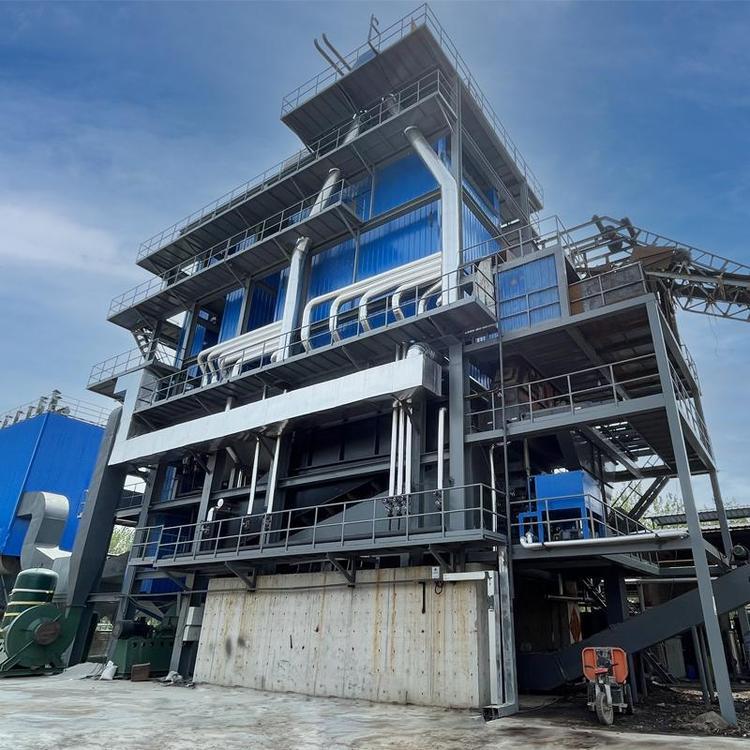
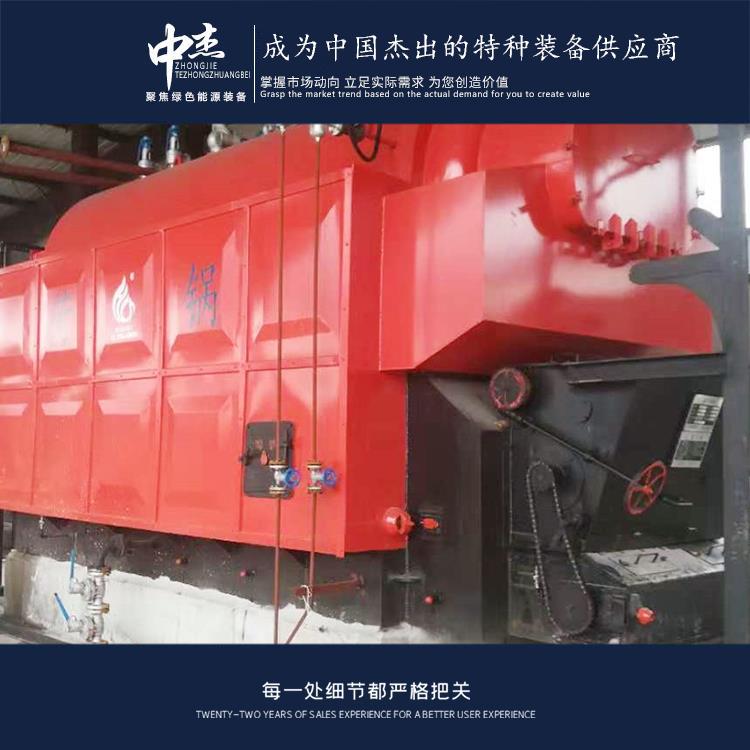
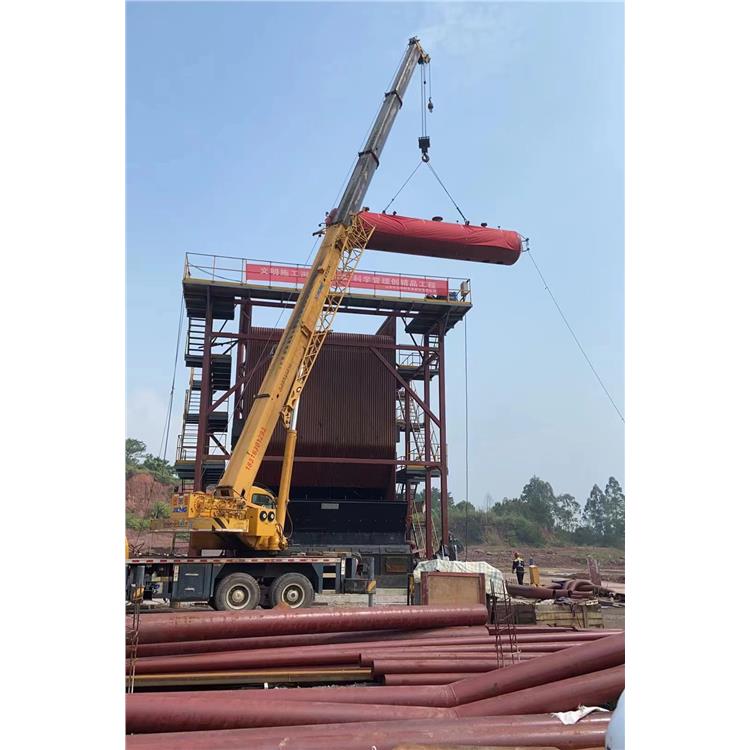
The SZL biomass chain grate steam boiler is a specific type of biomass boiler that utilizes chain grate technology to burn biomass fuel and produce steam. The following are some features and characteristics of the SZL biomass chain grate steam boiler:
Briquette Design: The SZL biomass chain grate steam boiler utilizes a chain grate design, where fuel is progressively pushed through the grate layers for a continuous combustion process. The chain grate offers ample combustion space and extended burn time, ensuring thorough combustion of biomass fuel.
Multi-fuel Adaptability: The SZL biomass chain-type steam boiler is suitable for various biomass fuels such as sawdust, straw, rice husk, etc. It boasts strong fuel adaptability and can select the appropriate fuel for combustion based on actual conditions.
Heat Exchanger: The heat exchanger equipped with the SZL biomass chain steam boiler optimally utilizes the heat energy in flue gas to enhance thermal efficiency. The design and material selection of the heat exchanger are optimized for effective heat conduction and exchange.
The control system: The control system of the SZL biomass chain grate steam boiler is capable of accurately controlling and adjusting parameters such as temperature, pressure, and fuel supply. The control system is equipped with safety protection functions, such as overheat protection and low water level protection, ensuring the safe operation of the boiler.
Environmental Low Emission: SZL Biomass Chain Steam Boiler utilizes
The operation methods for biomass boilers can be chosen and adjusted according to specific application needs and scenarios. Here are some common operation methods:
Heating Systems: Biomass boilers can be used in heating systems to provide hot water or steam for buildings, industrial plants, etc. Heat can be transmitted through pipes to the areas in need of heating, satisfying heating and hot water requirements.
Industrial Production: Biomass boilers can be used for thermal energy supply in industrial production processes, such as food processing, pulp and papermaking, and chemical industries. The thermal energy provided by biomass boilers meets the heating and steam requirements in industrial production.
Greenhouse Heating: Biomass boilers can be used in greenhouse heating systems to provide hot water or steam for greenhouses, maintaining suitable temperature and humidity within the greenhouse to promote plant growth.
Rural Heating: Biomass boilers can be utilized in rural heating systems to provide heating and hot water for rural residents. They can meet the heating needs of rural areas through either centralized or decentralized heating methods.
Hot Water Pump Drying: Biomass boilers can be used in hot water pump drying systems for drying wood, grain, and other materials. By providing hot water or steam, it accelerates the drying process and improves efficiency.
Biomass Power Generation: Biomass boilers can be integrated with power generation equipment for biomass power generation. By burning biomass fuel to produce steam, it drives the generator to generate electricity, achieving energy utilization and conversion.
Here are some common applications of biomass boilers. Depending on specific needs and scenarios, you can choose the suitable application method and configure and adjust it with relevant equipment and systems.
Biomass boilers promote environmental protection primarily in the following aspects:
Renewable Energy Utilization: Biomass boilers use biomass fuels such as wood chips, straw, wheat straw, fruit shells, etc., which are renewable resources. Compared to fossil fuels, biomass fuels emit less carbon dioxide during combustion, resulting in a smaller impact on climate change.
Reducing Greenhouse Gas Emissions: The carbon dioxide produced during the combustion process of biomass boilers can be reabsorbed through the regeneration process of biomass, creating a closed loop. This helps to decrease greenhouse gas emissions, contributing positively to slowing down climate change.
Low Pollution Emissions: The combustion of biomass boilers results in relatively low emissions of pollutants in the flue gas. Through reasonable combustion adjustment and supplementary pollution control equipment such as dust collectors and nitrogen oxide control devices, further reduction of pollutants like particulates and nitrogen oxides in the flue gas can be achieved.
Recycling Waste: Biomass boilers can utilize waste and by-products as fuel, such as crop straw and wood processing waste. This approach facilitates the recycling of waste, reducing issues related to waste disposal and storage.
Enhanced Energy Efficiency: The combustion process of biomass boilers can be optimized through technologies like heat recovery and waste heat utilization, thus improving energy utilization efficiency. This helps to reduce energy consumption and decrease reliance on traditional energy sources.
Overall, biomass boilers, as a renewable energy utilization technology, offer advantages such as low carbon and pollution emissions, as well as waste recycling, contributing positively to environmental protection and sustainable development.
slagging in biomass boilers refers to the solid residue formed by ash and other impurities in the fuel during the combustion process at high temperatures. Slagging is a common issue in biomass boiler operation that may affect the boiler's heat transfer and combustion efficiency. Here's a brief discussion on biomass boiler slagging:
Coking Causes: The biomass fuel contains a high ash content, and the ash may include some sticky substances. These substances can melt and adhere to the boiler's heat exchange surface at high temperatures, forming coking. Additionally, certain elements in the biomass fuel, such as calcium, can also promote the formation of coking.
Slagging Impact: Slagging obstructs heat transfer in boilers, reducing combustion efficiency and increasing energy consumption. It can also lead to increased temperatures in the boiler, accelerating corrosion of metal materials, and shortening the boiler's service life.
Preventive and remedial measures: To prevent and address the slagging issue in biomass boilers, the following measures can be taken:
Fuel Pretreatment: Pre-treat biomass fuel through processes such as drying, sieving, and decontamination to reduce ash content and salt in the fuel, and minimize slagging risks.
Control combustion conditions: Reasonably control the parameters such as the temperature, oxygen content, and combustion rate of biomass combustion to avoid excessive temperatures and oxygen levels, reducing slag formation.
Cleaning and Maintenance: Regularly clean the boiler interior of accumulated dust and dirt to maintain its cleanliness. During cleaning, appropriate cleaning agents and tools can be used to remove interior dirt and prevent scale formation.
Zhongjie Special Equipment upholds the great vision of "realizing employees' dreams, creating customer value, and striving for the prosperity and strength of our motherland," and is dedicated to the development of the green energy equipment industry. We commit to society with high-quality, cost-effective products and services!
WeChat Official Account

Scan to follow Official Account



















