


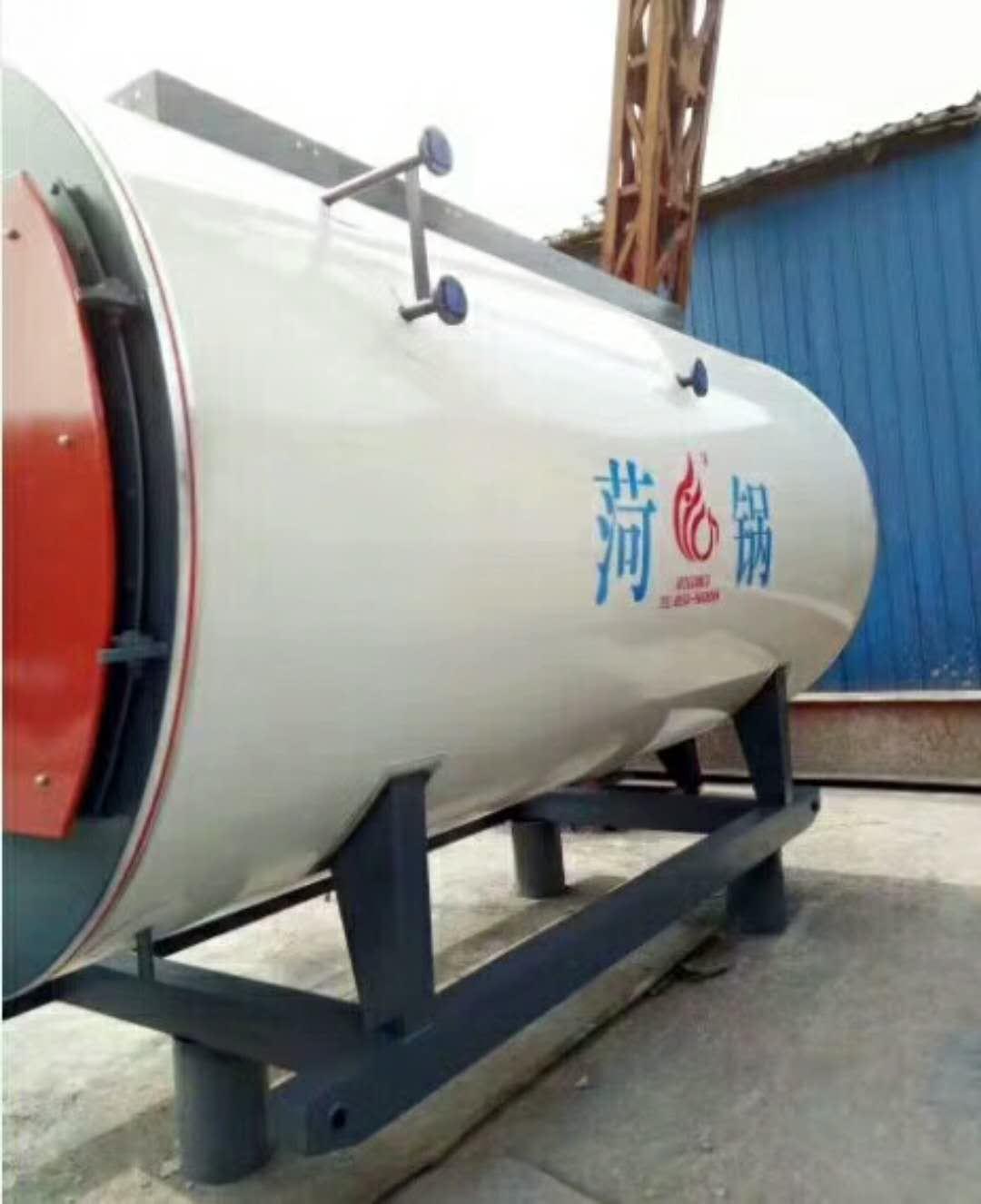


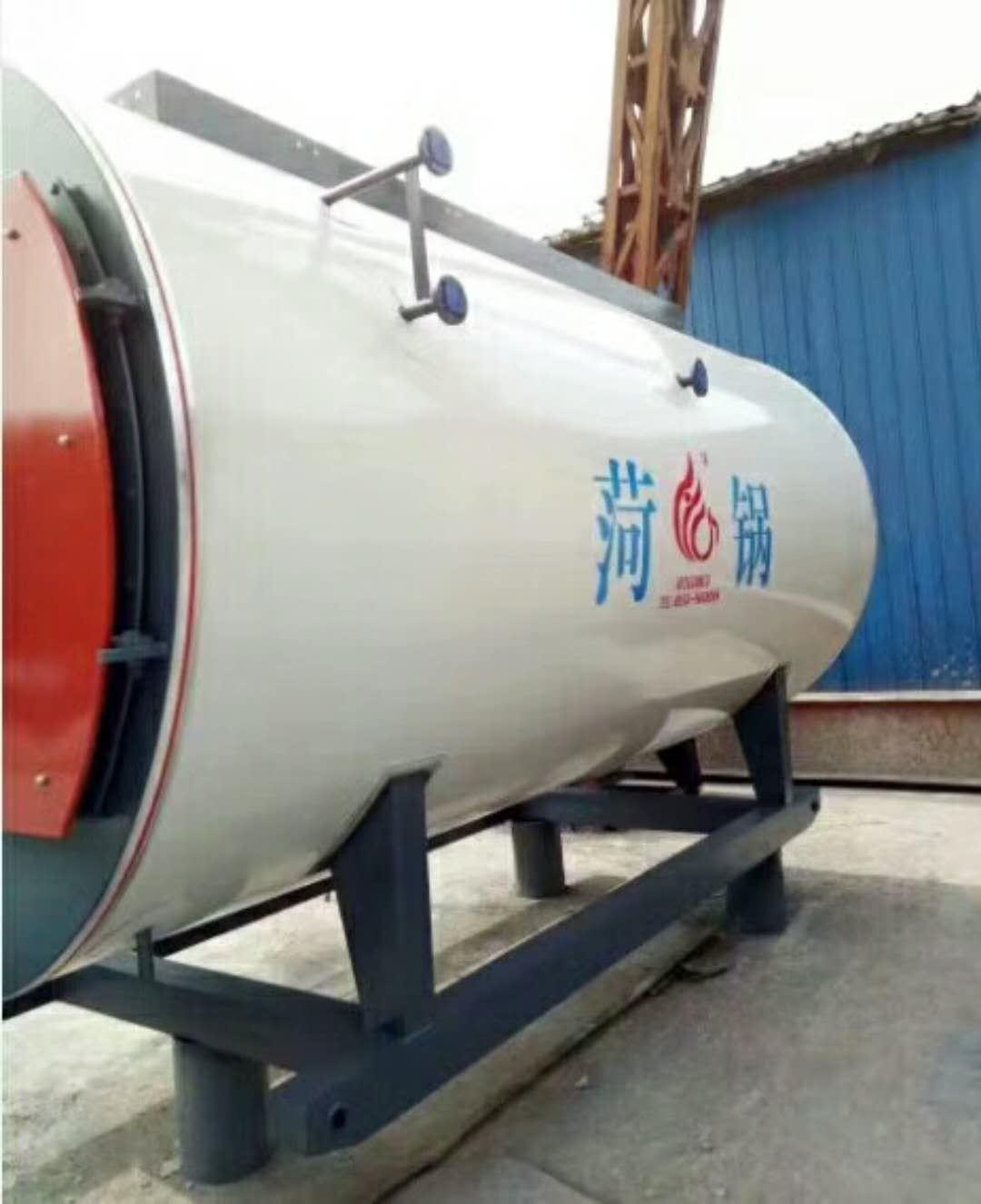


















Shandong Zhongjie Special Equipment Co., Ltd. specializes in the following products: fuel (gas) boilers, organic heat carrier boilers, biomass boilers, waste heat recovery boilers, and other boiler products; vacuum insulation cryogenic pressure vessels such as LNG tanks, oxygen/nitrogen/argon tanks, and CO2 tanks; pressure vessel products including denitrification engineering equipment, heat storage and energy storage equipment, and complete chemical equipment; central air conditioning and ventilation equipment such as ground (water) source heat pumps, air source units, water-cooled screw units, and air-cooled modular units. Planned products include large-scale energy centers, LNG transport vehicles, LNG tank containers, and other green energy equipment.
Proper management regulations for the use of low-temperature liquid storage tanks encompass the following aspects:
Tank Selection and Installation: Choose a suitable low-temperature liquid storage tank and ensure it complies with relevant standards and regulations. The installation of the tank should be carried out by personnel, following the manufacturer's instructions and requirements to ensure the tank's stability and safety.
Safety Operating Procedures: Establish and implement safety operating procedures for liquid storage tanks, including start-up, shutdown, filling, venting, and other operational steps. Operators must receive training to understand the characteristics of liquid storage tanks, safety precautions, and emergency response measures.
Safety Equipment and Protective Measures: Tanks should be equipped with necessary safety devices, such as pressure sensors, safety valves, and leak detectors, to monitor and control the pressure and temperature of the tank. At the same time, operators should wear appropriate personal protective equipment, such as insulated gloves and protective suits, to ensure their safety.
Regular Inspections and Maintenance: Conduct regular inspections and maintenance on low-temperature liquid storage tanks, including checking the tank's appearance, sealing, and corrosion prevention measures. In case of any issues, address or replace the tank promptly to ensure its proper operation and safety.
Waste Management: Abandoned low-temperature liquid storage tanks should be disposed of in accordance with relevant environmental protection regulations. The residual liquids in the abandoned tanks should be handled properly to prevent environmental pollution.
Tank Record and Tracking: Establish tank usage records, including filling dates, filling quantities, usage status, etc. Additionally, it is recommended to set up a tank tracking system for monitoring and managing tank usage and maintenance.
Here are some common management regulations for low-temperature liquid storage tanks. Specific regulations may vary by industry and region. When using low-temperature liquid storage tanks, comply with relevant laws and standards and establish suitable management measures based on actual conditions.
In pressure vessel design, several common "thickness" parameters need to be considered:
Wall Thickness: Refers to the actual thickness of the pressure vessel wall. The selection of wall thickness must consider factors such as the design pressure, material strength, and corrosion resistance to ensure the vessel's strength and safety.
Bend Allowance: The bend allowance refers to the additional thickness added to the wall thickness during the manufacturing process to ensure the strength and shape of the container's bending sections. The calculation and selection of the bend allowance should consider factors such as the container's bending radius and the material's bendability.
Corrosion Allowance: The corrosion allowance refers to the additional thickness added to the wall to combat internal or external corrosion effects on the container. The selection of the corrosion allowance must consider the working environment of the container and the corrosive properties of the medium it encounters, to ensure the container can withstand corrosion throughout its service life.
These "thickness" parameters play a critical role in pressure vessel design, impacting the container's strength, corrosion resistance, and safety. During the design process, it's necessary to select and calculate these thickness parameters rationally, based on relevant standards and specifications, in conjunction with the container's usage conditions and requirements, to ensure that the design and manufacturing meet the standards.
Tanks are specialized storage equipment that require regular inspections and maintenance to ensure safe operation. Here are common inspection methods for tanks:
Visual Inspection: Regularly inspect the exterior of the storage tank, including checking for leaks, corrosion, deformation, cracks, and other issues. Pay particular attention to the integrity of the tank's interfaces, welds, and valves.
Pressure Testing: Conduct pressure tests to check the tank's sealing performance and pressure resistance. Pressure gauges or pressure sensors can be used for pressure testing the tank to ensure it can withstand the designed pressure.
Ultrasonic Testing: Ultrasonic testing is used to detect corrosion and cracks in storage tank walls. By scanning the tank with an ultrasonic probe, potential defects and issues are identified.
Magnetic Particle Inspection: This method can be used to detect cracks in storage tank walls and the quality of welds. By applying magnetic particles to the surface of the tank and then observing with a magnetic particle inspection instrument for any accumulation, it can determine the presence of cracks or welding defects.
Environmental Monitoring: Regularly conduct environmental monitoring around storage tanks, including parameters such as gas concentrations and temperatures, to ensure the safety of the surrounding environment.
Note that tank inspections should be conducted by a certified inspection agency or qualified inspectors. The frequency and methods of inspection should be determined based on the tank's usage, size, and relevant regulatory requirements. Regular inspections and maintenance can help identify potential issues early on, ensuring the safe operation of the tank.
Liquid oxygen storage tanks are equipment used for storing and supplying liquid oxygen. Liquid oxygen is a state where oxygen is cooled below its boiling point, converting it into a liquid. Liquid oxygen storage tanks are typically designed with double or multi-layer structures, filled with insulating material in between to minimize heat transfer and the evaporation of liquid oxygen.
Liquid Oxygen Storage Tanks Feature the Following Characteristics:
High Purity: The liquid oxygen storage tank contains high-purity liquid oxygen, typically exceeding 99.5% purity. This makes the liquid oxygen storage tank crucial in applications requiring high-purity oxygen, such as medical, aerospace, and research fields.
Low Temperature: As the boiling point of liquid oxygen is -183°C, liquid oxygen storage tanks must have excellent insulation properties to maintain the low temperature state of the liquid oxygen. Tanks are typically designed with double or multi-layer structures, filled with insulating material in between to minimize heat transfer and evaporation of the liquid oxygen.
High Pressure: Liquid oxygen tanks typically need to withstand high pressure to maintain their liquid state. The design and material selection of the tank must consider the pressure requirements of liquid oxygen to ensure the tank's safety and reliability.
Flammability: Liquid oxygen is highly flammable and supports combustion. Therefore, during the design and use of liquid oxygen storage tanks, fire prevention measures must be implemented to ensure there are no ignition sources nearby, and appropriate fire extinguishing equipment is provided.
High Density: Liquid oxygen has a higher density, allowing liquid oxygen tanks to store more oxygen compared to gas oxygen. This gives liquid oxygen tanks an advantage in applications requiring large amounts of oxygen supply, such as in the field.
The use of liquid oxygen tanks must strictly adhere to relevant safety regulations and operating guidelines to ensure safe operation and usage of the tanks.
Shandong Zhongjie Special Equipment, welcome customers to our factory for business discussions.
WeChat Official Account

Scan to follow Official Account



















