


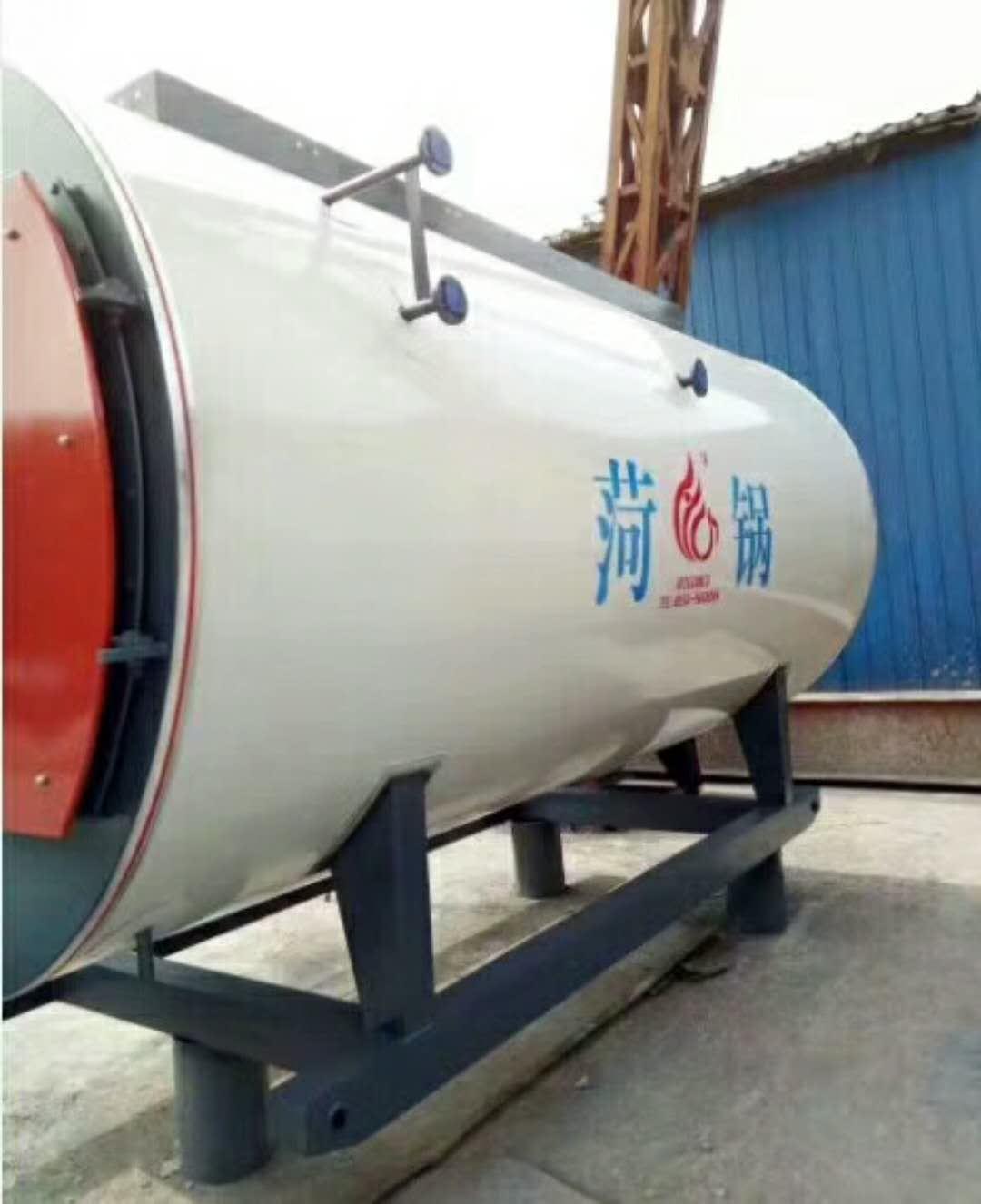


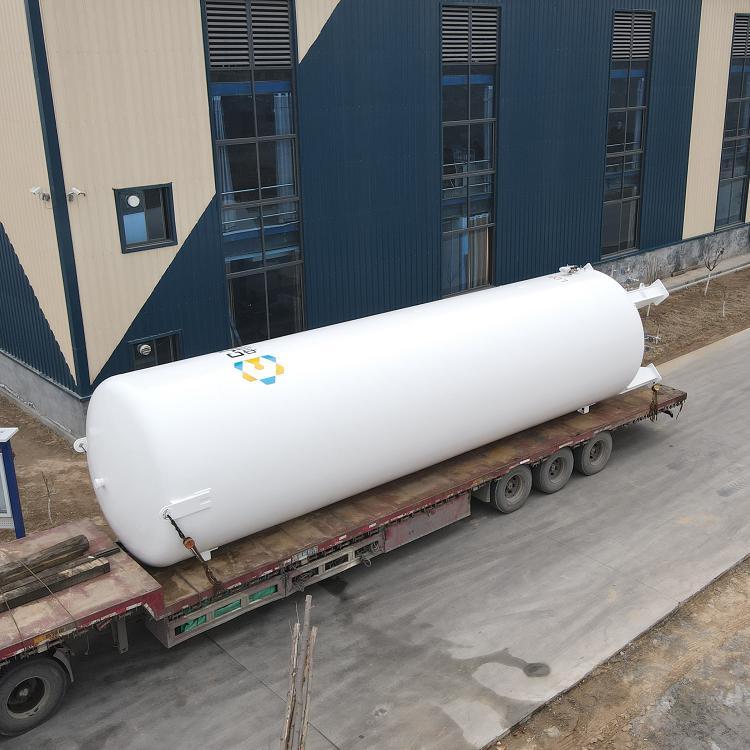


















Shandong Zhongjie Special Equipment Co., Ltd. specializes in the following products: fuel (gas) boilers, organic heat carrier boilers, biomass boilers, waste heat recovery boilers, and other boiler products; vacuum insulation cryogenic pressure vessels such as LNG tanks, oxygen/nitrogen/argon tanks, and CO2 tanks; pressure vessel products including denitrification engineering equipment, heat storage and energy storage equipment, and complete chemical equipment sets; central air conditioning and ventilation equipment such as ground (water) source heat pumps, air source units, water-cooled screw units, and air-cooled modular units. Planned products include large-scale energy centers, LNG transport vehicles, LNG tank containers, and other green energy equipment.
Low-temperature industrial gas filling stations are equipment used to fill liquid low-temperature industrial gases (such as liquid oxygen, liquid nitrogen, liquid argon, etc.) into gas storage tanks. Below is basic information about low-temperature industrial gas filling stations:
Tank Type: Low-temperature industrial gas tanks typically use double-walled vacuum insulated tanks, with the inner wall for storing liquid gas and the outer wall for insulation to reduce heat transfer and evaporation losses of the liquid gas.
Filling Equipment: Low-temperature industrial gas storage tank filling stations include liquid-gas filling pumps, filling pipelines, flowmeters, pressure sensors, and other equipment. The liquid-gas filling pumps are used to extract liquid gas from storage tanks or gas cylinders and fill it into the target storage tank.
Filling Process: The operational procedure at the filling station typically includes the following steps: Preparations (checking equipment, preparing filling medium), Equipment Connection (connecting filling pumps, pipes, etc.), Equipment Activation (starting the filling pump, adjusting flow and pressure), Filling Operation (filling liquid gas into the target storage tank), Monitoring and Control (monitoring parameters such as pressure and flow during the filling process to ensure safety and quality), and Completion of Operation (shutting down equipment, cleaning the work area).
Safety Measures: Strict adherence to relevant safety operating procedures and standards is required during the operation of low-temperature industrial gas filling stations. Operators must undergo training to understand the properties and safety precautions of liquefied gases. Additionally, filling stations should be equipped with safety equipment such as pressure sensors and safety valves to ensure safety during the filling process.
Quality Control: Quality control must be maintained at the filling station during the filling process, including monitoring the flow, pressure, and temperature of the filling medium to ensure accuracy and quality of the filling.
Note that the operation of low-temperature industrial gas storage tank filling stations must be performed by trained personnel and strictly adhere to relevant operating procedures and safety measures. Furthermore, the design and manufacturing of the filling stations must comply with applicable standards and regulations to ensure equipment safety and reliability.
Liquid Oxygen Storage Tanks possess the following safety technical characteristics:
High-pressure Vessels: Liquid Oxygen Tanks are high-pressure vessels capable of withstanding high pressure. Their design and manufacturing must comply with relevant standards and specifications to ensure the tank's strength and sealing integrity.
Low Temperature Storage: Liquid oxygen tanks are used for storing liquid oxygen, with operating temperatures typically around -183 degrees Celsius. The materials and insulation of the tanks must be able to withstand low-temperature environments to prevent evaporation of the liquid oxygen and the penetration of external heat.
Fireproof Design: Liquid oxygen has a high oxygen content, which is prone to causing fires. The design of liquid oxygen storage tanks must incorporate fire prevention measures, such as installing firewalls and using fire-resistant coatings, to prevent the occurrence and spread of fires.
Leakage Control: Leaks in liquid oxygen storage tanks can lead to increased oxygen concentrations, raising the risk of fire and explosion. Tanks must be equipped with leak detection and alarm systems to promptly detect and control leaks, and to implement appropriate emergency measures.
Electrostatic Protection: Electrostatic buildup in liquid oxygen storage tanks may cause sparks, increasing the risk of fire. Tanks must be equipped with antistatic conductive materials and antistatic devices to reduce the accumulation and release of static electricity.
Safety valves and pressure control: Liquid oxygen storage tanks must be equipped with safety valves and pressure control devices to ensure that the internal pressure of the tank remains within a safe range. When the pressure exceeds the set value, the safety valve will automatically release pressure to protect the tank's safety.
Regular inspections and maintenance: Liquid oxygen tanks require regular inspections
The oxygen-filling process for liquid oxygen tanks must adhere to specific operational procedures and safety measures. Below are the steps for filling liquid oxygen tanks:
Preparation: Ensure the tanks and oxygenation equipment are in good working condition, check the tank's sealing and the proper operation of the safety valves.
Connect equipment: Attach the oxygenation equipment to the storage tank, ensuring a reliable seal at the connection point.
Prepare liquid oxygen: Transfer liquid oxygen from the storage container to the oxygen storage tank of the oxygen-filling equipment. During the transfer, be cautious to prevent any leakage or contact with the liquid oxygen.
Oxygen Filling Operation: Open the valve of the oxygen filling equipment and fill liquid oxygen into the storage tank from the oxygen storage tank. During the filling process, control the filling speed and pressure to avoid excessive pressure and temperature increase in the storage tank.
Monitoring and Control: During the aeration process, the pressure and temperature of the storage tank must be monitored to ensure they remain within safe limits. In case of any anomalies, oxygenation should be immediately stopped and appropriate measures taken.
Oxygen Filling Complete: Close the valve of the oxygen filling equipment and cease the oxygen filling process once the tank reaches the required oxygen content or pressure.
Safety Handling: After oxygenation is complete, safety handling is required, which includes closing relevant valves and emptying any remaining liquid oxygen from the oxygenation equipment.
Note that liquid oxygen is highly oxidizing and flammable. The oxygen-filling process must strictly adhere to relevant safety operating procedures and standards. Operators should receive training and strictly follow the operational procedures and safety measures to ensure the safety and reliability of the oxygen-filling process.
Liquid Argon Storage Tanks are used for storing and transporting liquid argon. Their application scope and characteristics are as follows:
Application Scope:
Industrial Applications: Liquid argon storage tanks are widely used in various industrial sectors, including metal processing, electronics manufacturing, semiconductor production, and more.
Application: Liquid argon tanks are used in the field for cryogenic preservation of biological samples, cells, tissues, and vaccines.
Laboratory Applications: Liquid argon tanks are used in scientific research laboratories for low-temperature experiments, cryopreservation, and sample processing, etc.
Features:
Low-temperature Performance: Liquid argon has a boiling point of -185.7°C, thus the liquid argon storage tank must have excellent low-temperature insulation properties to maintain the低温 state of liquid argon.
High sealing: Liquid argon storage tanks must have good sealing performance to prevent evaporation loss of liquid argon and the entry of external air.
Safety: Liquid argon is a flammable and explosive material, hence liquid argon tanks must be equipped with safety valves, leak detectors, and other safety devices to ensure safe operation.
High Capacity: The capacity of liquid argon storage tanks ranges from a few liters to several thousand liters, allowing for the selection of an appropriate capacity to meet requirements.
Cautionary Notes:
Protective Gear: When operating liquid argon tanks, appropriate protective gear must be worn, including gloves, protective clothing, and non-slip shoes, to safeguard against the low temperature of liquid argon and other hazards.
Ventilation Requirements: Please specify
Shandong Zhongjie Special Equipment, welcome customers to visit our factory for business discussions.
WeChat Official Account

Scan to follow Official Account



















